
Nutrition comparison
Ramen vs Udon Noodles: Which Is Healthier and What Are the Real Tradeoffs?
Compare ramen and udon noodles on sodium, processing, fat content, and health impact. Learn which noodle is better for daily eating and how to make smarter choices.
Overall winner · Udon Noodles
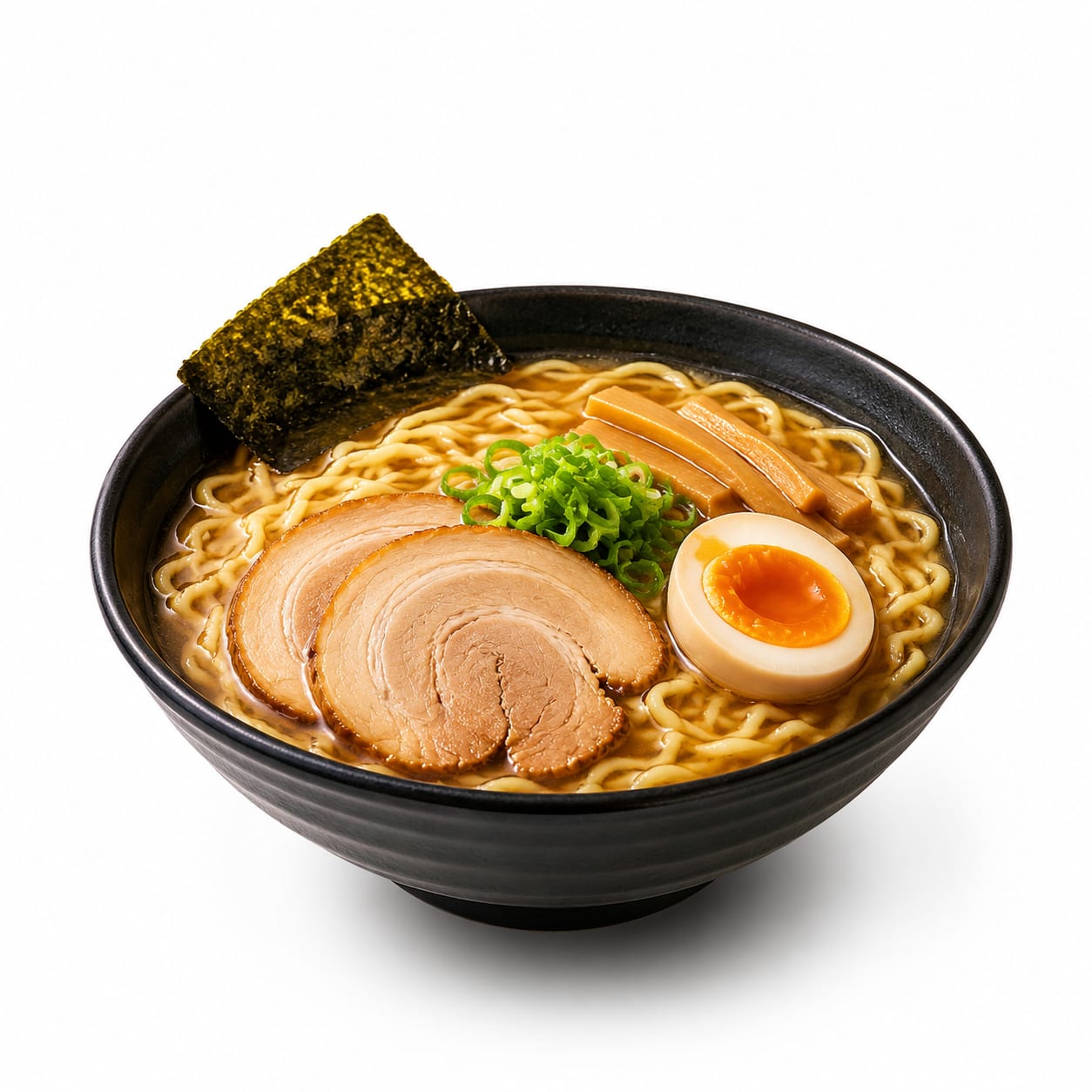
Ramen
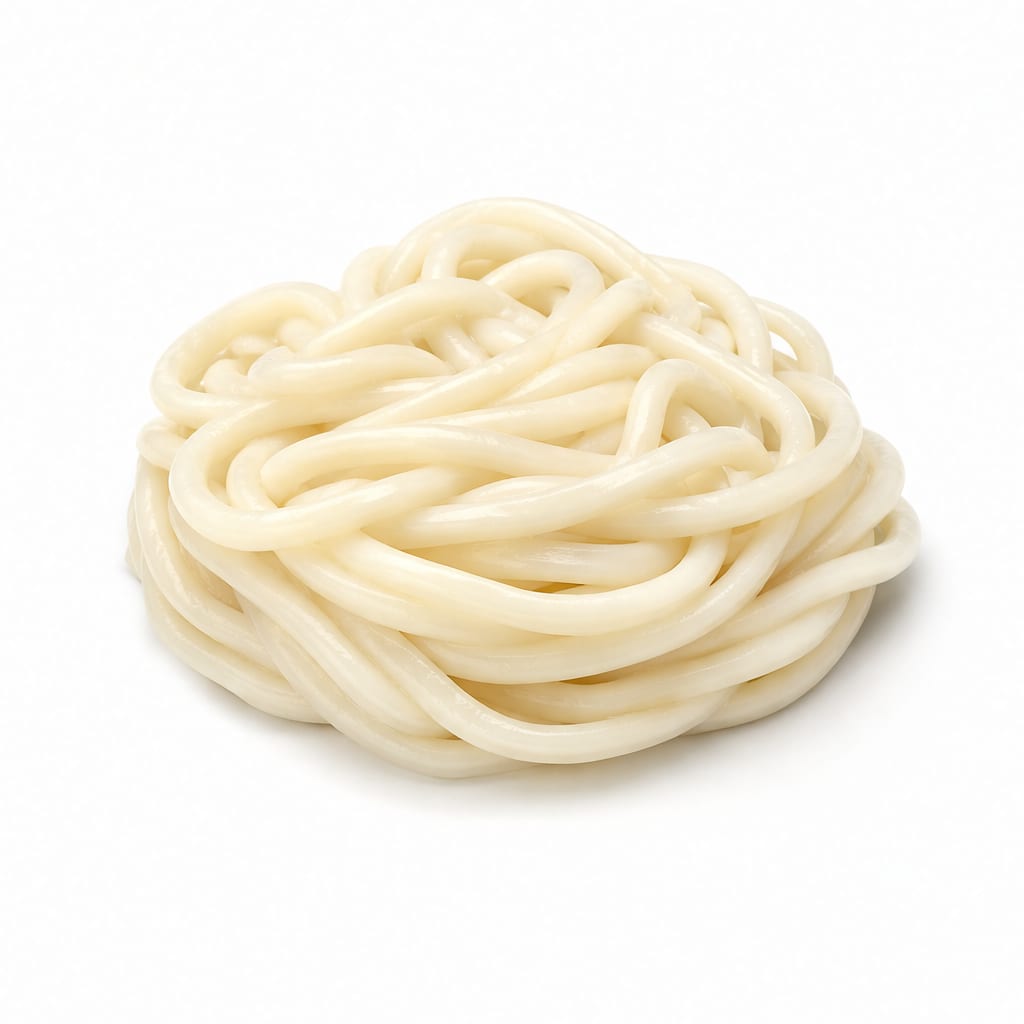
Udon Noodles
Udon noodles are the clearly healthier choice, with far less sodium, fewer additives, and no deep-frying. Ramen wins only on convenience and price.
Udon scores more than double ramen due to dramatically lower sodium, minimal processing, and no deep-frying. Ramen's convenience advantage cannot overcome its significant health drawbacks for regular consumption.
Ramen gives you a cheap 3-minute meal at the cost of extreme sodium and ultra-processing. Udon takes a little more effort but your body will thank you.
At a glance
Executive summary
Overall
Udon Noodles
Healthier
Udon Noodles
More practical
Ramen
Daily use
Udon Noodles
Key comparison lenses
sodium and heart health
Ramen's extreme sodium content is the single biggest health differentiator between these two noodles
processing and additives
Instant ramen is ultra-processed with preservatives; udon is typically a simple wheat noodle with minimal additives
convenience vs quality tradeoff
Ramen wins on speed and cost but sacrifices nutritional quality; udon requires slightly more effort but delivers a better meal
weight management and satiety
Both are carb-heavy but udon's thicker texture and simpler preparation lead to more satisfying meals with less overeating risk
blood sugar stability
Both are refined wheat noodles, but ramen's deep-frying and additives worsen glycemic impact
Best choice for
Ramen
- Quick meals when time is critically short
- Very tight food budgets
- College students needing cheap calories
- Camping or travel where cooking is limited
Udon Noodles
- Regular weeknight dinners
- Anyone watching sodium or blood pressure
- People wanting a cleaner ingredient list
- Meals where you want to add vegetables and protein naturally
Least suitable for
Ramen
- People with hypertension or heart concerns
- Anyone trying to reduce ultra-processed food intake
- Daily or frequent consumption
- Children who are sensitive to sodium
Udon Noodles
- Situations requiring instant preparation
- Very tight budgets where every cent counts
- Backpacking or no-cook scenarios
Deep comparison
Dimension by dimension
Each lens scores both foods and breaks down who each option suits.
- Dimension 1 · Priority 95Udon Noodles
Sodium Load
Ramen · 8Udon Noodles · 55Ramen delivers 1500-2000mg sodium per serving, often hitting your entire daily limit in one bowl. Udon noodles themselves contain minimal sodium unless added via broth.
Tradeoff
Ramen's seasoning packet is what makes it tasty and dangerous simultaneously. Udon lets you control salt yourself.
Why it matters
Consistently high sodium intake directly raises blood pressure and stroke risk. This is ramen's biggest health liability.
Real-world impact
One ramen packet can leave you thirsty for hours and bloated the next morning. Udon with a light broth feels gentler and more comfortable after eating.
Ramen
- People who sweat heavily and need electrolyte replenishment
Better for
- Hypertension management
- Kidney health
- Reducing bloating and puffiness
Worse for
Udon Noodles
- Anyone with blood pressure concerns
- People trying to reduce water retention
- Those who want to control their own seasoning levels
Better for
- Situations where you need quick electrolyte replacement after intense exercise
Worse for
- Dimension 2 · Priority 90Udon Noodles
Processing and Additives
Ramen · 15Udon Noodles · 70Instant ramen is deep-fried, preserved with TBHQ, and loaded with MSG and flavor enhancers. Udon is typically just wheat flour, water, and salt.
Tradeoff
Ramen's long shelf life and instant prep come from heavy processing. Udon's simpler recipe means fewer things your body has to deal with.
Why it matters
Ultra-processed foods are linked to higher risks of obesity, heart disease, and metabolic issues. The fewer additives, the better for long-term health.
Real-world impact
After eating ramen, some people feel sluggish or get headaches from MSG sensitivity. Udon tends to feel lighter and easier on the stomach.
Ramen
- Emergency food storage
- Situations requiring months of shelf stability
Better for
- People prone to headaches from MSG
- Anyone avoiding ultra-processed food
- Children with developing systems
Worse for
Udon Noodles
- Clean eating goals
- Reducing exposure to preservatives
- Anyone with food sensitivities to additives
Better for
- Long-term storage without refrigeration
Worse for
- Dimension 3 · Priority 80Udon Noodles
Satiety and Fullness
Ramen · 35Udon Noodles · 65Udon's thick, chewy noodles digest more slowly and keep you full longer. Ramen's thin fried noodles digest quickly, often leaving you hungry within an hour.
Tradeoff
Ramen feels satisfying in the moment but fades fast. Udon provides steadier, longer-lasting energy.
Why it matters
Foods that leave you hungry soon after eating lead to more snacking and higher daily calorie intake.
Real-world impact
A udon bowl at lunch can carry you to dinner. A ramen cup at noon often has you reaching for snacks by 2pm.
Ramen
- Very small appetites where a light meal is preferred
Better for
- Weight management due to rebound hunger
- Athletic performance requiring lasting fuel
Worse for
Udon Noodles
- Active people needing sustained energy
- Anyone trying to reduce between-meal snacking
- Workers who cannot eat again for 5-6 hours
Better for
- Small eaters who find thick noodles too heavy
Worse for
- Dimension 4 · Priority 85Ramen
Convenience and Speed
Ramen · 95Udon Noodles · 45Ramen is ready in 3 minutes with just boiling water. Udon requires more cooking time and typically more ingredient preparation for a complete meal.
Tradeoff
Ramen's speed is unmatched but comes at a nutritional cost. Udon takes 10-15 minutes but produces a genuinely nourishing meal.
Why it matters
When you are exhausted or rushed, convenience often wins over nutrition. The best food is one you will actually prepare well.
Real-world impact
At 11pm after a long day, ramen feels like the only option. But pre-cooked udon from the fridge takes nearly the same time with better results.
Ramen
- Late-night exhaustion eating
- Office break rooms with only a kettle
- Dorm rooms with no real kitchen
Better for
- Building sustainable healthy eating habits
Worse for
Udon Noodles
- Weekend cooking when you have 15 minutes
- Meal prep sessions for the week ahead
Better for
- Time-crunched weeknights with zero prep energy
Worse for
- Dimension 5 · Priority 70Udon Noodles
Blood Sugar Impact
Ramen · 25Udon Noodles · 45Both are refined wheat noodles that spike blood sugar, but ramen's deep-frying and additives make its glycemic impact worse.
Tradeoff
Neither noodle is ideal for blood sugar control, but udon is the lesser of two evils. Pairing either with protein and vegetables helps significantly.
Why it matters
Frequent blood sugar spikes lead to energy crashes, cravings, and increased diabetes risk over time.
Real-world impact
Ramen tends to cause a sharper energy crash an hour after eating. Udon with chicken and vegetables gives a more stable energy curve.
Ramen
- No realistic advantage for blood sugar management
Better for
- Diabetes management
- Sustained mental focus throughout the day
Worse for
Udon Noodles
- Pre-diabetics choosing between the two
- People who experience afternoon energy crashes
Better for
- Strict low-carb diets where neither fits
Worse for
- Dimension 6 · Priority 75Udon Noodles
Fat Content and Type
Ramen · 20Udon Noodles · 70Ramen noodles are deep-fried during manufacturing, adding significant fat including saturated fat. Udon noodles are not fried and contain almost no fat.
Tradeoff
Ramen's frying process is what makes it cook instantly but also what adds unhealthy fat. Udon's lack of fat means you choose what goes in your broth.
Why it matters
Unnecessary saturated fat from fried noodles adds calories and cardiovascular risk without nutritional benefit.
Real-world impact
A bowl of ramen can contain 12-15 grams of fat before you add anything. Udon starts near zero, letting you add healthy fats like sesame oil intentionally.
Ramen
- No realistic advantage for fat quality
Better for
- Cardiovascular risk reduction
- Calorie density management
Worse for
Udon Noodles
- Heart health conscious eaters
- Calorie counters wanting more control
- Anyone choosing their own fat sources
Better for
- No significant disadvantage here
Worse for
Timeline
Health impact over time
Short-term
Hours to days
Ramen
- Immediate sodium hit causing thirst and potential bloating
- MSG may trigger headaches in sensitive individuals
- Quick energy spike followed by a crash within 1-2 hours
- TBHQ and preservatives may cause mild digestive discomfort in some people
Udon Noodles
- Steadier energy release without sharp crashes
- Comforting and easy on the stomach when served in warm broth
- Minimal bloating compared to ramen
- More comfortable post-meal feeling overall
Long-term
Months to years
Ramen
- Regular consumption significantly increases hypertension risk due to extreme sodium
- Ultra-processing linked to higher risk of metabolic syndrome
- Frequent intake associated with poor diet quality overall
- Deep-fried noodle consumption may contribute to elevated LDL cholesterol over time
Udon Noodles
- Lower sodium exposure supports healthier blood pressure long-term
- Simpler ingredient list reduces cumulative additive exposure
- More easily incorporated into balanced meals with vegetables and lean protein
- Still a refined carbohydrate, so regular consumption without balancing foods can affect blood sugar over time
Risk profile
Safety & processing
Instant ramen is one of the most ultra-processed staple foods people eat regularly, involving deep-frying, chemical preservatives, and artificial flavor enhancers. Udon noodles are a processed food but far closer to their original ingredients, typically containing just wheat flour, water, and salt.
Ramen
TBHQ preservative exposure
mediumTBHQ is used to preserve the fried noodles. While generally recognized as safe in small amounts, animal studies link high doses to nausea and potential DNA damage.
Extreme sodium intake
highA single serving often exceeds the American Heart Association's ideal daily sodium limit of 1500mg, making it a direct risk factor for acute blood pressure spikes.
MSG sensitivity reactions
lowMonosodium glutamate can cause headaches, flushing, and sweating in sensitive individuals, though most people tolerate it without issue.
Acrylamide from frying
mediumDeep-frying starch at high temperatures creates acrylamide, a probable carcinogen. The levels in instant ramen are low but represent unnecessary exposure.
Udon Noodles
Wheat gluten sensitivity
lowUdon contains wheat gluten, which is a problem only for those with celiac disease or gluten sensitivity. This is a standard allergen concern, not a contamination issue.
Sodium from added broth
mediumWhile udon noodles themselves are low in sodium, the broth they are served in can add significant salt. This is controllable by the cook.
Who wins for whom
Audience fit
Same foods, different winners depending on your goal.
children
Udon NoodlesChildren are more sensitive to sodium and additives. Udon with a mild broth is a much safer choice for developing bodies. Ramen's sodium level is excessive for kids.
daily consumption
Udon NoodlesUdon can reasonably be eaten several times a week as part of a varied diet. Ramen should be an occasional convenience food, not a daily habit.
diabetes
Udon NoodlesBoth are refined carbs that require portion control, but udon's slower digestion and lack of frying make it gentler on blood sugar. Always pair with protein and fiber.
elderly
Udon NoodlesOlder adults need to protect their blood pressure and cardiovascular health. Udon's lower sodium and simpler ingredients make it clearly safer for aging bodies.
muscle gain
It dependsNeither is a protein powerhouse. Both provide carbs for energy, but udon paired with chicken or tofu makes a better post-workout meal. Ramen's sodium may actually help very sweaty athletes replenish electrolytes.
weight loss
Udon NoodlesUdon's lower fat content, better satiety, and more controllable seasoning make it easier to fit into a calorie-conscious eating plan without the rebound hunger ramen causes.
Your move
Decision guide
Choose Ramen
- You need a meal in under 5 minutes with zero prep
- Your budget is extremely tight and calories matter more than nutrition
- You are hiking or traveling and need shelf-stable lightweight food
- It is a rare occasion and you genuinely crave the specific taste
Choose Udon Noodles
- You eat noodles more than once a week
- You care about your blood pressure and heart health
- You want to build meals around noodles with vegetables and protein
- You experience bloating or sluggishness after eating ramen
- You are feeding children or elderly family members
Either works if
- You are eating noodles as an occasional treat rather than a staple
- You plan to load up either option with lots of vegetables and lean protein
- Neither is your primary carb source and the rest of your diet is strong
Avoid both if
- You have celiac disease or wheat sensitivity
- You are on a strict low-carb or ketogenic diet
- You are managing severe diabetes and need to minimize all refined carbohydrates
Final recommendation
Make udon your everyday noodle and treat ramen as an occasional convenience. If you love ramen's flavor, try making quick udon with miso or soy sauce broth — you get 80% of the satisfaction with a fraction of the sodium and none of the preservatives. Your body will notice the difference within a week of switching.
Practical
Consumer tips
- 1
Keep pre-cooked vacuum-sealed udon in your fridge for meals almost as fast as instant ramen
- 2
If you do eat ramen, use only half the seasoning packet and add your own miso or low-sodium soy sauce
- 3
Add a soft-boiled egg and handful of spinach to either noodle to dramatically improve the nutritional profile
- 4
Ramen's sodium drops significantly if you discard the flavor packet and make your own broth — this single change makes it far more reasonable
- 5
Freeze fresh udon noodles in single portions for quick access without waste
- 6
Drink extra water after eating ramen to help your kidneys process the sodium load