
Nutrition comparison
Ramen vs Lo Mein: Which Noodle Dish Is Healthier?
Compare Ramen and Lo Mein on sodium, processing, nutrients, and health impact. Find out which noodle dish is the smarter choice and how to make either one healthier.
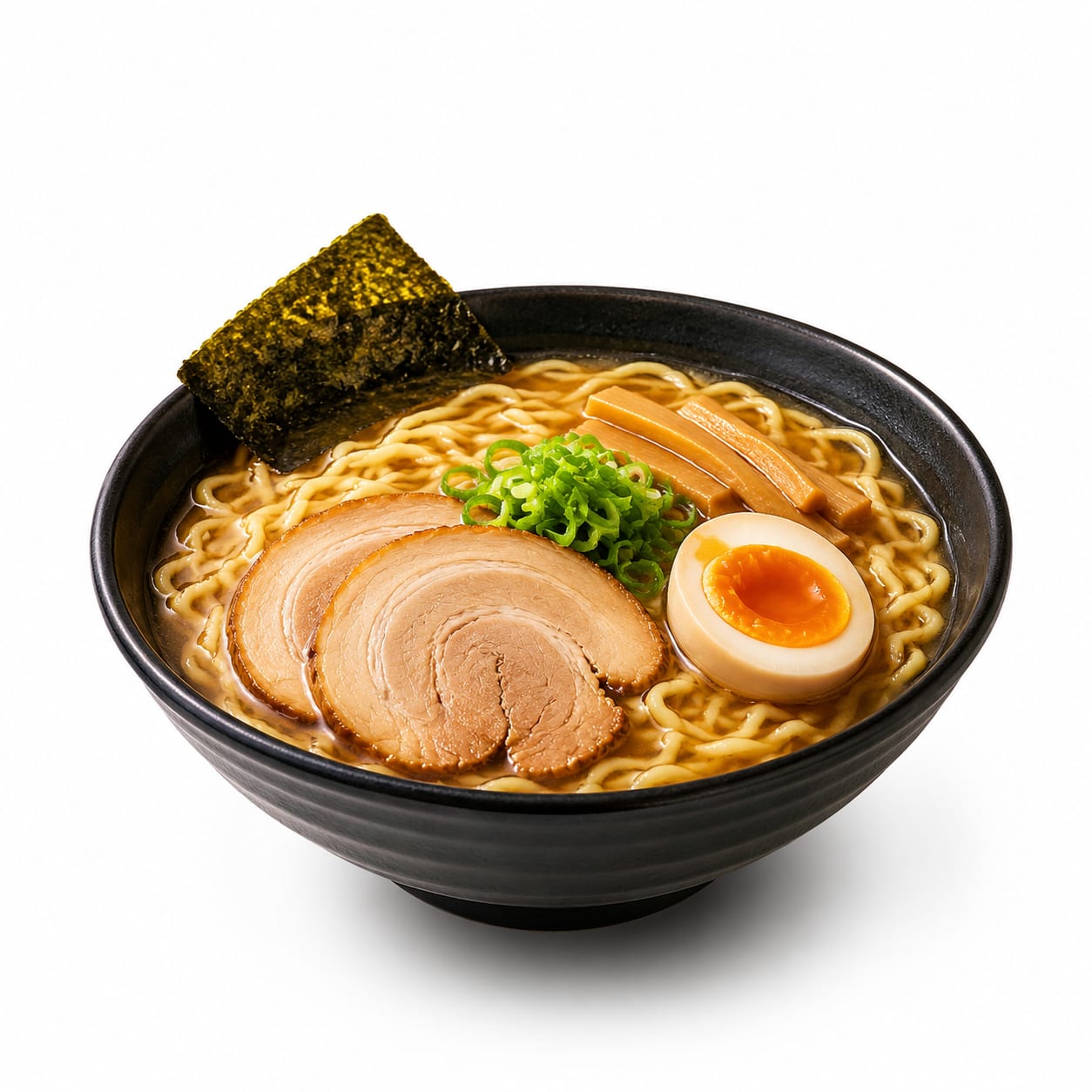
Ramen
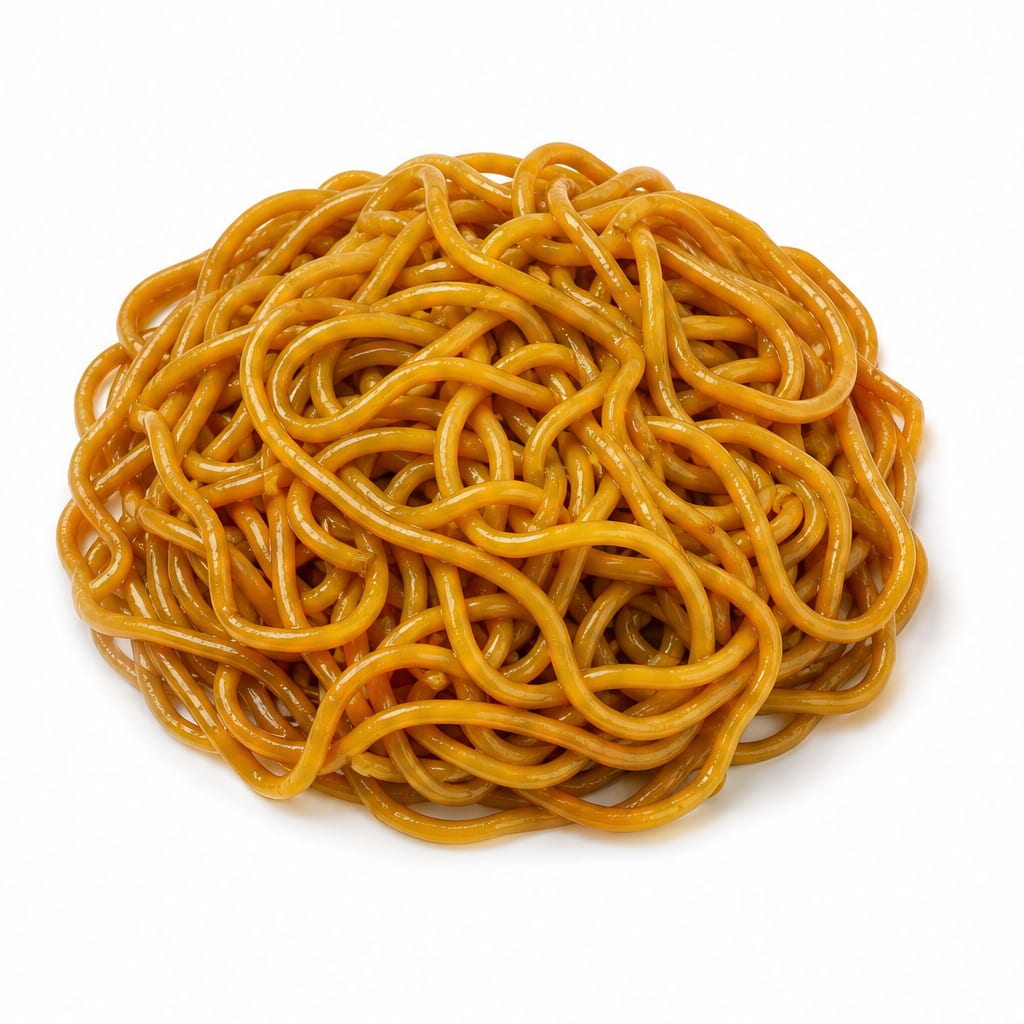
Lo Mein
Lo Mein edges ahead on vegetables and less processing, but Ramen's broth can be more filling. Both are sodium bombs that require moderation.
Lo Mein scores moderately higher due to better vegetable integration and less ultra-processing in typical preparations. Ramen's instant varieties drag its score down significantly through extreme sodium, preservatives, and negligible nutrient density. Neither scores well overall.
Lo Mein gives you more veggies and less ultra-processing, while Ramen offers quicker comfort and broth-based satiety at the cost of higher sodium and additives.
At a glance
Executive summary
Overall
It depends
Healthier
Lo Mein
More practical
Ramen
Daily use
It depends
Key comparison lenses
sodium and heart health
Both dishes are notoriously sodium-heavy, making cardiovascular risk the primary concern for most eaters
refined carb burden
Wheat noodles dominate both dishes, raising blood sugar and satiety questions
processing and additives
Instant ramen is ultra-processed with preservatives, while Lo Mein preparation varies widely
vegetable nutrient density
Lo Mein typically incorporates more vegetables, affecting micronutrient intake
convenience and accessibility
Instant ramen is a staple quick meal; Lo Mein usually requires takeout or cooking
Best choice for
Ramen
- Busy students needing a 3-minute meal
- Anyone wanting a warming, broth-based comfort meal
- Budget-conscious eaters under time pressure
- People who find soups more filling than stir-fries
Lo Mein
- People who want more vegetables in their noodle dish
- Those avoiding ultra-processed instant meals
- Diners who prefer a drier, stir-fried texture
- Anyone watching additive intake from preservatives
Least suitable for
Ramen
- People with hypertension or sodium sensitivity
- Anyone avoiding MSG or artificial preservatives
- Those seeking nutrient-dense meals
- People managing blood sugar issues
Lo Mein
- People limiting oil intake
- Those who need low-calorie options
- Anyone avoiding high-sodium sauces
- People with soy allergies
Deep comparison
Dimension by dimension
Each lens scores both foods and breaks down who each option suits.
- Dimension 1 · Priority 95Lo Mein
sodium_load
Ramen · 15Lo Mein · 30Both are sodium nightmares, but Ramen's broth pushes it into more dangerous territory.
Tradeoff
Ramen's broth delivers more sodium per serving than most people should consume in a full day, while Lo Mein's soy sauce base is still excessive but slightly less extreme.
Why it matters
A single bowl of restaurant ramen can hit 2,000-4,000mg sodium. Lo Mein typically lands between 1,500-3,000mg. Both exceed ideal intake, but Ramen's broth absorbs and delivers more salt per bite.
Real-world impact
Eating either regularly can leave you bloated and thirsty. Ramen is more likely to cause that puffy, water-retention feeling the next morning.
Ramen
- Replenishing sodium after intense sweating or prolonged exercise
Better for
- Hypertension management
- Kidney health
- Daily consumption without modification
Worse for
Lo Mein
- Still high but slightly less aggressive sodium hit
Better for
- Still inappropriate for low-sodium diets
- Can still cause bloating and thirst
Worse for
- Dimension 2 · Priority 82Lo Mein
vegetable_and_nutrient_density
Ramen · 20Lo Mein · 50Lo Mein almost always includes stir-fried vegetables, while Ramen toppings are minimal and often dehydrated.
Tradeoff
Lo Mein's bok choy, carrots, and snap peas provide real vitamins and fiber. Ramen's token nori and half an egg offer far less nutritional value.
Why it matters
The vegetable gap is significant. A typical Lo Mein order includes 1-2 cups of mixed vegetables. Ramen might have a few slices of green onion and a small sheet of seaweed.
Real-world impact
Lo Mein leaves you with slightly better micronutrient intake and a touch more fiber. Ramen essentially delivers empty carbs with sodium broth.
Ramen
- Essentially no meaningful vegetable content
- Dehydrated vegetables in instant varieties retain minimal nutrients
Worse for
Lo Mein
- Fiber intake
- Vitamin A and C from stir-fried vegetables
- More balanced plate composition
Better for
- Overcooking vegetables in stir-fry can degrade some vitamins
Worse for
- Dimension 3 · Priority 80Lo Mein
processing_and_additives
Ramen · 18Lo Mein · 45Instant ramen is one of the most ultra-processed foods available. Lo Mein from restaurants is typically made from scratch with whole ingredients.
Tradeoff
That 50-cent ramen packet contains preservatives, MSG, TBHQ, and dehydrated everything. Lo Mein uses fresh noodles, real vegetables, and simple sauces, though restaurant versions can still include MSG.
Why it matters
TBHQ, a preservative in many instant ramens, has been linked to metabolic concerns in animal studies. The flavor packet is a chemical cocktail designed to simulate depth without real ingredients.
Real-world impact
Your body processes fresh-cooked Lo Mein more naturally. Instant ramen forces your liver to process a longer list of artificial compounds.
Ramen
- Shelf stability for emergencies
- Incredibly long storage life
Better for
- TBHQ and other synthetic preservatives
- Dehydrated highly processed noodle blocks
- Artificial flavor packets
Worse for
Lo Mein
- Fewer artificial preservatives
- Real ingredients you can identify
- Less metabolic burden from additives
Better for
- Restaurant versions may still use MSG
- Sodium from commercial soy sauce
Worse for
- Dimension 4 · Priority 75It depends
satiety_and_fullness
Ramen · 55Lo Mein · 50Ramen's broth fills your stomach faster, but Lo Mein's oil and protein keep you satisfied longer.
Tradeoff
Hot broth triggers fullness signals quickly but fades fast. Lo Mein's fat content digests slowly, providing steadier energy but less immediate comfort.
Why it matters
Soup-based meals score higher on immediate satiety scales. But 90 minutes later, Ramen eaters often feel hungry again while Lo Mein's fat and protein sustain energy longer.
Real-world impact
Ramen feels deeply satisfying in the moment. Two hours later, you might be scavenging for snacks. Lo Mein keeps you fuller between meals.
Ramen
- Immediate comfort and warmth
- Quick fullness from liquid volume
Better for
- Rapid hunger return once broth digests
- Blood sugar crash from refined carbs without fat buffer
Worse for
Lo Mein
- Longer-lasting satiety from fat content
- Steadier energy over the next few hours
Better for
- Heavy feeling that can slow you down
- Oil-heavy versions may cause digestive discomfort
Worse for
- Dimension 5 · Priority 78Lo Mein
blood sugar_impact
Ramen · 22Lo Mein · 35Both spike blood sugar significantly, but Lo Mein's fat and fiber slow the rise slightly.
Tradeoff
Ramen's refined noodles hit your bloodstream fast with minimal fat or fiber to slow absorption. Lo Mein's cooking oil and vegetable fiber create a slightly gentler curve.
Why it matters
A big Ramen bowl is essentially refined flour in salt water. Lo Mein at least has some fiber and fat to blunt the glycemic response, though neither is ideal for blood sugar management.
Real-world impact
After Ramen, expect a sharper energy spike and crash. Lo Mein produces a more gradual rise and fall, though still far from steady.
Ramen
- Rapid blood sugar spike
- Quick energy crash within an hour
- Triggers stronger cravings afterward
Worse for
Lo Mein
- Slower glucose absorption from fat and fiber
- Less dramatic post-meal energy crash
Better for
- Still a high-glycemic meal overall
- Not appropriate for uncontrolled diabetes
Worse for
- Dimension 6 · Priority 70Ramen
convenience_and_cost
Ramen · 90Lo Mein · 35Instant ramen is unbeatable for speed and cost. Lo Mein requires cooking or takeout.
Tradeoff
Three minutes and one dollar gets you Ramen. Lo Mein demands either restaurant ordering or 20-plus minutes of stir-frying at home with multiple ingredients.
Why it matters
When you are exhausted and hungry, Ramen's convenience is hard to beat. That accessibility makes it a staple for students and busy households, but also enables frequent consumption of a poor nutritional choice.
Real-world impact
Ramen is the ultimate fallback meal. Lo Mein requires planning, which naturally limits how often you eat it.
Ramen
- Ready in under 5 minutes
- Costs less than a dollar per serving
- No cooking skills required
- Shelf-stable for months
Better for
- Convenience leads to overconsumption
- Easy to default to instead of cooking real meals
Worse for
Lo Mein
- Requires more time and effort
- Takeout costs add up quickly
Worse for
Timeline
Health impact over time
Short-term
Hours to days
Ramen
- Immediate sodium bloat and thirst
- Quick energy spike followed by a crash within 60-90 minutes
- MSG sensitivity symptoms in susceptible people including headaches and flushing
Lo Mein
- Heavy fullness from oil content that may slow you down
- Mild sodium-related bloating, less severe than Ramen
- More sustained energy over 2-3 hours due to fat and fiber
Long-term
Months to years
Ramen
- Regular consumption strongly linked to elevated blood pressure and cardiovascular strain
- TBHQ and preservative exposure may affect metabolic health over years
- Chronic low-grade nutrient deficiency from replacing whole foods with empty carbs
- Increased risk of metabolic syndrome in populations relying on instant noodles as a dietary staple
Lo Mein
- High sodium intake contributes to hypertension risk with frequent consumption
- Oil-heavy preparation can add significant calories if eaten regularly
- Better micronutrient profile than Ramen but still insufficient for a balanced diet
- Less additive exposure reduces long-term chemical burden on the body
Risk profile
Safety & processing
Instant ramen is a textbook ultra-processed food with dehydrated noodles, chemical preservatives, and artificial flavor packets. Lo Mein from a restaurant uses fresh noodles, real vegetables, and simple sauces, placing it in a lower processing tier. The additive gap is substantial and meaningful for long-term health.
Ramen
TBHQ preservative exposure
mediumThis synthetic antioxidant extends shelf life but has been linked to liver enlargement and metabolic disruption in animal studies at high doses. Occasional consumption is low risk, but daily intake compounds exposure.
MSG sensitivity reactions
lowAffects roughly 1-2% of the population with symptoms like headaches, flushing, and sweating. Most people tolerate it fine, but the dose in ramen seasoning packets is concentrated.
Dehydrated vegetable contamination
lowMinimal since dehydration kills most pathogens, but quality control in mass-produced packets can be inconsistent.
Lo Mein
High-temperature cooking oil oxidation
mediumWok cooking at very high temperatures can oxidize cooking oils, creating inflammatory compounds. This is more concerning with reused oil at high-volume restaurants.
Soy sauce allergen exposure
lowContains wheat and soy, both common allergens. Cross-contamination in restaurant kitchens is likely.
Sodium benzoate in commercial soy sauces
lowSome commercial soy sauces contain sodium benzoate as a preservative. When combined with vitamin C, it can form benzene, though the risk at typical consumption levels is very low.
Who wins for whom
Audience fit
Same foods, different winners depending on your goal.
children
Lo MeinLo Mein's vegetables and whole ingredients make it a better option for growing bodies. Ramen's extreme sodium and additives are particularly concerning for children's developing cardiovascular systems.
daily consumption
It dependsNeither should be eaten daily. If forced to choose, Lo Mein is less harmful due to better nutrients and fewer additives, but daily consumption of either will likely harm cardiovascular health over time.
diabetes
Lo MeinLo Mein's fat and fiber slow glucose absorption slightly. Both are poor choices, but Ramen's rapid carb absorption creates a more dangerous spike for blood sugar management.
elderly
Lo MeinOlder adults need nutrient density and sodium moderation. Lo Mein provides more vitamins and slightly less sodium. Ramen's soft texture is easier to eat, but the nutritional profile is too poor to recommend.
muscle gain
Lo MeinLo Mein typically contains more protein from meat or tofu additions and more vegetables, making it slightly more useful for active people who need sustained energy and recovery nutrients.
weight loss
It dependsNeither supports weight loss well. Ramen has fewer calories per serving but leaves you hungry sooner. Lo Mein has more calories but sustains you longer. The better choice depends on which prevents overeating later.
Your move
Decision guide
Choose Ramen
- You need a meal in under 5 minutes with almost no effort
- Budget is the primary constraint and you need calories cheaply
- You are craving a warm, comforting soup specifically
- You are recovering from illness and want something easy on the stomach
Choose Lo Mein
- You want more vegetables and real ingredients in your meal
- You are ordering takeout and want the less damaging noodle option
- You need sustained energy for several hours without a crash
- You are concerned about ultra-processed food additives
Either works if
- You are eating noodles as an occasional treat, not a dietary staple
- You plan to modify the dish with extra protein and vegetables
- You are ordering at a restaurant that makes both from scratch
Avoid both if
- You have hypertension or are on a sodium-restricted diet
- You are managing diabetes and need stable blood sugar
- You are trying to lose weight and need nutrient-dense, low-calorie meals
- You eat noodle dishes more than twice per week
Final recommendation
When the noodle craving hits, Lo Mein is the smarter choice more often. It delivers more real nutrition, fewer additives, and slightly less sodium. But the real move is treating both as occasional meals rather than weekly staples. If you love Ramen, choose fresh restaurant versions over instant packets, and always add vegetables and protein to either dish. The gap between these two shrinks dramatically when you upgrade Ramen from instant to fresh and load it with toppings.
Practical
Consumer tips
- 1
Discard half the ramen seasoning packet to cut sodium by roughly 40% without losing all flavor
- 2
Add a handful of spinach or bok choy to instant ramen in the last 30 seconds of cooking for easy vegetable boost
- 3
Drop a soft-boiled egg into ramen for protein that slows carb absorption
- 4
Ask for Lo Mein with light oil and extra vegetables at restaurants to significantly improve its nutritional profile
- 5
Choose fresh ramen at Japanese restaurants over instant packets to eliminate preservatives and reduce sodium by half
- 6
Split either dish with someone and add a side salad to balance the meal
- 7
Drink extra water after eating either dish to help your body process the sodium load
- 8
Keep instant ramen for true emergencies only and stock quicker whole-food options like frozen vegetables and pre-cooked rice instead