
Nutrition comparison
Ramen vs Rice Noodles: Which Is Healthier?
Compare Ramen vs Rice Noodles on sodium, processing, digestion, and weight loss. Find out which noodle is better for your health goals.
Overall winner · Rice Noodles
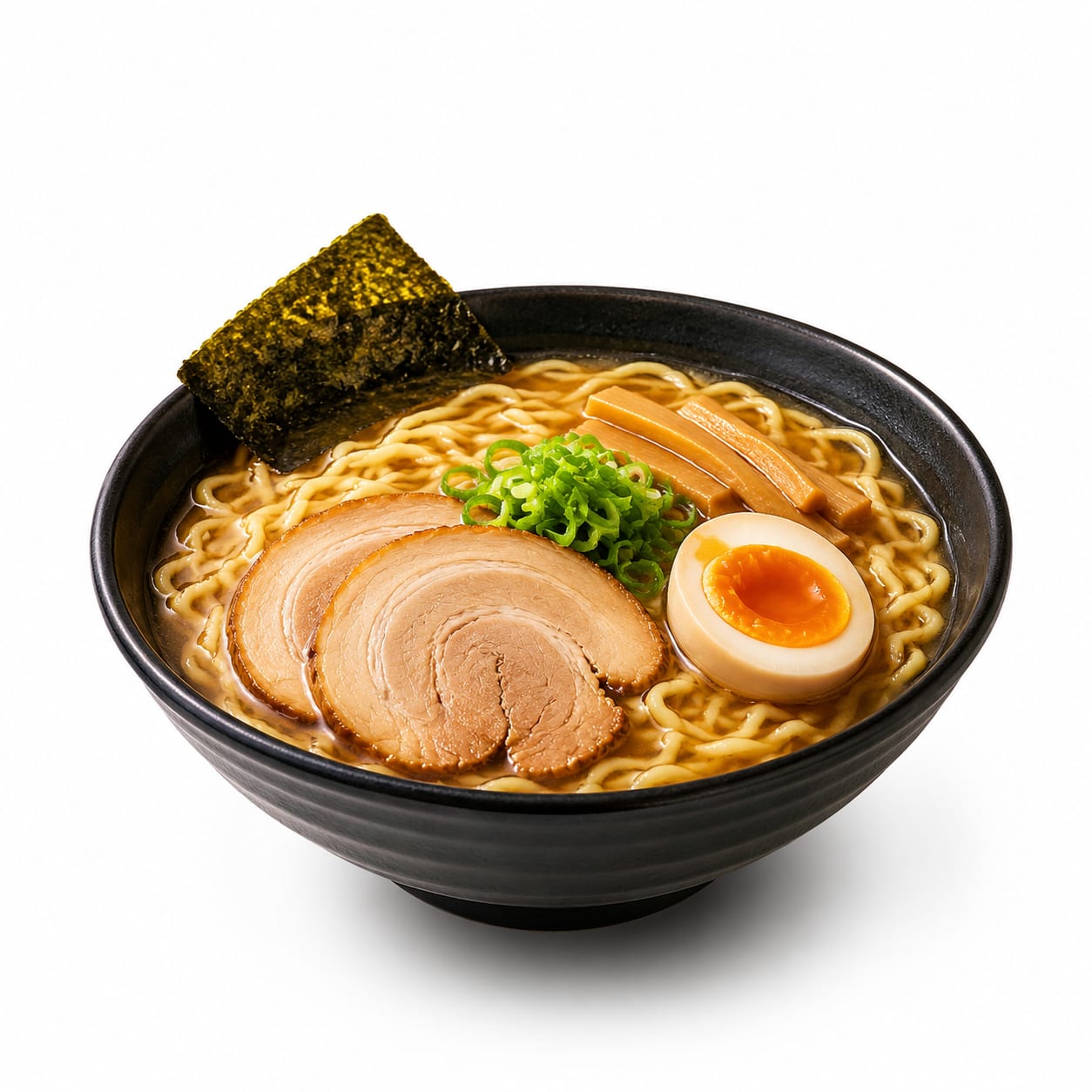
Ramen
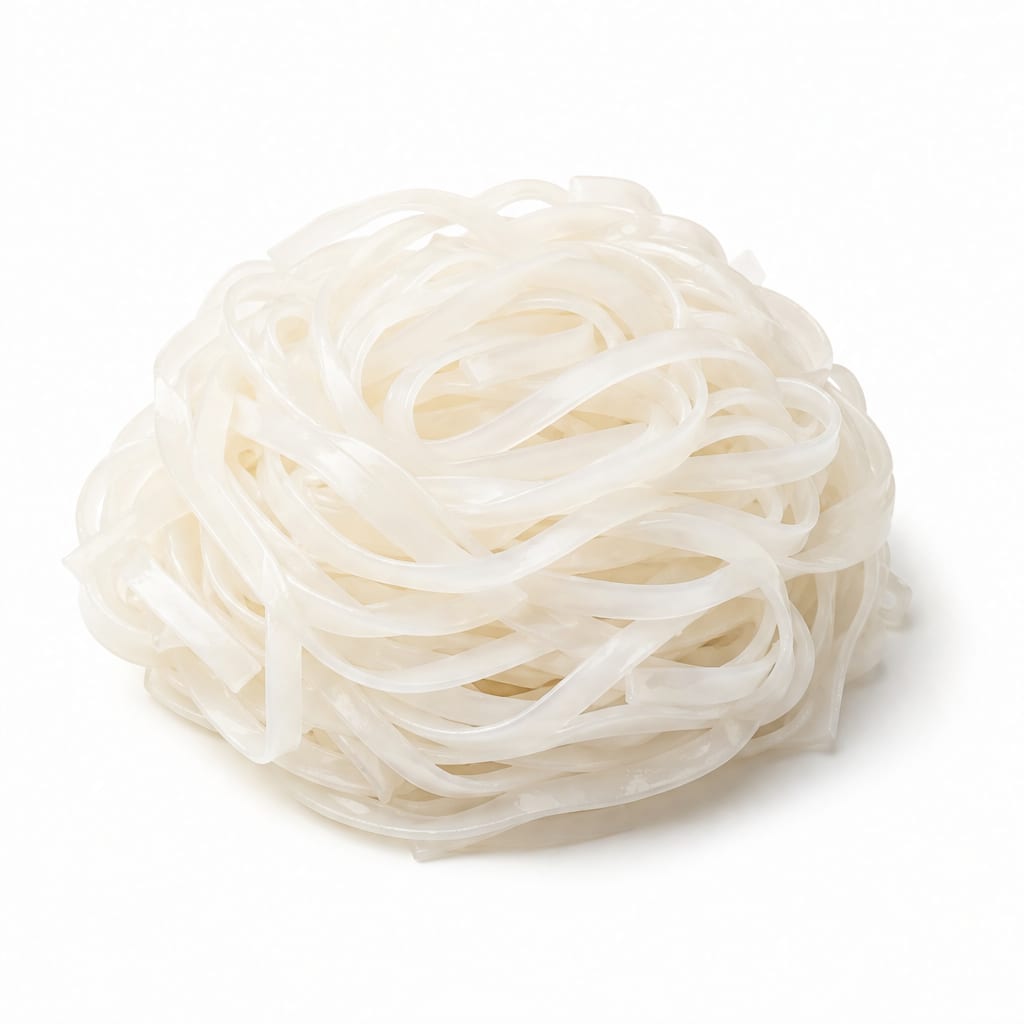
Rice Noodles
Rice noodles win on health and cleanliness, while ramen offers more comfort and flavor at a steep sodium cost.
Rice noodles score significantly higher due to minimal processing and zero inherent sodium, while ramen's extreme sodium load and ultra-processed nature heavily penalize its score.
Trading the intense savory comfort and speed of ramen for the cleaner, lighter, and lower-sodium profile of rice noodles.
At a glance
Executive summary
Overall
Rice Noodles
Healthier
Rice Noodles
More practical
Ramen
Daily use
Rice Noodles
Key comparison lenses
Sodium and cardiovascular impact
Instant ramen is notoriously high in sodium, while rice noodles contain zero inherent sodium, making this the most critical health differentiator.
Ultra-processing and additives
Ramen is an ultra-processed product with preservatives and flavor enhancers, whereas rice noodles are typically a two-ingredient whole food.
Digestive comfort and lightness
Rice noodles are gluten-free and easier on the stomach, while ramen's wheat and fried nature can feel heavy and cause bloating.
Convenience and comfort eating
Ramen is the ultimate quick comfort food, offering built-in flavor that rice noodles lack without added ingredients.
Blood sugar and satiety
Both are refined carbohydrate bases that spike blood sugar, requiring protein and fiber additions to create a balanced meal.
Best choice for
Ramen
- Quick comfort meals on exhausting days
- Tight budgets needing maximum flavor per dollar
- College students wanting fast hot food
Rice Noodles
- Gluten-free and wheat-free diets
- Low-sodium and heart-healthy meal plans
- Clean-eating and minimally processed routines
Least suitable for
Ramen
- People with hypertension or heart conditions
- Daily consumption routines
- Those avoiding ultra-processed foods
Rice Noodles
- High-protein diets without additions
- Those needing high satiety from a standalone bowl
- Flavor seekers who will not add their own seasonings
Deep comparison
Dimension by dimension
Each lens scores both foods and breaks down who each option suits.
- Dimension 1 · Priority 95Rice Noodles
Sodium and Heart Health
Ramen · 10Rice Noodles · 95Ramen packs a day's worth of sodium in one packet, whereas rice noodles are naturally sodium-free.
Tradeoff
You get intense, satisfying flavor from ramen's seasoning but risk bloating and high blood pressure.
Why it matters
High sodium intake is a leading driver of hypertension and cardiovascular issues.
Real-world impact
Eating ramen often leaves you thirsty and puffy the next day; rice noodles keep your fluid balance steady.
Ramen
- Quick flavor satisfaction
- Replenishing sodium after heavy sweating
Better for
- Heart health
- Staying within daily sodium limits
Worse for
Rice Noodles
- Keeping blood pressure stable
- Avoiding water retention and bloating
Better for
- Replacing electrolytes after intense exercise
Worse for
- Dimension 2 · Priority 90Rice Noodles
Processing and Additives
Ramen · 15Rice Noodles · 90Rice noodles are typically just rice flour and water, while instant ramen contains preservatives like TBHQ and flavor enhancers like MSG.
Tradeoff
Ramen offers a complex, engineered flavor profile, but at the cost of consuming industrial additives.
Why it matters
Frequent consumption of ultra-processed foods is linked to higher risks of obesity and metabolic disease.
Real-world impact
Rice noodles feel lighter and cleaner in the body; ramen can sometimes cause headaches or sluggishness in sensitive people.
Ramen
- Craving an intensely savory, umami-rich experience
Better for
- Minimizing chemical preservative intake
- Whole food diets
Worse for
Rice Noodles
- Clean eating routines
- Avoiding artificial ingredients
Better for
- Instant flavor without effort
Worse for
- Dimension 3 · Priority 80Rice Noodles
Digestive Comfort
Ramen · 40Rice Noodles · 85Rice noodles are gluten-free and easier to digest, while ramen's wheat and fried nature can feel heavy.
Tradeoff
Ramen is a comforting warm soup, but the wheat and fat can sit heavily in the stomach.
Why it matters
Digestive ease affects your energy and comfort hours after eating.
Real-world impact
Rice noodles are a safer bet before bed or for sensitive stomachs; ramen can trigger heartburn or bloating.
Ramen
- Feeling full and warmed up on a cold day
Better for
- Celiac disease or gluten intolerance
- Acid reflux
Worse for
Rice Noodles
- Sensitive stomachs
- Late-night eating without heartburn
Better for
- Those wanting a rich, heavy, comforting meal
Worse for
- Dimension 4 · Priority 75Ramen
Convenience and Comfort
Ramen · 90Rice Noodles · 60Ramen is ready in 3 minutes with built-in flavor, while rice noodles require adding your own broth and seasonings.
Tradeoff
You sacrifice nutritional quality for the ultimate lazy comfort meal.
Why it matters
When energy is low, the path of least resistance often wins.
Real-world impact
Ramen is a lifesaver on exhausting days; rice noodles require a bit more effort to taste good.
Ramen
- Busy students
- Minimal cooking equipment
- Zero-effort meals
Better for
- Those who want to control their sodium and additives
Worse for
Rice Noodles
- Customizable home cooking
- Controlling exactly what goes in your food
Better for
- Times when you literally have 5 minutes to cook and eat
Worse for
- Dimension 5 · Priority 70It depends
Blood Sugar and Satiety
Ramen · 45Rice Noodles · 45Both are carb-heavy with little protein or fiber, leading to quick energy spikes and crashes.
Tradeoff
Neither keeps you full for long unless you add protein and veggies.
Why it matters
Unstable blood sugar leads to afternoon crashes and cravings.
Real-world impact
You will be hungry again in two hours whether you eat ramen or rice noodles, unless you add chicken and vegetables.
Ramen
- Quick carb replenishment after a workout
Better for
- Sustained energy without a crash
Worse for
Rice Noodles
- A lighter base for a balanced meal
Better for
- Sustained energy without a crash
Worse for
Timeline
Health impact over time
Short-term
Hours to days
Ramen
- Immediate sodium bloat and water retention
- Quick energy spike followed by a crash
- Thirst and potential sluggishness
Rice Noodles
- Light feeling post-meal
- Quick digestion without heaviness
- Rapid hunger return if eaten plain
Long-term
Months to years
Ramen
- Increased risk of hypertension and cardiovascular strain
- Higher exposure to ultra-processed food risks
- Potential weight gain from calorie density and cravings
Rice Noodles
- Easier weight maintenance due to lower calorie density
- Better cardiovascular markers from low sodium
- Need to ensure adequate protein intake elsewhere
Risk profile
Safety & processing
Rice noodles are a clean, simple staple, while instant ramen is a highly engineered product designed for shelf life and hyper-palatability.
Ramen
High sodium toxicity
highA single package can contain 1500-2000mg of sodium, nearing or exceeding the daily limit.
Preservative sensitivities
mediumTBHQ and MSG can cause headaches or reactions in sensitive individuals.
Rice Noodles
Arsenic exposure
lowRice can contain trace amounts of arsenic, though rice noodles generally have less than whole grain rice.
Who wins for whom
Audience fit
Same foods, different winners depending on your goal.
children
Rice NoodlesRice noodles avoid the extreme sodium and artificial preservatives found in ramen, making them safer for developing bodies.
daily consumption
Rice NoodlesRice noodles are gentle enough for daily use, whereas daily ramen would severely damage cardiovascular health over time.
diabetes
It dependsBoth are high-glycemic refined carbs that spike blood sugar; portion control and fiber additions are mandatory for either.
elderly
Rice NoodlesLower sodium and easier digestion make rice noodles much safer for aging cardiovascular and digestive systems.
muscle gain
It dependsNeither is great for muscle gain alone, but both can serve as a carb base if paired with high-protein additions.
weight loss
Rice NoodlesRice noodles are lower in calories, sodium, and fat, making it easier to stay in a deficit without water retention.
Your move
Decision guide
Choose Ramen
- You need a 3-minute comfort meal after an exhausting day
- You are on a very tight budget and need cheap calories
- You crave the specific savory, salty flavor only instant ramen provides
Choose Rice Noodles
- You want a clean, light base for a homemade soup or stir-fry
- You are watching your blood pressure or sodium intake
- You have gluten sensitivity or prefer wheat-free foods
Either works if
- You need a quick carb source and plan to load it with veggies and lean protein
- You are eating for pure convenience and will balance the rest of your day
Avoid both if
- You are on a strict low-carb or keto diet
- You need a high-protein, standalone meal to stay full for hours
Final recommendation
Choose rice noodles as your everyday staple for a lighter, cleaner meal, and treat instant ramen as an occasional comfort food rather than a dietary staple.
Practical
Consumer tips
- 1
Drain ramen broth to cut sodium by half, or use only half the seasoning packet.
- 2
Add chicken, tofu, and vegetables to either noodle to fix the lack of protein and fiber.
- 3
Rinse rice noodles after cooking to remove surface starch and prevent them from turning into a sticky clump.
- 4
Look for air-dried ramen instead of fried ramen blocks to cut down on inflammatory oils.