
Nutrition comparison
Ramen vs Soba Noodles: Which Is Actually Healthier?
Compare ramen and soba noodles on nutrition, sodium, blood sugar impact, and processing. Find out which Japanese noodle is better for daily eating and weight management.
Overall winner · Soba Noodles
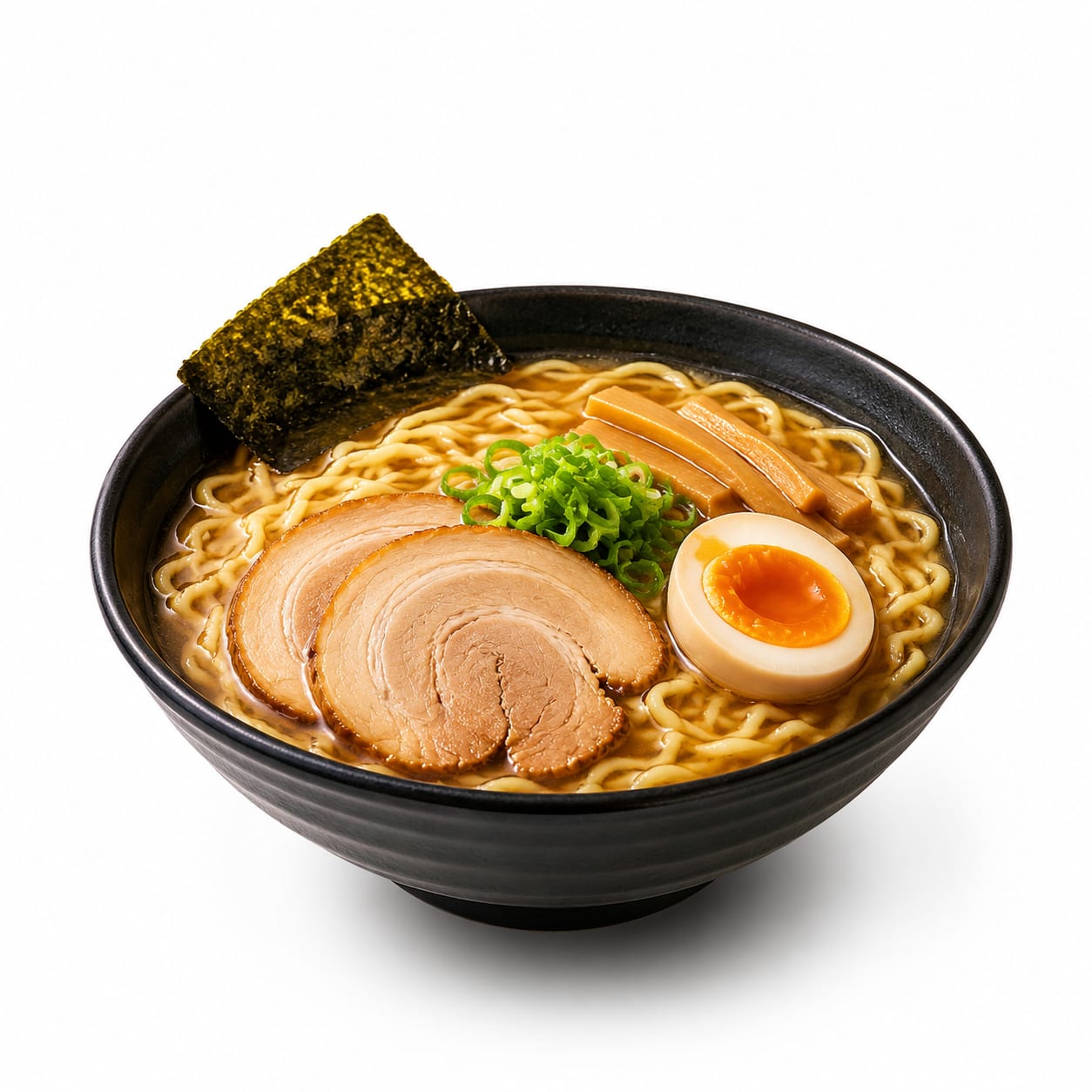
Ramen
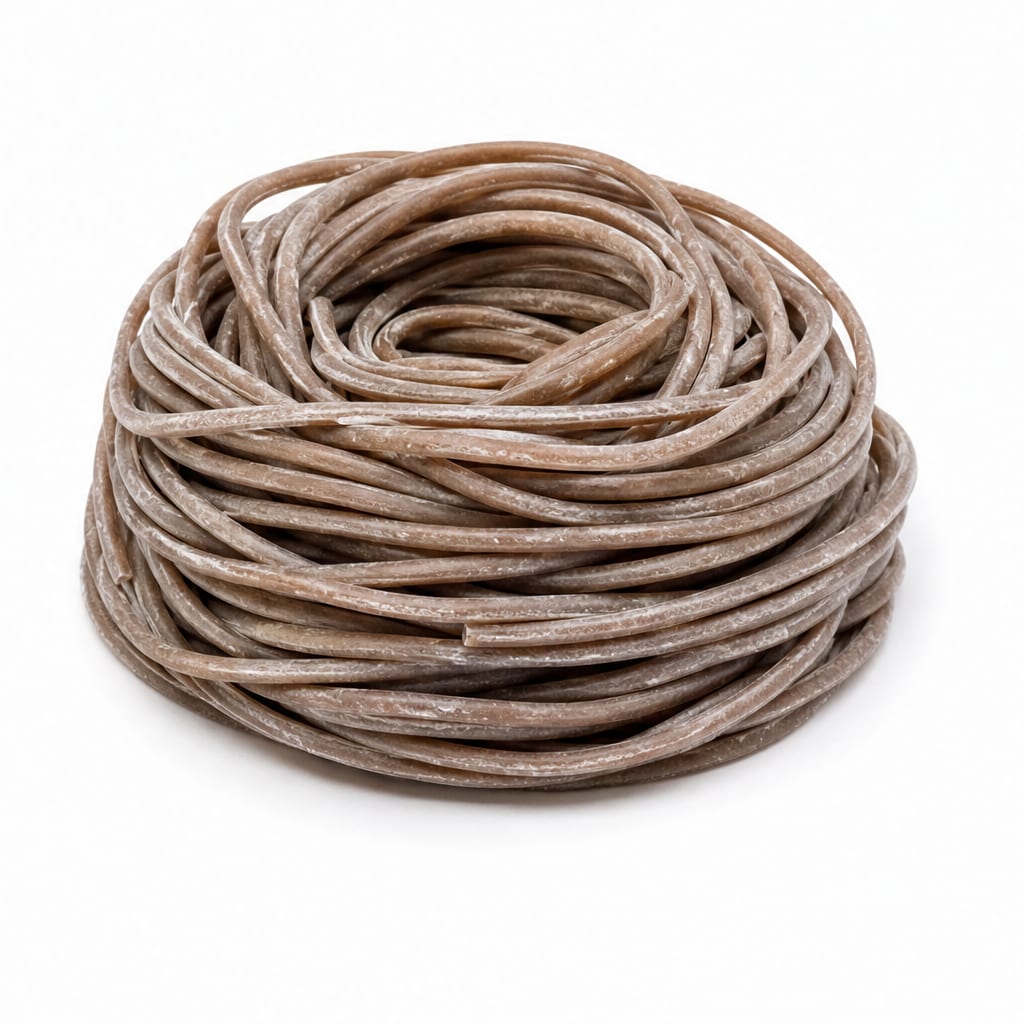
Soba Noodles
Soba noodles deliver better nutrition, steadier energy, and far less sodium than ramen, making them the smarter everyday choice.
Soba noodles score significantly higher due to superior fiber, protein, mineral content, and lower processing. Ramen's extreme sodium and ultra-processed nature drag its score down substantially despite being more convenient and comforting.
Ramen offers richer comfort and bolder flavor but costs you in sodium, blood sugar spikes, and long-term health risks. Soba sacrifices some indulgence for significantly better nutrition.
At a glance
Executive summary
Overall
Soba Noodles
Healthier
Soba Noodles
More practical
Ramen
Daily use
Soba Noodles
Key comparison lenses
everyday noodle choice for health-conscious eaters
Both are popular Japanese noodles but differ dramatically in nutritional quality and processing level
blood sugar and metabolic impact
Ramen's refined wheat and high sodium collide with metabolic health while soba offers steadier energy
sodium and cardiovascular risk
Ramen broth and seasoning packs deliver extreme sodium loads that soba preparations typically avoid
weight management and satiety
Soba's higher protein and fiber keep you fuller longer while ramen often leaves you hungry again quickly
ultra-processing concerns
Instant ramen is one of the most ultra-processed staple foods available while traditional soba is minimally processed
Best choice for
Ramen
- Quick comfort meals when you need something warm and satisfying fast
- Budget-conscious eating where cost per meal matters most
- Post-drinking recovery food when sodium and warmth help settle the stomach
Soba Noodles
- Regular everyday meals where long-term health matters
- Blood sugar management and sustained energy throughout the day
- Lighter meals that will not leave you feeling sluggish afterward
Least suitable for
Ramen
- Anyone managing hypertension or sodium-restricted diets
- Daily consumption as a dietary staple
- People concerned about ultra-processed food intake
Soba Noodles
- Moments when you crave rich, heavy comfort food specifically
- Situations requiring maximum calorie density for weight gain
Deep comparison
Dimension by dimension
Each lens scores both foods and breaks down who each option suits.
- Dimension 1 · Priority 95Soba Noodles
Nutritional Density
Ramen · 22Soba Noodles · 74Soba provides meaningful protein, fiber, and minerals while ramen is mostly empty refined carbohydrates with minimal nutritional payoff.
Tradeoff
Ramen fills you up cheaply but delivers almost nothing your body actually needs. Soba costs slightly more but pays you back in real nutrition.
Why it matters
Eating nutritionally empty staples day after day slowly depletes your body of what it needs to function well.
Real-world impact
A soba meal leaves you feeling genuinely nourished. A ramen meal often leaves you full but somehow still unsatisfied an hour later.
Ramen
- Pure calorie delivery on a tight budget
Better for
- Providing virtually any micronutrients
- Contributing meaningful protein or fiber
Worse for
Soba Noodles
- Getting protein and fiber from a noodle base
- Mineral intake including manganese and magnesium
- Meals that actually contribute to daily nutrition needs
Better for
- Matching the sheer calorie-per-dollar ratio of instant ramen
Worse for
- Dimension 2 · Priority 92Soba Noodles
Sodium Load
Ramen · 12Soba Noodles · 68A single bowl of ramen can deliver 1500-2500mg of sodium. Soba preparations typically contain a third of that or less.
Tradeoff
Ramen's intense savory flavor comes directly from its salt bomb. Soba's milder taste means far less sodium but requires other seasonings for excitement.
Why it matters
Consistently high sodium intake drives up blood pressure and cardiovascular risk even if you feel fine now.
Real-world impact
Eating ramen regularly can easily push you past daily sodium limits by itself. Soba keeps you well within safe range even with seasoned dipping sauce.
Ramen
- Sodium cravings after intense sweating or illness
Better for
- Anyone watching sodium for any reason
- People prone to bloating
Worse for
Soba Noodles
- Blood pressure management
- Reducing bloating and water retention
- Long-term heart health
Better for
- Situations where extra sodium is actually needed
Worse for
- Dimension 3 · Priority 88Soba Noodles
Blood Sugar Stability
Ramen · 25Soba Noodles · 70Ramen's refined wheat spikes blood sugar fast. Soba's buckwheat digests slower and provides steadier energy.
Tradeoff
Ramen gives you a quick carb rush that feels energizing momentarily. Soba gives you less dramatic but longer-lasting fuel.
Why it matters
Blood sugar roller coasters drive cravings, fatigue, and eventually insulin resistance.
Real-world impact
After ramen you may feel sleepy or hungry again within 90 minutes. After soba you stay satisfied and alert for hours.
Ramen
- Quick energy before intense short-duration activity
Better for
- Anyone with insulin sensitivity concerns
- People prone to energy crashes after meals
Worse for
Soba Noodles
- Avoiding afternoon energy crashes
- Managing prediabetes or diabetes
- Sustained focus through long work sessions
Better for
- Immediate post-workout glycogen replenishment where fast carbs help
Worse for
- Dimension 4 · Priority 82Soba Noodles
Processing and Additives
Ramen · 18Soba Noodles · 78Instant ramen is ultra-processed with preservatives, flavor enhancers, and often dehydrated oils. Traditional soba is just buckwheat flour, wheat flour, and water.
Tradeoff
Ramen's long shelf life and instant preparation come from heavy processing. Soba requires more cooking effort but contains almost nothing artificial.
Why it matters
Ultra-processed foods are linked to obesity, gut issues, and chronic disease independent of their calorie content.
Real-world impact
You can pronounce every ingredient in traditional soba. Instant ramen packets contain ingredients that belong in a chemistry lab, not a kitchen.
Ramen
- Emergency food storage with months of shelf life
- Situations with zero cooking infrastructure
Better for
- Anyone reducing ultra-processed food intake
- People sensitive to MSG or artificial additives
Worse for
Soba Noodles
- Clean eating goals
- Avoiding artificial preservatives and flavor enhancers
- Gut health and microbiome support
Better for
- Long-term pantry storage without refrigeration
Worse for
- Dimension 5 · Priority 78Soba Noodles
Satiety and Fullness
Ramen · 38Soba Noodles · 72Soba's protein and fiber create lasting fullness. Ramen's refined carbs and broth digest quickly, leaving you hungry again soon.
Tradeoff
Ramen feels immediately filling from volume and salt but that fullness fades fast. Soba builds quieter but more durable satisfaction.
Why it matters
Foods that fail to keep you full lead to snacking and overeating later in the day.
Real-world impact
Ramen for lunch often means reaching for snacks by 3pm. Soba for lunch carries you comfortably to dinner.
Ramen
- Immediate heavy fullness when you feel very hungry
Better for
- Sustained energy between meals
- Controlling late-day cravings
Worse for
Soba Noodles
- Weight management through natural portion control
- Avoiding between-meal snacking
- Long workdays without food breaks
Better for
- Moments when you want to feel completely stuffed
Worse for
- Dimension 6 · Priority 72Ramen
Convenience and Practicality
Ramen · 88Soba Noodles · 55Instant ramen is ready in 3 minutes with just hot water. Soba requires actual boiling, draining, and separate sauce preparation.
Tradeoff
Ramen trades all nutritional quality for speed and convenience. Soba demands more effort but rewards you with a real meal.
Why it matters
When you are exhausted or busy, convenience often wins over nutrition regardless of intentions.
Real-world impact
At midnight after a long day, ramen takes zero thought. Soba requires enough effort that you might just skip eating instead.
Ramen
- Late-night meals when energy is low
- Dorm rooms and offices with minimal cooking access
- Emergency meals when time is critical
Better for
- Anyone trying to cook real meals regularly
Worse for
Soba Noodles
- Planned meals where cooking is part of the routine
- Meals you want to feel good about afterward
Better for
- Quick lunch breaks
- Low-energy cooking situations
Worse for
Timeline
Health impact over time
Short-term
Hours to days
Ramen
- Rapid blood sugar spike followed by energy crash within 1-2 hours
- Significant bloating and water retention from sodium load
- Thirst and continued salt cravings after eating
Soba Noodles
- Steady energy without the post-meal crash
- Light comfortable fullness without heaviness
- Minimal bloating or thirst after eating
Long-term
Months to years
Ramen
- Increased risk of hypertension and cardiovascular disease from chronic high sodium intake
- Higher likelihood of metabolic syndrome from regular refined carb consumption
- Potential gut microbiome disruption from preservatives and emulsifiers
Soba Noodles
- Better blood pressure and cardiovascular markers from lower sodium habits
- Improved insulin sensitivity from buckwheat's slower-digesting carbohydrates
- Antioxidant benefits from rutin in buckwheat supporting vascular health
Risk profile
Safety & processing
Instant ramen is one of the most ultra-processed foods people eat regularly, loaded with preservatives, flavor enhancers, and dehydrated fats. Traditional soba contains just buckwheat flour, wheat flour, and water. The processing gap between these two is enormous and accounts for much of the health difference.
Ramen
High sodium health risk
highA single serving can contain 60-100% of daily sodium limits, posing immediate cardiovascular strain with regular consumption.
MSG sensitivity reactions
mediumFlavor packets often contain monosodium glutamate which triggers headaches and flushing in sensitive individuals.
Acrylamide exposure
lowFried instant ramen noodles may contain acrylamide formed during high-temperature processing, a probable carcinogen at high doses.
Soba Noodles
Buckwheat allergy
mediumBuckwheat is a relatively common allergen that can cause severe reactions in sensitive people, especially in Asian populations.
Cross-contamination with wheat gluten
lowMany commercial soba noodles blend wheat flour with buckwheat, making them unsafe for those with celiac disease unless certified 100% buckwheat.
Who wins for whom
Audience fit
Same foods, different winners depending on your goal.
children
Soba NoodlesSoba provides actual nutrition for growing bodies. Ramen's extreme sodium and additives are especially concerning for children's developing cardiovascular systems.
daily consumption
Soba NoodlesSoba can serve as a healthy daily staple. Regular ramen consumption would deliver dangerous sodium levels and negligible nutrition over time.
diabetes
Soba NoodlesBuckwheat's lower glycemic index and higher fiber create much gentler blood sugar responses compared to ramen's refined wheat spike.
elderly
Soba NoodlesOlder adults need nutrient-dense foods and must manage sodium carefully. Soba supports both goals while ramen undermines them.
muscle gain
It dependsNeither is ideal for muscle gain alone. Ramen provides fast carbs post-workout but soba offers better protein quality. Both need added protein sources.
weight loss
Soba NoodlesSoba's higher protein and fiber create lasting fullness with fewer calories per satisfying serving, reducing overall daily intake naturally.
Your move
Decision guide
Choose Ramen
- You need the cheapest possible meal right now
- Comfort food is the priority and health is secondary today
- You are recovering from illness and need easy warm sodium
- Cooking infrastructure is limited to hot water
Choose Soba Noodles
- You eat noodles more than once a week
- Steady energy and avoiding afternoon crashes matters to you
- You are watching blood pressure, blood sugar, or weight
- You want to feel good about what you ate an hour later
Either works if
- You are adding lots of vegetables and protein to make a complete meal
- You mix up your grain sources throughout the week anyway
Avoid both if
- You have celiac disease or gluten intolerance and cannot find 100% buckwheat soba
- You are on a strict very-low-carb diet
Final recommendation
Make soba your everyday noodle and treat ramen as an occasional comfort food. If you love ramen, enjoy it weekly rather than daily, and consider making homemade ramen with real broth to cut the sodium and processing dramatically. The health gap between these two is too large to ignore if noodles are a regular part of your diet.
Practical
Consumer tips
- 1
Look for 100% buckwheat soba (juwari soba) to maximize nutrition and avoid wheat entirely
- 2
If cooking ramen, use only half the seasoning packet and add your own miso or soy sauce to control sodium
- 3
Throw vegetables and a soft-boiled egg into either noodle to make it an actual meal
- 4
Drain ramen broth before eating to cut sodium by 40-50%
- 5
Fresh ramen noodles from the refrigerated section are less processed than instant and taste significantly better
- 6
Cold soba with dipping sauce (zaru soba) is lighter and lower in sodium than hot broth versions
- 7
Check soba ingredient lists since many commercial brands are mostly wheat with minimal buckwheat