
Nutrition comparison
Ramen vs Pho: Which Soup is Healthier?
Compare Ramen vs Pho to see which Asian noodle soup is better for weight loss, digestion, and daily eating. Learn the sodium and calorie tradeoffs.
Overall winner · Pho
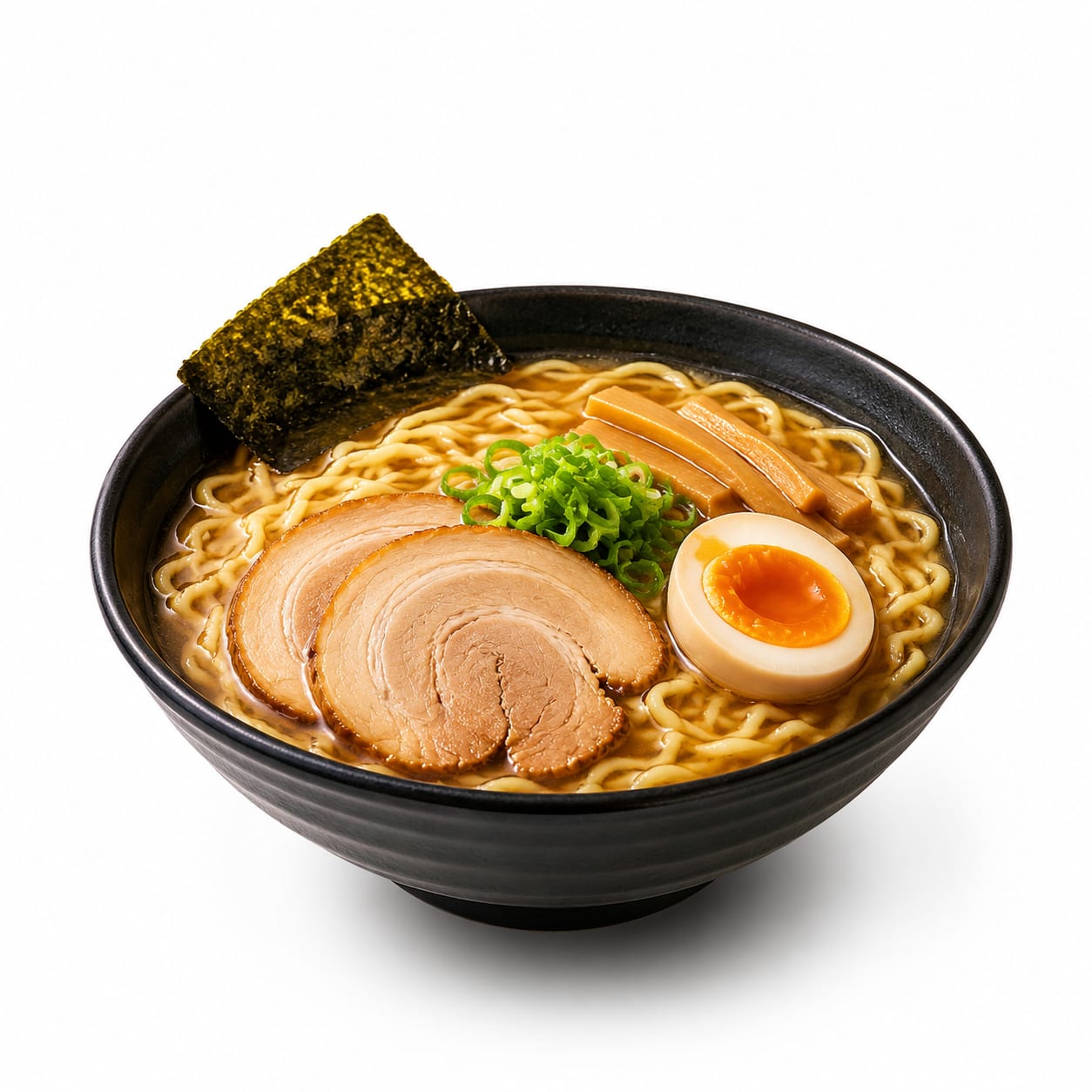
Ramen
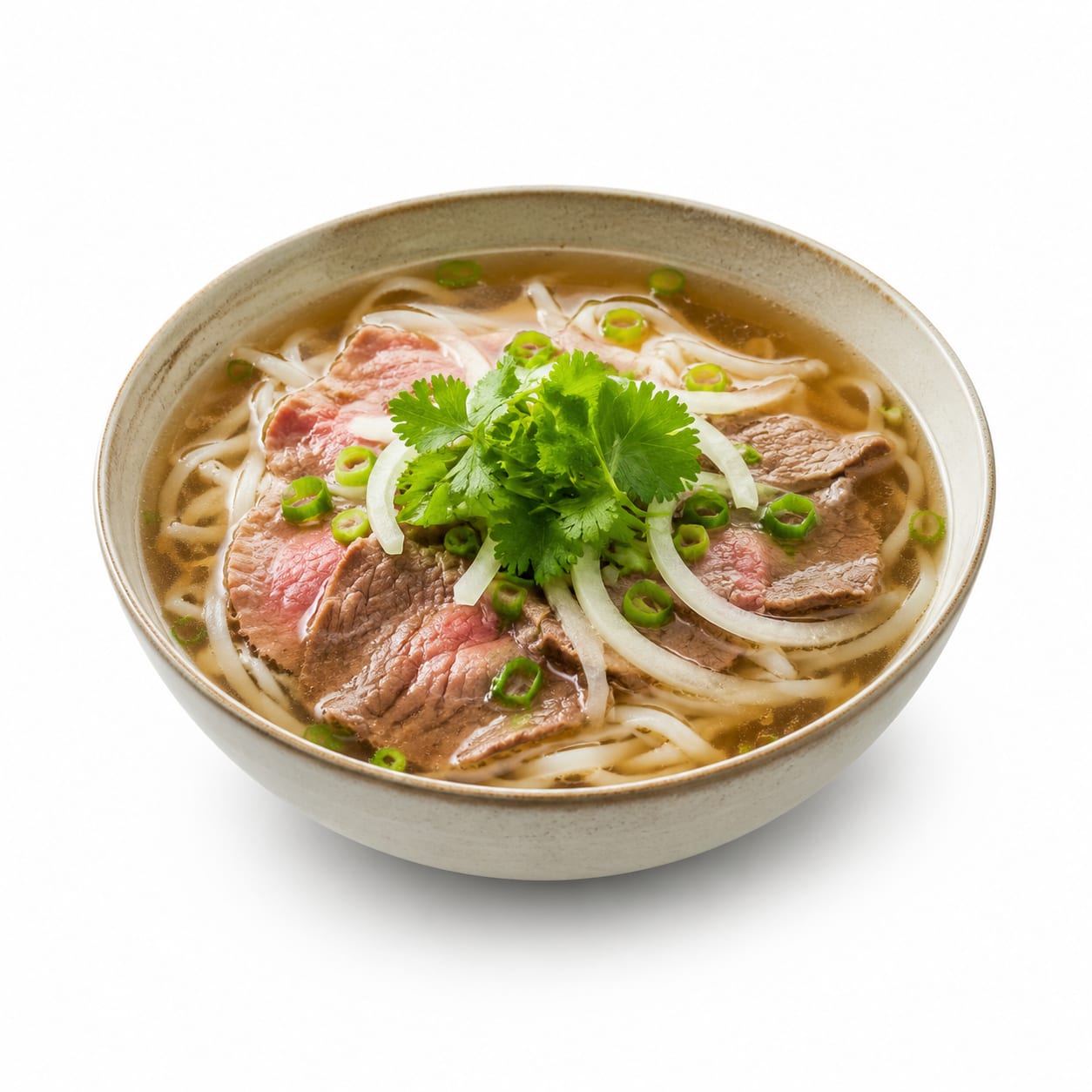
Pho
Pho is the lighter, lower-sodium choice that you can eat more often, while Ramen is a richer, heavier comfort meal best enjoyed occasionally.
Pho scores significantly higher due to its lighter broth, lower sodium, and fresh ingredients. Ramen loses points for extreme sodium levels and heavy calorie density, making it a less sustainable everyday choice.
Intense savory comfort and fullness from Ramen versus the clean, digestible nourishment of Pho.
At a glance
Executive summary
Overall
Pho
Healthier
Pho
More practical
It depends
Daily use
Pho
Key comparison lenses
Sodium and heart health impact
Ramen broths are notoriously high in sodium, while Pho is generally much lighter and lower in salt.
Digestibility and heaviness
Ramen is often rich and heavy, whereas Pho is known for being light and easy on the stomach.
Processing and naturalness of ingredients
Ramen frequently uses processed toppings and heavy seasoning pastes, while Pho relies on fresh herbs and simpler broths.
Best choice for
Ramen
- Cold weather comfort eating
- When you need a very filling, calorie-dense meal
- Intense savory flavor cravings
Pho
- Light lunch that will not cause an afternoon crash
- Post-illness recovery and gentle nourishment
- Managing blood pressure and sodium intake
Least suitable for
Ramen
- People with high blood pressure
- Those prone to bloating or water retention
- Light daily lunch breaks
Pho
- Those needing massive calorie intake for muscle gain
- People wanting a heavy, ultra-rich comfort meal
Deep comparison
Dimension by dimension
Each lens scores both foods and breaks down who each option suits.
- Dimension 1 · Priority 95Pho
Sodium & Heart Health
Ramen · 20Pho · 75Ramen broths can pack a day's worth of sodium in one bowl, while Pho keeps salt levels much more manageable.
Tradeoff
You get an incredibly savory, umami-rich broth with Ramen, but at the cost of a massive sodium hit that can spike blood pressure.
Why it matters
High sodium intake leads to water retention, bloating, and long-term cardiovascular strain.
Real-world impact
Eating Ramen often leaves you parched and bloated for hours, whereas Pho feels refreshing and hydrating.
Ramen
- Intense umami flavor satisfaction
Better for
- Risk of exceeding daily sodium limits in one meal
Worse for
Pho
- Avoiding the post-meal thirst and puffiness
- Long-term blood pressure management
Better for
- Flavor might feel too subtle for heavy savory cravings
Worse for
- Dimension 2 · Priority 90Pho
Digestibility & Heaviness
Ramen · 35Pho · 85Pho is famously gentle on the stomach, while Ramen sits heavy and takes longer to digest.
Tradeoff
Ramen provides a deeply comforting, heavy fullness, but it can easily trigger a food coma or sluggishness.
Why it matters
A meal that digests easily keeps your energy steady, while a heavy meal can ruin productivity for hours.
Real-world impact
Pho is a safe bet before a busy afternoon; Ramen is better saved for a lazy evening when you want to unbutton your pants and relax.
Ramen
- Feeling deeply stuffed and satisfied
- Cold-weather warmth and heaviness
Better for
- High likelihood of bloating and sluggishness
Worse for
Pho
- Avoiding the afternoon energy crash
- Upset stomachs or recovery from illness
Better for
- Might not feel filling enough for very active, high-calorie days
Worse for
- Dimension 3 · Priority 85Pho
Ingredient Naturalness & Processing
Ramen · 40Pho · 80Pho relies on clear bone broth, rice noodles, and fresh herbs. Ramen often uses highly processed wheat noodles, fatty pork, and heavy seasoning pastes.
Tradeoff
Ramen delivers complex, engineered flavor profiles, but relies on more processed components and additives.
Why it matters
More natural ingredients mean fewer preservatives and artificial flavor enhancers disrupting your digestion.
Real-world impact
Pho feels clean and refreshing to eat; Ramen can leave a heavy, greasy residue in your mouth and stomach.
Ramen
- Complex, layered flavor experiences
Better for
- Higher intake of saturated fats and potential MSG sensitivity triggers
Worse for
Pho
- Cleaner ingredient lists
- Fresh herb benefits like cilantro and basil
Better for
- Rice noodles can be simple and less texturally exciting than springy ramen wheat noodles
Worse for
- Dimension 4 · Priority 80Ramen
Satiety & Comfort
Ramen · 90Pho · 70Ramen is a heavyweight champion of fullness and emotional comfort, while Pho offers a lighter kind of satisfaction.
Tradeoff
You trade physical lightness for a much more intense, comforting, and heavy fullness.
Why it matters
When you are truly starving or emotionally drained, a heavy meal can feel much more rewarding.
Real-world impact
After a terrible day, a rich bowl of Ramen feels like a warm hug; Pho is more like a refreshing shower.
Ramen
- Extreme hunger days
- Emotional comfort eating
Better for
- Overeating because the rich fat and salt make it hard to stop
Worse for
Pho
- Staying comfortable and light on your feet
Better for
- Might need a snack later if you are very active
Worse for
Timeline
Health impact over time
Short-term
Hours to days
Ramen
- Immediate bloating and water retention from sodium
- Heavy food coma and sluggishness
- Intense thirst after eating
Pho
- Gentle, steady energy without a crash
- Hydrating and easy to digest
- Refreshing and light feeling
Long-term
Months to years
Ramen
- Increased risk of high blood pressure if eaten frequently
- Higher saturated fat intake impacting heart health
- Potential weight gain from calorie density
Pho
- Easier weight management due to lower calorie density
- Better cardiovascular markers from lower sodium
- Sustained digestive comfort
Risk profile
Safety & processing
Ramen relies on processed wheat noodles, flavor pastes, and cured meats, while Pho uses simple rice noodles, fresh herbs, and clear simmered broths.
Ramen
High sodium overload
highA single bowl can easily exceed 2000mg of sodium, straining kidneys and blood pressure.
Processed meat concerns
mediumToppings like chashu pork and cured bamboo shoots carry higher levels of preservatives and nitrates.
Pho
Raw herb contamination
lowThe fresh garnishes like bean sprouts and herbs can harbor bacteria if not washed properly.
MSG sensitivity
lowSome restaurants add MSG, which can cause mild headaches in sensitive individuals, though it is generally recognized as safe.
Who wins for whom
Audience fit
Same foods, different winners depending on your goal.
children
PhoPho is easier for small stomachs to digest and has far less sodium, which is crucial for kids' health.
daily consumption
PhoYou can eat Pho multiple times a week without wrecking your blood pressure or energy levels; Ramen is too heavy and salty for daily use.
diabetes
PhoPho's rice noodles and lower fat content create a gentler blood sugar response compared to Ramen's dense, high-fat, high-carb load.
elderly
PhoLower sodium and easier digestion make Pho much safer and more comfortable for aging digestive and cardiovascular systems.
muscle gain
RamenRamen provides more calories, fat, and often more protein from pork, making it easier to hit high calorie and macro needs.
weight loss
PhoPho is much lower in calories and fat, making it easier to fit into a calorie deficit without feeling deprived.
Your move
Decision guide
Choose Ramen
- You need a massive, comforting meal after an exhausting day
- You are trying to bulk up and need calorie-dense food
- It is freezing outside and you want the heaviest, warmest bowl possible
Choose Pho
- You want a satisfying meal that will not put you in a food coma
- You are watching your sodium or blood pressure
- You need something gentle on the stomach or hydrating
Either works if
- You just want a hot, savory soup to warm up
- You are dining out with friends and both options are available
Avoid both if
- You have a severe gluten intolerance (Ramen has wheat, some Pho broths use soy sauce)
- You are on a strict low-carb or ketogenic diet
Final recommendation
Make Pho your regular go-to for warm, nourishing meals, and save Ramen for occasional comfort indulgences when only the richest, heaviest bowl will do.
Practical
Consumer tips
- 1
Ask for low-sodium broth at Pho restaurants if available to make it even healthier.
- 2
Drink extra water after eating Ramen to help flush the excess sodium and reduce bloating.
- 3
Load up on Pho's fresh herbs and sprouts—they add fiber and vitamins without extra calories.
- 4
If ordering Ramen, skip drinking the broth at the bottom of the bowl to cut your sodium intake in half.