
Nutrition comparison
Ramen vs Shirataki Noodles: Which Is Healthier for Weight Loss and Daily Eating?
Compare ramen and shirataki noodles on calories, sodium, blood sugar impact, and satiety. Find out which noodle is better for weight loss, diabetes, and everyday meals.
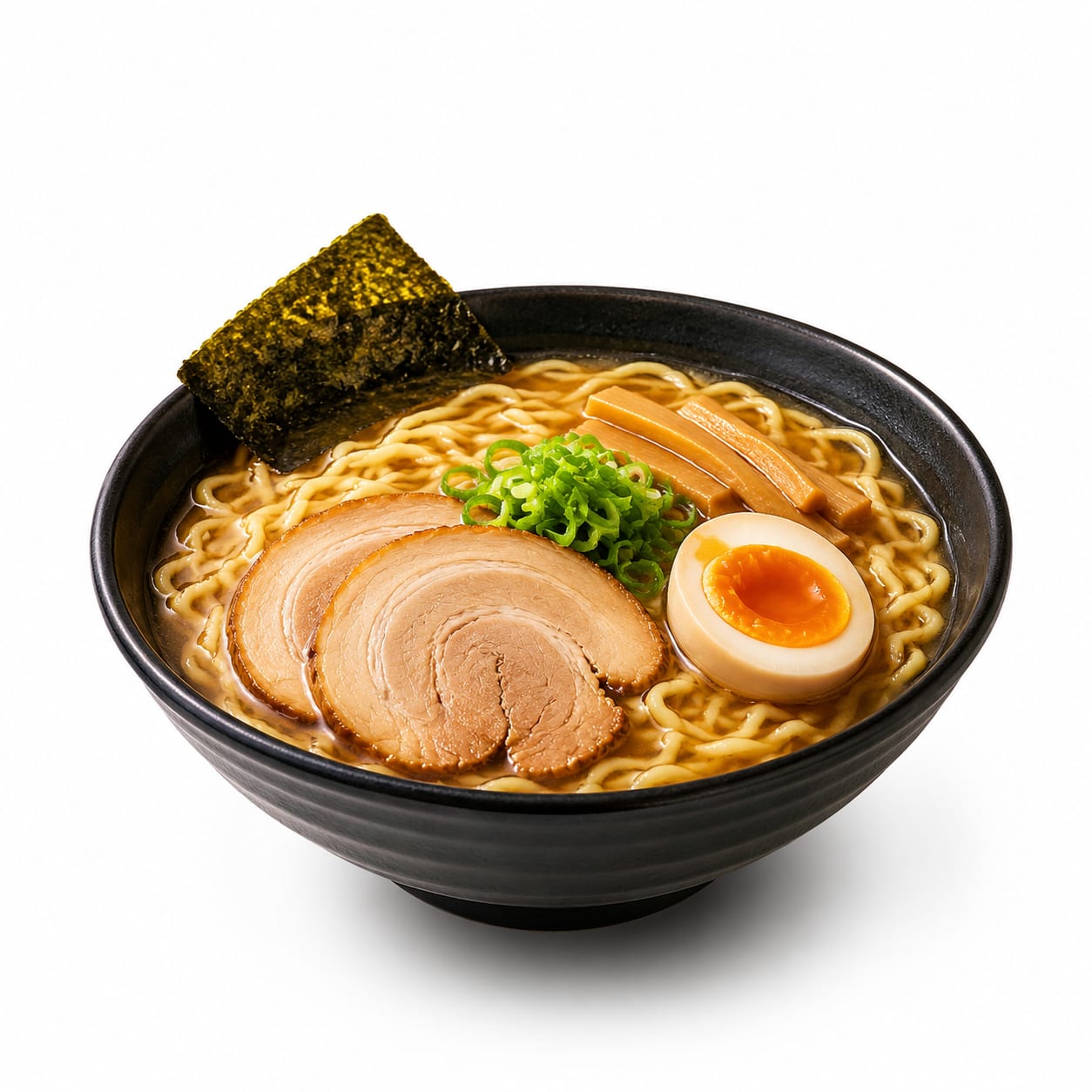
Ramen
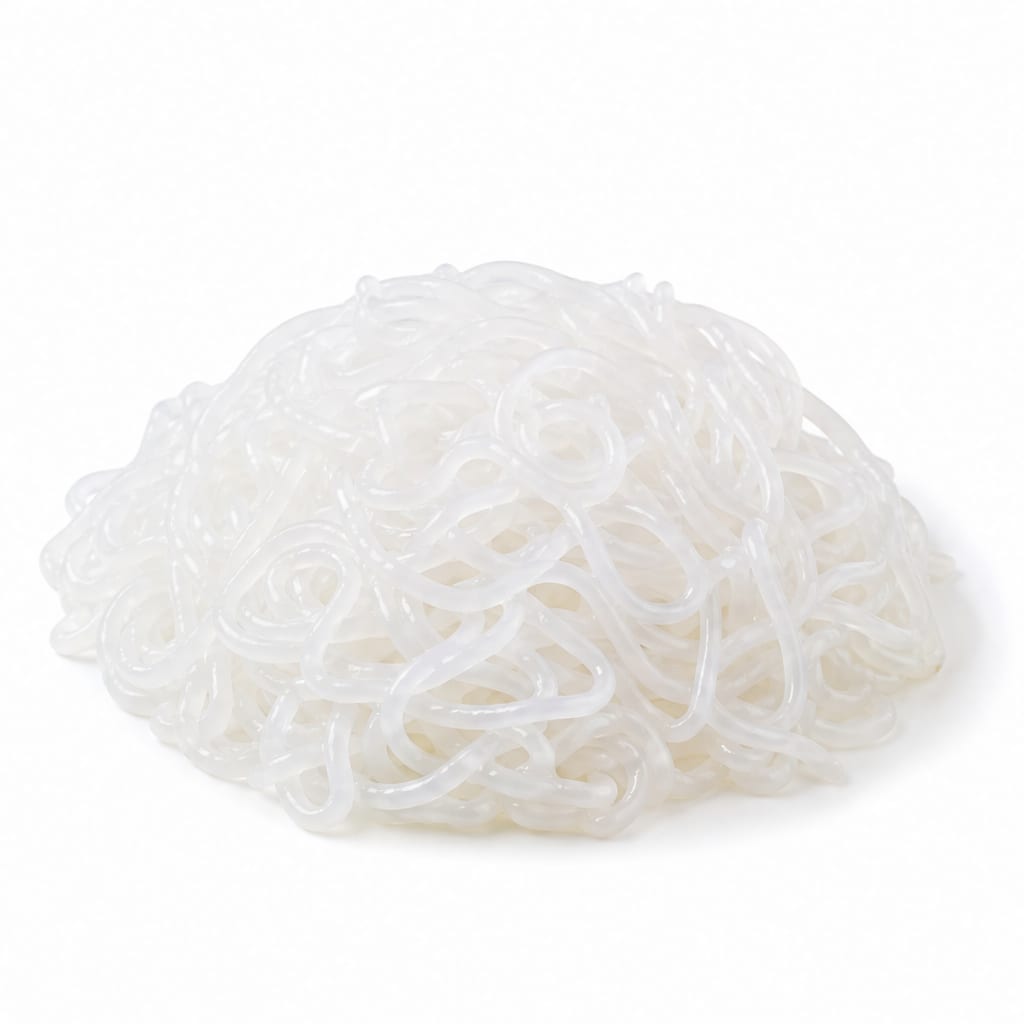
Shirataki Noodles
Ramen feeds your soul but punishes your body; shirataki noodles protect your waistline but leave you hungry and unsatisfied.
Shirataki noodles win decisively on health metrics, but the gap narrows when satisfaction and practicality matter. Ramen scores low because its extreme sodium, refined carbs, and ultra-processing create real metabolic damage with regular consumption. Shirataki loses points for poor satiety and digestive issues that make it hard to rely on alone.
Taste and satisfaction versus calories and metabolic health — these two noodles sit at opposite extremes with almost no middle ground.
At a glance
Executive summary
Overall
It depends
Healthier
Shirataki Noodles
More practical
Ramen
Daily use
Shirataki Noodles
Key comparison lenses
weight loss carb reduction
Shirataki noodles are famous for near-zero calories, making this the most likely reason someone is comparing these two
blood sugar management
Ramen spikes blood sugar hard while shirataki barely registers, a critical difference for diabetics and metabolic health
comfort food vs diet food tradeoff
Ramen is deeply satisfying comfort food; shirataki is the opposite, and users need to understand that emotional eating gap
sodium and heart health
Instant ramen packs extreme sodium levels that directly threaten cardiovascular health over time
practical meal replacement
Both are quick noodle meals but deliver radically different nutritional outcomes for everyday eating
Best choice for
Ramen
- People needing quick, cheap comfort meals after exhausting days
- Anyone struggling to eat enough calories or maintain weight
- Budget-conscious students who prioritize filling meals over nutrition
- Cold weather cravings for something warm and deeply savory
Shirataki Noodles
- Anyone actively losing weight who needs low-calorie volume eating
- People with diabetes or insulin resistance managing blood sugar
- Low-carb and keto dieters wanting noodle texture without carbs
- Those reducing sodium for blood pressure management
Least suitable for
Ramen
- People with hypertension or sodium-sensitive conditions
- Anyone managing diabetes or metabolic syndrome
- Those trying to lose weight or reduce processed food intake
- Daily eaters concerned about long-term heart health
Shirataki Noodles
- People with sensitive digestion or IBS who react to fermentable fibers
- Anyone needing satisfying meals that prevent later binge eating
- Children who need calorie-dense, nutrient-rich foods for growth
- Those seeking flavorful meals without extra cooking effort
Deep comparison
Dimension by dimension
Each lens scores both foods and breaks down who each option suits.
- Dimension 1 · Priority 95Shirataki Noodles
Calorie Density and Weight Management
Ramen · 15Shirataki Noodles · 95Shirataki noodles contain roughly 10-20 calories per serving compared to ramen's 380-500 calories. This is the most lopsided comparison in the entire food world.
Tradeoff
You save hundreds of calories with shirataki but may feel so unsatisfied that you overeat later, negating the benefit.
Why it matters
For weight loss, calorie density is the single biggest lever. Shirataki lets you eat a large bowl of noodles for fewer calories than an apple.
Real-world impact
A nightly ramen habit can add 15-25 pounds per year. Switching to shirataki removes that entire calorie load, but only if you do not compensate with extra snacking.
Ramen
- Underweight individuals needing easy calories
- Athletes in bulking phases who want cheap energy
- Hikers and manual laborers burning thousands of calories daily
Better for
- Anyone trying to lose or even maintain weight
- People who tend to eat late at night before bed
Worse for
Shirataki Noodles
- Anyone in a calorie deficit wanting volume without cost
- People tracking macros who need to save calories for protein elsewhere
- Night eaters who want a big bowl of something without weight gain
Better for
- People who feel deprived on low-calorie meals and binge later
- Anyone already struggling to eat enough calories daily
Worse for
- Dimension 2 · Priority 88Shirataki Noodles
Blood Sugar Stability
Ramen · 12Shirataki Noodles · 92Ramen's refined wheat noodles and starches cause rapid blood sugar spikes. Shirataki's glucomannan fiber actually slows glucose absorption from other foods.
Tradeoff
Shirataki stabilizes blood sugar beautifully but provides zero usable energy. Ramen gives quick energy followed by a crash that triggers cravings.
Why it matters
Blood sugar roller coasters drive hunger, fatigue, and long-term insulin resistance. This difference alone makes shirataki the clear choice for metabolic health.
Real-world impact
Eating ramen at lunch often means an energy crash by 2pm and intense hunger by 4pm. Shirataki with protein and vegetables keeps energy steady all afternoon.
Ramen
- Athletes immediately post-workout who need rapid glycogen replenishment
- Someone experiencing hypoglycemia who needs quick glucose
Better for
- Diabetics who cannot afford blood sugar spikes
- People prone to reactive hypoglycemia
- Anyone trying to break the cycle of carb cravings
Worse for
Shirataki Noodles
- People with type 2 diabetes or prediabetes
- Anyone with insulin resistance or PCOS
- Those who experience afternoon energy crashes after carb-heavy meals
Better for
- Endurance athletes mid-event who need actual usable carbohydrate energy
Worse for
- Dimension 3 · Priority 85Ramen
Satiety and Satisfaction
Ramen · 72Shirataki Noodles · 30Ramen delivers rich umami flavor, warming broth, and dense carbs that feel deeply satisfying. Shirataki noodles are essentially flavorless and lack the mouthfeel that makes noodles comforting.
Tradeoff
Ramen satisfies in the moment but leaves you hungry again soon due to refined carbs. Shirataki never truly satisfies but does not trigger cravings the same way.
Why it matters
Satiety determines whether a meal actually holds you over or just starts a snacking cascade. The best healthy food is one you can stick with.
Real-world impact
Many people eat shirataki for dinner and find themselves raiding the pantry an hour later. Ramen feels like a real meal but the crash that follows can trigger more eating too.
Ramen
- Emotional eaters who need meals that feel genuinely comforting
- People transitioning from junk food who need satisfying replacements
- Cold evenings when only something rich and warm will hit the spot
Better for
- People whose cravings spiral after eating refined carbs
- Anyone who cannot stop at one serving of a hyper-palatable food
Worse for
Shirataki Noodles
- Volume eaters who feel psychologically satisfied by large portions
- People who pair shirataki with rich sauces and proteins for a complete meal
Better for
- People who feel constantly deprived on diet foods
- Anyone who eats primarily for pleasure and comfort
Worse for
- Dimension 4 · Priority 82Shirataki Noodles
Sodium and Heart Health
Ramen · 8Shirataki Noodles · 88A single package of instant ramen contains 1,500-2,300mg of sodium — nearly an entire day's worth. Shirataki noodles contain minimal sodium unless added in preparation.
Tradeoff
Ramen's extreme sodium makes it genuinely dangerous for regular consumption. Shirataki is essentially sodium-free but requires you to add your own seasoning, which can also add sodium if you are not careful.
Why it matters
High sodium intake directly raises blood pressure and increases stroke and heart disease risk. This is not theoretical — it is one of the most well-established links in nutrition science.
Real-world impact
Eating ramen daily can push sodium intake to levels that measurably raise blood pressure within weeks. For someone already hypertensive, this is a serious acute risk.
Ramen
- Athletes who sweat heavily and need sodium replenishment
- People with clinically low blood pressure under medical guidance
Better for
- People with any form of heart disease or kidney issues
- Those taking blood pressure medication
- Anyone who eats other high-sodium foods throughout the day
Worse for
Shirataki Noodles
- Anyone with hypertension or borderline high blood pressure
- People over 40 whose blood vessels are more sodium-sensitive
- Anyone trying to reduce cardiovascular risk factors
Better for
- People who drown shirataki in soy sauce and miso, unknowingly adding back the sodium they avoided
Worse for
- Dimension 5 · Priority 78Shirataki Noodles
Processing and Additives
Ramen · 10Shirataki Noodles · 70Instant ramen is ultra-processed with preservatives, MSG, artificial flavors, and dehydrated oils. Shirataki noodles are minimally processed — just konjac root fiber and water with calcium additive for firmness.
Tradeoff
Shirataki is far cleaner ingredient-wise, but the konjac processing can create a fishy odor that requires rinsing. Ramen's additives enhance flavor but come with uncertain long-term effects.
Why it matters
Ultra-processed food consumption correlates with obesity, cancer, and all-cause mortality. The fewer additives you eat regularly, the better your long-term health outlook.
Real-world impact
People who eat ultra-processed diets have measurably worse health outcomes even when calorie-matched to whole food diets. Ramen is a textbook ultra-processed food.
Ramen
- Occasional consumption where processing level matters less
- Situations where no other convenient food is available
Better for
- Daily consumers accumulating long-term additive exposure
- People with MSG sensitivity or reactions to preservatives
Worse for
Shirataki Noodles
- Anyone reducing ultra-processed food intake
- People with chemical sensitivities or food additive reactions
- Clean-eating advocates who want minimal ingredient lists
Better for
- People bothered by the slight chemical smell before rinsing
- Those who find the texture off-putting compared to real noodles
Worse for
- Dimension 6 · Priority 72It depends
Digestive Tolerance
Ramen · 55Shirataki Noodles · 50Both foods have digestive downsides. Ramen's refined carbs and sodium can cause bloating and water retention. Shirataki's glucomannan fiber causes gas, cramping, and diarrhea in sensitive people, especially if eaten in large amounts without adequate water.
Tradeoff
Ramen is easier on the gut initially but causes bloating from sodium and refined carbs. Shirataki can cause immediate digestive distress from fermentable fiber but may improve gut health over time.
Why it matters
A food that destroys your digestion is not sustainable regardless of its nutritional profile. Both foods require caution here.
Real-world impact
Eating a full package of shirataki on an empty stomach can cause painful cramping and gas. Ramen causes puffiness and bloating the next day from water retention.
Ramen
- People with sensitive guts who cannot tolerate fermentable fibers
- Those with IBS who react badly to glucomannan and inulin-type fibers
Better for
- People prone to water retention and bloating
- Anyone with acid reflux triggered by rich, salty foods
Worse for
Shirataki Noodles
- People with chronic constipation who benefit from soluble fiber
- Those whose gut microbiome thrives on prebiotic fiber
Better for
- People with IBS or FODMAP sensitivities
- Anyone who does not drink enough water with high-fiber foods
- Those who experience cramping from fermentable fibers
Worse for
- Dimension 7 · Priority 68It depends
Nutritional Value Beyond Calories
Ramen · 25Shirataki Noodles · 35Neither food is a nutritional powerhouse. Ramen provides some iron and B vitamins from fortification but comes with massive sodium. Shirataki provides soluble fiber but almost zero vitamins, minerals, or protein.
Tradeoff
Ramen offers marginally more micronutrients but drowns them in sodium and refined carbs. Shirataki offers clean fiber but is essentially a nutritional void that requires supplementation through other foods.
Why it matters
Eating either food as a standalone meal creates nutritional gaps. Both need to be paired with vegetables, protein, and healthy fats to form a complete meal.
Real-world impact
A ramen-only diet leads to malnutrition despite adequate calories. A shirataki-only diet leads to malnutrition from missing calories and nutrients. Neither works alone.
Ramen
- Situations where some fortification is better than none
- Emergency food where any micronutrients matter
Better for
- People relying on ramen as a dietary staple
- Anyone whose diet already lacks whole food sources of nutrients
Worse for
Shirataki Noodles
- People who already eat nutrient-dense meals and use shirataki as a low-calorie base
- Those who value fiber intake for gut health
Better for
- People using shirataki as a meal replacement rather than a component
- Anyone at risk of undereating nutrients alongside calories
Worse for
Timeline
Health impact over time
Short-term
Hours to days
Ramen
- Rapid blood sugar spike followed by energy crash within 1-2 hours
- Water retention and puffiness from sodium load, visible the next morning
- Temporary satisfaction and comfort from umami and warm broth
- Possible headaches from MSG in sensitive individuals
- Bloating from refined carbs and sodium
Shirataki Noodles
- Very low blood sugar impact, steady energy levels
- Possible gas, bloating, or cramping from glucomannan fiber
- Feeling physically full but psychologically unsatisfied
- Fishy odor during preparation that can be off-putting
- Need for extra water intake to prevent fiber-related digestive issues
Long-term
Months to years
Ramen
- Increased risk of hypertension and cardiovascular disease from chronic high sodium intake
- Weight gain from regular calorie-dense refined carbohydrate consumption
- Higher risk of metabolic syndrome and type 2 diabetes
- Potential kidney strain from processing excessive sodium daily
- Increased systemic inflammation from ultra-processed food consumption
Shirataki Noodles
- Improved blood sugar control and insulin sensitivity with regular use
- Possible improvements in cholesterol levels from soluble fiber
- Better gut microbiome diversity from prebiotic glucomannan fiber
- Risk of nutrient deficiency if used to replace too many meals
- Potential for disordered eating patterns if used obsessively for calorie restriction
Risk profile
Safety & processing
Instant ramen is a textbook ultra-processed food with MSG, preservatives, dehydrated fats, and artificial flavorings. Shirataki noodles are about as close to a whole food as a packaged noodle gets — just konjac root fiber, water, and sometimes a calcium firming agent. The processing gap between these two is enormous and heavily favors shirataki for anyone concerned about additive exposure.
Ramen
Extreme sodium intake
highA single serving can contain 1,500-2,300mg sodium, pushing daily intake well above safe limits when combined with other meals. Regular consumption directly raises blood pressure.
TBHQ preservative
mediumTertiary butylhydroquinone is used to preserve the fried noodles. While FDA-approved at low levels, animal studies link high doses to nausea, vision disturbance, and potential DNA damage.
Acrylamide exposure
mediumThe high-temperature frying process creates acrylamide, a probable carcinogen. Occasional consumption is low risk, but daily intake accumulates exposure.
Dehydrated oxidized oils
mediumThe oil packets in ramen contain oxidized fats from processing, which may contribute to inflammation and arterial damage over time.
Shirataki Noodles
Choking hazard with inadequate chewing
mediumGlucomannan fiber expands dramatically in water. Swallowing large pieces without chewing can cause esophageal or intestinal blockages, especially in children and elderly.
Digestive blockage without sufficient water
mediumThe fiber in shirataki absorbs enormous amounts of water. Eating it without drinking enough liquid can cause constipation or bowel obstruction in rare cases.
Mineral absorption interference
lowVery high glucomannan intake may reduce absorption of certain minerals and medications if taken simultaneously. Spacing medication away from shirataki meals is advisable.
Who wins for whom
Audience fit
Same foods, different winners depending on your goal.
children
RamenChildren need calorie-dense, nutrient-rich foods for growth. Ramen at least provides energy, while shirataki is a choking risk and nutritional void for developing bodies.
daily consumption
Shirataki NoodlesDaily ramen consumption is genuinely harmful over time. Daily shirataki consumption is safe for most people and may improve fiber intake and blood sugar control.
diabetes
Shirataki NoodlesShirataki has negligible impact on blood sugar and its fiber slows glucose absorption from other foods. Ramen is one of the worst possible choices for blood sugar management.
elderly
Shirataki NoodlesOlder adults are more sodium-sensitive and at higher cardiovascular risk. Shirataki's low sodium and blood sugar benefits outweigh its drawbacks, provided they chew thoroughly and drink water.
muscle gain
RamenRamen provides actual carbohydrate energy and some protein for training fuel, while shirataki offers essentially zero usable macronutrients for muscle building.
weight loss
Shirataki NoodlesShirataki noodles provide the experience of eating a large bowl of noodles for under 20 calories, making them the most calorie-efficient food in existence for volume eaters.
Your move
Decision guide
Choose Ramen
- You need a cheap, filling, comforting meal occasionally and your overall diet is already healthy
- You are underweight or struggling to eat enough calories
- You are an athlete who just finished an intense training session and needs rapid carb replenishment
- It is a rare treat, not a daily habit — maybe once or twice a month
Choose Shirataki Noodles
- You are actively losing weight and need low-calorie meal options that feel substantial
- You have diabetes, prediabetes, or insulin resistance and need blood sugar-friendly foods
- You are on a low-carb or keto diet and miss noodle texture
- You have high blood pressure and need to dramatically reduce sodium
- You want a clean-ingredient noodle base for adding your own healthy toppings
Either works if
- You only eat noodles occasionally and your overall diet is strong
- You are willing to modify either option — adding vegetables and lean protein to ramen, or adding flavor and healthy fats to shirataki
Avoid both if
- You have severe IBS and cannot tolerate either refined carbs or fermentable fiber
- You are looking for a nutritionally complete meal — neither food works alone
- You tend to develop obsessive eating patterns around either extreme restriction or comfort foods
Final recommendation
For most people comparing these two foods, shirataki noodles are the healthier choice by a wide margin. The calorie savings, blood sugar stability, and clean ingredient list make them suitable for regular use. However, shirataki requires effort to make satisfying — pair it with rich broth, vegetables, and protein to avoid the hollow unsatisfied feeling that drives later snacking. Save ramen for occasional comfort, not daily eating. If you eat ramen more than twice a week, the sodium and refined carbs are doing measurable harm. The smartest approach: use shirataki as your everyday noodle and keep ramen as a once-monthly comfort treat.
Practical
Consumer tips
- 1
Rinse shirataki noodles thoroughly for 30 seconds under cold water to remove the natural konjac odor before cooking
- 2
Dry-fry shirataki noodles in a hot pan for 2-3 minutes after rinsing to improve texture and remove excess moisture
- 3
If you eat ramen, use only half the seasoning packet and add your own miso or low-sodium broth to cut sodium by 40-50%
- 4
Add vegetables and a soft-boiled egg to either noodle to make it an actual meal instead of a carb bomb or calorie void
- 5
Never eat shirataki as your only food at a meal — always pair it with protein and healthy fats for lasting satisfaction
- 6
Drink a full glass of water with shirataki noodles to help the glucomannan fiber move safely through your digestive system
- 7
If ramen is your only option, choose fresh ramen from a restaurant over instant packs — the sodium and processing levels are significantly lower
- 8
Start with small portions of shirataki to test your digestive tolerance before eating a full bowl