
Nutrition comparison
Ramen vs Mac and Cheese: Which Comfort Food Is Healthier?
Compare Ramen and Mac and Cheese on sodium, satiety, and health impacts. Find out which quick meal is better for your goals and how to make them healthier.
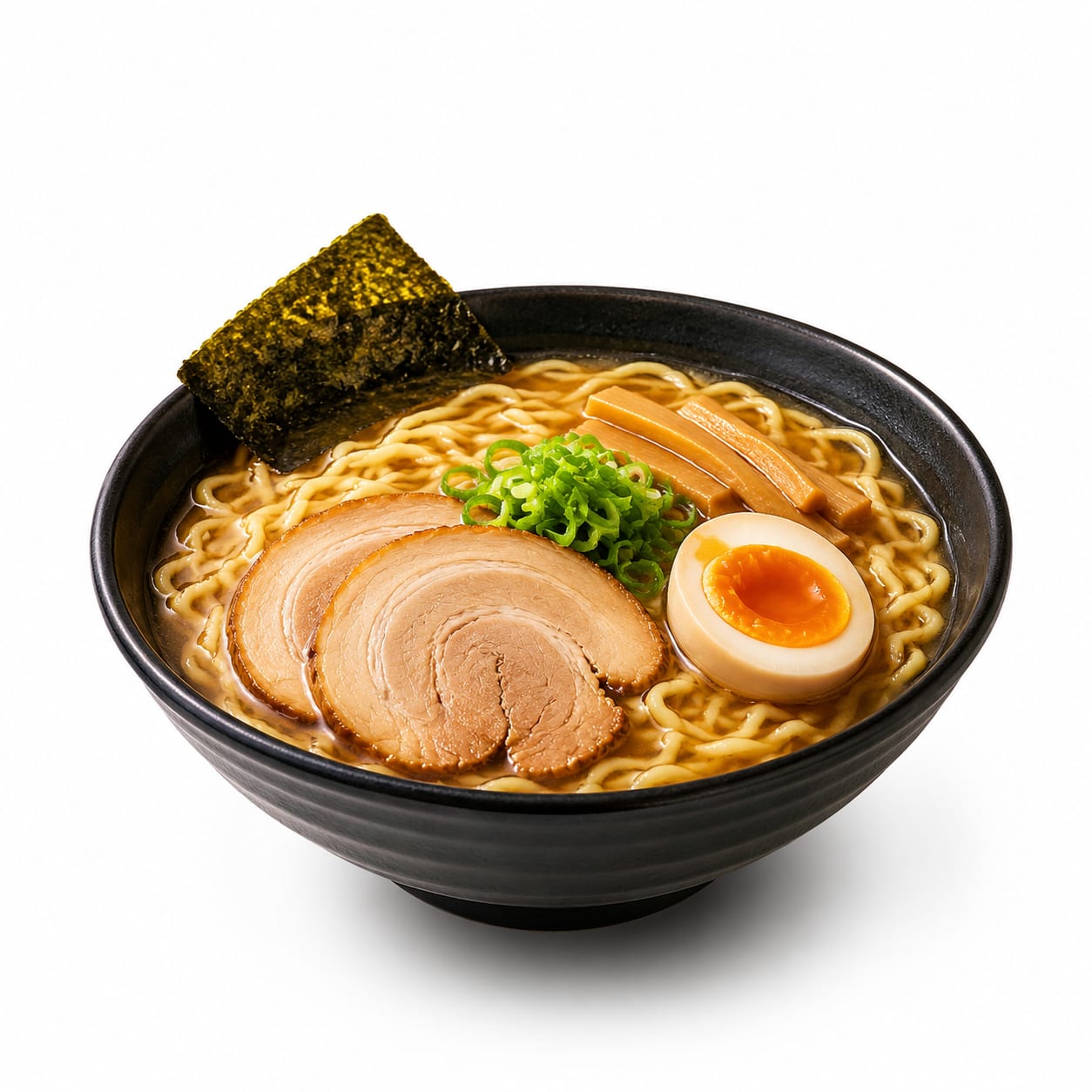
Ramen
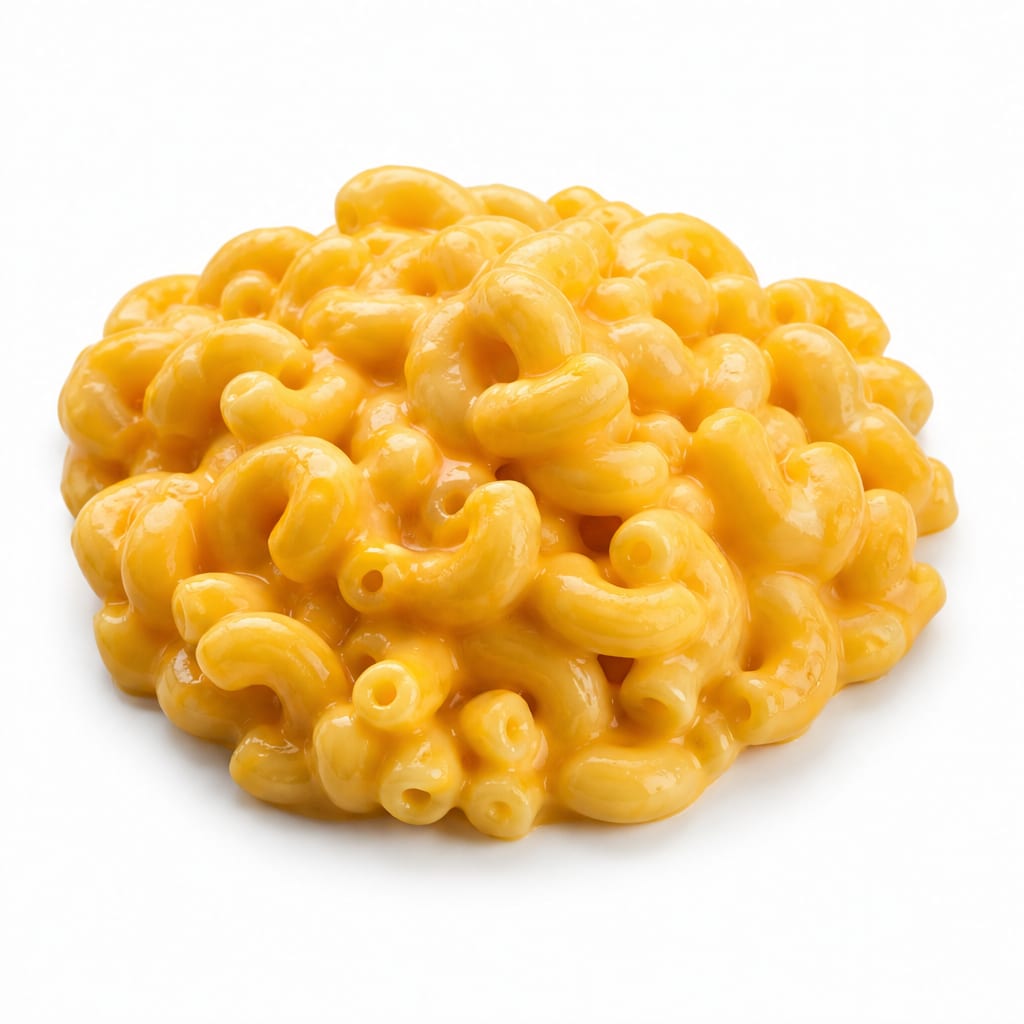
Mac and Cheese
Mac and Cheese offers better satiety and slightly more nutritional value, but Ramen wins on sheer convenience and cost. Neither is a health food.
Mac and Cheese scores slightly higher due to its dairy-based protein and calcium content, which offers marginally better nutritional value. However, both scores remain low because of high processing, refined carbs, and concerning sodium or saturated fat levels.
You are choosing between Ramen's extreme sodium spike and Mac and Cheese's heavy saturated fat load.
At a glance
Executive summary
Overall
It depends
Healthier
Mac and Cheese
More practical
Ramen
Daily use
It depends
Key comparison lenses
Sodium and heart health impact
Ramen is notorious for extreme sodium levels, making cardiovascular impact the primary concern when comparing these two
Satiety and meal replacement capability
Both are cheap comfort foods, but users often wonder which will actually keep them full longer
Ultra-processing and additive exposure
Both are highly processed, but the specific additives, flavor enhancers, and artificial ingredients differ significantly
Budget and convenience tradeoffs
These are go-to meals for busy or tight-budget situations, so practical accessibility matters
Best choice for
Ramen
- Ultra-tight budgets
- Need a hot meal in under 5 minutes
- Craving a savory broth-based comfort food
Mac and Cheese
- Need a meal that actually keeps you full for hours
- Looking for slightly more protein and calcium
- Craving rich, creamy comfort food
Least suitable for
Ramen
- People with high blood pressure
- Those watching sodium intake
- Anyone needing sustained energy
Mac and Cheese
- People managing high cholesterol
- Those avoiding dairy
- Anyone looking for a light meal
Deep comparison
Dimension by dimension
Each lens scores both foods and breaks down who each option suits.
- Dimension 1 · Priority 95Mac and Cheese
Sodium and Heart Health
Ramen · 10Mac and Cheese · 45Ramen delivers a massive sodium punch that can easily exceed daily limits in a single serving, while Mac and Cheese is high but more manageable.
Tradeoff
Choosing Ramen means accepting a severe blood pressure spike risk, whereas Mac and Cheese trades that sodium for saturated fat concerns.
Why it matters
Frequent high sodium intake directly increases heart disease and stroke risk, making this the most critical difference.
Real-world impact
Eating Ramen often leaves you bloated and reaching for water all afternoon, while Mac and Cheese feels heavy but doesn't trigger the same intense thirst.
Ramen
- Those who sweat heavily and need sodium replenishment
Better for
- People prone to water retention
Worse for
Mac and Cheese
- Anyone with borderline or high blood pressure
Better for
- Those strictly limiting saturated fat for heart health
Worse for
- Dimension 2 · Priority 85Mac and Cheese
Satiety and Fullness
Ramen · 30Mac and Cheese · 60Mac and Cheese keeps you full much longer thanks to its fat and protein content from dairy, whereas Ramen digests quickly leaving you hungry again fast.
Tradeoff
Ramen feels lighter in the stomach immediately after eating, but that lightness turns into hunger much sooner.
Why it matters
If you are eating this as an actual meal replacement, staying full for more than an hour matters for energy and focus.
Real-world impact
Ramen is a quick fix that leads to an afternoon energy crash and cravings, while Mac and Cheese can actually hold you over until dinner.
Ramen
- Wanting a light late-night snack without feeling stuffed
Better for
- Using it as a post-workout recovery meal
Worse for
Mac and Cheese
- Needing a meal to fuel a busy afternoon
- Trying to avoid snacking between meals
Better for
- Eating right before intense physical activity
Worse for
- Dimension 3 · Priority 75Ramen
Convenience and Cost
Ramen · 98Mac and Cheese · 75Ramen is unmatched in speed and cost, ready in minutes for pennies, while Mac and Cheese requires a few more steps and slightly more expense.
Tradeoff
You trade nutritional quality for ultimate accessibility when choosing Ramen.
Why it matters
When money or time is extremely tight, these factors override health concerns for many people.
Real-world impact
Ramen is the ultimate fallback for college students and busy nights, needing only boiling water and a microwave.
Ramen
- Dorm living with minimal cooking equipment
- Extremely tight grocery budgets
Better for
- Trying to meal prep for the week
Worse for
Mac and Cheese
- Family dinners where a boxed meal needs to stretch further
Better for
- Needing a meal with zero prep time
Worse for
- Dimension 4 · Priority 80Mac and Cheese
Processing and Additives
Ramen · 20Mac and Cheese · 35Both are ultra-processed, but Ramen's flavor packets are packed with MSG and preservatives, while Mac and Cheese relies on powdered dairy and artificial colors.
Tradeoff
Ramen introduces more flavor enhancers and sodium-based preservatives, while Mac and Cheese introduces artificial food dyes and emulsifiers.
Why it matters
Regular consumption of ultra-processed foods is linked to increased cravings and metabolic issues.
Real-world impact
Both foods taste artificially compelling in a way that makes whole foods seem bland, training your palate to crave hyper-processed flavors.
Ramen
- Those specifically sensitive to artificial food dyes
Better for
- Anyone trying to reduce ultra-processed food dependency
Worse for
Mac and Cheese
- Those sensitive to MSG or experiencing headaches from flavor enhancers
Better for
- Children susceptible to behavioral reactions from food dyes
Worse for
Timeline
Health impact over time
Short-term
Hours to days
Ramen
- Rapid water retention and bloating from sodium
- Quick energy spike followed by a carb crash
- Intense thirst lasting several hours
Mac and Cheese
- Heavy, sluggish feeling due to high saturated fat
- Moderate energy sustainment from dairy fat and protein
- Potential digestive discomfort if lactose intolerant
Long-term
Months to years
Ramen
- Increased risk of hypertension from chronic high sodium intake
- Blood vessel stiffness from refined carbs and salt
- Nutrient deficiencies if frequently replacing whole meals
Mac and Cheese
- Elevated LDL cholesterol from regular saturated fat consumption
- Weight gain due to high calorie density
- Potential increased cardiovascular risk from dairy fats
Risk profile
Safety & processing
Ramen relies heavily on dehydrated processed carbs and chemical-laden flavor packets. Mac and Cheese uses processed pasta and a powdered cheese sauce with emulsifiers and dyes. Mac and Cheese edges out slightly because the base ingredients are closer to their original form, but both are far from natural.
Ramen
Extreme sodium intake
highA single package often contains 50-80% of the daily recommended sodium limit, posing immediate cardiovascular stress.
MSG sensitivity
lowWhile generally recognized as safe, MSG in flavor packets can cause headaches or flushing in sensitive individuals.
Mac and Cheese
Artificial food dyes
mediumSome brands use Yellow 5 or Yellow 6, which are linked to hyperactivity in sensitive children and require warning labels in some countries.
Phthalates in powdered cheese
mediumRecent studies have found phthalates, which are endocrine disruptors, in the powdered cheese of some mac and cheese brands due to processing equipment.
Who wins for whom
Audience fit
Same foods, different winners depending on your goal.
children
Mac and CheeseMac and Cheese offers calcium and calories needed for growth, whereas Ramen offers no nutritional value and excessive sodium for a child's body.
daily consumption
It dependsNeither should be consumed daily. Daily Ramen risks severe hypertension, while daily Mac and Cheese risks high cholesterol.
diabetes
It dependsBoth are refined carb disasters. Ramen causes a rapid blood sugar spike, while Mac and Cheese's fat slows absorption slightly but adds unhealthy saturated fat.
elderly
Mac and CheeseOlder adults need protein to prevent muscle loss and are at high risk from Ramen's sodium impact on blood pressure.
muscle gain
Mac and CheeseMac and Cheese provides more protein from the dairy, which is slightly more useful for muscle maintenance than Ramen's near-zero protein.
weight loss
It dependsNeither is ideal, but Ramen can be lower in calories if you strictly portion it, while Mac and Cheese provides better satiety which prevents overeating later.
Your move
Decision guide
Choose Ramen
- You have less than 5 minutes and a tight budget
- You are craving a hot, savory broth rather than something heavy
- You need a massive sodium hit after heavy sweating or intense exercise
Choose Mac and Cheese
- You need a meal that will actually keep you full for 4-5 hours
- You want something that feels like a real meal rather than a snack
- You are feeding kids who need calories and calcium
Either works if
- You are simply craving comfort food and nothing else will satisfy
- You are willing to modify the dish by adding vegetables and protein
Avoid both if
- You have high blood pressure or heart disease
- You are strictly managing your weight or metabolic health
- You are trying to eliminate ultra-processed foods from your diet
Final recommendation
Choose Mac and Cheese when you need a meal that sustains you, and Ramen when you need a quick, cheap fix. In both cases, upgrading your choice by adding real protein and veggies turns a junk food staple into a somewhat balanced meal.
Practical
Consumer tips
- 1
Use only half the Ramen flavor packet to cut sodium by 50% without losing all the taste
- 2
Add frozen peas and carrots to Ramen in the last minute of cooking for some actual nutrients
- 3
Stir a handful of spinach or broccoli into Mac and Cheese to add fiber and bulk
- 4
Use plain Greek yogurt instead of milk and butter in Mac and Cheese to boost protein and cut saturated fat
- 5
Drain most of the Ramen broth before eating to significantly reduce your sodium intake
- 6
Look for Mac and Cheese brands that use natural annatto instead of artificial yellow dyes