
Nutrition comparison
Ramen vs Fresh Ramen: Which Is Actually Better for You?
Instant ramen vs fresh ramen comparison covering nutrition, sodium, processing, and real-world health impact. Learn why fresh ramen wins on every health metric and when instant ramen might still make sense.
Overall winner · Fresh Ramen
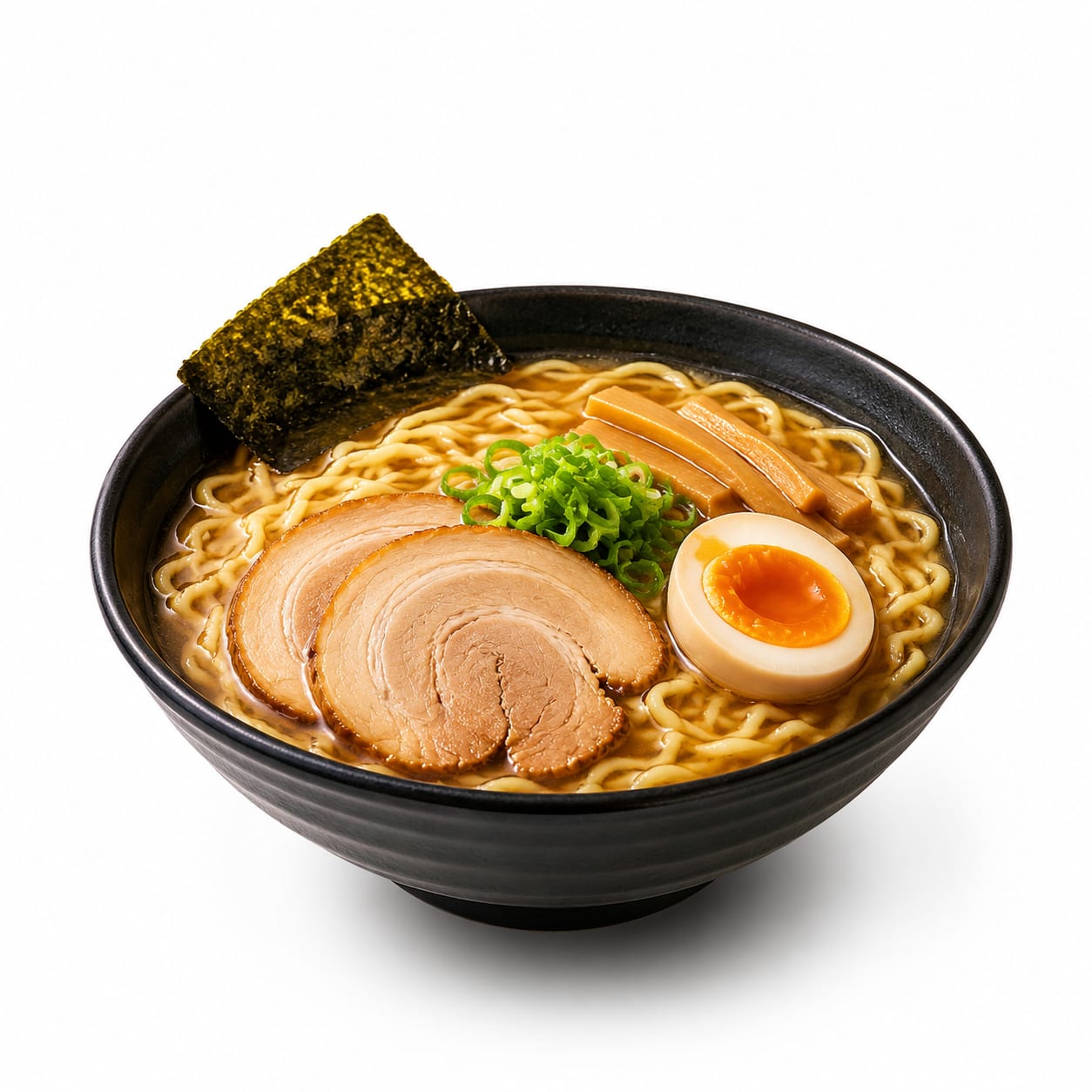
Ramen

Fresh Ramen
Fresh ramen demolishes instant ramen on nutrition, ingredient quality, and satisfaction. Instant ramen only wins on convenience and price.
Fresh ramen scores significantly higher because real broth, fresh noodles, and actual toppings deliver genuine nutrition. Instant ramen is essentially a salty refined-carb snack with minimal protein or micronutrients. The gap would be smaller if fresh ramen were always drowning in sodium, but home or restaurant versions are more controllable.
You trade 3 minutes and a dollar for real nourishment instead of a salty, processed snack that leaves you hungry again fast.
At a glance
Executive summary
Overall
Fresh Ramen
Healthier
Fresh Ramen
More practical
Ramen
Daily use
Fresh Ramen
Key comparison lenses
ultra-processing vs whole ingredient quality
The single biggest difference: instant ramen is ultra-processed with additives, while fresh ramen uses real ingredients you can actually see and pronounce
sodium load and heart health
Both are salty, but instant ramen packs a sodium bomb from seasoning packets with less nutritional payoff
convenience vs quality tradeoff
Instant ramen wins on speed and cost; fresh ramen wins on flavor, nutrition, and satisfaction
satiety and real food fulfillment
Fresh ramen with real toppings fills you up meaningfully; instant ramen often leaves you hungry again within an hour
long term health sustainability
Daily instant ramen is linked to metabolic issues; fresh ramen can be part of a reasonable diet with balanced toppings
Best choice for
Ramen
- College students on tight budgets
- Late-night cravings when nothing else is open
- Backpacking and camping meals
- Quick comfort food with zero prep energy
Fresh Ramen
- Anyone who cares about what they put in their body
- A satisfying actual meal, not just a salt hit
- Date nights and social dining
- Recovery meals after illness when you need real nourishment
Least suitable for
Ramen
- People managing hypertension or heart conditions
- Anyone avoiding ultra-processed foods
- Children who deserve better nutritional building blocks
- Daily lunch routines
Fresh Ramen
- Someone with only 5 minutes and a microwave
- Tight grocery budgets under pressure
- Situations requiring shelf-stable food storage
Deep comparison
Dimension by dimension
Each lens scores both foods and breaks down who each option suits.
- Dimension 1 · Priority 95Fresh Ramen
ingredient_quality_and_processing
Ramen · 15Fresh Ramen · 75Instant ramen is ultra-processed with dehydrated noodles, MSG, preservatives, and flavor packets. Fresh ramen uses real noodles, actual bone or vegetable broth, and whole toppings.
Tradeoff
Instant ramen costs a dollar and lasts months in your pantry. Fresh ramen requires real ingredients that spoil and cost more.
Why it matters
Your body recognizes real food. Ultra-processed noodles with TBHQ and hydrolyzed proteins trigger different hunger and inflammation signals than actual chicken broth and fresh eggs.
Real-world impact
After instant ramen, you feel full for 45 minutes then crave more food. After fresh ramen with egg and vegetables, you feel genuinely satisfied for hours.
Ramen
- Shelf stability for months
- Pennies per serving
- Zero cooking skill required
Better for
- TBHQ and other preservatives your liver must process
- Dehydrated noodles often deep-fried before packaging
- Seasoning packets loaded with MSG and disodium inosinate
Worse for
Fresh Ramen
- Ingredients you can actually identify
- Real protein from eggs, meat, and broth
- Vegetables that provide actual vitamins
Better for
- Ingredients spoil within days
- Requires actual cooking or restaurant access
- Higher cost per bowl
Worse for
- Dimension 2 · Priority 90Fresh Ramen
sodium_and_heart_health
Ramen · 20Fresh Ramen · 45Both are salty foods, but instant ramen delivers a massive sodium hit with almost no nutritional benefit to offset it. Fresh ramen at least provides minerals and protein alongside the salt.
Tradeoff
Fresh ramen broth can still pack heavy sodium, especially at restaurants. But you can control it at home, which is impossible with a sealed seasoning packet.
Why it matters
A single instant ramen packet can contain 1500-2000mg sodium, nearly your entire daily limit. That salt hits your blood vessels with zero potassium or magnesium to buffer it.
Real-world impact
After instant ramen, you might notice thirst, bloating, and puffy fingers. Fresh ramen with vegetables provides some potassium that helps your body handle the salt better.
Ramen
- Predictable sodium amount on the label
- Can use only half the seasoning packet to reduce intake
Better for
- Entire daily sodium in one small meal
- No potassium or magnesium to buffer the salt load
- Seasoning packets leave you no real control
Worse for
Fresh Ramen
- Potassium from vegetables helps balance sodium
- Real bone broth contains minerals that support hydration
- You can ask for less salt at restaurants or adjust at home
Better for
- Restaurant versions can be equally sodium-loaded
- Broth reduction concentrates salt further
Worse for
- Dimension 3 · Priority 85Fresh Ramen
satiety_and_nutritional_value
Ramen · 18Fresh Ramen · 78Instant ramen is mostly refined carbs and fat with minimal protein. Fresh ramen with toppings delivers complete protein, collagen, and real vegetables.
Tradeoff
You can add eggs and vegetables to instant ramen, but at that point you are making it closer to fresh ramen anyway.
Why it matters
Protein and fiber trigger fullness signals. Without them, refined carbs digest fast and your blood sugar drops, making you hungry again quickly.
Real-world impact
Instant ramen at noon means you are raiding the snack drawer by 2pm. Fresh ramen with chashu pork and egg keeps you going until dinner.
Ramen
- Quick calories if you genuinely need energy fast
- Light enough to eat before bed without feeling stuffed
Better for
- Barely any protein per serving
- Zero fiber to slow digestion
- Refined carbs spike and crash blood sugar
Worse for
Fresh Ramen
- Collagen from long-simmered bone broth supports joints and gut
- Complete protein from eggs and meat supports muscle
- Fiber from vegetables and nori supports digestion
Better for
- Can feel heavy if you eat the entire large restaurant portion
- Rich broth may be too much for sensitive stomachs
Worse for
- Dimension 4 · Priority 80Ramen
convenience_and_accessibility
Ramen · 92Fresh Ramen · 30Instant ramen is one of the most convenient foods ever invented. Boiling water and three minutes gets you something edible. Fresh ramen requires cooking skills, time, or a restaurant trip.
Tradeoff
Convenience has a hidden cost: you eat it more often than you should because it is so easy.
Why it matters
The easier a food is to eat, the more frequently you eat it. Instant ramen's convenience makes it a default meal for many people, which compounds its health downsides.
Real-world impact
At 11pm after a long day, instant ramen feels like a lifesaver. Fresh ramen requires planning, shopping, and an hour of simmering broth.
Ramen
- Ready in 3 minutes with just boiling water
- Available at every convenience store and gas station
- Costs less than a dollar per serving
- No dishes beyond a bowl and fork
Better for
- So easy it becomes a crutch that replaces real meals
- Reinforces lazy eating habits
- Pantries full of instant ramen crowd out better options
Worse for
Fresh Ramen
- Restaurant fresh ramen is a complete experience, not just fuel
- Leftover broth can be repurposed for other meals
- Making it at home teaches actual cooking skills
Better for
- Restaurant ramen costs $15-20 per bowl
- Homemade broth takes 4-12 hours of simmering
- Requires fresh ingredients that need shopping trips
Worse for
- Dimension 5 · Priority 75Fresh Ramen
blood_sugar_and_energy_stability
Ramen · 22Fresh Ramen · 55Instant ramen's refined carbs hit your bloodstream fast. Fresh ramen's protein and fat slow digestion, giving steadier energy.
Tradeoff
Neither is a low-glycemic food. Both are carb-heavy. But fresh ramen's toppings create a much gentler blood sugar curve.
Why it matters
Blood sugar spikes followed by crashes drive cravings, fatigue, and irritability. The more protein and fiber in a meal, the smoother your energy stays.
Real-world impact
Instant ramen gives you a 20-minute energy bump then an afternoon slump. Fresh ramen with egg and meat carries you through the rest of the day.
Ramen
- Fast energy if you need quick calories before exercise
- Warm comfort food that feels emotionally satisfying
Better for
- Refined wheat noodles digest almost as fast as sugar
- Almost no protein or fiber to slow the spike
- Crash after eating drives more snacking
Worse for
Fresh Ramen
- Protein and fat slow carb absorption significantly
- Steadier energy for hours after eating
- Less likely to trigger sugar cravings later
Better for
- Still a high-carb meal that requires insulin response
- Large restaurant portions can still cause energy dips
Worse for
- Dimension 6 · Priority 65It depends
emotional_and_comfort_value
Ramen · 70Fresh Ramen · 80Instant ramen carries nostalgia and effortless comfort. Fresh ramen delivers deeper satisfaction but requires more investment.
Tradeoff
Sometimes you need comfort with zero effort. Sometimes the ritual of a real meal is part of the comfort.
Why it matters
Emotional eating is real. The food that makes you feel cared for matters, not just the nutrients.
Real-world impact
Instant ramen feels like a warm hug when you are exhausted. Fresh ramen feels like a proper meal that respects your body.
Ramen
- Nostalgic comfort from childhood or college memories
- Zero decision fatigue: just add water
- Consistent taste every single time
Better for
- Guilt often follows the comfort
- Never truly satisfying, which can trigger more emotional eating
Worse for
Fresh Ramen
- Deeper satisfaction from real ingredients and complex flavor
- The experience of eating becomes self-care, not just fuel
- Social bonding over a shared restaurant meal
Better for
- Effort required can feel overwhelming when you are already drained
- Restaurant cost adds financial stress
Worse for
Timeline
Health impact over time
Short-term
Hours to days
Ramen
- Rapid blood sugar spike followed by energy crash within 1-2 hours
- Thirst and bloating from extreme sodium load
- Temporary fullness that fades quickly, often leading to more snacking
- Possible mild headache from MSG sensitivity in some people
Fresh Ramen
- Sustained energy for 3-4 hours from protein and fat content
- Better hydration balance when vegetables provide potassium alongside sodium
- Genuine satiety that reduces between-meal cravings
- Warmth and comfort without the subsequent energy crash
Long-term
Months to years
Ramen
- Regular consumption linked to higher risk of metabolic syndrome
- Sustained high sodium intake strains blood vessels and kidneys
- Ultra-processed food habit displaces more nutritious meals
- Possible increased inflammation markers from preservatives and refined oils
Fresh Ramen
- Collagen from bone broth may support joint and gut health
- Balanced toppings provide sustained nutrition when eaten regularly
- Still a high-sodium food that requires mindful consumption
- Better overall dietary pattern when fresh ramen replaces instant versions
Risk profile
Safety & processing
Instant ramen is textbook ultra-processed food: dehydrated fried noodles, hydrolyzed proteins, MSG, preservatives like TBHQ, and artificial flavorings. Fresh ramen uses real noodles, actual broth from bones or vegetables, and whole food toppings. Restaurant fresh ramen may include some commercial broth bases, but the ingredient quality is still dramatically higher.
Ramen
TBHQ and preservative accumulation
mediumTBHQ is considered safe in small amounts, but regular instant ramen consumption means repeated exposure to this petroleum-derived preservative.
Acrylamide from fried dehydrated noodles
mediumThe noodles are often deep-fried during manufacturing, creating acrylamide compounds linked to potential cancer risk with frequent consumption.
BPA from seasoning packet packaging
lowSmall plastic seasoning packets may contribute minor BPA exposure, especially when hot water contacts the packaging.
Fresh Ramen
Foodborne illness from undercooked eggs or meat
mediumSoft-boiled eggs and undercooked chashu pork can carry salmonella or other pathogens if not handled properly.
Histamine from long-simmered bone broth
lowExtended simmering can concentrate histamines, which may trigger reactions in histamine-sensitive individuals.
Cross-contamination in restaurant kitchens
lowRestaurant fresh ramen carries standard foodservice contamination risks, especially with raw egg toppings.
Who wins for whom
Audience fit
Same foods, different winners depending on your goal.
children
Fresh RamenGrowing bodies need real protein, minerals, and vitamins. Instant ramen trains kids toward ultra-processed food preferences and delivers excessive sodium for small bodies.
daily consumption
Fresh RamenFresh ramen with balanced toppings can be a reasonable regular meal. Daily instant ramen consumption is strongly linked to metabolic and cardiovascular problems.
diabetes
Fresh RamenNeither is ideal, but fresh ramen's protein and fat slow carb absorption. Instant ramen's refined noodles cause rapid blood sugar spikes that are dangerous for glucose management.
elderly
Fresh RamenCollagen and minerals from bone broth support aging joints and bones. Instant ramen's sodium load is especially risky for blood pressure management in older adults.
muscle gain
Fresh RamenReal eggs, meat, and bone broth provide complete protein with leucine for muscle synthesis. Instant ramen has negligible protein per serving.
weight loss
Fresh RamenFresh ramen's protein and fiber keep you full longer, reducing overall calorie intake throughout the day. Instant ramen's empty carbs trigger cravings that sabotage portion control.
Your move
Decision guide
Choose Ramen
- You are genuinely short on money and need calories to survive the week
- It is 2am and the only other option is going to bed hungry
- You are camping or traveling where fresh food is unavailable
- You eat it once a month as a nostalgic treat, not a dietary staple
Choose Fresh Ramen
- You want an actual meal that nourishes you, not just fills your stomach
- You care about your blood pressure, energy levels, and long-term health
- You are sharing a meal with someone and want it to be satisfying
- You have the time and resources to eat something real
Either works if
- You are adding lots of vegetables and protein to instant ramen, making it closer to fresh ramen anyway
- You only eat ramen occasionally and the health difference matters less than the experience
Avoid both if
- You have severe sodium restrictions from your doctor
- You are managing kidney disease that requires low-sodium, low-potassium meals
- You need low-carb options for ketosis or glucose control
Final recommendation
Choose fresh ramen whenever possible. The gap in nutritional value, ingredient quality, and genuine satisfaction is enormous. If instant ramen is your only option, add a real egg and some vegetables to make it marginally better. But do not pretend it is a real meal. It is a survival food, not a lifestyle food.
Practical
Consumer tips
- 1
If you must eat instant ramen, use only half the seasoning packet and add your own salt and miso for better flavor with less sodium
- 2
Drop a real egg and handful of spinach into instant ramen to dramatically improve its nutritional profile for almost no extra cost
- 3
Make a large batch of bone broth on weekends and freeze portions for quick fresh ramen throughout the week
- 4
Restaurant fresh ramen portions are often huge. Split one or take half home to manage sodium and calorie intake
- 5
If instant ramen is a daily habit, try replacing one serving per week with fresh ramen and gradually shift the ratio
- 6
Look for fresh ramen noodle packs at Asian grocery stores. They cook in 2 minutes and skip the deep-frying step