
Nutrition comparison
Ramen vs Canned Soup: Which Quick Meal Is Actually Better For You?
Compare Ramen and Canned Soup on sodium, nutrition, cost, and health impact. Find out which convenience meal is the smarter choice for your lifestyle and goals.
Overall winner · Canned Soup
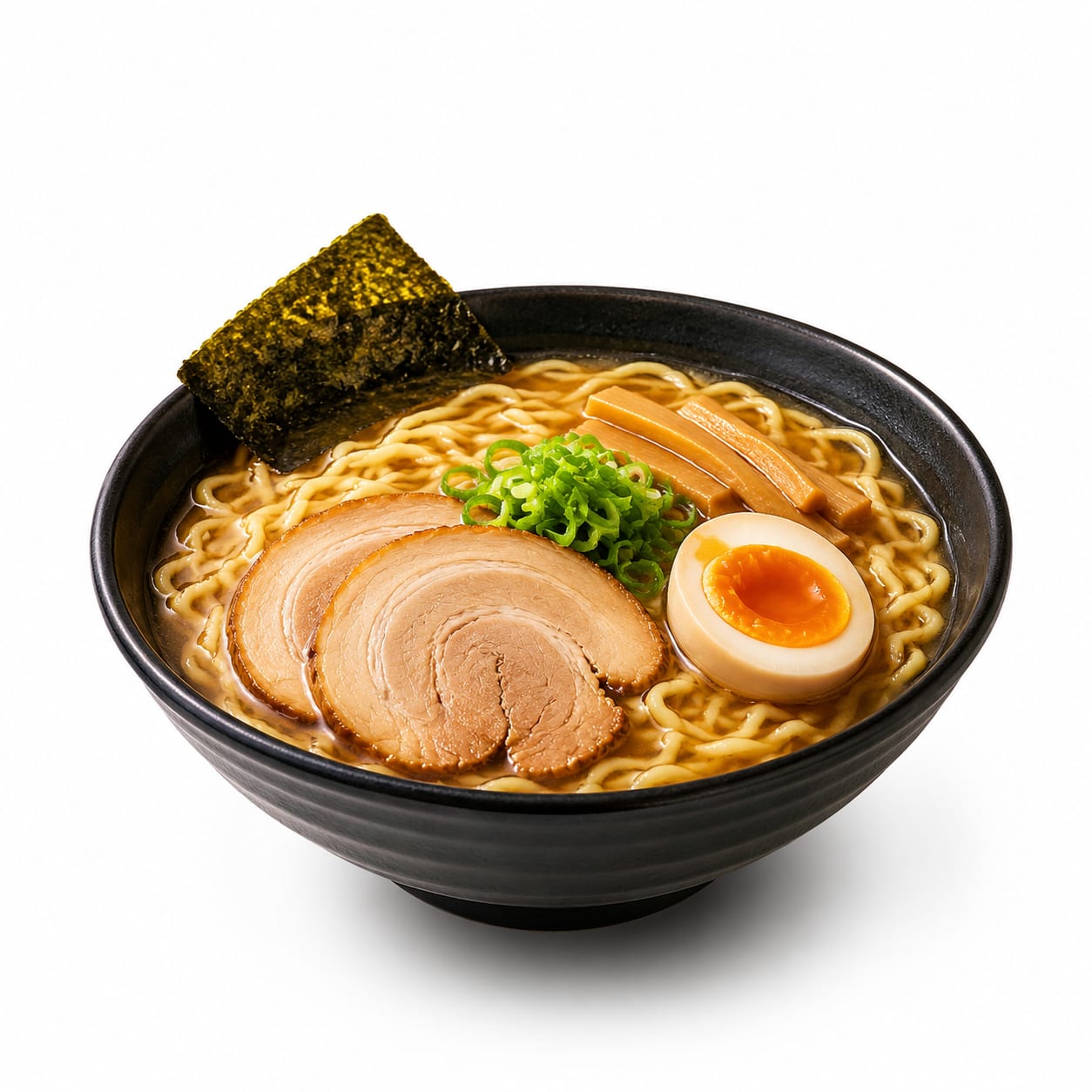
Ramen
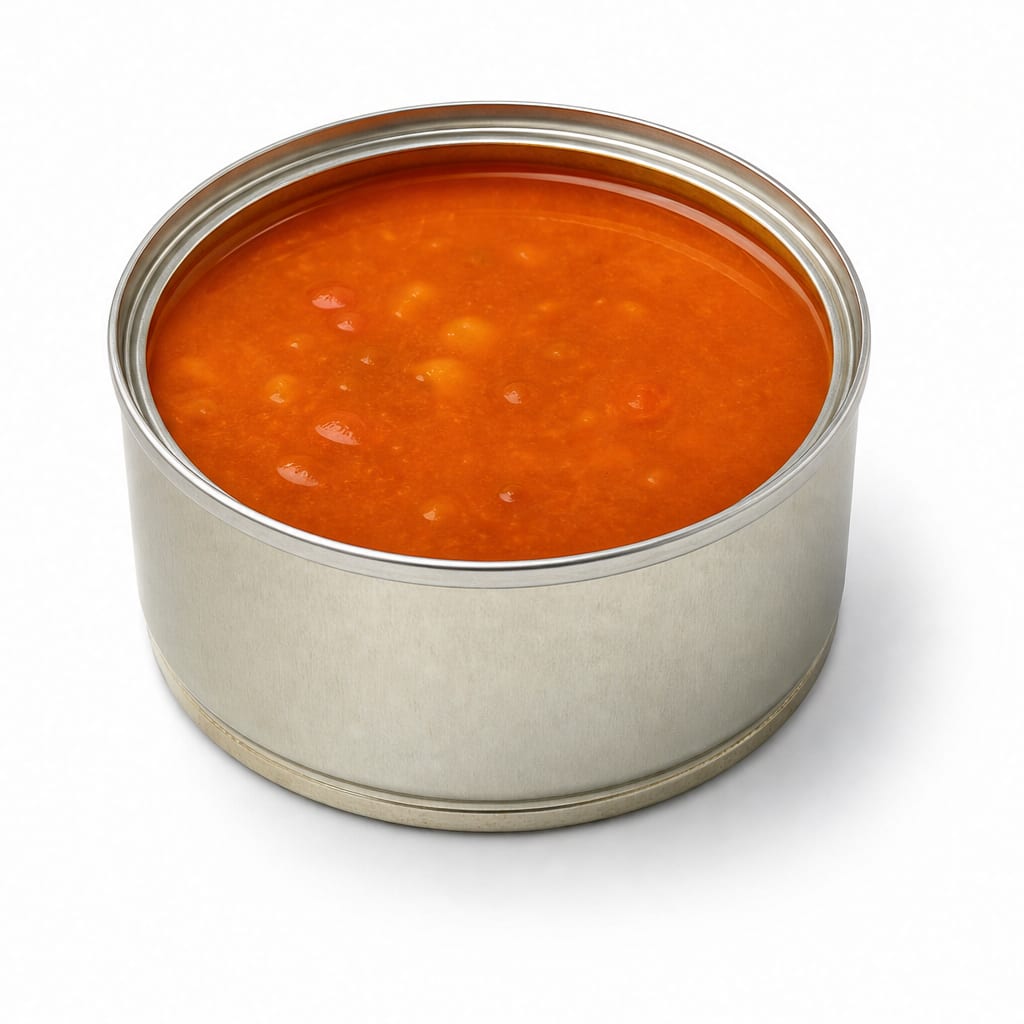
Canned Soup
Canned Soup edges out Ramen thanks to more vegetable content, slightly better protein, and lower saturated fat, but both are sodium bombs that should be occasional meals rather than daily staples.
Canned Soup scores moderately higher due to better ingredient diversity, more protein options, and less saturated fat. Ramen loses ground on deep-fried noodles, minimal vegetable content, and extremely high sodium density. Neither scores well overall because both are ultra-processed convenience foods with serious sodium loads.
Ramen is cheaper and faster but delivers more saturated fat and fewer nutrients. Canned Soup offers more real food ingredients and variety but comes with BPA can lining concerns and still excessive sodium.
At a glance
Executive summary
Overall
Canned Soup
Healthier
Canned Soup
More practical
It depends
Daily use
Canned Soup
Key comparison lenses
sodium and heart health
Both foods are notoriously sodium-heavy, making cardiovascular impact the primary concern for most consumers
convenience meal comparison
People choosing between these are typically looking for quick, low-effort meals on busy days or tight budgets
ultra processing and additives
Both are ultra-processed with preservatives, flavor enhancers, and artificial ingredients that raise long-term health questions
weight management and satiety
Neither food is particularly filling, so understanding which keeps you satisfied longer matters for overeating prevention
budget meal planning
Both are staple budget foods, so cost-per-meal nutrition matters for people relying on them regularly
Best choice for
Ramen
- Ultra-tight budgets where cost per meal is the top priority
- College students needing maximum calories per dollar
- Situations with only hot water available like dorms or travel
- Craving specifically that chewy noodle texture nothing else satisfies
Canned Soup
- Quick lunches where you want some vegetable content
- People watching saturated fat intake
- Anyone wanting protein variety like chicken, bean, or lentu-based soups
- Cold days when a broth-based meal feels lighter than fried noodles
Least suitable for
Ramen
- Anyone with hypertension or sodium-sensitive conditions
- People managing heart disease risk
- Those trying to avoid fried foods and saturated fat
- Anyone seeking nutrient-dense meals even on busy days
Canned Soup
- People avoiding BPA or concerned about can lining chemicals
- Those sensitive to preservatives like sodium benzoate
- Anyone needing high-calorie meals to maintain weight
- People who find broth-based meals unsatisfying and end up snacking later
Deep comparison
Dimension by dimension
Each lens scores both foods and breaks down who each option suits.
- Dimension 1 · Priority 95Canned Soup
sodium_load
Ramen · 12Canned Soup · 28Both are sodium disasters, but Ramen typically packs 1500-2000mg per serving while Canned Soup ranges 800-1200mg for lower-sodium varieties.
Tradeoff
Even the lower-sodium canned soups still deliver a third of your daily limit, so neither is genuinely heart-friendly. But Ramen's sodium density per calorie is significantly worse.
Why it matters
Regular high sodium intake directly raises blood pressure and stroke risk. If you eat these foods multiple times per week, the difference between 1000mg and 1800mg per meal compounds fast.
Real-world impact
A Ramen habit at lunch most workdays could easily push you past 4000mg sodium daily before dinner. Swapping to lower-sodium canned soup cuts that lunch sodium roughly in half.
Ramen
- Post-illness refeeding when you need electrolytes and appetite stimulation
Better for
- Hypertension management
- Kidney disease
- Anyone already eating processed foods at other meals
Worse for
Canned Soup
- Anyone with blood pressure concerns
- People trying to stay under 2300mg sodium daily
- Those who salt their food less at other meals
Better for
- People who assume all canned soup is low-sodium and stop checking labels
Worse for
- Dimension 2 · Priority 80Canned Soup
satiety_and_fullness
Ramen · 30Canned Soup · 45Canned Soup with its higher water content and chunkier ingredients keeps you fuller slightly longer than Ramen's refined carb bomb.
Tradeoff
Ramen digests fast due to refined flour noodles, causing a quicker blood sugar spike and crash. Canned Soup's liquid volume helps but protein content varies wildly by type.
Why it matters
If your quick lunch leaves you hungry again by 3pm, you end up snacking on more processed food. The satiety difference between these two can mean 200-400 extra afternoon calories.
Real-world impact
Ramen at noon often means vending machine cravings by 2:30pm. A chunky canned soup with beans or chicken might get you to dinner without snacking.
Ramen
- Very active people who burn through carbs quickly and need fast energy
Better for
- Blood sugar management
- Anyone prone to energy crashes
- People trying to reduce overall calorie intake
Worse for
Canned Soup
- Office workers who need lunch to last until 6pm
- Anyone trying to reduce afternoon snacking
- People who feel satisfied by volume even without dense calories
Better for
- Those who find liquid meals unsatisfying regardless of volume
Worse for
- Dimension 3 · Priority 85Canned Soup
ingredient_quality_and_nutrition
Ramen · 18Canned Soup · 42Canned Soup typically contains actual vegetables, legumes, or meat pieces. Ramen is mostly refined flour, palm oil, and flavor powder with token dehydrated vegetable flakes.
Tradeoff
Even basic canned soups deliver some fiber, vitamins, and protein from real food ingredients. Ramen's nutrition comes almost entirely from fortification, not whole food sources.
Why it matters
Your body absorbs nutrients differently from whole food matrices versus fortified processed flour. The vegetable content in canned soup, however modest, provides phytonutrients Ramen simply lacks.
Real-world impact
A can of chicken noodle soup gives you some actual chicken protein, carrot beta-carotene, and celery fiber. Ramen gives you empty carbs with a vitamin sprinkle that doesn't compensate for what's missing.
Ramen
- Situations where calories matter more than nutrient density
Better for
- Long-term daily consumption
- Growing teenagers who need real nutrition
- Anyone already eating a low-nutrient diet overall
Worse for
Canned Soup
- Anyone trying to sneak vegetables into their diet
- People who want protein from real food not powder
- Those concerned about micronutrient deficiencies
Better for
- People who think canned soup replaces fresh vegetables entirely
Worse for
- Dimension 4 · Priority 75Canned Soup
saturated_fat_and_oil_quality
Ramen · 15Canned Soup · 50Ramen noodles are deep-fried in palm oil before packaging, delivering 7-14g saturated fat per serving. Most canned soups are broth-based with minimal added fat.
Tradeoff
The frying step in Ramen production is what makes the noodles cook in 3 minutes, but it loads them with saturated fat. Canned Soup avoids this entirely for most varieties.
Why it matters
Regular saturated fat intake from palm oil raises LDL cholesterol and contributes to arterial plaque. This is one of Ramen's most serious health drawbacks beyond sodium.
Real-world impact
One Ramen packet can deliver half your daily saturated fat limit. A bowl of canned vegetable soup might have less than 1g. Over a week of lunches, that's a meaningful heart health difference.
Ramen
- Extremely cold environments where dense calorie sources feel necessary
Better for
- Cardiovascular disease risk
- Anyone with high LDL cholesterol
- People trying to reduce palm oil consumption for environmental reasons too
Worse for
Canned Soup
- Cholesterol management
- Heart health conscious eaters
- Anyone tracking saturated fat intake
Better for
- Cream-based canned soups which can also be high in saturated fat
Worse for
- Dimension 5 · Priority 70Ramen
convenience_and_speed
Ramen · 92Canned Soup · 78Ramen needs only boiling water and 3 minutes. Canned Soup requires opening, pouring, and heating which takes slightly more effort and equipment.
Tradeoff
Ramen wins on minimal equipment needed, just a bowl and hot water. Canned Soup needs a pot or microwave-safe container but requires no separate seasoning or preparation.
Why it matters
When convenience is the entire point of choosing these foods, small friction differences matter. The people reaching for either are often tired, busy, or lacking full kitchen access.
Real-world impact
In a dorm with only a kettle, Ramen is genuinely easier. In an office break room with a microwave, canned soup is nearly as convenient and more satisfying.
Ramen
- Dorm living with only a hot water kettle
- Late night meals when you barely want to stand up
- Travel and hotel rooms
- Camping or emergency food kits
Better for
- Situations where you want a meal that feels like actual food not just fuel
Worse for
Canned Soup
- Offices with microwaves
- Home kitchens where a pot is no barrier
- Meal prep situations where you can heat and eat quickly
Better for
- Environments with no heating equipment
Worse for
- Dimension 6 · Priority 65Ramen
cost_effectiveness
Ramen · 95Canned Soup · 65Ramen packets cost 25-50 cents each. Canned Soup runs $1.50-3.50 per can. Ramen delivers more calories per dollar by a wide margin.
Tradeoff
Ramen is among the cheapest calories available in any grocery store. But cost-per-nutrient tells a different story since those calories come with minimal protein, fiber, or vitamins.
Why it matters
For people on genuinely tight food budgets, Ramen's price point is hard to argue with. But the health costs of relying on it long-term may offset the savings.
Real-world impact
A week of Ramen lunches costs under $3. A week of canned soup lunches costs $8-15. That difference matters on a tight budget, but so does feeling functional versus sluggish by Friday.
Ramen
- Students on strict budgets
- End-of-month grocery money situations
- Emergency food supplies
- Maximum calories per dollar needs
Better for
- Long-term health costs of poor nutrition
- Lost productivity from energy crashes
Worse for
Canned Soup
- Anyone who can afford $2 more per meal for significantly better nutrition
- People who view food as an investment in energy and health
Better for
- Extremely tight food budgets where every dollar counts
Worse for
- Dimension 7 · Priority 60Ramen
customizability_and_upgrade_potential
Ramen · 70Canned Soup · 55Ramen's blank canvas nature invites add-ins like eggs, vegetables, and protein. Canned Soup is more complete out of the can but harder to improve meaningfully.
Tradeoff
Ramen needs upgrades to become nutritionally adequate, which takes extra effort and cost. Canned Soup works as-is but adding ingredients often feels redundant or creates odd flavor combinations.
Why it matters
If you're willing to spend 5 extra minutes, Ramen plus a soft egg and handful of spinach becomes a genuinely decent meal. That upgrade path matters for people trying to eat better within their habits.
Real-world impact
Dropping an egg and some frozen peas into Ramen adds protein, vitamins, and fiber for maybe 40 cents more. That small effort transforms it from nutritional disaster to acceptable quick meal.
Ramen
- Home cooks who enjoy improvising
- People willing to add fresh ingredients to a convenience base
- Anyone who views instant noodles as a starting point not a finished meal
Better for
- Anyone eating it plain because they lack energy or ingredients to upgrade it
Worse for
Canned Soup
- People who want something complete without thinking
- Those who prefer consistent taste without experimentation
Better for
- Creative cooks who find the pre-seasoned broth limiting
Worse for
Timeline
Health impact over time
Short-term
Hours to days
Ramen
- Rapid blood sugar spike from refined flour noodles followed by energy crash within 1-2 hours
- Excessive thirst from sodium load, often leading to more beverage consumption
- Bloating and water retention from sodium and refined carbs
- Temporary satisfaction from fat and salt hit that fades quickly into hunger
Canned Soup
- Moderate blood sugar impact depending on variety, cream-based options hit harder
- Thirst from sodium though typically less severe than Ramen
- Warm liquid volume provides temporary fullness that can reduce immediate overeating
- Some varieties cause mild bloating from sodium and preservatives
Long-term
Months to years
Ramen
- Regular consumption significantly increases hypertension risk due to extreme sodium intake
- Saturated fat from palm oil contributes to elevated LDL cholesterol over time
- Refined carbohydrate habit reinforces blood sugar dysregulation and cravings
- Nutrient-poor calorie source may contribute to deficiencies if replacing whole foods regularly
- TBHQ preservative in some brands has unclear long-term safety data at high intake levels
Canned Soup
- Chronic high sodium intake still impacts blood pressure even if less extreme than Ramen
- BPA exposure from can linings is an endocrine disruptor concern with regular consumption
- Preservatives like sodium benzoate may have cumulative effects when consumed frequently
- Better nutrient profile than Ramen means less risk of deficiency but still not a health food
- Some varieties contain MSG which is generally safe but may trigger headaches in sensitive individuals
Risk profile
Safety & processing
Both are ultra-processed convenience foods, but Ramen undergoes more transformation including deep-frying, extensive dehydrating, and heavy flavor powder formulation. Canned Soup retains more recognizable food structure since ingredients are cooked and preserved in liquid rather than dehydrated and reconstituted. Ramen's TBHQ preservative and artificial flavor packets push its additive concern higher than most canned soups.
Ramen
TBHQ preservative exposure
mediumTertiary butylhydroquinone is used to preserve the fried noodles. While FDA-approved, animal studies at high doses suggest possible immune and neurological effects. Typical intake is low but regular consumers accumulate more exposure.
MSG sensitivity reactions
lowFlavor packets contain monosodium glutamate which can trigger headaches, flushing, or sweating in sensitive individuals. Most people tolerate it fine but reactions are real for a subset of consumers.
Antioxidant and color additive load
lowRamen seasoning packets often contain multiple artificial colors and preservatives that are individually approved but rarely studied in combination at regular consumption levels.
Canned Soup
BPA can lining exposure
mediumMost canned foods use BPA in their interior lining to prevent corrosion. BPA is a known endocrine disruptor that leaches into food, especially acidic soups. Many brands now offer BPA-free linings but alternatives like BPS may carry similar risks.
Botulism from damaged cans
lowDented, bulging, or severely damaged cans can allow Clostridium botulinum growth. This is rare but serious. Always inspect cans before opening and never eat from compromised containers.
Sodium benzoate and benzoic acid
lowUsed as preservatives in many canned soups. When combined with vitamin C, sodium benzoate can form benzene, a known carcinogen. Most manufacturers have reformulated to minimize this but it remains a consideration.
Who wins for whom
Audience fit
Same foods, different winners depending on your goal.
children
Canned SoupCanned Soup contains more recognizable food ingredients and less extreme sodium density. Children's smaller bodies are more affected by sodium loads, making Ramen's 1800mg+ per serving particularly concerning for kids.
daily consumption
Canned SoupNeither should be eaten daily, but if forced to choose, canned soup's better nutrient diversity and lower saturated fat make it less harmful as a regular meal. Look for low-sodium varieties to mitigate the biggest risk.
diabetes
Canned SoupRamen's refined flour noodles cause rapid blood sugar spikes. Canned Soup, especially bean or vegetable varieties, has a lower glycemic impact and more fiber to slow glucose absorption.
elderly
Canned SoupOlder adults need more protein and are more vulnerable to hypertension. Canned Soup's better protein content and lower sodium options make it more appropriate, plus the soft texture is easy to eat.
muscle gain
Canned SoupCanned soups with chicken, beef, or beans provide more usable protein than Ramen's refined flour noodles. Neither is ideal for muscle building, but chicken noodle or lentil soup at least contributes meaningful protein.
weight loss
Canned SoupBroth-based canned soups typically deliver more volume and fewer calories per serving than Ramen's dense fried noodles. The higher water content helps with satiety without adding calories.
Your move
Decision guide
Choose Ramen
- Budget is the overriding constraint and you need maximum calories per dollar
- You only have access to hot water and a bowl
- You plan to upgrade it with eggs, vegetables, or protein to make it nutritionally adequate
- You crave it specifically and nothing else will satisfy that chewy noodle urge
Choose Canned Soup
- You want something that feels more like a real meal with actual food pieces in it
- Heart health or sodium intake is a concern for you
- You prefer broth-based meals over fried noodle density
- You have access to a microwave or stove and want a quick meal with more nutritional value
- You want variety since canned soup comes in dozens of protein and vegetable combinations
Either works if
- You need a warm comforting meal in under 5 minutes
- You are sick and just want something easy and soothing
- You are stocking an emergency food supply for convenience
- You are too exhausted to cook and need something from the pantry right now
Avoid both if
- You have hypertension and are struggling to control your sodium intake
- You are trying to eliminate ultra-processed foods from your diet
- You have kidney disease and need to restrict sodium strictly
- You are eating convenience meals more than twice a week already
Final recommendation
Canned Soup is the better default choice for most people most of the time. It delivers more real nutrition, less saturated fat, and lower sodium density. However, if you are someone who upgrades Ramen with fresh additions like eggs, spinach, or leftover chicken, that modified bowl can actually surpass a basic canned soup nutritionally. The real enemy of both options is frequency. Either one occasionally is fine. Either one daily is a problem. If you find yourself reaching for these weekly, batch-cooking a large pot of real soup on Sunday and freezing portions will give you the same convenience with dramatically better health outcomes.
Practical
Consumer tips
- 1
For Ramen: Use only half the seasoning packet to cut sodium by roughly 800mg. You will barely notice the taste difference after a week of adjustment.
- 2
For Ramen: Drain most of the cooking liquid to reduce the sodium you actually consume, then add fresh hot water with a splash of soy sauce instead.
- 3
For Ramen: Always add a soft-boiled egg and handful of frozen vegetables. This costs 40 extra cents and 2 minutes but transforms the nutritional profile dramatically.
- 4
For Canned Soup: Look for labels saying reduced sodium, low sodium, or no salt added. These can cut sodium by 40-60% compared to regular versions.
- 5
For Canned Soup: Choose varieties with beans, lentils, or chicken for protein. Avoid cream-based soups which add saturated fat without adding nutritional value.
- 6
For Canned Soup: Seek out brands in BPA-free cans or carton packaging. Brands like Pacific Foods and Tetra Pak options reduce endocrine disruptor exposure.
- 7
For both: Never add extra salt. Both already exceed what your palate needs. Use hot sauce, lemon juice, or herbs instead for flavor without sodium.
- 8
For both: Pair with a side salad or raw vegetables. Adding fiber and crunch helps with satiety and partially offsets the nutritional weaknesses.