
Nutrition comparison
Ramen vs Spaghetti: Which Noodle is Healthier?
Compare Ramen vs Spaghetti on sodium, health, convenience, and taste. Discover the nutritional tradeoffs and find out which noodle is better for your diet.
Overall winner · Spaghetti
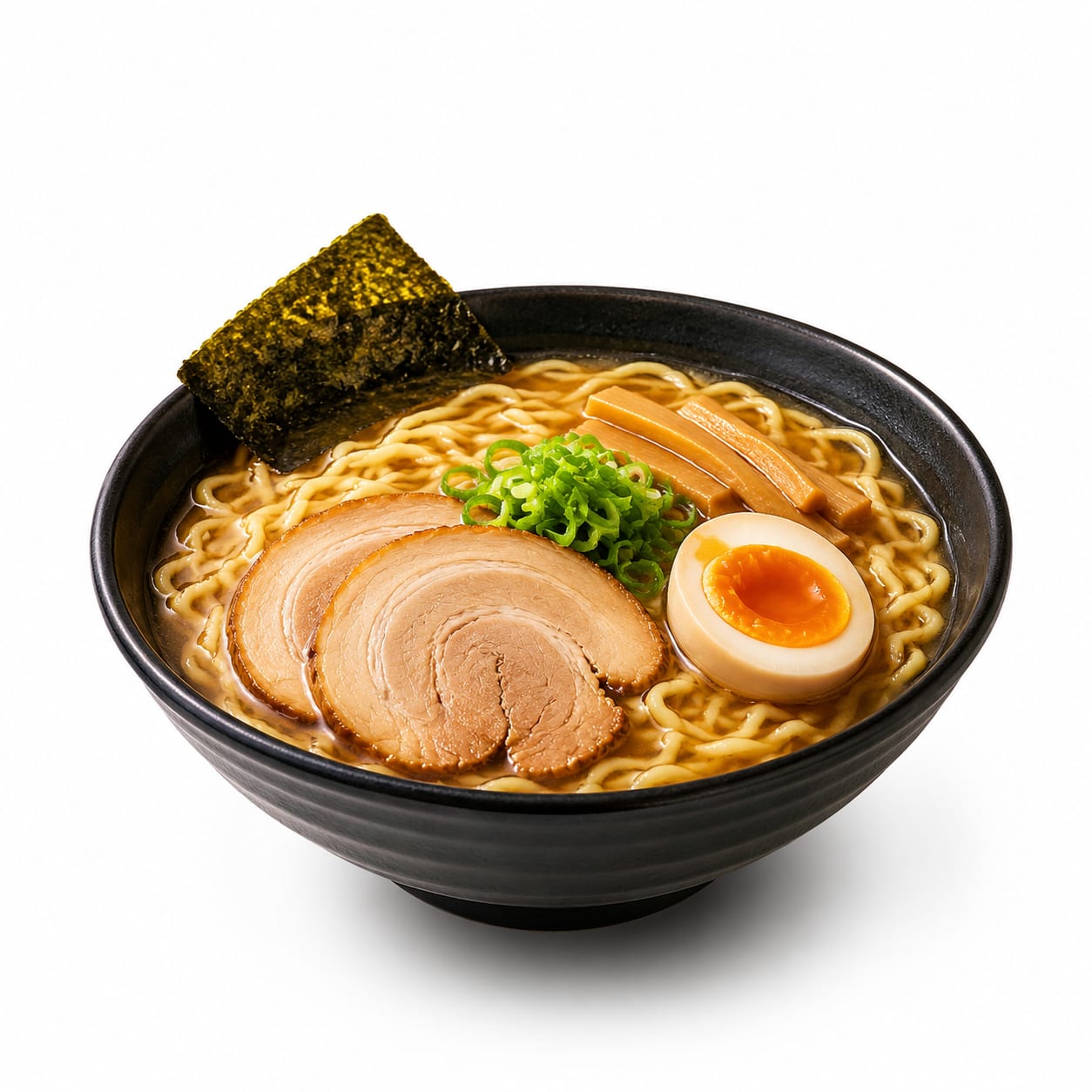
Ramen
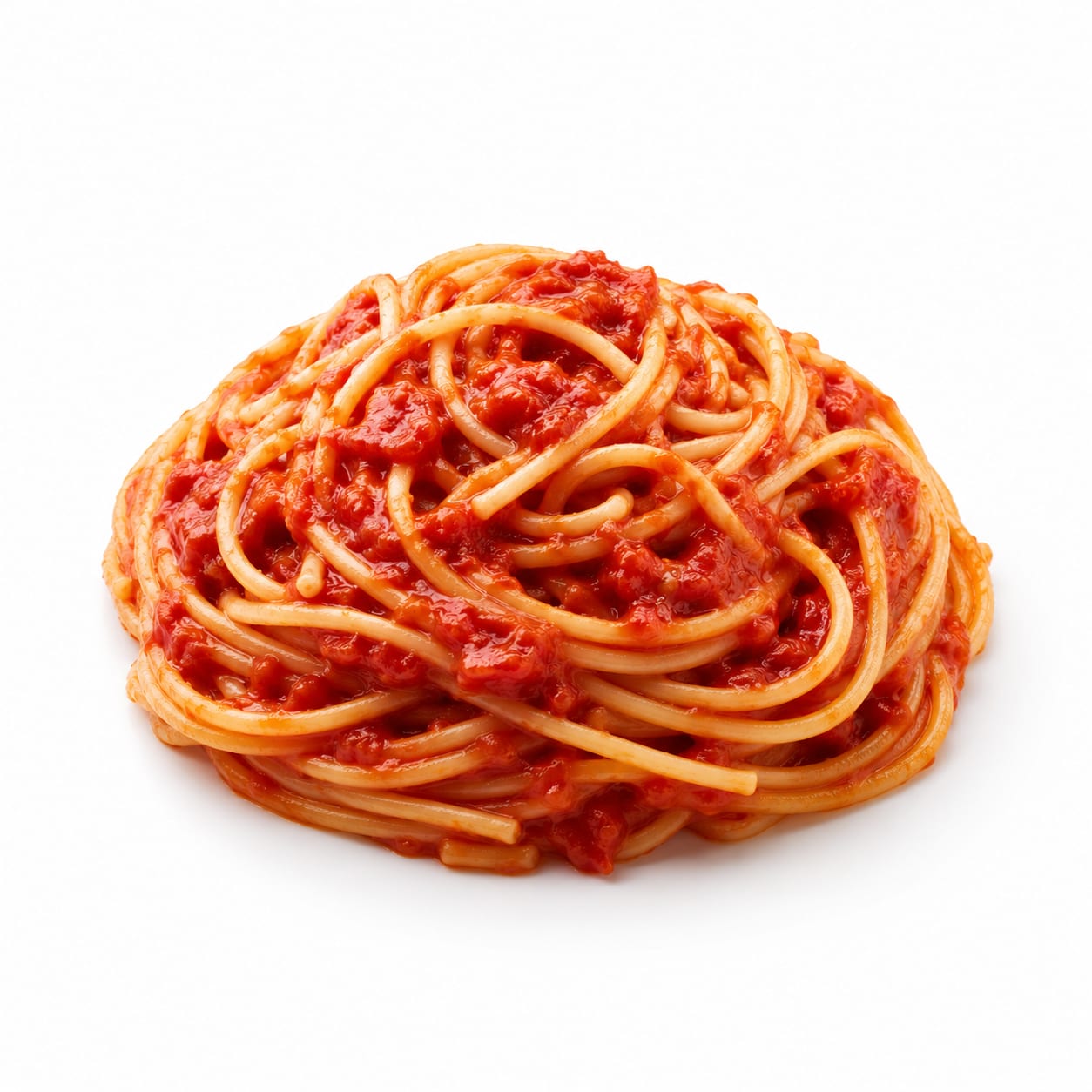
Spaghetti
Spaghetti is the healthier everyday carb base, while Ramen trades nutrition for extreme convenience and a massive sodium hit.
Spaghetti scores significantly higher due to lower sodium, cleaner ingredients, and better long-term health outcomes. Ramen's extreme convenience keeps it from scoring lower, but its processing and sodium load are major drawbacks.
Quick comfort now (Ramen) versus steadier energy and better heart health later (Spaghetti).
At a glance
Executive summary
Overall
Spaghetti
Healthier
Spaghetti
More practical
Ramen
Daily use
Spaghetti
Key comparison lenses
Sodium and Heart Health
Instant Ramen is notoriously high in sodium, making blood pressure risk the most critical difference between these two noodles.
Convenience and Speed
Ramen is a 3-minute meal, while Spaghetti requires boiling and actual cooking, driving a lot of everyday choice between them.
Processing and Additives
Instant Ramen is ultra-processed with preservatives and flavor packets, whereas Spaghetti is a simple grain product.
Satiety and Blood Sugar
Both are refined carbs, but Ramen's deep-frying process makes it digest faster, causing quicker energy crashes.
Best choice for
Ramen
- Broke college students needing fast calories
- Exhausted nights when cooking feels impossible
- Salty comfort food cravings
Spaghetti
- Family dinners that need a versatile base
- Meal prepping for the week
- Anyone watching their blood pressure
Least suitable for
Ramen
- People with hypertension
- Anyone avoiding ultra-processed foods
- Daily lunch habits
Spaghetti
- Needing a meal in under 5 minutes
- Strict low-carb or keto diets
Deep comparison
Dimension by dimension
Each lens scores both foods and breaks down who each option suits.
- Dimension 1 · Priority 95Spaghetti
Sodium and Heart Health
Ramen · 8Spaghetti · 85Ramen packs a day's worth of sodium in one bowl, while Spaghetti is naturally very low in sodium.
Tradeoff
You trade heart health for intense flavor and convenience with Ramen.
Why it matters
High sodium directly raises blood pressure and increases stroke risk over time.
Real-world impact
Eating Ramen often leaves you parched and bloated by the afternoon; Spaghetti keeps you feeling normal.
Ramen
- Intense savory flavor cravings
Better for
- Heart health
- Fluid retention
Worse for
Spaghetti
- Managing blood pressure
- Avoiding post-meal thirst
Better for
- Bland without added salt or sauce
Worse for
- Dimension 2 · Priority 90Ramen
Convenience and Speed
Ramen · 98Spaghetti · 55Ramen is ready in 3 minutes with zero skill; Spaghetti takes 12 minutes and requires draining.
Tradeoff
Spaghetti demands more prep time but yields a more substantial, versatile meal.
Why it matters
When you are exhausted, a 3-minute meal is often the difference between eating and skipping dinner.
Real-world impact
Ramen saves you on late nights; Spaghetti requires actually boiling water and waiting.
Ramen
- Late-night meals
- Minimal cooking equipment
- Ultra-fast prep
Better for
- Gourmet meal experiences
Worse for
Spaghetti
- Batch cooking
- Making leftovers for tomorrow
Better for
- Instant gratification
- Low-effort cooking
Worse for
- Dimension 3 · Priority 85Spaghetti
Processing and Additives
Ramen · 12Spaghetti · 60Instant Ramen is ultra-processed with preservatives and flavor enhancers; Spaghetti is simply flour and water.
Tradeoff
Ramen's long shelf life and instant prep come from heavy industrial processing.
Why it matters
Ultra-processed foods are linked to overeating, poor gut health, and long-term metabolic risks.
Real-world impact
Spaghetti feels like real food you can build a meal around; Ramen feels like a science experiment in a packet.
Ramen
- Pantry shelf-stability for months
Better for
- Digestive irritation from additives
- Hidden MSG sensitivities
Worse for
Spaghetti
- Clean ingredient lists
- Avoiding artificial preservatives
Better for
- Faster spoilage if overcooked and stored poorly
Worse for
- Dimension 4 · Priority 75Spaghetti
Satiety and Blood Sugar
Ramen · 25Spaghetti · 55Spaghetti digests slower, keeping you full longer; Ramen causes a rapid blood sugar spike and crash.
Tradeoff
Ramen gives quick comfort but leaves you hungry an hour later.
Why it matters
Steady energy prevents afternoon crashes and unnecessary late-night snacking.
Real-world impact
A Spaghetti dinner holds you until morning; Ramen often leaves you scavenging for snacks before bed.
Ramen
- Quick pre-workout energy
Better for
- Rebound hunger
- Blood sugar spikes
Worse for
Spaghetti
- Sustained energy for hours
- Avoiding the carb crash
Better for
- Feeling too full if overeaten
Worse for
Timeline
Health impact over time
Short-term
Hours to days
Ramen
- Quick energy followed by a crash
- Extreme thirst from sodium overload
- Bloating and water retention
Spaghetti
- Satisfying fullness that lasts a few hours
- Steadier energy without the spike
- Possible heaviness if portions are too large
Long-term
Months to years
Ramen
- Increased risk of hypertension and stroke
- Higher likelihood of metabolic syndrome
- Poor overall diet quality if eaten frequently
Spaghetti
- Sustainable carb base for a balanced diet
- Easier weight management when paired with healthy sauces
- Risk of weight gain if portions are huge and sauces are creamy
Risk profile
Safety & processing
Instant Ramen relies on deep-frying and chemical preservatives for its convenience, while Spaghetti is a simple traditional grain product with minimal intervention.
Ramen
Extreme sodium intake
highCan exceed daily limits in a single meal, heavily stressing the cardiovascular system.
MSG sensitivity
lowFlavor packets often contain MSG, which can cause headaches or flushing in sensitive individuals.
TBHQ preservative
lowUsed in the noodle block to prevent rancidity; safe in small amounts but a marker of ultra-processing.
Spaghetti
Glyphosate residue
lowConventional wheat may carry trace pesticide residues; choosing organic mitigates this.
Acrylamide formation
lowOvercooking or burning pasta can form trace carcinogens, though risk is much lower than in fried foods.
Who wins for whom
Audience fit
Same foods, different winners depending on your goal.
children
SpaghettiKids need far less sodium than Ramen provides, making Spaghetti a much safer and more nutritious staple.
daily consumption
SpaghettiSpaghetti can be a daily staple with varied sauces; Ramen daily is a cardiovascular hazard.
diabetes
SpaghettiSpaghetti digests slower, especially al dente, preventing the severe blood sugar spikes caused by instant Ramen.
elderly
SpaghettiBlood pressure management is critical with age, making Spaghetti the clear winner over the sodium bomb of Ramen.
muscle gain
It dependsBoth are carb sources, but Spaghetti is easier to pair with high-protein meat sauces, while Ramen is faster post-workout if you just need carbs.
weight loss
SpaghettiSpaghetti is more filling per calorie, making it easier to control portions and avoid rebound hunger.
Your move
Decision guide
Choose Ramen
- You are on a very tight budget and need cheap calories
- You are exhausted and need a hot meal in 3 minutes
- You are sick and just want salty, comforting broth
Choose Spaghetti
- You want a real dinner that actually fills you up
- You are watching your blood pressure or heart health
- You want to meal prep for the week
- You are feeding a family
Either works if
- You are just looking for a carb base and will carefully control the added fats and sodium
- You plan to load the dish with vegetables and lean protein anyway
Avoid both if
- You are strictly limiting carbohydrates
- You have severe gluten intolerance or celiac disease
Final recommendation
Keep Spaghetti as your everyday noodle for better health and steadier energy. Treat Ramen as an occasional convenience tool for exhausted nights, and always consider tossing half the seasoning packet to save your heart.
Practical
Consumer tips
- 1
Use only half the Ramen seasoning packet to cut sodium by 50% without losing all the flavor.
- 2
Add a handful of spinach and a soft-boiled egg to Ramen to make it more nutritious and filling.
- 3
Cook Spaghetti al dente to lower its glycemic index and keep your energy steadier.
- 4
Toss Ramen noodles with your own low-sodium broth or miso instead of the included flavor packet.
- 5
Choose whole wheat or chickpea Spaghetti to easily double the fiber and protein of your meal.