
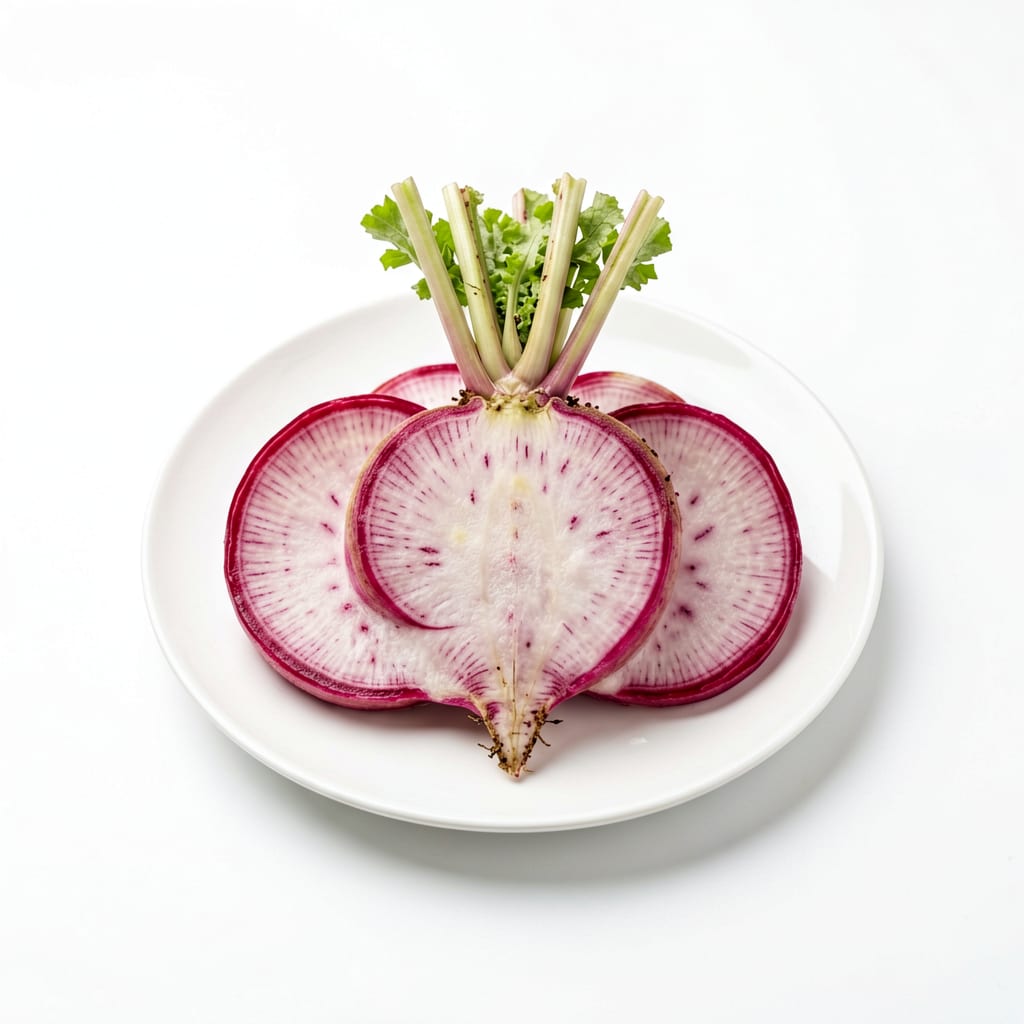
Root Vegetable
Radish
A crisp, peppery root vegetable with extremely low calories and high water content, ideal for volume eating.
Radishes are crisp, peppery root vegetables belonging to the Brassicaceae family, commonly eaten raw in salads or used as a crunchy garnish.
high-volume low-calorie root vegetable
Typical serving · 85g
Common varieties · red globe, daikon, black, watermelon, white icicle +1 more
Overall context score across nutrition, safety, and diet fit
At a glance
Quick facts
Simple indicators based on nutrition, processing, and diet fit.
The story
What makes it unique
Radishes digest quickly due to their high water and low fiber content. They provide mild satiety primarily through volume and crunch rather than macronutrient density. Their macronutrient profile is negligible, consisting mostly of water and complex carbohydrates with minimal sugar. As a raw, unprocessed vegetable, they retain all natural enzymes and phytochemicals, particularly glucosinolates.
Varieties: red globe · daikon · black · watermelon · white icicle · french breakfast
Per 100g
Nutrition breakdown
Macro balance and key metrics at a glance.
Energy
Density 0.16 kcal/g
Protein
Carbs
Fat
Fiber
Sugar
1.9 g
Sodium
39 mg
Potassium
233 mg
Glycemic index
15
Glycemic load
1
Water content
95.3%
Standout compounds
Nutrient highlights
Vitamin C
moderateSupports immune function and collagen synthesis
Potassium
moderateHelps regulate blood pressure and fluid balance
Glucosinolates
moderateSulfur compounds that support cellular detoxification
Fiber
lowPromotes bowel regularity and feeds gut bacteria
Wellness map
Health scores & processing
NOVA processing scale
minimally processed · Whole food
Raw radishes are unprocessed whole foods that require no alteration from their natural state before consumption.
Diet compatibility
- Weight loss
- Muscle gain
- Diabetes
- Gut health
- Low carb
- High protein
- Heart health
Relative standing
Food rankings
Qualitative ranks compared to similar whole foods.
- Satietygood
- Blood sugarexcellent
- Nutrient densitygood
- Fitness fuelpoor
- Processing qualityexcellent
Eat with confidence
Food safety profile
Radishes grow underground and are directly exposed to soil and agricultural chemicals. While microbial risk is low, pesticide residue on the skin is the primary concern.
Evidence confidence 85%
- Pesticidesmoderate
- Antibioticslow
- Heavy metalslow
- Contaminationlow
Watch for
- soil residue
- pesticide residue
Safer choices
Organic radishes to avoid synthetic pesticide exposure on the edible skin.
Prep tips
Scrub thoroughly under running water to remove soil and potential pesticide residue. Peeling reduces pesticide risk but also removes dietary fiber.
Standard agricultural pesticide monitoring applies; root vegetables can intercept soil-applied chemicals.
Deep dive
Health analysis
How this food may fit different goals and preparation choices.
Weight loss
Extremely low energy density allows large portions for minimal calories, making it easier to maintain a calorie deficit.
Blood sugar
Very low glycemic index and load prevent blood sugar spikes, making them safe for glucose management.
Fitness & energy
Lacks the carbohydrate density required for sustained athletic performance or muscle recovery.
Gut health
Provides mild fiber to support digestion, while glucosinolates may promote beneficial gut bacteria.
Processing quality
Whole, unprocessed food retaining all natural vitamins, minerals, and phytochemicals.
Food safety
Primary concern is pesticide residue on the skin; thorough washing or choosing organic mitigates this.
Common mistakes
Discarding the leaves; radish greens are edible and highly nutritious, often containing more vitamin C and calcium than the root.
Best preparation
Raw to preserve vitamin C and crunch, or lightly roasted to mellow the peppery bite and enhance natural sweetness.
Practical guide
Best use cases
When and how this food fits real eating patterns.
High-volume low-calorie snacking
Eating raw radishes with a pinch of salt or hummus provides maximum crunch and satiety for minimal caloric cost.
Blood sugar friendly side dish
Sliced into salads or bowls, they add bulk and flavor without impacting glycemic load.
Digestive palate cleanser
The peppery flavor and high water content stimulate digestion and refresh the palate between heavier courses.
Balance sheet
Pros & cons
Upsides
- Extremely low in calories and energy density
- Very low glycemic impact suitable for diabetics
- High water content promotes hydration and fullness
- Contains unique sulfur compounds for cellular health
- Provides a satisfying crunch for raw snacking
Trade-offs
- Very low protein and fat require pairing for balanced meals
- Raffinose content can cause bloating in sensitive individuals
- Pesticide residue risk requires thorough washing
- Spicy flavor profile is not universally appealing
Fit check
Who is it for?
Great match
- high-volume eating
- strict low-carb diets
- blood sugar management
- raw food diets
Consider alternatives
- post-workout recovery
- muscle building
- calorie-dense diets
Side by side
How it compares
Open the full head-to-head analysis for nutrition, safety, and practical tradeoffs.
This food
Radish
VS85% alike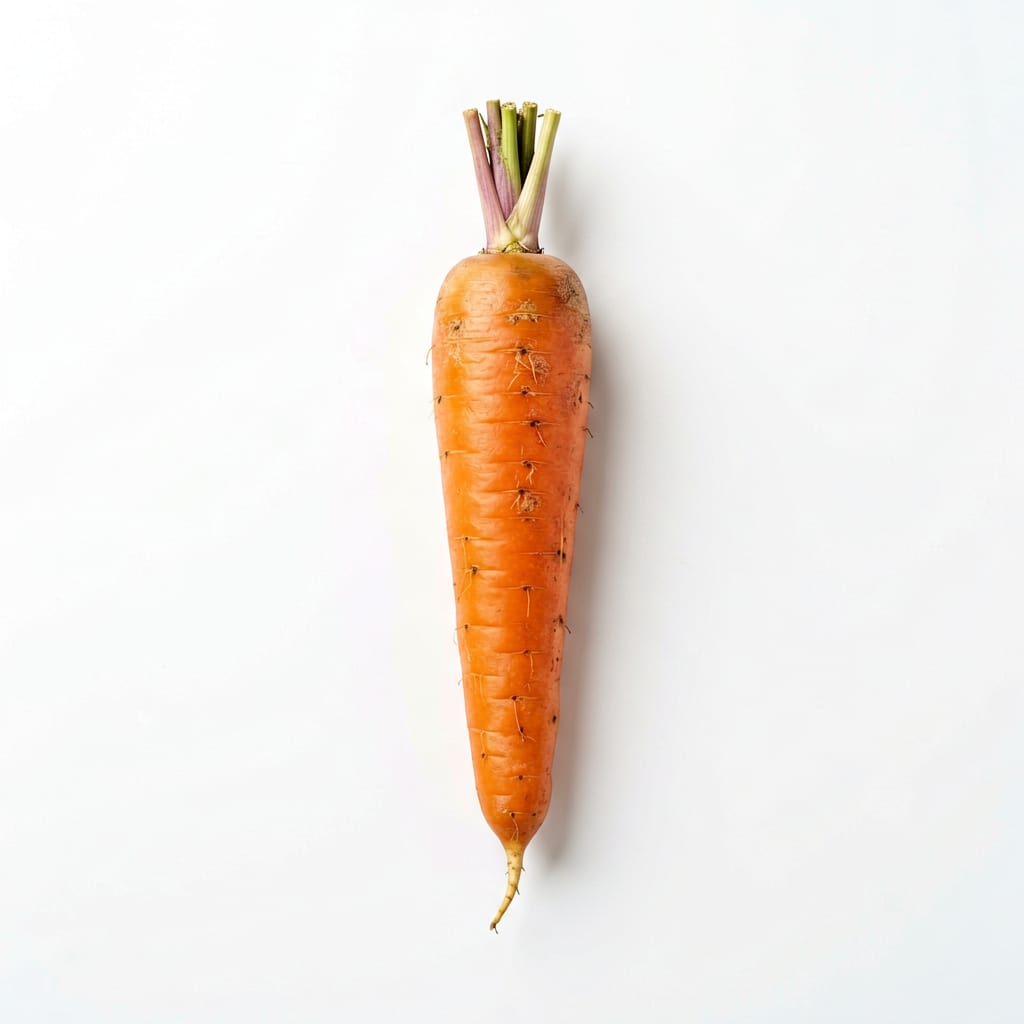
Compare with
Carrot
Radishes are lower in calories and sugar, while carrots provide more beta-carotene and natural sweetness.
Radishes are lower in sugar and calories than carrots, making them better for blood sugar control, while carrots offer more sustained energy and vitamin A.
This food
Radish
VS80% alike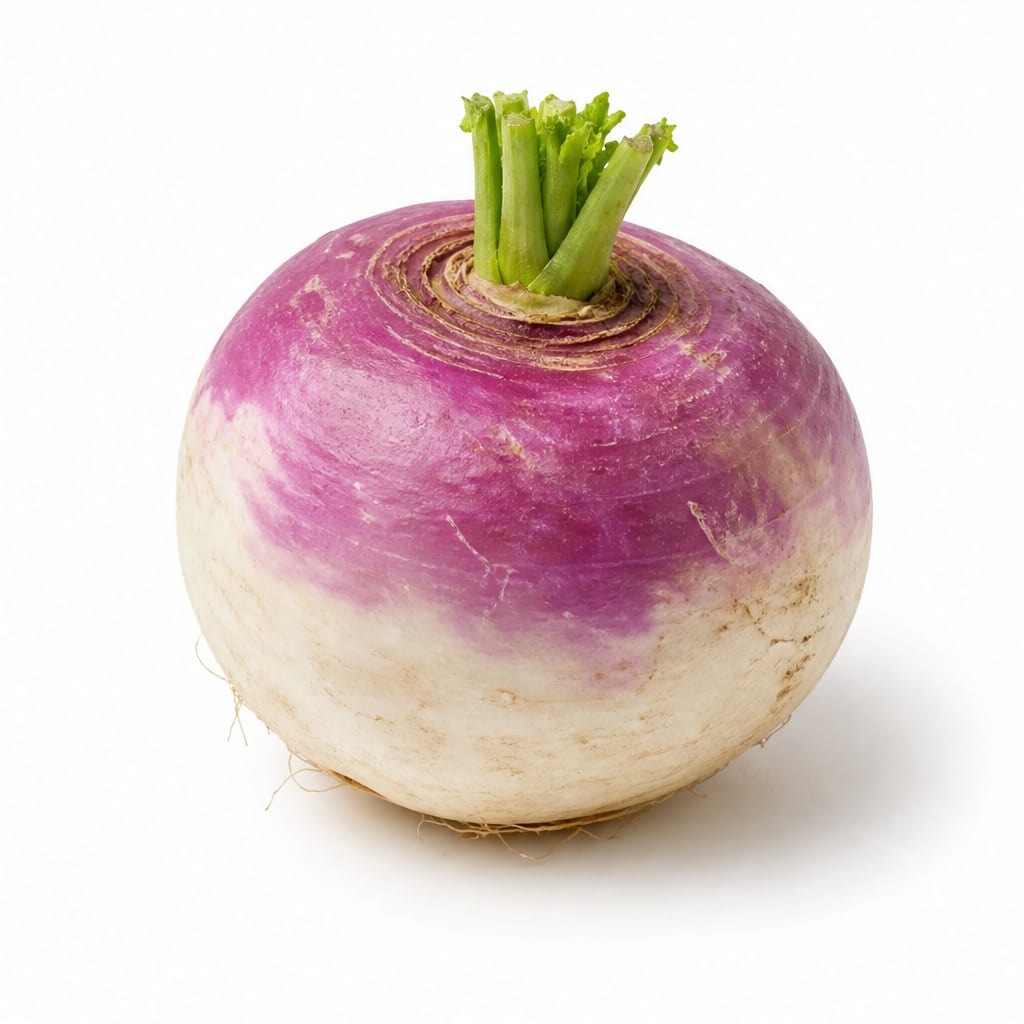
Compare with
Turnip
Radishes are typically eaten raw with a peppery bite, while turnips are larger, milder, and usually cooked.
Radishes are lower in calories and better for raw snacking, while turnips provide more fiber and complex carbs for cooked dishes.
This food
Radish
VS75% alike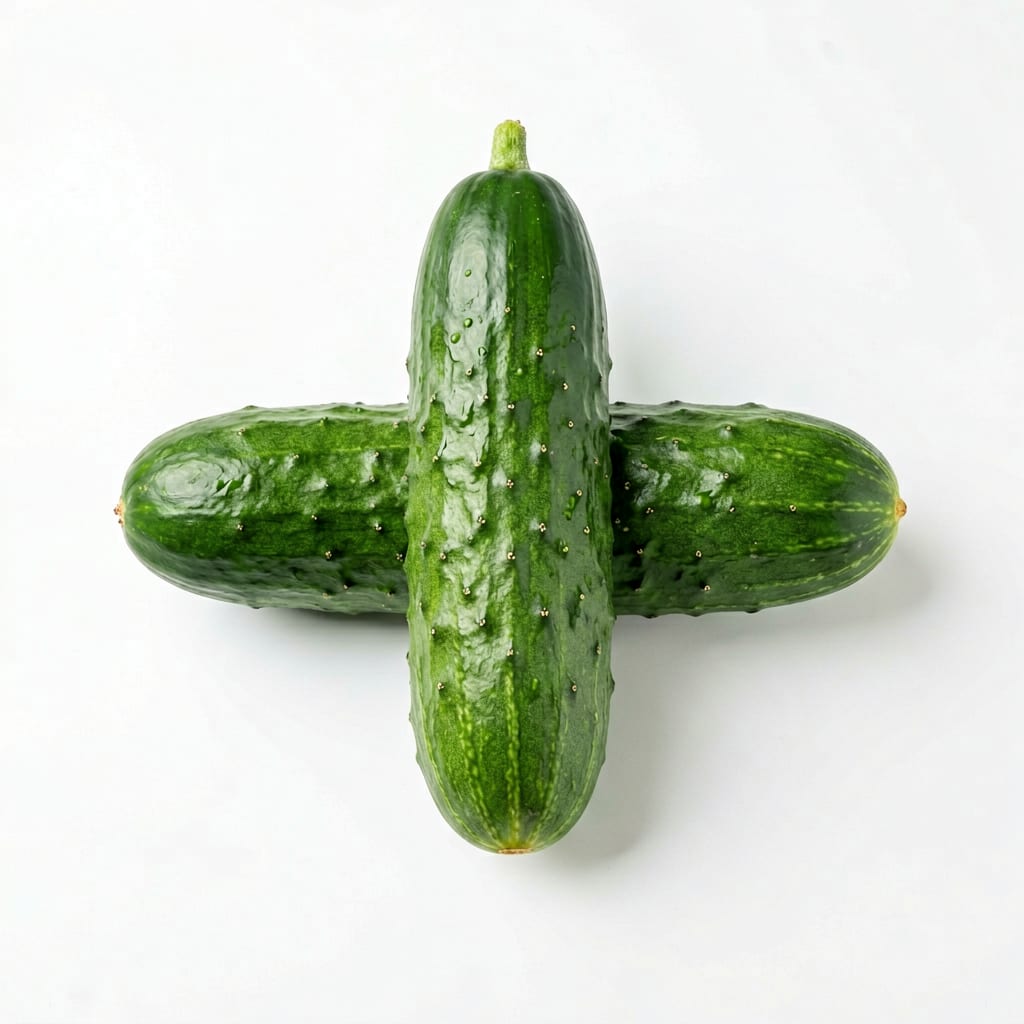
Compare with
Cucumber
Cucumbers are milder and slightly lower in calories, but radishes offer more vitamin C and a sharper flavor.
Cucumbers are slightly lower in calories, but radishes provide more fiber and vitamin C with a peppery crunch.
This food
Radish
VS70% alike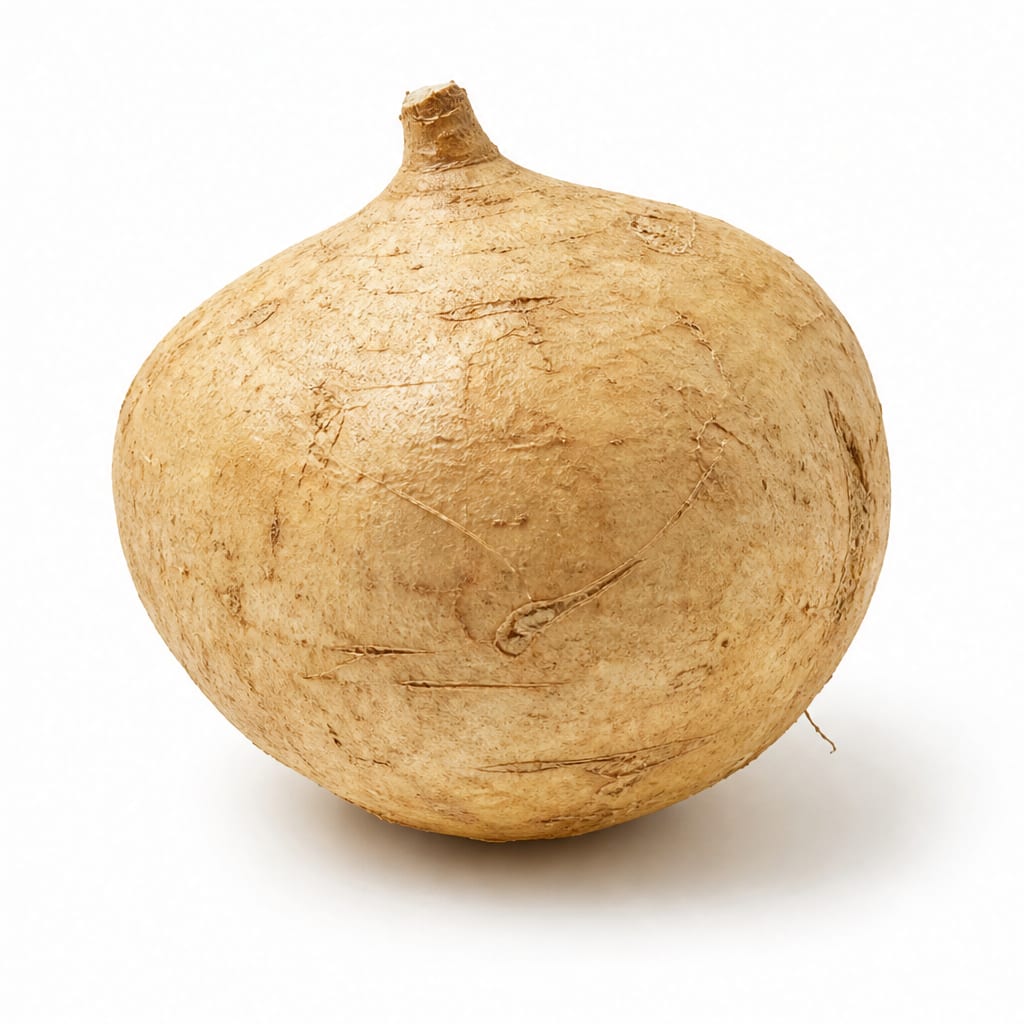
Compare with
Jicama
Jicama is sweeter and higher in fiber, while radish is peppery and lower in carbohydrates.
Jicama offers more fiber and a sweet crunch, while radishes are lower in carbs and calories with a spicy kick.
This food
Radish
VS75% alike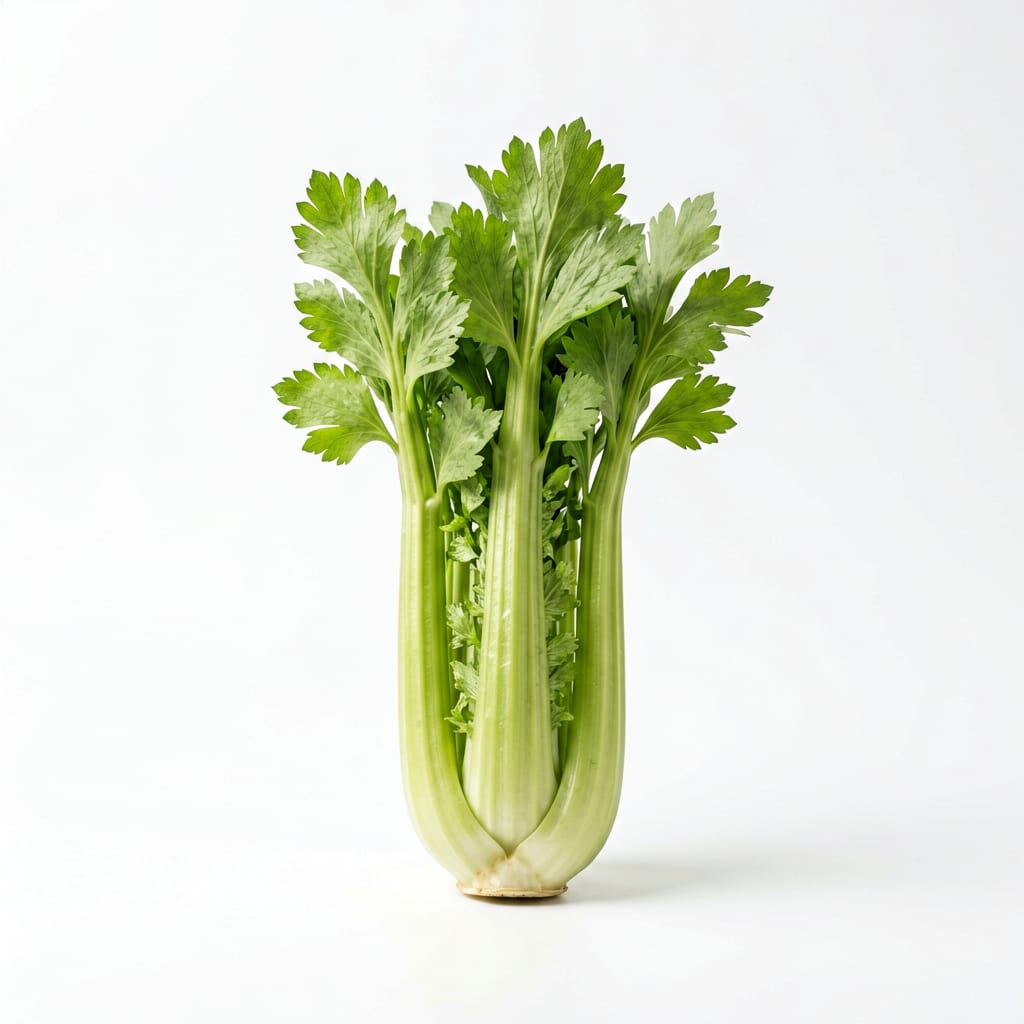
Compare with
Celery
Celery is slightly lower in calories, but radishes provide more vitamin C and a distinct flavor profile.
Celery is marginally lower in calories, but radishes pack more vitamin C and a peppery flavor that enhances salads.
This food
Radish
VS70% alike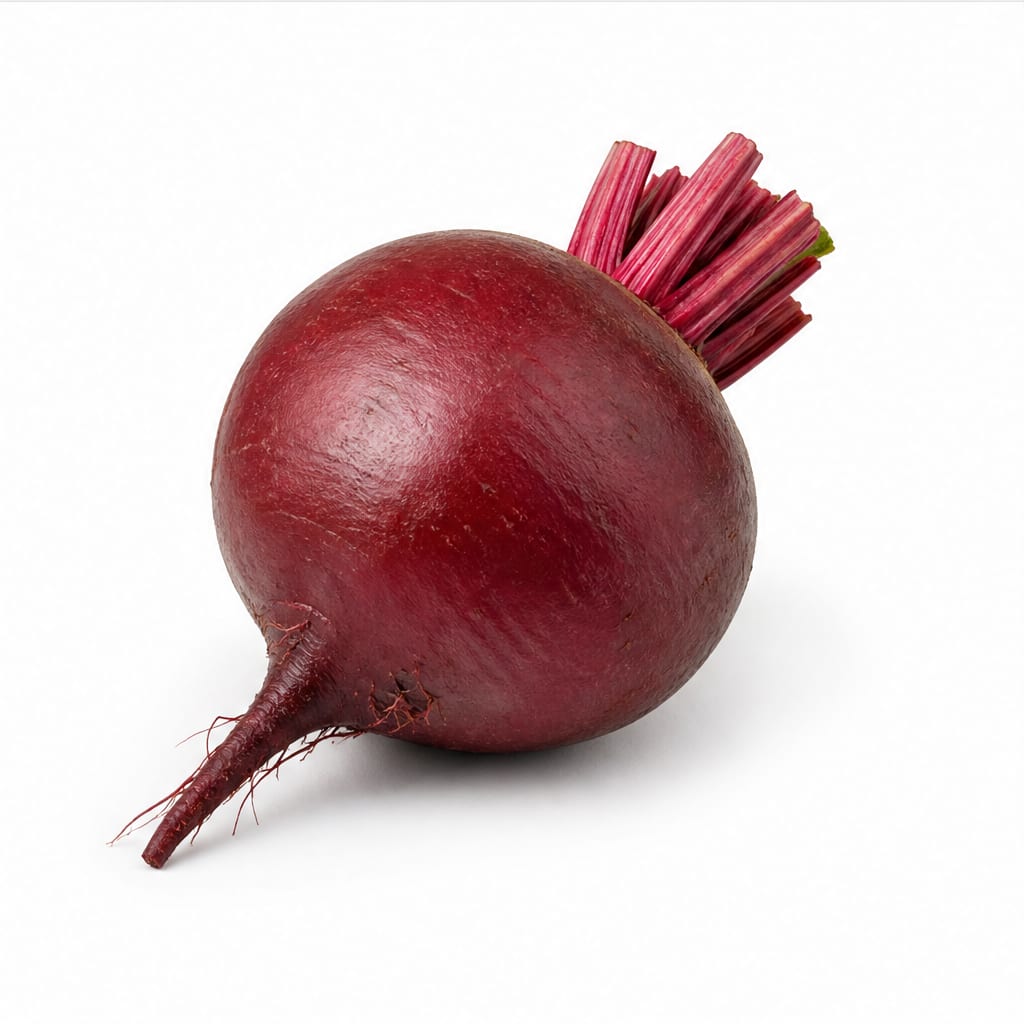
Compare with
Beet
Radishes are low-calorie and raw-friendly, while beets are higher in sugar, carbs, and nitrates for athletic performance.
Radishes are superior for low-calorie diets, while beets provide more carbohydrates and dietary nitrates for exercise performance.
This food
Radish
VS95% alike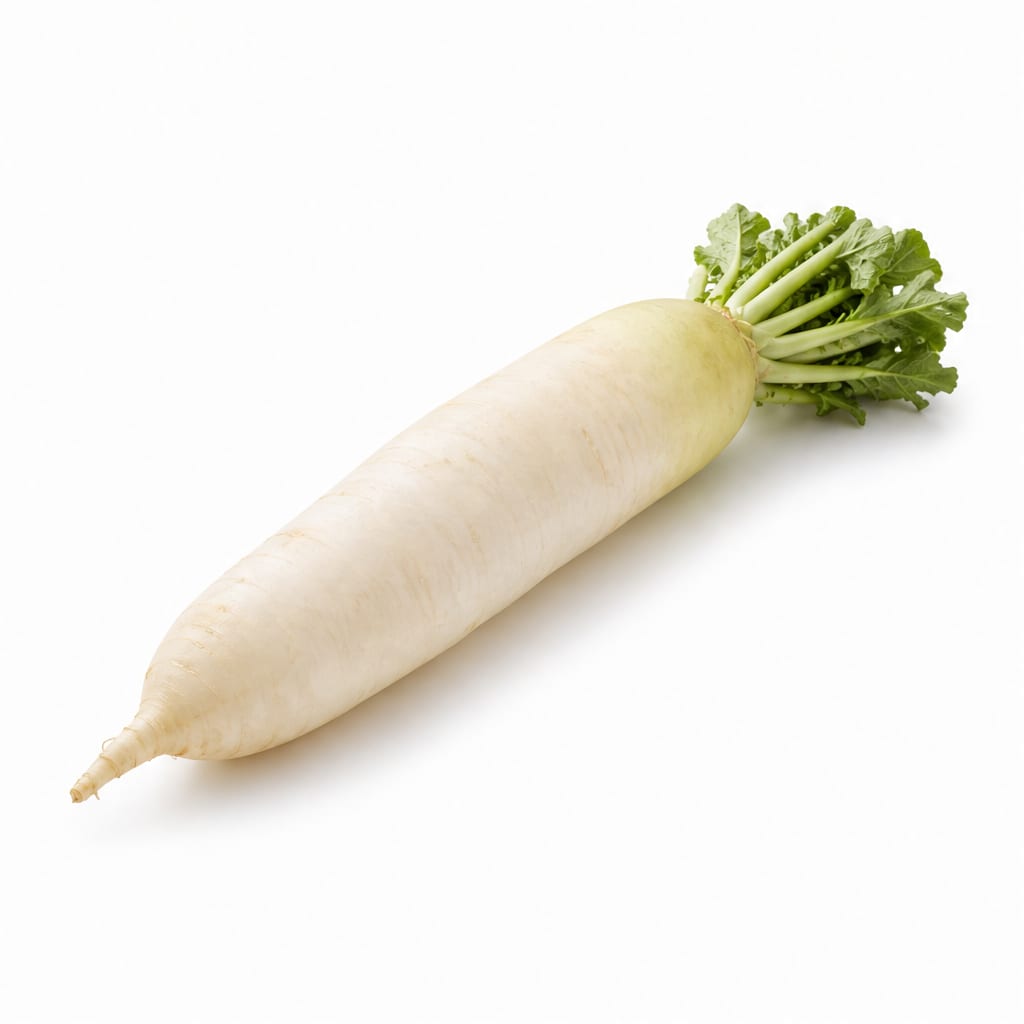
Compare with
Daikon Radish
Red radishes are smaller, spicier, and typically eaten raw, while daikon is milder, larger, and often cooked or fermented.
Both are low-calorie radishes, but daikon is milder and higher in fiber, while red radishes offer a spicier crunch for raw dishes.
This food
Radish
VS65% alike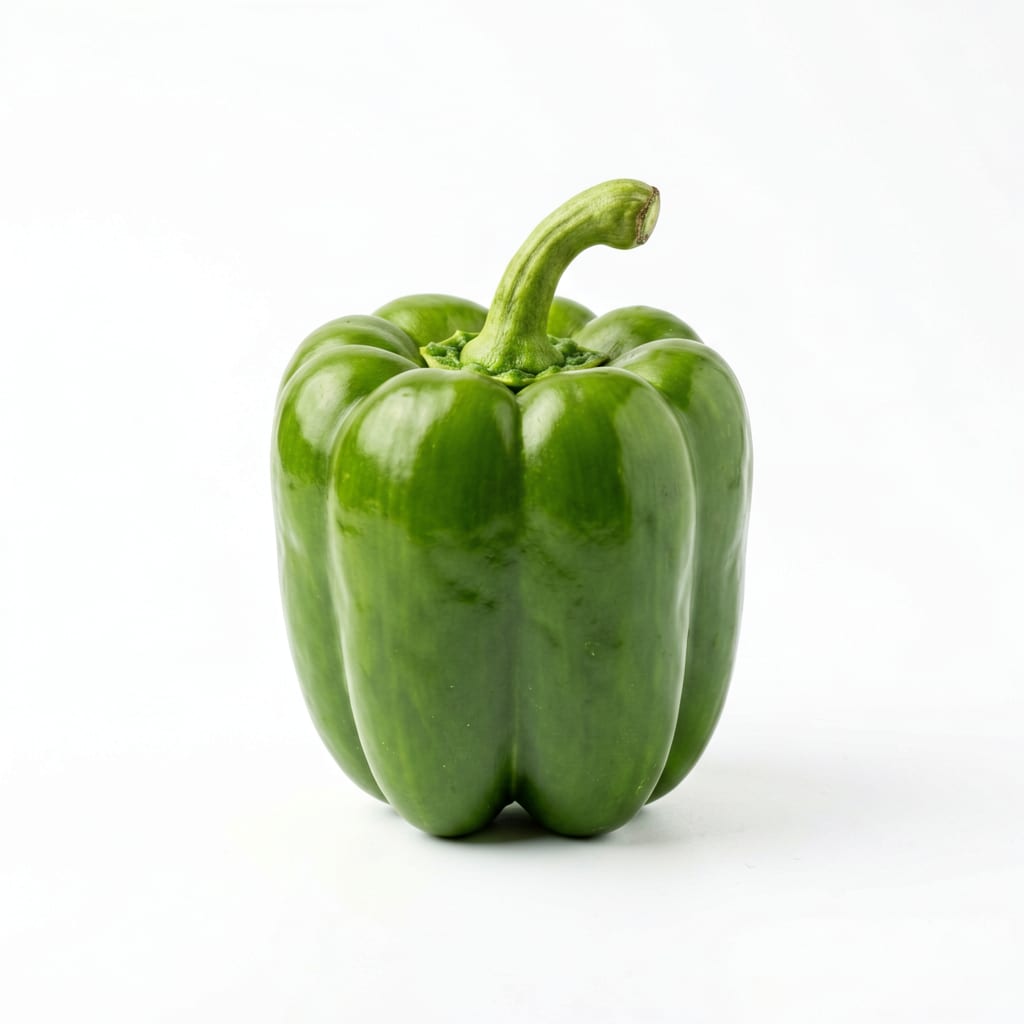
Compare with
Bell Pepper
Bell peppers are significantly higher in vitamin C and sugar, while radishes are lower in carbs and calories.
Radishes are lower in sugar and better for strict low-carb diets, while bell peppers provide much more vitamin C and natural sweetness.
This food
Radish
VS65% alike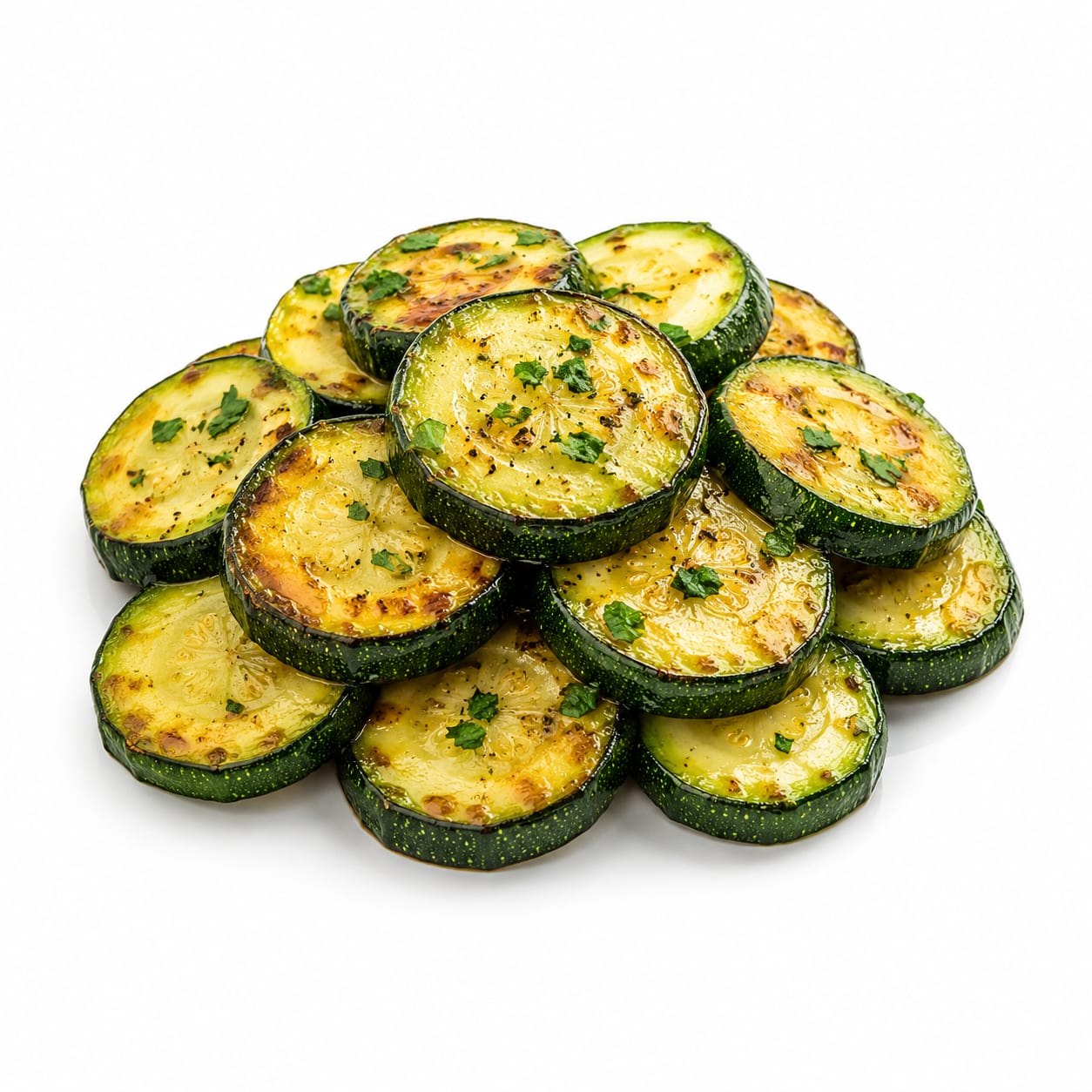
Compare with
Zucchini
Zucchini is milder and more versatile in cooking, while radishes offer a spicy crunch and fewer carbs raw.
Zucchini is slightly lower in calories and more versatile for cooking, while radishes are lower in carbs and better for raw crunch.
This food
Radish
VS60% alike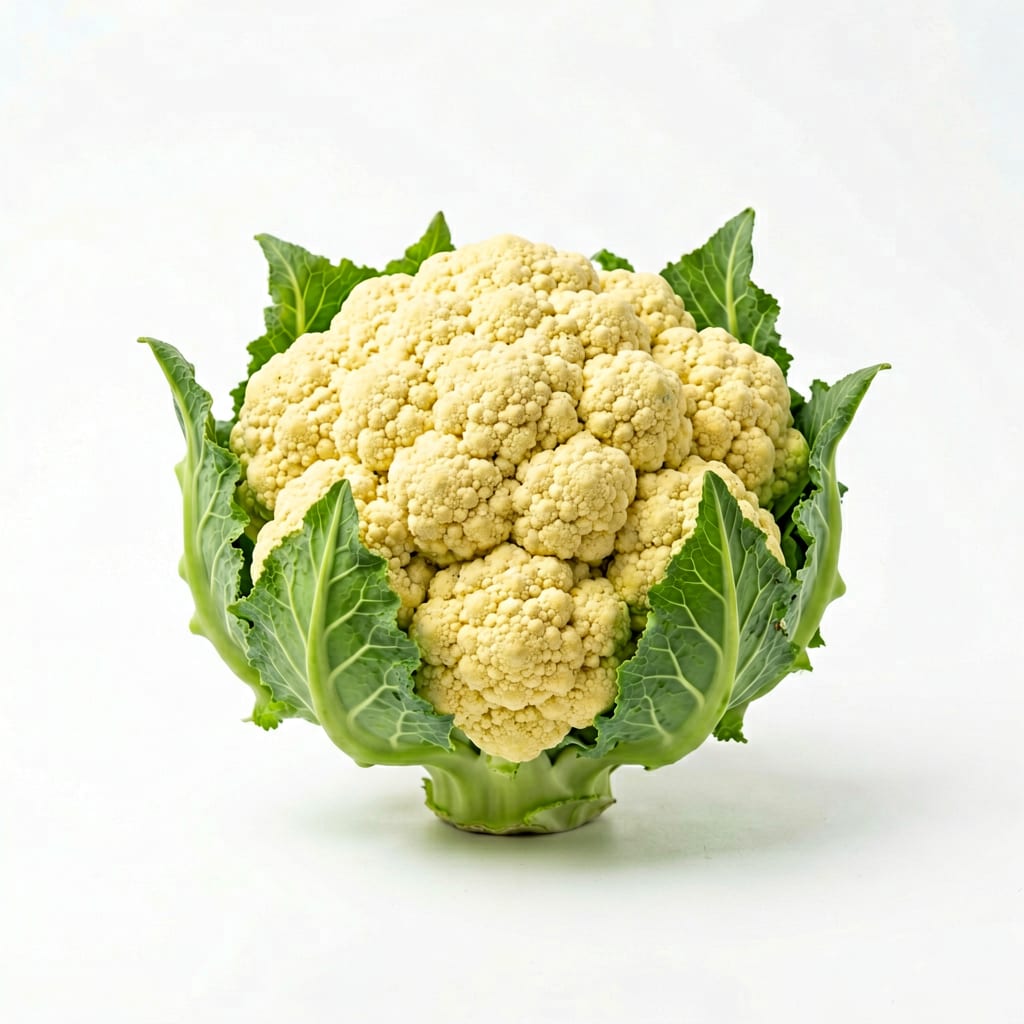
Compare with
Cauliflower
Cauliflower is more versatile as a low-carb substitute, while radishes are primarily used raw for crunch.
Cauliflower offers more fiber and protein for satiety, while radishes provide a crisp, low-calorie bite with an even lower glycemic impact.
Common questions
FAQ
Answers aligned with how people search for this food.
Are radishes good for weight loss?
Yes, radishes are excellent for weight loss. They are 95% water and contain only 16 calories per 100g, allowing you to eat a large volume of food for very few calories.
Are radishes keto friendly?
Yes, radishes are very keto friendly. With only 3.4g of carbohydrates and 1.6g of fiber per 100g, they yield just 1.8g of net carbs.
Can diabetics eat radishes?
Yes, diabetics can safely eat radishes. They have a glycemic index of 15 and a glycemic load of 1, meaning they will not cause blood sugar spikes.
Do radishes make you gassy?
Radishes can cause gas or bloating in some people because they belong to the cruciferous vegetable family, which contains raffinose, a complex sugar that is difficult to digest.
Is it safe to eat raw radishes?
Yes, raw radishes are safe and commonly eaten. Just ensure they are washed thoroughly to remove soil and potential pesticide residue.
What do radishes do for your gut?
Radishes support gut health by providing dietary fiber for regularity and containing glucosinolates, which break down into compounds that may help reduce inflammation in the digestive tract.
Are radish greens edible?
Yes, radish greens are completely edible and highly nutritious. They can be cooked like spinach or added to pestos, providing a good source of vitamin C and calcium.
Transparency
Data confidence
Estimated confidence for nutrition data, interpretation, safety notes, and comparisons.
Nutrition data
Health analysis
Food safety
Comparisons