
Nutrition comparison
Radish vs Turnip: Which Root Vegetable Is Better for You?
Compare radish and turnip nutrition, calories, taste, and best uses. Find out which low-calorie root vegetable fits your diet and cooking style better.
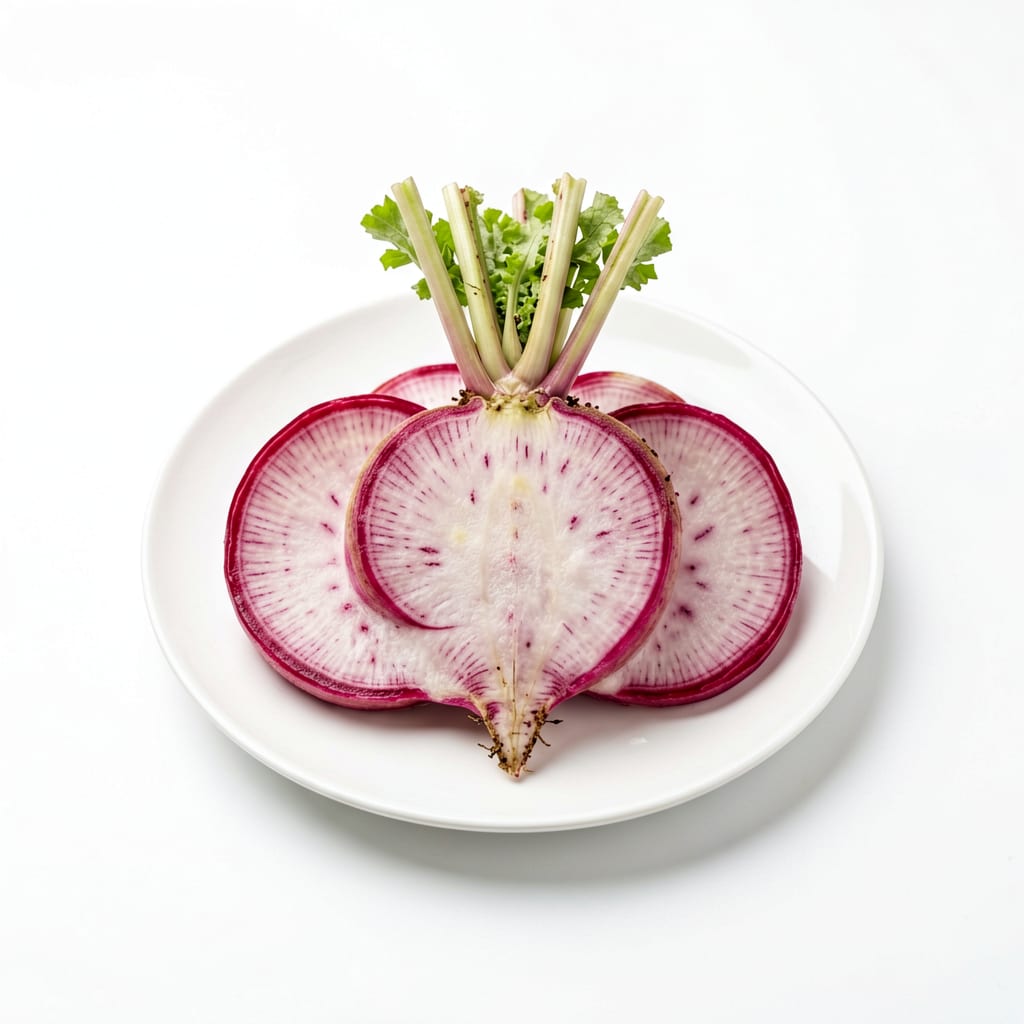
Radish
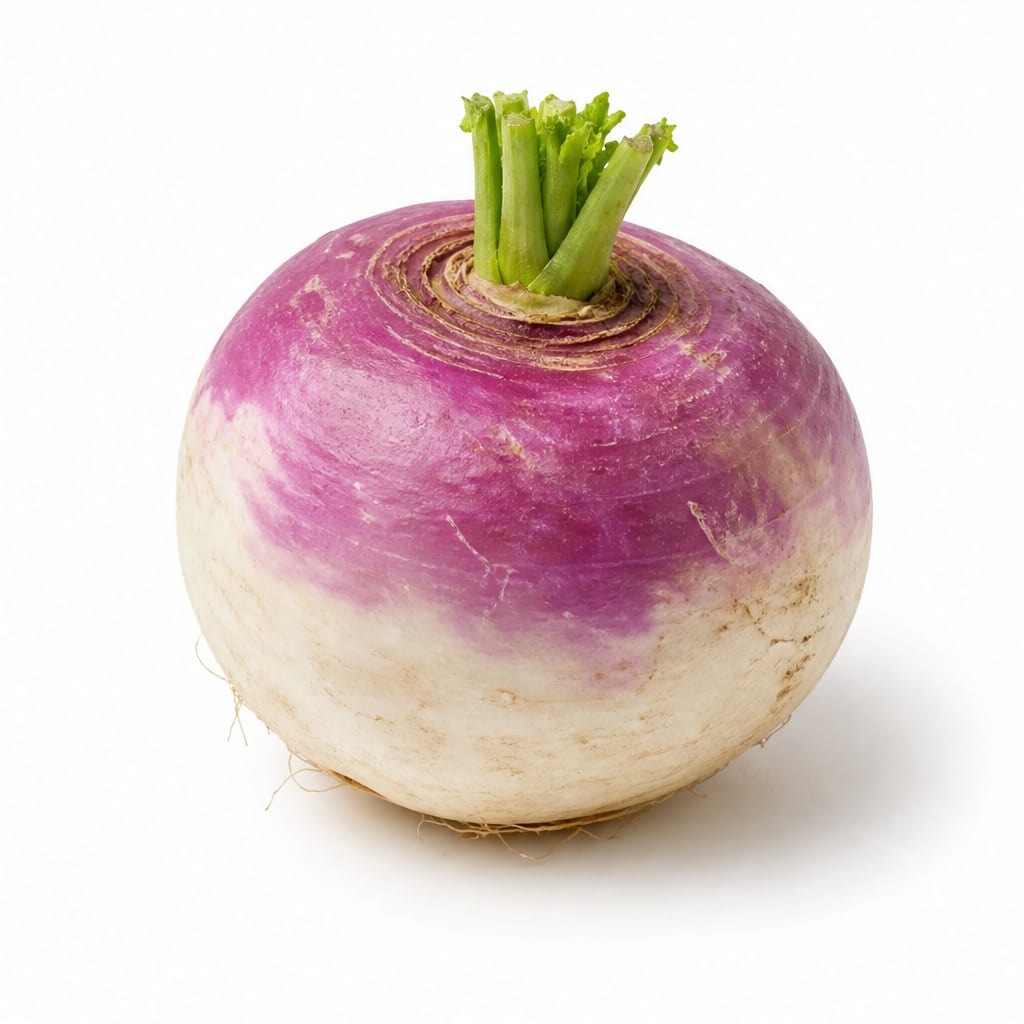
Turnip
Radish wins for raw snacking and calorie cutting; turnip wins for cooking versatility and overall nutrient volume.
Turnip scores slightly higher due to greater versatility, more fiber per serving, and better satiety. Radish excels in its niche but has fewer culinary applications.
Radish is lighter and crunchier with almost no calories, while turnip is more substantial and filling but slightly higher in carbs.
At a glance
Executive summary
Overall
It depends
Healthier
It depends
More practical
Turnip
Daily use
Turnip
Key comparison lenses
low-calorie snacking and weight management
Both are very low-calorie root vegetables often chosen by people watching their intake
nutritional density per calorie
Users want to know which gives more nutrients for the calories consumed
culinary versatility and meal integration
Radish is typically raw, turnip is typically cooked, which affects how people use them day-to-day
digestive comfort and gut tolerance
Cruciferous vegetables can cause bloating, and tolerance varies between these two
blood sugar stability
Both are low-glycemic but have different carb profiles that matter for diabetics
Best choice for
Radish
- People seeking ultra-low-calorie crunchy snacks
- Raw food enthusiasts and salad lovers
- Anyone wanting a peppery flavor kick without calories
- Those who prefer quick no-cook side options
Turnip
- Home cooks wanting a versatile cooked vegetable
- People needing more filling meals on a budget
- Anyone meal-prepping soups, stews, or roasted dishes
- Families looking for a mild-flavored root vegetable kids might accept
Least suitable for
Radish
- People sensitive to peppery or pungent flavors
- Anyone wanting a substantial cooked side dish
- Those with severe cruciferous vegetable bloating
Turnip
- People wanting a crisp raw snack
- Anyone strictly limiting carbohydrate intake
- Those who dislike earthy or slightly bitter cooked flavors
Deep comparison
Dimension by dimension
Each lens scores both foods and breaks down who each option suits.
- Dimension 1 · Priority 88Radish
Calorie Density and Weight Management
Radish · 92Turnip · 74Radish delivers big crunch and flavor for almost zero calories, making it one of the lowest-calorie vegetables available.
Tradeoff
You get fewer calories with radish but also less substance — it will not fill you up the way turnip can.
Why it matters
When every calorie counts, radish lets you eat a large volume for minimal cost. Turnip still fits easily into most plans but has modestly more calories per cup.
Real-world impact
A cup of sliced radish costs you about 19 calories. A cup of cubed turnip runs about 36. Both are trivial, but radish gives you more crunch per calorie.
Radish
- Strict calorie counters
- Grazers who want volume without cost
Better for
- Those needing satiety from their vegetable portions
Worse for
Turnip
- People who need their vegetables to actually fill them up
- Anyone replacing higher-calorie sides like potatoes
Better for
- Anyone on an aggressive calorie-cutting phase wanting maximum volume
Worse for
- Dimension 2 · Priority 82Turnip
Nutritional Density
Radish · 60Turnip · 74Turnip provides more vitamin C, more fiber, and slightly more minerals per serving than radish.
Tradeoff
Turnip's larger serving size and greater substance mean more total nutrients, but radish still delivers respectable vitamin C for its weight.
Why it matters
If you are relying on vegetables as a meaningful nutrient source, turnip gives you more per serving. Radish is not empty but is less nutrient-dense overall.
Real-world impact
A cup of turnip gives you about 30% of daily vitamin C and 3g fiber. The same cup of radish gives roughly 18% vitamin C and under 2g fiber.
Radish
- Getting vitamin C in a raw, uncooked form
- Adding flavor variety without bulk
Better for
- Anyone relying heavily on one vegetable for broad nutrition
Worse for
Turnip
- Meeting daily fiber goals more easily
- Getting more total nutrition from a single vegetable serving
Better for
- Vitamin C degrades more with cooking, which is how turnip is usually prepared
Worse for
- Dimension 3 · Priority 79Turnip
Culinary Versatility
Radish · 48Turnip · 82Turnip can be roasted, mashed, boiled, stir-fried, or added to soups and stews. Radish is mostly eaten raw or pickled.
Tradeoff
Radish's crisp raw texture is unique and hard to replicate, but turnip integrates into far more cooked dishes across cuisines.
Why it matters
A vegetable you can cook ten ways is easier to eat regularly without getting bored. Radish has a narrower role in most kitchens.
Real-world impact
Turnip can replace potato in many dishes for a lower-carb alternative. Radish is mostly a garnish, salad addition, or snack — it rarely anchors a meal.
Radish
- Raw salads and crudité platters
- Quick pickling and garnishes
- No-cook meal prep
Better for
- Anyone wanting a cooked vegetable side dish
- Meal-preppers relying on batch cooking
Worse for
Turnip
- Hearty soups and stews
- Roasted vegetable medleys
- Mashed as a potato substitute
- Stir-fries and braises
Better for
- Raw food diets
- Quick no-prep snacking
Worse for
- Dimension 4 · Priority 72Turnip
Digestive Tolerance
Radish · 55Turnip · 68Both are cruciferous and can cause gas, but turnip is usually cooked, which reduces compounds that trigger bloating.
Tradeoff
Raw radish is more likely to cause digestive discomfort in sensitive people, while cooked turnip is gentler on the gut.
Why it matters
If you have IBS or are sensitive to FODMAPs, how you prepare these vegetables matters more than which one you pick.
Real-world impact
A bowl of roasted turnip is usually easier on the stomach than a bowl of raw radish. Cooking breaks down the raffinose and fiber that cause gas.
Radish
- People who tolerate raw cruciferous vegetables well
- Anyone wanting digestive stimulation from bitter compounds
Better for
- IBS sufferers
- People who get gassy from raw salads
Worse for
Turnip
- People with sensitive digestion who cook their vegetables
- Anyone prone to bloating from raw veggies
Better for
- Those sensitive to higher fiber loads in general
Worse for
- Dimension 5 · Priority 68Radish
Blood Sugar Impact
Radish · 88Turnip · 76Both are low-glycemic, but radish has fewer carbs and an even milder effect on blood sugar.
Tradeoff
The difference is small in practice — neither will spike blood sugar — but radish is the safer bet for very strict glycemic control.
Why it matters
For diabetics, every gram of carbohydrate matters. Radish's near-zero carb content makes it essentially a free food.
Real-world impact
A cup of radish has about 4g carbs. A cup of turnip has about 8g. Both are low, but radish gives more room in a carb budget.
Radish
- Type 1 diabetics counting carbs precisely
- Very low-carb or keto dieters
Better for
- Those who need more substance to avoid overeating later
Worse for
Turnip
- Most type 2 diabetics who can accommodate moderate carbs
- Anyone wanting more sustained energy from their vegetables
Better for
- Strict keto adherents tracking every gram
Worse for
Timeline
Health impact over time
Short-term
Hours to days
Radish
- Quick hydration from high water content
- Peppery compounds may clear sinuses slightly
- Possible bloating if eaten raw in large amounts
Turnip
- More immediate satiety due to fiber and substance
- Gentle blood sugar stability after meals
- Possible gas if eaten in large quantities, especially undercooked
Long-term
Months to years
Radish
- Consistent low-calorie intake supports weight maintenance
- Vitamin C from raw consumption supports immune function long-term
- Glucosinolates may offer cancer-protective properties when consumed regularly
Turnip
- Fiber supports long-term digestive health and regularity
- Potassium contributes to blood pressure management over time
- Regular cooked cruciferous intake is associated with reduced inflammation
Risk profile
Safety & processing
Both radish and turnip are whole, unprocessed root vegetables typically sold fresh. Neither carries meaningful additive concerns when purchased whole.
Radish
Pesticide residue on skin
mediumRadish is often eaten unwaxed with skin on. Conventionally grown radish can retain pesticide residue on the surface. Washing thoroughly or choosing organic reduces this.
Contamination from soil
lowAs a root vegetable, radish grows in direct contact with soil. Proper washing eliminates most risk.
Turnip
Pesticide residue on skin
mediumTurnip skin can hold pesticide residue, though peeling before cooking significantly reduces exposure.
Soil-borne contamination
lowTurnip grows underground and contacts soil. Cooking eliminates most pathogen concerns, making it safer than raw radish in this regard.
Who wins for whom
Audience fit
Same foods, different winners depending on your goal.
children
TurnipCooked turnip has a milder, slightly sweet flavor that children tolerate better than radish's peppery bite.
daily consumption
TurnipTurnip's versatility across cooking methods makes it easier to incorporate daily without flavor fatigue.
diabetes
RadishRadish has fewer carbs and a lower glycemic load per serving, making carb budgeting easier for diabetics.
elderly
TurnipCooked turnip is softer, easier to chew, and gentler on digestion — all important for older adults.
muscle gain
It dependsNeither is significant for muscle gain. Both are low-protein vegetables best used as sides alongside protein sources.
weight loss
RadishRadish's ultra-low calorie count and high water content make it an ideal volume-eating food for weight loss phases.
Your move
Decision guide
Choose Radish
- You want a crunchy, hydrating raw snack with almost no calories
- You are on a strict calorie or carb budget
- You love peppery, bold flavors in salads
- You eat mostly raw or want a quick no-cook vegetable
Choose Turnip
- You cook most of your vegetables and want versatility
- You need more filling, satisfying side dishes
- You want to replace potatoes with a lower-carb alternative
- You are feeding a family and need broader appeal
Either works if
- You simply want more vegetable variety in your diet
- You are looking for low-calorie options and both fit
- You enjoy both raw and cooked vegetable preparations
Avoid both if
- You have severe cruciferous vegetable intolerance or FODMAP sensitivity
- You are on a strict low-fiber diet for digestive recovery
- You have a sulfur compound sensitivity that triggers discomfort
Final recommendation
Keep both in rotation. Use radish raw when you want crunch and zero-calorie satisfaction. Use turnip cooked when you need substance and comfort. They complement each other well and cover different meal moments.
Practical
Consumer tips
- 1
Choose firm, smooth radishes with crisp greens still attached — wilted leaves mean older stock
- 2
Look for smaller turnips, which are sweeter and more tender; large turnips can be woody and bitter
- 3
Wash radish thoroughly but keep the skin on for maximum nutrients and crunch
- 4
Peel turnip if you are sensitive to bitterness, but leave the skin on for more fiber and potassium
- 5
Roast turnip with olive oil and herbs for an easy potato substitute that feels like comfort food
- 6
Slice radish thin and add to tacos, sandwiches, or grain bowls for a peppery crunch upgrade
- 7
Both vegetables store well in the crisper drawer for over a week — great for reducing food waste
- 8
If radish tastes too peppery, soak slices in ice water for 10 minutes to mellow the bite