
Nutrition comparison
Radish vs Jicama: Which Crunchy Snack Is Better for You?
Compare radish and jicama nutrition, fiber, calories, and health benefits. Find out which low-calorie vegetable is better for weight loss, digestion, and daily snacking.
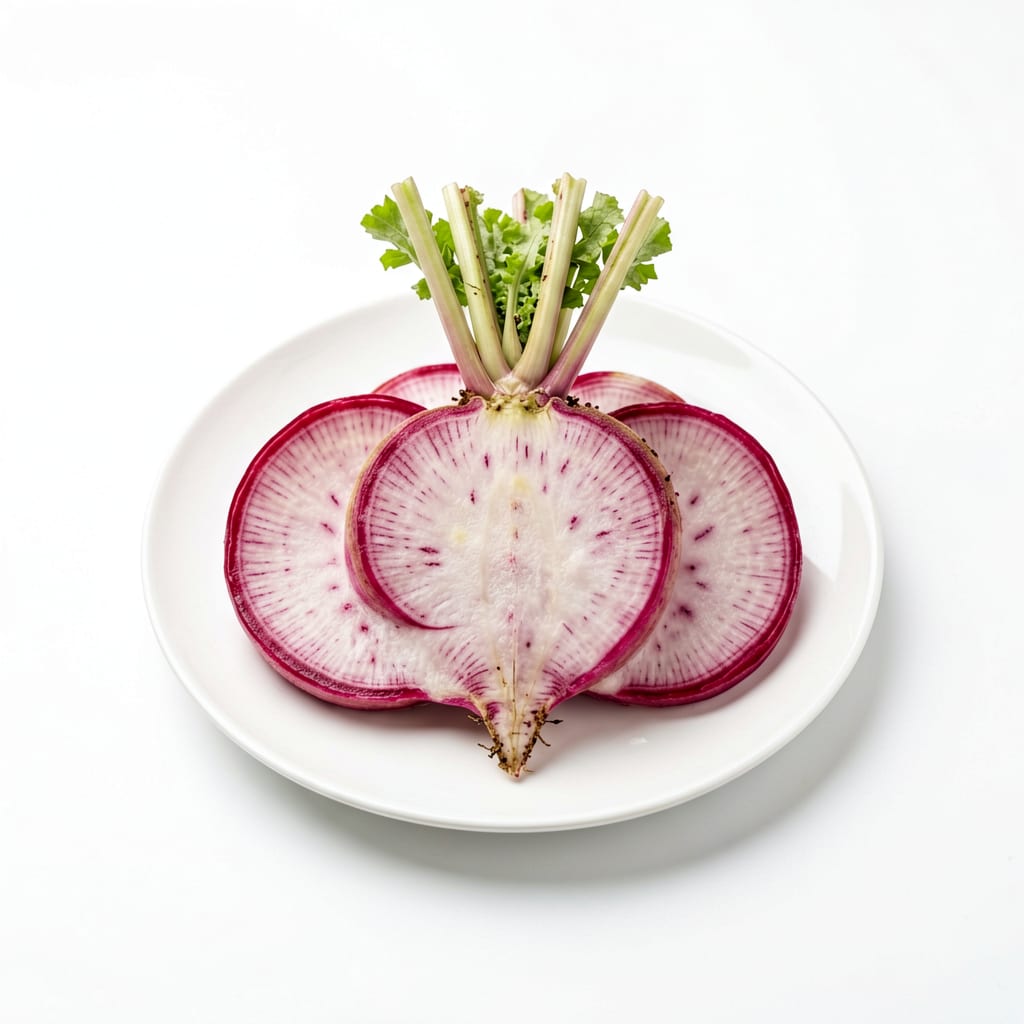
Radish
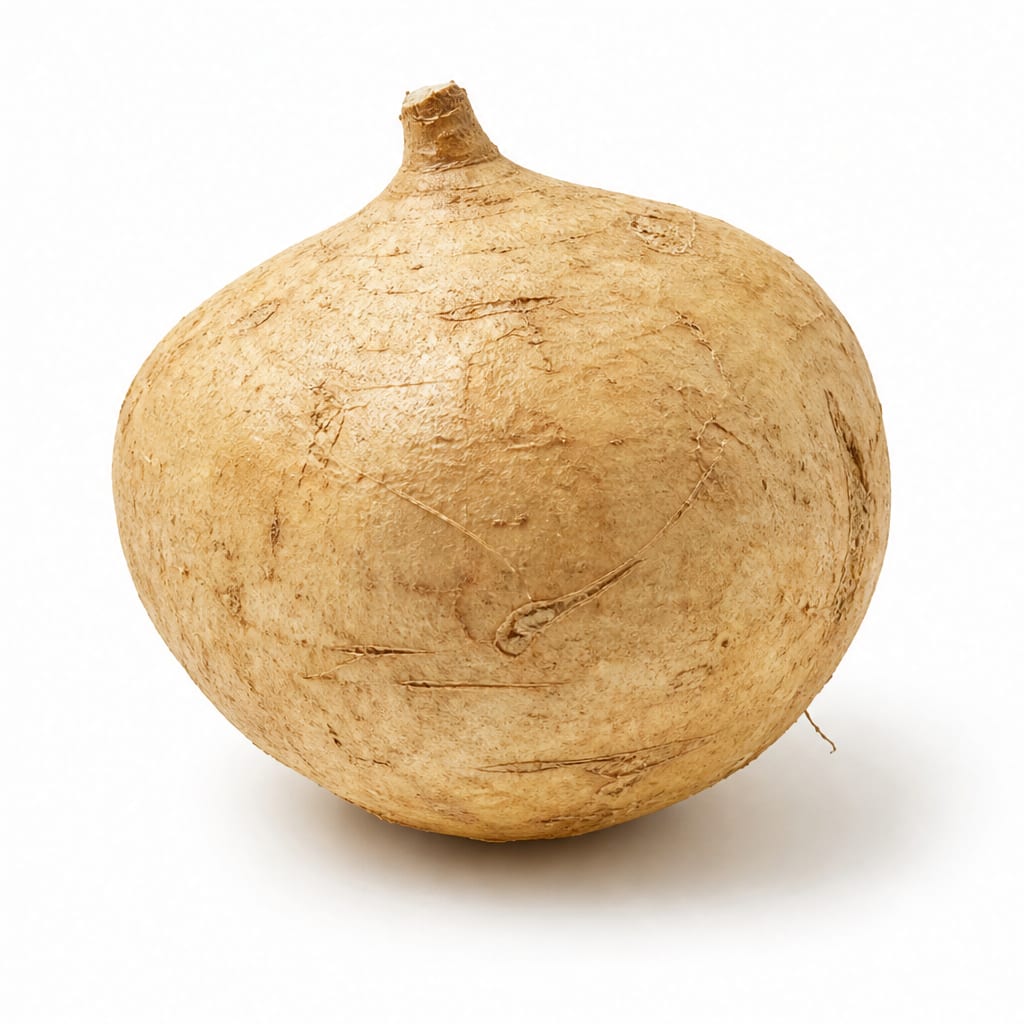
Jicama
Jicama wins on fiber and satiety, radish wins on calorie density and antioxidant variety. Your pick depends on whether you want a filling snack or a nearly calorie-free crunch.
Jicama scores higher overall due to superior fiber, satiety, and broader everyday appeal. Radish remains excellent for very low-calorie contexts and unique antioxidants, but its polarizing flavor and lower filling power narrow its daily usefulness.
Jicama fills you up longer with its impressive fiber, but radish delivers more punch per calorie with glucosinolates and almost zero energy cost.
At a glance
Executive summary
Overall
It depends
Healthier
It depends
More practical
Jicama
Daily use
Jicama
Key comparison lenses
low-calorie snacking and weight management
Both are popular crunchy low-calorie snacks people choose when trying to eat lighter
digestive health and fiber intake
Jicama is renowned for its prebiotic inulin fiber while radish offers different digestive benefits
blood sugar friendly snacking
Both are low-glycemic options commonly recommended for blood sugar management
raw vegetable snack comparison
Both are eaten raw as crunchy snacks but have very different flavor profiles and satiety levels
culinary versatility and taste preference
Radish is peppery and polarizing while jicama is mild and sweet, affecting daily enjoyment
Best choice for
Radish
- People counting every calorie strictly
- Those who enjoy peppery bold flavors
- Salad eaters wanting a spicy crunch
- Anyone seeking glucosinolate antioxidants
- Low-carb dieters wanting near-zero carbs
Jicama
- People wanting a filling snack that actually satisfies
- Those prioritizing gut health and prebiotic fiber
- Families needing a mild kid-friendly vegetable
- Anyone wanting steady energy without crashes
- People who find raw veggies leave them hungry
Least suitable for
Radish
- People sensitive to spicy or bitter flavors
- Those with irritable bowel sensitive to cruciferous vegetables
- Anyone wanting a substantial satisfying snack
- Children who dislike peppery tastes
Jicama
- People strictly limiting carbohydrates even from whole foods
- Those with FODMAP sensitivities reacting to inulin
- Anyone unable to find fresh jicama locally
- People wanting bold complex flavor in their snacks
Deep comparison
Dimension by dimension
Each lens scores both foods and breaks down who each option suits.
- Dimension 1 · Priority 95Jicama
fiber and digestive health
Radish · 35Jicama · 88Jicama delivers roughly three times the fiber per serving, with much of it being inulin, a powerful prebiotic that feeds beneficial gut bacteria.
Tradeoff
Radish offers some fiber but not enough to meaningfully move the needle on daily intake. Jicama's inulin can cause bloating in sensitive people.
Why it matters
Most people fall far short of daily fiber targets. A single cup of jicama covers about 20% of your daily need versus only 6% from radish.
Real-world impact
Eating jicama as a regular snack can improve digestion regularity and gut flora over weeks. Radish helps but you would need large amounts for similar fiber benefit.
Radish
- People with FODMAP sensitivity who react to inulin
- Those wanting minimal fiber before intense exercise
Better for
- People relying on snacks to contribute meaningful fiber
Worse for
Jicama
- Anyone trying to increase daily fiber without supplements
- People supporting gut microbiome diversity
- Those wanting more regular digestion from a whole food source
Better for
- Those with IBS who experience bloating from prebiotic fiber
Worse for
- Dimension 2 · Priority 90Radish
calorie density and weight management
Radish · 95Jicama · 78Radish is one of the lowest-calorie vegetables available at roughly 16 calories per 100g. Jicama is still very low at 38 calories but more than double.
Tradeoff
Radish lets you eat volume with almost no caloric cost, but the lack of substance may leave you reaching for more food sooner.
Why it matters
For strict calorie counters, radish is nearly free. But if low calories leave you unsatisfied and snacking again in 30 minutes, jicama's extra calories may actually save total intake.
Real-world impact
A full cup of sliced radish costs about 19 calories. A cup of jicama costs about 46. Both are trivial, but radish is the ultimate guilt-free crunch.
Radish
- Strict calorie counters tracking every unit
- People wanting maximum crunch volume per calorie
- Those doing intermittent fasting with minimal caloric impact
Better for
- Anyone who finds radish so unsatisfying they compensate with higher-calorie foods later
Worse for
Jicama
- People who find low-calorie snacks unsatisfying
- Those wanting a snack that prevents later overeating
Better for
- People on very low calorie diets under medical supervision
Worse for
- Dimension 3 · Priority 88Jicama
satiety and fullness
Radish · 40Jicama · 82Jicama's high fiber and slightly higher carbohydrate content create a noticeably more filling snack. Radish disappears quickly in the stomach.
Tradeoff
Jicama keeps hunger at bay longer but takes more digestive effort. Radish is light and easy on the stomach but will not hold you over between meals.
Why it matters
The best snack for weight management is the one that prevents you from eating again too soon. Jicama wins this practical test for most people.
Real-world impact
Jicama as an afternoon snack can comfortably bridge the gap to dinner. Radish might only buy you 30 to 45 minutes before hunger returns.
Radish
- People wanting a light pre-meal palate cleanser
- Those who prefer not feeling full between meals
Better for
- People using snacks to manage hunger for extended periods
Worse for
Jicama
- People needing a snack that actually tides them over
- Those trying to reduce between-meal hunger without turning to processed foods
- Anyone replacing chips or crackers with something satisfying
Better for
- Those wanting a very light stomach before exercise
Worse for
- Dimension 4 · Priority 82Radish
antioxidant and phytonutrient profile
Radish · 80Jicama · 55Radish contains glucosinolates and anthocyanins, especially in red and black varieties, which are linked to cancer-fighting and anti-inflammatory effects. Jicama has a simpler nutrient profile.
Tradeoff
Radish offers more diverse and potent phytonutrients but in small absolute amounts given typical serving sizes. Jicama's vitamin C content is slightly higher per serving.
Why it matters
Glucosinolates are the same family of compounds that make broccoli and kale famous. Getting them from radish adds diversity to your antioxidant intake.
Real-world impact
Eating a variety of radishes alongside other cruciferous vegetables strengthens your body's detoxification pathways. Jicama supports immunity with vitamin C but lacks the deeper phytonutrient range.
Radish
- People focused on anti-inflammatory eating patterns
- Those wanting to diversify cruciferous vegetable intake
- Anyone interested in detoxification-supporting compounds
Better for
- Those who only eat small amounts due to the strong flavor, limiting actual phytonutrient intake
Worse for
Jicama
- People wanting straightforward immune support from vitamin C
Better for
- People seeking broad-spectrum antioxidant protection from their snacks
Worse for
- Dimension 5 · Priority 85It depends
blood sugar stability
Radish · 75Jicama · 78Both are excellent for blood sugar. Radish has virtually no carbs to spike anything. Jicama has more carbs but its high inulin fiber slows absorption significantly.
Tradeoff
Radish is safer by simple math of near-zero carbs. Jicama's carbs are mostly fiber, so net carbs remain very low, and the fiber actively supports blood sugar regulation over time.
Why it matters
For diabetics, both are safe choices. Jicama's prebiotic fiber may actually improve blood sugar control long-term by supporting gut health.
Real-world impact
Neither will cause a blood sugar spike. Jicama may offer a slight long-term advantage for diabetics through gut microbiome improvements, while radish is the simpler short-term safe bet.
Radish
- People wanting absolute minimal carbohydrate intake
- Those testing blood sugar who want zero variables
Better for
- Those who want their snack to actively improve metabolic health over time
Worse for
Jicama
- Diabetics interested in long-term gut-based blood sugar improvements
- People wanting a blood-sugar-friendly snack that also satisfies hunger
Better for
- People on strict ketogenic diets tracking total carbohydrates
Worse for
- Dimension 6 · Priority 80Jicama
taste appeal and daily enjoyment
Radish · 50Jicama · 82Jicama's mild sweet crunch is broadly appealing and easy to eat daily. Radish's peppery bite is polarizing and limits how much most people enjoy at once.
Tradeoff
Radish offers exciting bold flavor that can elevate dishes but is harder to eat in quantity. Jicama is gentle and easy but some find it bland without seasoning.
Why it matters
The healthiest snack is the one you actually want to eat consistently. Jicama's approachability gives it a practical advantage for daily habits.
Real-world impact
Most people can happily munch through a full cup of jicama. Many struggle to eat more than a few radishes before the sharpness becomes tiresome.
Radish
- People who love bold peppery flavors
- Those using it as a flavor accent rather than a standalone snack
- Fans of spicy food who enjoy the kick
Better for
- People sensitive to bitter or spicy flavors
- Children who typically reject peppery vegetables
Worse for
Jicama
- Picky eaters and children who prefer mild flavors
- People wanting a neutral base for dips and seasonings
- Those who want to eat a larger volume of vegetable snack comfortably
Better for
- Those who find mild vegetables boring without heavy seasoning
Worse for
- Dimension 7 · Priority 72It depends
mineral and vitamin density
Radish · 68Jicama · 65Radish offers more folate and potassium per calorie. Jicama provides more vitamin C per serving. Both are relatively modest nutrient sources overall.
Tradeoff
Neither is a nutritional powerhouse for vitamins and minerals. Radish is slightly more nutrient-dense per calorie, while jicama delivers more total nutrients per typical serving because you eat more of it.
Why it matters
If you eat small amounts, radish gives more per bite. If you eat a full serving, jicama's volume advantage may deliver comparable total nutrients.
Real-world impact
Neither vegetable will single-handedly fix a nutrient gap. Both contribute modestly and work best as part of a varied vegetable intake.
Radish
- People eating small portions who want maximum nutrient density per calorie
- Those specifically wanting folate from vegetable sources
Better for
- People expecting significant vitamin or mineral contributions from their snacks
Worse for
Jicama
- People eating full servings who benefit from volume-based nutrient delivery
- Those wanting immune-supporting vitamin C from a low-calorie source
Better for
- Those looking for folate-rich foods during pregnancy
Worse for
Timeline
Health impact over time
Short-term
Hours to days
Radish
- Almost zero caloric impact makes it ideal before meals or during fasting windows
- Peppery compounds may clear sinuses and stimulate digestion
- Very low fiber means minimal digestive discomfort even in sensitive individuals
- High water content provides mild hydration
Jicama
- Noticeable fullness shortly after eating due to fiber expansion in the stomach
- Inulin may cause gas or bloating in the first few days if your gut is not accustomed to it
- Mild blood sugar stabilization within hours of eating
- Hydrating crunch with satisfying mouthfeel
Long-term
Months to years
Radish
- Glucosinolate compounds may support cellular detoxification pathways with regular intake
- Consistent very low-calorie snacking helps maintain calorie awareness without deprivation
- Anthocyanins in red varieties contribute to cardiovascular health over time
- Low fiber intake means radish alone will not resolve chronic constipation
Jicama
- Prebiotic inulin feeds beneficial gut bacteria, potentially improving microbiome diversity over months
- Regular high-fiber snacking supports long-term digestive regularity
- May improve insulin sensitivity through gut-mediated pathways with consistent consumption
- Sustained satiety from daily snacking can support weight maintenance without feeling restricted
Risk profile
Safety & processing
Both radish and jicama are whole raw vegetables with no processing concerns. Choose organic for radish if worried about pesticide residues on the skin, since it is often eaten unpeeled. Jicama is always peeled before eating, which reduces surface exposure.
Radish
Pesticide residue on skin
mediumRadish is often eaten with skin on and ranks moderately on pesticide concern lists. Washing thoroughly or choosing organic reduces this significantly.
Goitrogenic compounds
lowRaw cruciferous vegetables contain goitrogens that can interfere with thyroid function in very large amounts. Normal snacking portions pose negligible risk.
Jicama
Inulin-related digestive distress
mediumSudden large intake of inulin can cause significant gas, bloating, and cramping in people not accustomed to it. Start with small portions and increase gradually.
Toxic parts of the jicama plant
lowOnly the root is edible. The seeds, stems, and leaves contain rotenone and are toxic. This is rarely an issue with store-bought jicama but important to know if growing your own.
Who wins for whom
Audience fit
Same foods, different winners depending on your goal.
children
JicamaJicama's sweet mild crunch is far more kid-friendly than radish's sharp peppery bite. Children are also more sensitive to bitter flavors, making radish a harder sell.
daily consumption
JicamaJicama is easier to eat in consistent quantities daily due to its mild flavor and satisfying nature. Radish's sharpness limits most people to occasional use.
diabetes
JicamaJicama's inulin fiber supports long-term blood sugar regulation through gut health improvements. Radish is also safe but lacks the active metabolic benefit.
elderly
JicamaOlder adults benefit more from jicama's fiber for digestive regularity and its softer flavor. Radish's strong taste can be off-putting and its lower fiber does not address common age-related constipation.
muscle gain
It dependsNeither is meaningful for muscle gain. Both are low-protein vegetables best used as side items alongside protein-rich foods.
weight loss
JicamaJicama's superior satiety means fewer total calories consumed throughout the day despite slightly higher per-serving calories. Radish is lower in calories but less likely to prevent overeating later.
Your move
Decision guide
Choose Radish
- You want the absolute lowest calorie crunch available
- You enjoy bold peppery flavors and find mild vegetables boring
- You are tracking macros strictly and want near-zero carbs
- You eat a variety of cruciferous vegetables and want to add another source of glucosinolates
- You need a quick palate cleanser between courses
Choose Jicama
- You want a snack that actually keeps you full between meals
- You are working on gut health and want a prebiotic food source
- You need a kid-friendly vegetable for family snacking
- You find raw vegetables unsatisfying and want something more substantial
- You want a neutral base that pairs well with lime, chili, or dips
Either works if
- You simply want a hydrating crunchy raw vegetable snack
- You are looking for low-glycemic options to replace processed snacks
- You want more raw vegetable variety in your diet
Avoid both if
- You need significant protein or healthy fats from your snacks
- You are looking for a calorie-dense energy source for athletic performance
- You have severe digestive conditions that restrict raw vegetable intake entirely
Final recommendation
Keep both in your rotation. Use radish when you want bold flavor and near-zero calories in salads or as a quick garnish. Reach for jicama when you need a satisfying standalone snack that bridges meals without a crash. If you must pick one for daily eating, jicama's fiber, satiety, and approachable taste make it the more sustainable choice for most people.
Practical
Consumer tips
- 1
Choose firm smooth radishes with vibrant color. Soft or spongy ones have lost their crunch and much of their appeal.
- 2
Pick jicama that feels heavy for its size with dry unblemished skin. Wrinkled or soft jicama is past its prime.
- 3
Store radishes with greens removed in a sealed bag in the crisper. The leaves draw moisture and soften the root quickly.
- 4
Cut jicama lasts about a week refrigerated in an airtight container. Whole jicama can sit at cool room temperature for weeks.
- 5
If jicama causes bloating, start with just a few thin slices daily and increase over two weeks. Your gut adapts to inulin gradually.
- 6
Try radish with a pinch of sea salt and butter to mellow the bite. Try jicama with lime juice and chili powder for a Mexican-style snack.
- 7
Organic radish is worth the premium if you eat the skin, which is where most nutrients and potential pesticides concentrate.
- 8
Both vegetables pair well with hummus, guacamole, or tzatziki for a more complete snack with healthy fats.