
Nutrition comparison
Radish vs Daikon Radish: Nutrition, Digestion, and Best Uses
Comparing Radish vs Daikon Radish? Discover which is better for digestion, weight loss, and cooking. Learn the key nutritional differences and culinary tradeoffs.
Overall winner · Daikon Radish
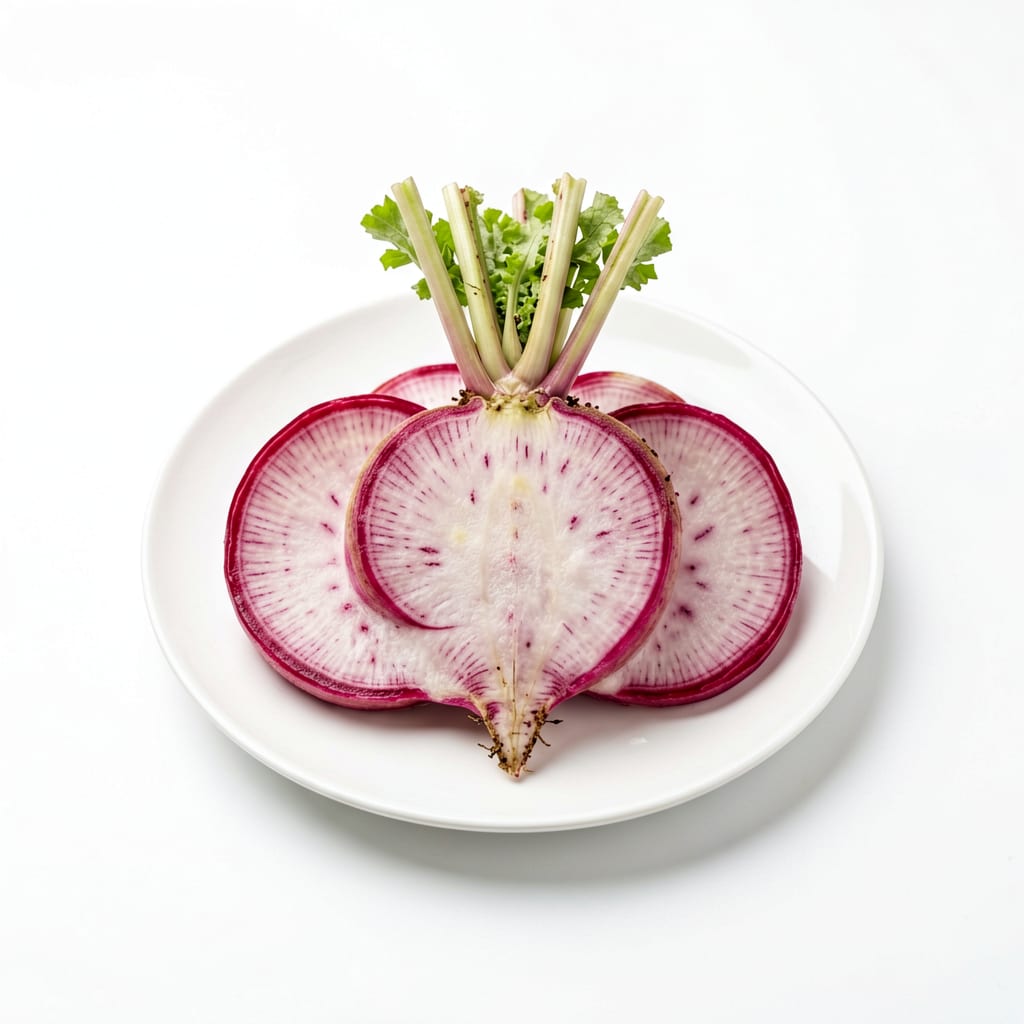
Radish
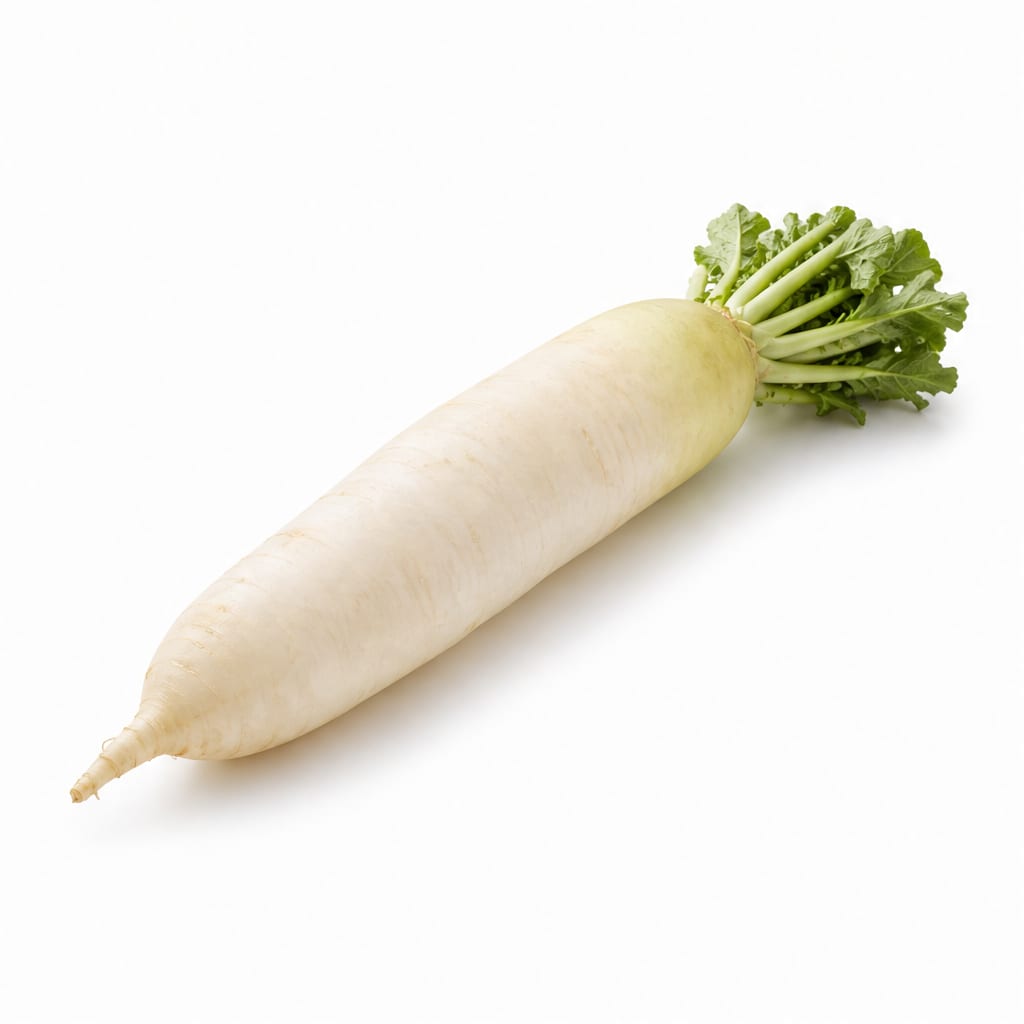
Daikon Radish
Daikon Radish edges out regular Radish due to its digestive enzymes and cooking versatility, though both are excellent low-calorie crunch options.
Daikon Radish scores slightly higher due to its digestive enzymes and versatility in cooked dishes, but both are highly nutritious, low-calorie root vegetables.
Radish delivers a spicy, peppery bite perfect for salads, while Daikon Radish offers a milder flavor and unique starch-digesting enzymes that make it easier on the stomach.
At a glance
Executive summary
Overall
Daikon Radish
Healthier
Daikon Radish
More practical
Daikon Radish
Daily use
Daikon Radish
Key comparison lenses
Digestive health and enzyme content
Daikon Radish is uniquely rich in diastase, an enzyme that aids starch digestion, making this a key differentiator.
Culinary versatility and cooking methods
Radish is typically eaten raw, while Daikon Radish excels in both raw and cooked applications like soups and stews.
Flavor profile and palatability
Radish offers a sharp, peppery bite, whereas Daikon Radish provides a mild, sweet crunch, affecting how each is enjoyed.
Weight management and low-calorie snacking
Both are extremely low in calories and high in water, making them popular for volume eating and weight loss.
Best choice for
Radish
- Adding a spicy crunch to salads
- Quick raw snacking with hummus
- Garnishing tacos and avocado toast
Daikon Radish
- Soothing digestion after heavy meals
- Cooking in warming soups and stews
- Bulk meal prep and fermenting
Least suitable for
Radish
- People sensitive to spicy or pungent foods
- Those wanting a mild-tasting cooked vegetable
Daikon Radish
- Recipes requiring a strong peppery kick
- Small single-bite cocktail garnishes
Deep comparison
Dimension by dimension
Each lens scores both foods and breaks down who each option suits.
- Dimension 1 · Priority 92Daikon Radish
Digestive Comfort & Enzymes
Radish · 70Daikon Radish · 95Daikon Radish contains diastase, an enzyme that helps break down starches, making it a natural digestive aid after heavy meals.
Tradeoff
Radish lacks these starch-digesting enzymes and its peppery bite can sometimes irritate sensitive stomachs.
Why it matters
Better digestion means less bloating and more comfortable eating, especially after carb-heavy dishes.
Real-world impact
Eating grated Daikon Radish after a big bowl of noodles or rice can prevent that heavy, sluggish feeling.
Radish
- People with acid reflux triggered by spicy food
Worse for
Daikon Radish
- Preventing bloating after starchy meals
- Soothing an upset stomach
Better for
- Dimension 2 · Priority 88Daikon Radish
Culinary Versatility
Radish · 65Daikon Radish · 90Daikon Radish can be eaten raw, pickled, simmered in soups, or stir-fried, while Radish is best suited for raw or pickled preparations.
Tradeoff
Radish breaks down and loses its signature crunch quickly when cooked, limiting its use in hot dishes.
Why it matters
A vegetable you can cook multiple ways is easier to incorporate into daily meals without getting bored.
Real-world impact
You can toss Daikon Radish into a winter stew or a light salad, giving you more options throughout the week.
Radish
- Raw crudité platters
Better for
- Hot cooked meals
Worse for
Daikon Radish
- Soups and stews
- Stir-fries
- Fermented dishes like kimchi
Better for
- Dimension 3 · Priority 75Radish
Micronutrient Density
Radish · 82Daikon Radish · 78Radish packs slightly more Vitamin C and potassium per serving compared to the milder Daikon Radish.
Tradeoff
Daikon Radish offers more folate, but Radish wins on immune-supporting Vitamin C.
Why it matters
Higher Vitamin C helps with skin health and immunity, especially when eaten raw.
Real-world impact
Snacking on raw Radish gives a slightly bigger boost to your daily Vitamin C needs.
Radish
- Boosting immune function
- Supporting skin health
Better for
Daikon Radish
- Supporting cellular repair with folate
Better for
- Dimension 4 · Priority 80It depends
Flavor & Snackability
Radish · 85Daikon Radish · 80Radish offers a sharp, peppery crunch that excites the palate, while Daikon Radish provides a mild, refreshing crispness.
Tradeoff
Radish's spice can be polarizing, whereas Daikon Radish's mildness might feel boring if you want a flavor punch.
Why it matters
Enjoyment dictates whether you will actually reach for the vegetable when hungry.
Real-world impact
Choose Radish when you want a zesty snack with dip, and Daikon Radish when you want a refreshing, water-rich crunch.
Radish
- Adding excitement to bland meals
- Zesty raw snacking
Better for
- Those who dislike spicy food
Worse for
Daikon Radish
- Mild snacking for sensitive palates
- Absorbing bold flavors in cooking
Better for
- Those seeking a bold flavor punch
Worse for
- Dimension 5 · Priority 70It depends
Weight Management & Satiety
Radish · 80Daikon Radish · 82Both are incredibly low in calories and high in water, but Daikon Radish has slightly fewer calories per gram and a more filling volume when cooked.
Tradeoff
Radish is great for quick raw snacking, but Daikon Radish can be bulked up in warm meals for longer-lasting fullness.
Why it matters
Volume eating helps you feel satisfied without overconsuming calories.
Real-world impact
A bowl of Daikon Radish soup can be a comforting, nearly zero-calorie stomach filler before a main course.
Radish
- Quick low-calorie raw snacking
Better for
Daikon Radish
- Volume eating in cooked meals
- Low-calorie soup bases
Better for
Timeline
Health impact over time
Short-term
Hours to days
Radish
- Quick hydration from high water content
- Sharp flavor can clear sinuses
Daikon Radish
- Relieves bloating after starchy meals
- Soothing on the digestive tract
Long-term
Months to years
Radish
- Supports immune function via consistent Vitamin C intake
- Contributes to skin health and collagen production
Daikon Radish
- Improved digestion of complex carbohydrates
- Supports cellular repair and energy production with folate
Risk profile
Safety & processing
Both Radish and Daikon Radish are whole, unprocessed root vegetables typically eaten close to their natural state.
Radish
Pesticide residue
mediumSmall red radishes are often grown with pesticides and eaten with the skin on, so washing thoroughly is essential.
Daikon Radish
Pesticide residue
lowDaikon Radish is usually peeled before eating, which significantly reduces pesticide exposure.
Who wins for whom
Audience fit
Same foods, different winners depending on your goal.
children
Daikon RadishDaikon Radish's mild, sweet flavor is much more appealing to kids than the spicy bite of a red Radish.
daily consumption
Daikon RadishDaikon Radish's versatility in both raw and cooked dishes makes it easier to eat every day without flavor fatigue.
diabetes
Daikon RadishDaikon Radish has enzymes that help digest starches and a slightly lower glycemic impact, making it very friendly for blood sugar management.
elderly
Daikon RadishThe digestive enzymes and softer texture when cooked make Daikon Radish easier on aging digestive systems.
muscle gain
It dependsNeither is a significant protein source, though both add low-calorie volume to muscle-building meals.
weight loss
Daikon RadishDaikon Radish's slightly lower calorie density and ability to bulk up cooked meals makes it marginally better for volume eating.
Your move
Decision guide
Choose Radish
- You love a spicy, peppery crunch in your salads
- You want a quick, bite-sized raw snack
- You need a vibrant garnish for tacos or avocado toast
Choose Daikon Radish
- You want a gentle digestive aid after heavy meals
- You prefer cooking your vegetables in soups or stir-fries
- You like a mild, refreshing flavor that absorbs dressings well
Either works if
- You just want a low-calorie, hydrating crunch
- You are making a fermented pickle or kimchi
Avoid both if
- You have a known allergy to cruciferous vegetables
- You are looking for a high-protein or high-calorie food
Final recommendation
Keep both in your kitchen, but lean toward Daikon Radish for everyday cooking and digestion, and save regular Radish for when you crave a spicy, colorful crunch.
Practical
Consumer tips
- 1
Grate Daikon Radish over heavy dishes like tempura or fried rice to aid digestion and cut the greasiness.
- 2
Soak sliced Radish in ice water for 10 minutes to mellow its spicy bite if it is too harsh.
- 3
Do not throw away Daikon Radish greens; they are nutrient-dense and delicious sautéed or added to pesto.
- 4
Buy firm, smooth radishes; soft or pitted ones are past their prime and will taste woody.