
Nutrition comparison
Radish vs Zucchini: Which Low-Calorie Vegetable Is Better for You?
Compare radish and zucchini nutrition, health benefits, and culinary uses. Discover which vegetable wins for weight loss, digestion, and daily meals.
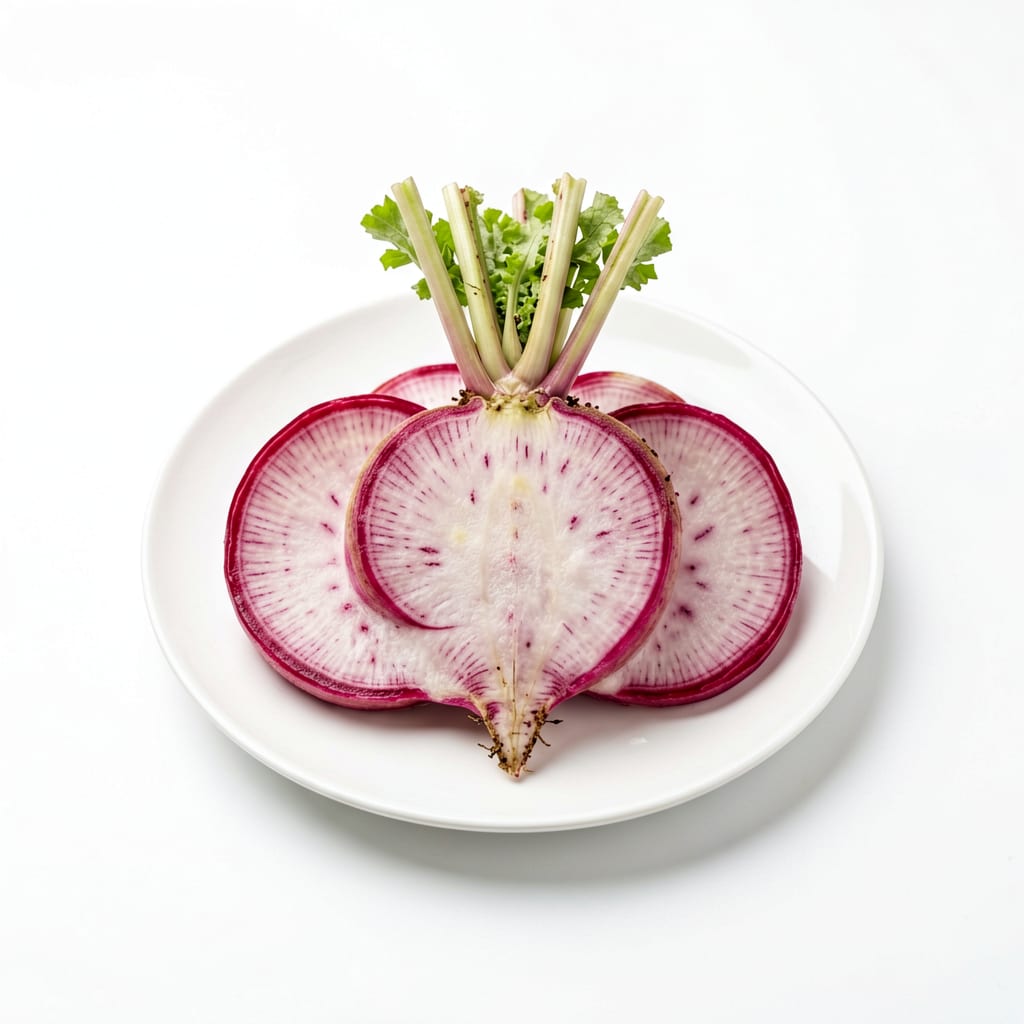
Radish
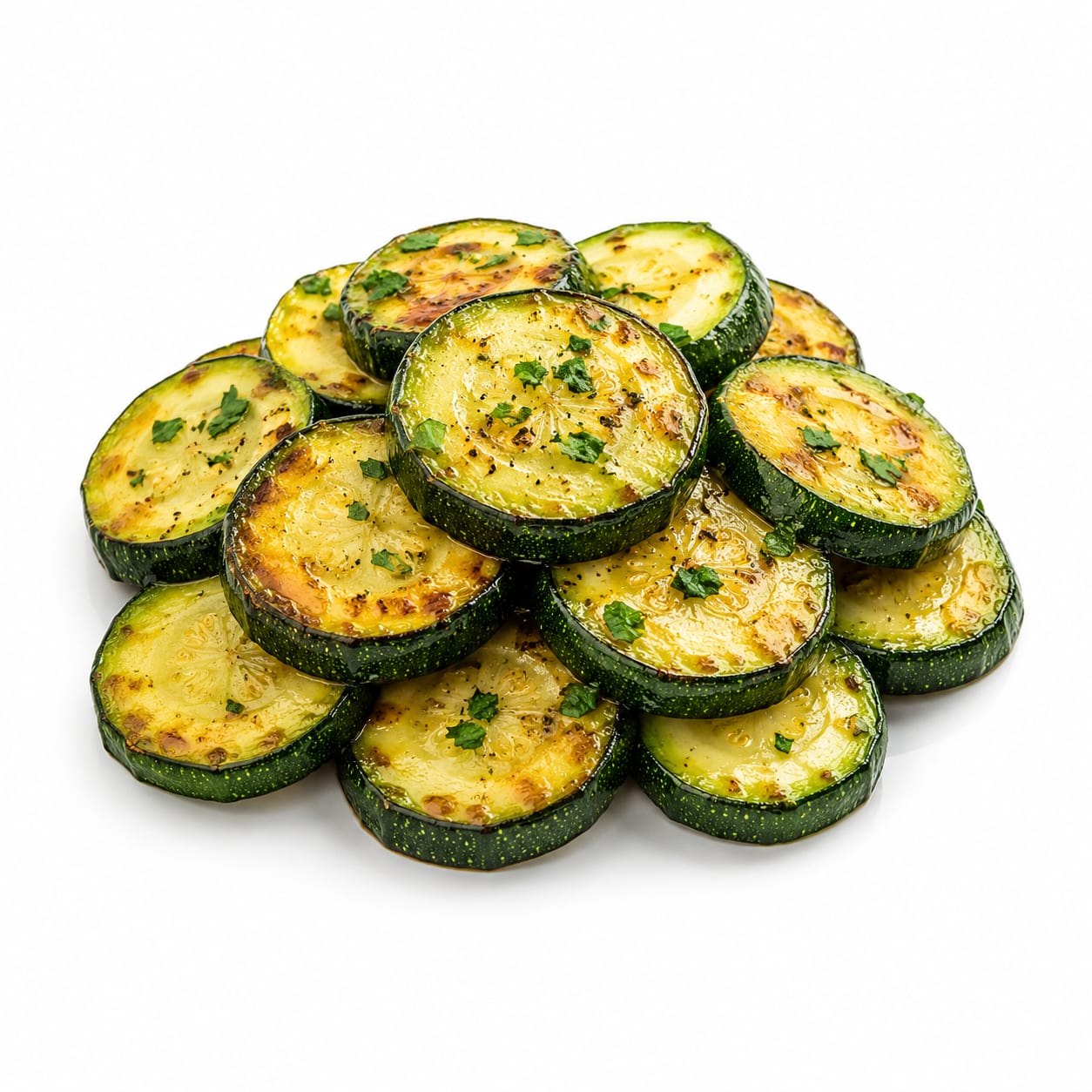
Zucchini
Zucchini wins on versatility and digestive comfort, while radish delivers a unique peppery crunch and cancer-fighting compounds you won't find elsewhere.
Zucchini scores higher mainly due to culinary versatility and digestive tolerance, but radish holds its own with unique phytochemicals and satisfying crunch. The gap reflects real-world usability more than nutritional superiority.
Radish offers more distinctive health compounds but limited culinary flexibility; zucchini blends into almost any meal but lacks the concentrated phytochemical punch.
At a glance
Executive summary
Overall
It depends
Healthier
It depends
More practical
Zucchini
Daily use
Zucchini
Key comparison lenses
low calorie snacking
Both foods are extremely low in calories, making them popular for weight-conscious snacking and meal bulk
meal versatility
Zucchini is a culinary chameleon while radish has a narrower use case, which heavily influences daily practicality
nutrient density per calorie
Users comparing these two are often trying to maximize nutrition while minimizing calories
digestive comfort
Radish can cause bloating in some people while zucchini is generally very gentle on digestion
antioxidant and cancer prevention
Radish contains glucosinolates not found in zucchini, which may offer unique protective benefits
Best choice for
Radish
- People seeking crunchy low-calorie snacks without dips
- Those wanting glucosinolate compounds for detox support
- Salad lovers who enjoy peppery bite and texture contrast
- Anyone trying to reduce sodium cravings with bold flavor
Zucchini
- Meal preppers who need a versatile vegetable base
- People with sensitive digestion who need gentle fiber
- Families cooking one vegetable that works in multiple dishes
- Anyone replacing pasta or bread with low-carb alternatives
Least suitable for
Radish
- People with IBS or severe bloating sensitivity
- Those who dislike bitter or peppery flavors
- Anyone wanting a neutral vegetable for smoothies or baking
Zucchini
- People looking for bold standalone flavor
- Those wanting a crunchy raw snack without preparation
- Anyone seeking concentrated vitamin C per serving
Deep comparison
Dimension by dimension
Each lens scores both foods and breaks down who each option suits.
- Dimension 1 · Priority 90It depends
Calorie Density and Weight Management
Radish · 82Zucchini · 80Both are exceptionally low in calories, but radish has a slight edge because its strong flavor naturally limits overeating while zucchini's mildness makes it easier to consume in large volumes with added fats.
Tradeoff
Radish's peppery taste acts as a built-in portion controller, but zucchini's neutrality means you can eat more volume — which can be good or bad depending on your goals.
Why it matters
When calories are nearly identical, the food that naturally prevents mindless eating often wins for weight loss.
Real-world impact
A bowl of sliced radishes satisfies with just 20 calories and you'll likely stop eating. A bowl of zucchini might lead you to add olive oil or dressing, quietly increasing the calorie count.
Radish
- Strict calorie counters who snack mindlessly
- People who need strong flavor to feel satisfied
Better for
- Anyone who finds the taste unpleasant and simply won't eat it
Worse for
Zucchini
- Volume eaters who want large portions with minimal calories
- Those replacing higher-calorie foods like pasta
Better for
- People who tend to add high-calorie sauces to mild vegetables
Worse for
- Dimension 2 · Priority 88Zucchini
Culinary Versatility
Radish · 45Zucchini · 92Zucchini can be spiralized, grilled, baked into breads, added to soups, or eaten raw. Radish is mostly limited to raw salads and garnishes.
Tradeoff
Zucchini adapts to nearly any cooking method and cuisine, while radish's strong flavor restricts it to supporting roles.
Why it matters
A vegetable you can use in 10 different meals gets eaten far more often than one with limited applications.
Real-world impact
Zucchini noodles replace pasta on Tuesday, go into stir-fry on Wednesday, and muffins on Thursday. Radishes mostly sit in salads.
Radish
- Raw food enthusiasts who love crunch
- Quick snackers who want zero prep
Better for
- Anyone who wants a hot cooked vegetable side dish
- People who get bored eating the same preparation
Worse for
Zucchini
- Home cooks who want one vegetable for multiple recipes
- Meal preppers who batch-cook for the week
- Parents sneaking vegetables into baked goods
Better for
- Those seeking a bold standalone snack flavor
Worse for
- Dimension 3 · Priority 82Radish
Antioxidant and Phytochemical Profile
Radish · 85Zucchini · 65Radish contains glucosinolates and anthocyanins (in red varieties) that support detox pathways and may reduce cancer risk. Zucchini offers lutein and zeaxanthin for eye health but has a less concentrated phytochemical profile.
Tradeoff
Radish delivers more bioactive compounds per bite, but zucchini provides eye-protective carotenoids that radish lacks entirely.
Why it matters
Glucosinolates are the same cancer-fighting family found in broccoli and Brussels sprouts — getting them from radish adds diversity to your defense system.
Real-world impact
Eating radishes regularly gives your liver extra detox support. Eating zucchini regularly protects your eyes from screen strain. Both matter, but radish's compounds are rarer in typical diets.
Radish
- People with family history of hormone-sensitive cancers
- Those wanting liver detox support
- Anyone whose diet lacks cruciferous vegetables
Better for
- Anyone who already eats large amounts of broccoli and kale daily
Worse for
Zucchini
- People who spend long hours on screens
- Those at risk for age-related macular degeneration
Better for
- People seeking concentrated antioxidant impact per calorie
Worse for
- Dimension 4 · Priority 78Zucchini
Digestive Tolerance
Radish · 55Zucchini · 90Zucchini is one of the gentlest vegetables on the digestive system. Radish, being a cruciferous vegetable, can cause gas and bloating especially when eaten raw in larger quantities.
Tradeoff
Radish's sulfur compounds support detoxification but can irritate sensitive stomachs. Zucchini digests smoothly almost universally.
Why it matters
The healthiest vegetable only works if you can actually eat it without discomfort.
Real-world impact
After a large radish salad, you might feel bloated before bed. After zucchini soup, you'll likely feel light and comfortable.
Radish
- People with robust digestion who tolerate cruciferous vegetables well
Better for
- People prone to gas and bloating
- Those with FODMAP sensitivities
Worse for
Zucchini
- Anyone with IBS, bloating, or sensitive stomach
- Post-surgery recovery when gentle foods are needed
- Elderly individuals with slower digestion
Better for
- Rarely a concern — zucchini is among the best-tolerated vegetables
Worse for
- Dimension 5 · Priority 75Radish
Satiety and Snacking Satisfaction
Radish · 78Zucchini · 62Radish delivers a satisfying crunch and bold flavor that signals your brain to stop eating. Zucchini's soft texture and mild taste can leave you wanting more.
Tradeoff
Crunch and strong flavor make radish a more satisfying standalone snack, but zucchini works better as a meal component where other foods provide satisfaction.
Why it matters
Snacking satisfaction determines whether you reach for one serving or keep grazing.
Real-world impact
Five radishes with salt feel like a complete snack experience. Five slices of raw zucchini feel like you forgot the dip.
Radish
- Afternoon snackers who want crunch without chips
- People who need strong flavor cues to feel full
Better for
- Snackers who find the peppery burn unpleasant
Worse for
Zucchini
- Those who eat vegetables as part of balanced meals rather than alone
Better for
- Anyone eating vegetables solo as a snack
Worse for
- Dimension 6 · Priority 70It depends
Vitamin and Mineral Density
Radish · 72Zucchini · 74Radish provides more vitamin C and folate per calorie, while zucchini offers more potassium, manganese, and vitamin A. Neither is a nutritional powerhouse, but they complement each other well.
Tradeoff
Radish excels in immune-supporting vitamin C, zucchini excels in electrolytes and eye-health nutrients. Your priority determines the winner.
Why it matters
At such low calorie counts, neither vegetable will single-handedly meet your nutrient needs — but each contributes meaningfully to different gaps.
Real-world impact
Radish helps you hit vitamin C targets during cold season. Zucchini helps replenish potassium after a workout.
Radish
- People needing extra vitamin C support
- Women planning pregnancy who need more folate
Better for
- Anyone already meeting vitamin C needs through other foods
Worse for
Zucchini
- Active individuals who lose potassium through sweat
- Those who need more vitamin A for skin and immune health
Better for
- People who already eat orange vegetables rich in vitamin A
Worse for
Timeline
Health impact over time
Short-term
Hours to days
Radish
- Quick hydration from high water content
- Peppery flavor can clear sinuses and stimulate digestion
- Possible gas or bloating within 30-60 minutes if sensitive
- Vitamin C provides mild immune boost
Zucchini
- Gentle hydration without digestive discomfort
- Light feeling after eating, easy on the stomach
- Potassium helps with mild post-exercise recovery
- Minimal blood sugar impact
Long-term
Months to years
Radish
- Glucosinolate compounds may reduce risk of certain cancers with regular consumption
- Consistent fiber intake supports healthy gut microbiome diversity
- Natural diuretic effect may help manage mild fluid retention
- Vitamin C contributes to long-term skin collagen maintenance
Zucchini
- Lutein and zeaxanthin accumulation protects against age-related eye damage
- Consistent low-calorie intake supports sustainable weight management
- Potassium-rich diet pattern helps maintain healthy blood pressure
- Manganese supports bone density and wound healing over time
Risk profile
Safety & processing
Both radish and zucchini are whole vegetables typically eaten in their natural state. Neither carries meaningful processing concerns. The only caveat is pre-cut zucchini noodles sold in packages, which may have preservatives — choose whole zucchini when possible.
Radish
Pesticide residue on skin
mediumRadishes are often eaten unwaxed with skin on, and conventional farming can leave residues. Choose organic or wash thoroughly.
Contamination from soil
lowRoot vegetables grow in contact with soil, which can carry bacteria. Proper washing eliminates most risk.
Zucchini
Pesticide residue
mediumZucchini frequently appears on pesticide concern lists for conventional produce. Peeling helps but removes nutrients. Organic is preferable.
Bitter zucchini toxicity
lowRarely, zucchini can taste extremely bitter due to cucurbitacins, which are toxic. If it tastes unusually bitter, discard immediately.
Who wins for whom
Audience fit
Same foods, different winners depending on your goal.
children
ZucchiniZucchini's mild flavor and soft texture when cooked make it far more kid-friendly. Most children reject radish's peppery bite.
daily consumption
ZucchiniZucchini's versatility means you can eat it daily in different forms without fatigue. Radish's strong flavor limits daily enthusiasm.
diabetes
It dependsBoth have negligible impact on blood sugar. Zucchini's higher volume may help with meal satisfaction, while radish's crunch replaces carb-heavy snacks.
elderly
ZucchiniZucchini is easier to chew when cooked and gentler on aging digestive systems. Radish can be too harsh for sensitive stomachs.
muscle gain
ZucchiniNeither is a muscle-building food, but zucchini's potassium and manganese support exercise recovery slightly better.
weight loss
It dependsRadish's strong flavor naturally limits intake, while zucchini's volume allows larger satisfying portions. Both are excellent — choose based on whether you prefer crunch or bulk.
Your move
Decision guide
Choose Radish
- You crave crunchy snacks and want to replace chips
- Your diet lacks cruciferous vegetables like broccoli and kale
- You enjoy bold, peppery flavors in salads
- You want natural liver and detox support from glucosinolates
- You need a low-calorie garnish that adds excitement to plates
Choose Zucchini
- You want one versatile vegetable for the whole week's meal prep
- You have sensitive digestion or IBS concerns
- You're replacing pasta, rice, or bread with low-carb alternatives
- You cook for children who reject strong flavors
- You want a gentle vegetable that works in soups, bakes, and stir-fries
Either works if
- You simply need more vegetables in your diet and enjoy both
- You're building a crudité platter and want variety
- Calorie counting is your main concern — both are nearly identical
Avoid both if
- You need calorie-dense foods for weight gain
- You're looking for significant protein or fat sources
- You have severe oral allergy syndrome related to raw vegetables
Final recommendation
Keep both in your kitchen. Use radishes when you want a bold crunchy snack or salad accent. Use zucchini when you need a versatile cooking vegetable that disappears into meals. If you must choose one for daily use, zucchini's flexibility makes it the more practical staple — but you'd be missing out on radish's unique glucosinolate benefits.
Practical
Consumer tips
- 1
Choose firm radishes with crisp greens still attached — wilted leaves mean older stock
- 2
Store radishes separately from their greens to prevent moisture loss and softening
- 3
Look for small to medium zucchini — oversized ones become watery and seedy
- 4
Slice radishes paper-thin if the peppery taste is too intense — it mellows dramatically
- 5
If zucchini tastes unusually bitter, spit it out and discard — this indicates toxic cucurbitacins
- 6
Organic matters more for zucchini than most vegetables due to pesticide patterns
- 7
Roast radishes at 400°F for 15 minutes to transform their bite into a mellow, buttery side dish
- 8
Spiralize zucchini and salt it lightly, then let it drain 10 minutes to avoid watery noodles