
Nutrition comparison
Radish vs Carrot: Nutrition, Calories, and Health Benefits Compared
Comparing radish vs carrot? Discover the key nutritional differences, calorie counts, and which root vegetable is better for weight loss, eye health, and snacking.
Overall winner · Carrot
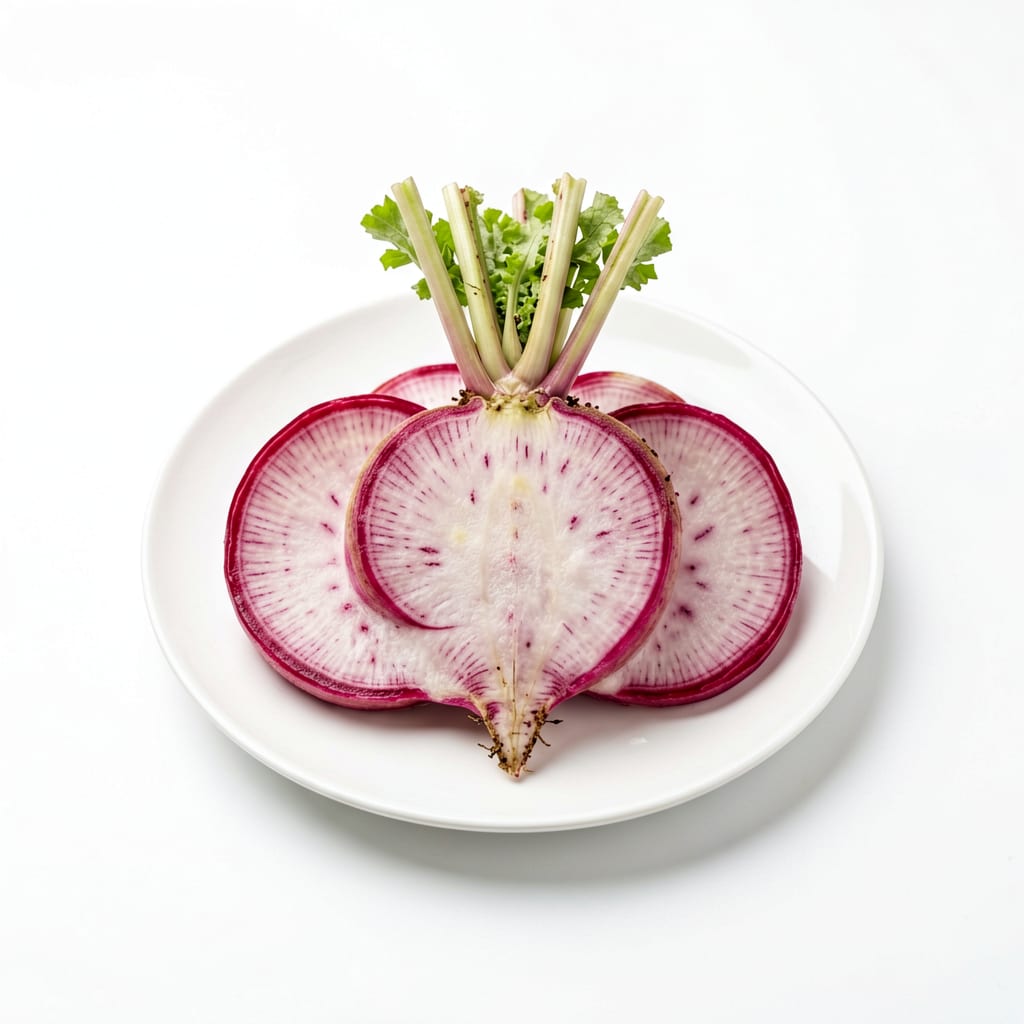
Radish
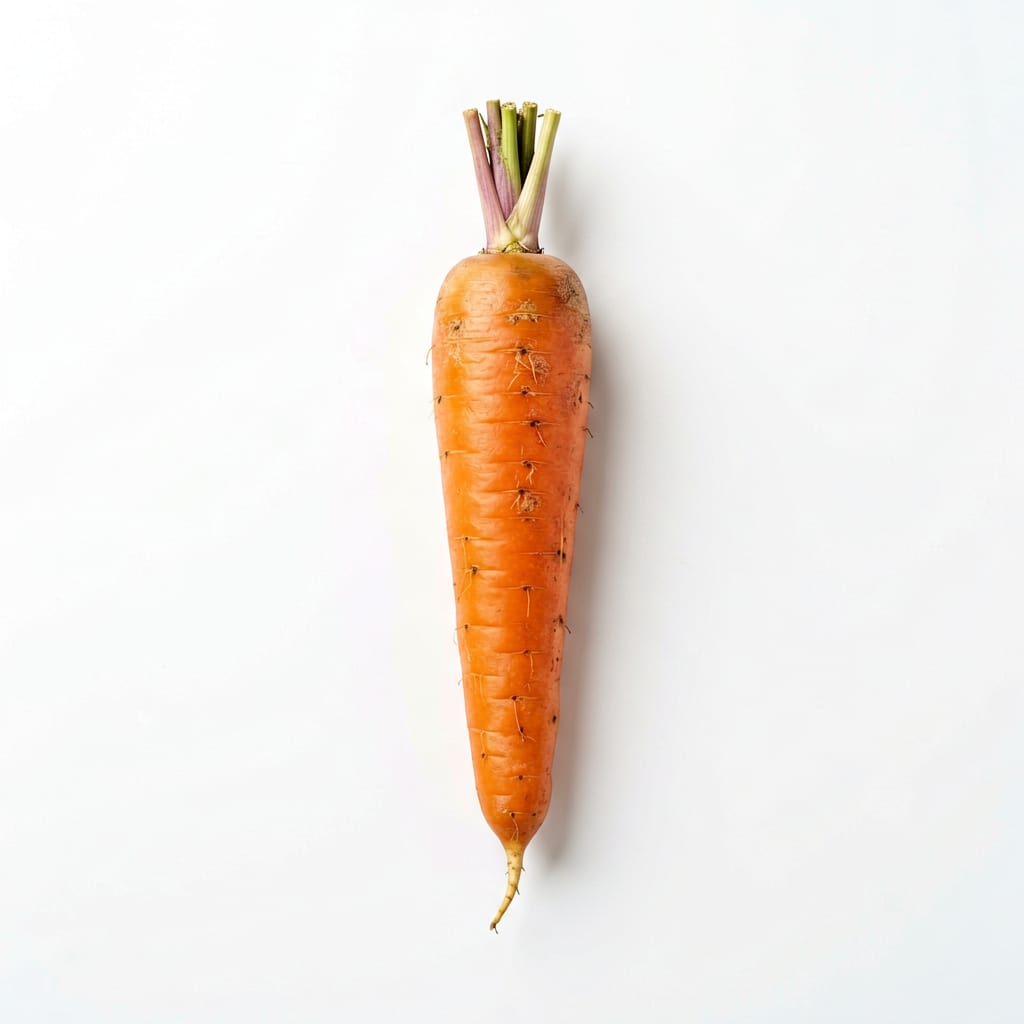
Carrot
Carrots provide broader nutritional benefits and everyday versatility, but radishes are the ultimate low-calorie crunch champion.
Carrots score higher due to exceptional vitamin A content and broader culinary appeal. Radishes remain an excellent choice for specific goals like ultra-low calorie intake and digestive comfort, but offer less overall nutrient density.
Sweet, beta-carotene-rich satisfaction versus virtually zero-calorie hydration and a peppery kick.
At a glance
Executive summary
Overall
Carrot
Healthier
Carrot
More practical
Carrot
Daily use
Carrot
Key comparison lenses
Low-calorie snacking and weight management
Both are popular crunchy snack vegetables, but their calorie and carb profiles differ significantly
Micronutrient profile comparison
Carrots are famous for vitamin A, while radishes offer different antioxidants and vitamin C
Digestion and gut health
Radishes contain specific digestive enzymes and high water content that affect gut comfort differently than the fiber in carrots
Culinary versatility and taste preference
The peppery bite of radishes versus the sweet crunch of carrots determines how people actually eat them daily
Best choice for
Radish
- Ultra-low calorie snacking
- Adding crunch without carbs
- Digestive support and hydration
- Spicing up salads and tacos
Carrot
- Boosting eye health and immunity
- Meal prepping and batch cooking
- Satisfying sweet cravings naturally
- Family-friendly lunchbox snacks
Least suitable for
Radish
- People who dislike spicy or peppery flavors
- Those seeking calorie-dense energy
- Individuals with severe irritable bowel syndrome triggered by cruciferous veggies
Carrot
- Strict very-low-carb dieters tracking every gram
- People looking for high vitamin C sources
Deep comparison
Dimension by dimension
Each lens scores both foods and breaks down who each option suits.
- Dimension 1 · Priority 90Radish
Caloric Efficiency and Weight Loss
Radish · 95Carrot · 78Radishes are almost calorie-free, making them one of the most efficient crunches available.
Tradeoff
You get near-zero calories with radishes, but carrots offer just enough carbs to actually satisfy hunger between meals.
Why it matters
When cutting calories, volume eating is crucial. Radishes let you eat a large volume for almost no caloric cost.
Real-world impact
Munching on radishes during an afternoon slump won't dent your daily calorie budget, but you might feel hungry again sooner than if you ate carrots.
Radish
- Strict calorie counters
- Volume eaters
- Late-night mindless snacking
Better for
- Endurance athletes needing carb fuel
- Those trying to gain weight
Worse for
Carrot
- Active individuals needing sustained energy
- People who need a snack to actually hold them over
Better for
- Very low-carb diet phases
Worse for
- Dimension 2 · Priority 85Carrot
Micronutrient Density
Radish · 60Carrot · 92Carrots are a powerhouse of vitamin A and potassium, vastly outperforming radishes in overall nutrient density.
Tradeoff
Carrots deliver massive amounts of beta-carotene for vision and skin, while radishes offer some vitamin C but lack the same depth of nutrients.
Why it matters
Vitamin A is one of the most common nutrient gaps globally. Carrots make filling it easy and affordable.
Real-world impact
Eating carrots regularly supports night vision and skin health in a way radishes simply cannot match.
Radish
- Boosting vitamin C intake
- Adding dietary variety to antioxidant sources
Better for
- Correcting vitamin A deficiency
- Electrolyte replenishment
Worse for
Carrot
- Supporting eye health
- Improving skin complexion
- Boosting immune function
Better for
- Scurvy prevention as a sole vitamin C source
Worse for
- Dimension 3 · Priority 75Radish
Digestion and Gut Comfort
Radish · 85Carrot · 75Radishes contain unique digestive enzymes and high water content that soothe the digestive tract.
Tradeoff
Radishes actively aid digestion with enzymes, while carrots rely on soluble fiber to keep things moving smoothly.
Why it matters
Bloating and sluggish digestion are common. Radishes act as a natural digestive aid, especially when eaten before a heavy meal.
Real-world impact
A few sliced radishes before dinner can help prevent that overly stuffed feeling, whereas carrots are better for maintaining daily regularity.
Radish
- Easing bloating after meals
- Staying hydrated
- Stimulating bile production
Better for
- Those sensitive to cruciferous vegetables causing gas
Worse for
Carrot
- Adding bulk to stool
- Feeding beneficial gut bacteria with fiber
Better for
- People needing immediate digestive enzyme support
Worse for
- Dimension 4 · Priority 70Carrot
Culinary Versatility and Satiety
Radish · 65Carrot · 90Carrots bridge the gap between sweet and savory dishes effortlessly, while radishes are more niche.
Tradeoff
Carrots can be roasted, juiced, baked into cakes, or eaten raw. Radishes are mostly limited to raw applications or quick pickles.
Why it matters
A food's health value is zero if you don't actually want to eat it. Carrots are universally palatable, making healthy eating easier.
Real-world impact
You can meal-prep carrots for the whole week in various ways. Radishes often wilt or lose their appeal if not eaten fresh.
Radish
- Adding a peppery kick to tacos
- Quick pickling
- Garnishing
Better for
- Making a standalone filling snack
- Batch cooking for the week
Worse for
Carrot
- Meal prepping
- Sneaking veggies into smoothies or baked goods
- Kid-friendly snacking
Better for
- Adding a sharp, spicy flavor contrast
Worse for
Timeline
Health impact over time
Short-term
Hours to days
Radish
- Immediate hydration from high water content
- Clearing sinuses due to natural pungency
- Quick feeling of fullness without heaviness
Carrot
- Quick natural energy from easily digestible carbs
- Stabilizing blood sugar when paired with a fat source
- Satisfying sweet cravings without refined sugar
Long-term
Months to years
Radish
- Supports liver and gallbladder function through bile stimulation
- Helps maintain low-calorie dietary adherence
- Contributes to hydration status
Carrot
- Significantly reduces risk of vitamin A deficiency
- Protects against age-related macular degeneration
- Promotes healthy skin cell turnover
Risk profile
Safety & processing
Both radishes and carrots are whole, raw root vegetables with zero artificial additives when purchased fresh. They represent eating in its most natural form.
Radish
Soil contamination
mediumRadishes grow close to the ground and are often eaten with the skin on, increasing exposure to soil-borne bacteria if not washed thoroughly.
Pesticide residue
mediumBecause the skin is consumed, pesticide residue can remain on the surface even after light rinsing.
Carrot
Pesticide residue
lowCarrots are typically peeled before eating, which removes the majority of surface pesticides.
Choking hazard
lowWhole raw carrots can be a choking risk for very young children if not cut into appropriate shapes.
Who wins for whom
Audience fit
Same foods, different winners depending on your goal.
children
CarrotThe natural sweetness of carrots is far more appealing to kids than the peppery bite of radishes.
daily consumption
CarrotCarrots are easier to incorporate into a wide variety of meals and have a flavor profile that doesn't cause taste fatigue.
diabetes
RadishRadishes have a lower glycemic load and fewer carbs, causing less impact on blood sugar, though both are excellent choices.
elderly
CarrotCarrots can be lightly steamed to a soft texture for easier chewing, and their vitamin A is crucial for aging eyes.
muscle gain
CarrotCarrots offer slightly more carbohydrates to support training energy and glycogen replenishment.
weight loss
RadishRadishes provide maximum crunch and volume for almost zero calories, making it easier to stay in a deficit.
Your move
Decision guide
Choose Radish
- You want maximum crunch for minimal calories
- You love a peppery, spicy flavor profile
- You need a digestive aid before heavy meals
- You are strictly managing carbohydrate intake
Choose Carrot
- You want a satisfying, slightly sweet snack
- You need to boost your vitamin A intake
- You are meal prepping for the week
- You want a vegetable that kids will actually eat
Either works if
- You just need a healthy, crunchy alternative to chips
- You want to add more raw vegetables to your diet
- You are looking for low-calorie lunchbox additions
Avoid both if
- You have a severe oral allergy syndrome triggered by raw root vegetables
- You are on a strict low-fiber diet for acute digestive rest
Final recommendation
Keep both in your crisper drawer. Use carrots as your daily workhorse for snacking, meal prep, and cooking, but reach for radishes when you want a refreshing, ultra-light crunch or a spicy garnish to liven up a dish.
Practical
Consumer tips
- 1
Wash radishes thoroughly under running water and scrub the skin, as they are often eaten unwaxed and unpeeled.
- 2
Pair carrots with a fat source like hummus or olive oil to absorb their fat-soluble beta-carotene effectively.
- 3
Lightly steaming carrots actually increases the bioavailability of their beta-carotene compared to eating them raw.
- 4
If radishes taste too intense, try roasting them; it mellows the peppery bite and brings out a surprisingly sweet flavor.
- 5
Store carrot and radish greens separately from the roots to prevent moisture loss and wilting.