
Nutrition comparison
Radish vs Cauliflower: Which Cruciferous Vegetable Is Better for You?
Compare radish and cauliflower nutrition, calories, vitamins, and health benefits. Learn which is better for weight loss, digestion, and daily meals.
Overall winner · Cauliflower
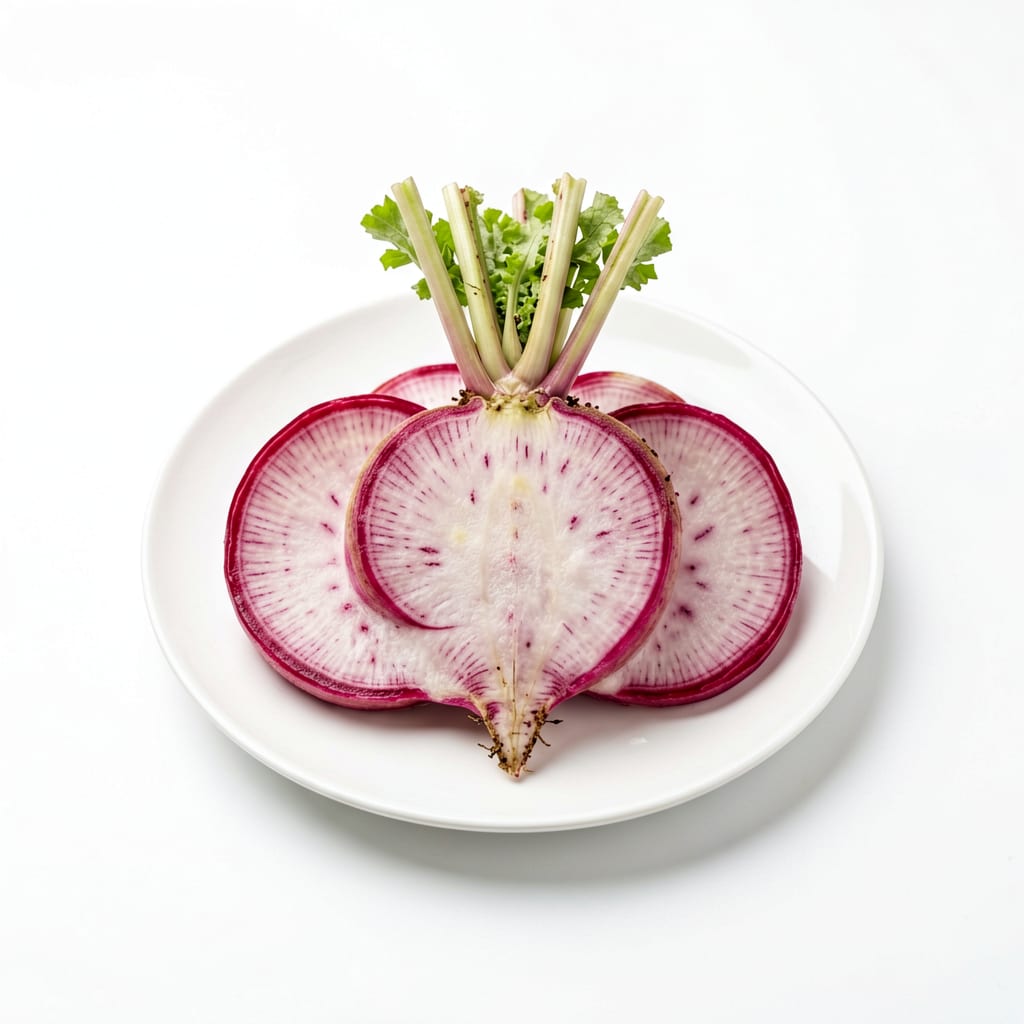
Radish
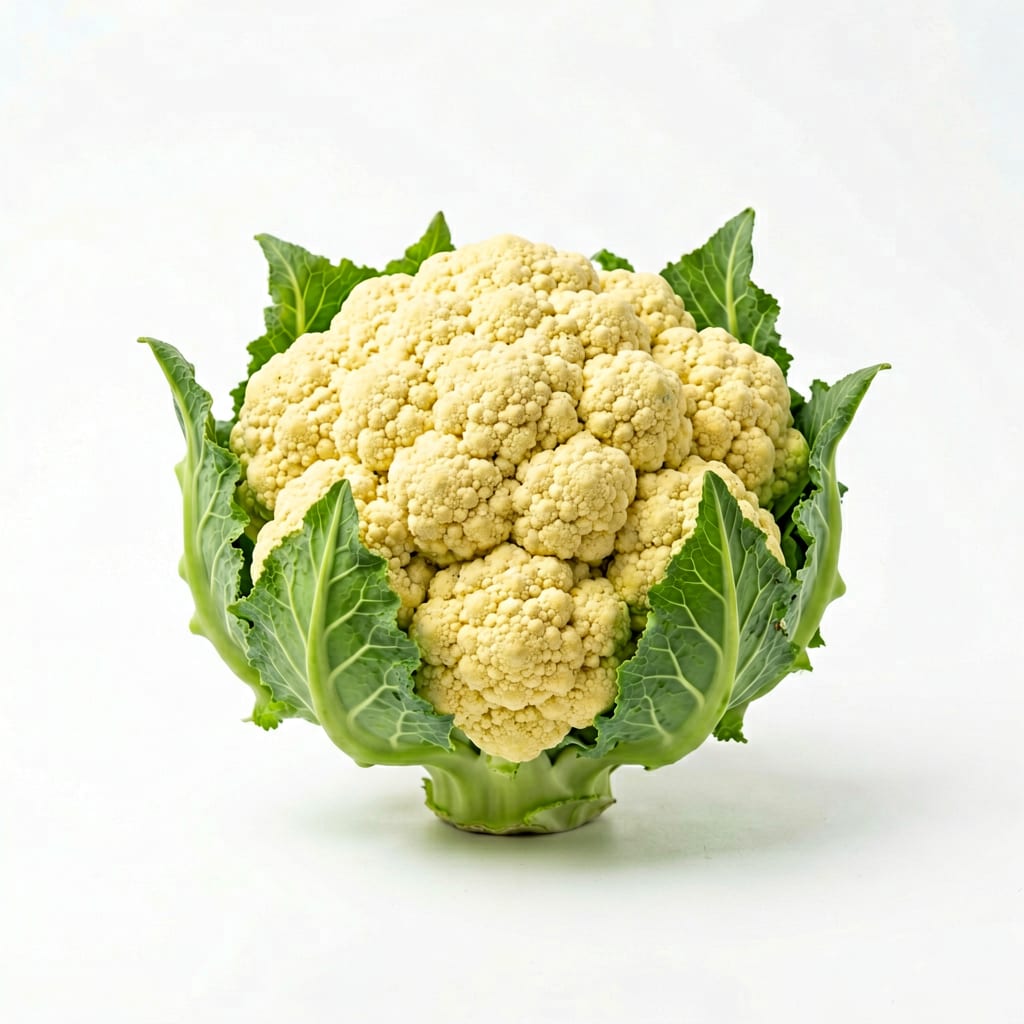
Cauliflower
Cauliflower wins on nutritional firepower and meal versatility, but radish is the lighter, crunchier option that's easier on digestion.
Cauliflower scores notably higher due to superior nutrient density, fiber content, and culinary versatility. Radish remains valuable for its extreme low calorie count and raw crunch appeal but offers less sustenance per serving.
Cauliflower gives you far more vitamins and culinary flexibility, while radish offers satisfying crunch with almost zero calories and less bloating risk.
At a glance
Executive summary
Overall
Cauliflower
Healthier
Cauliflower
More practical
Cauliflower
Daily use
Cauliflower
Key comparison lenses
nutrient density comparison between cruciferous vegetables
Both are cruciferous vegetables but cauliflower offers significantly more vitamins and minerals per serving
low-calorie snacking and weight management
Users comparing these are often looking for low-calorie fillers or crunch alternatives
versatility and meal integration
Cauliflower's adaptability as a low-carb substitute makes it a meal staple while radish is more of a garnish
digestive tolerance and gut comfort
Cauliflower causes bloating in many people while radish is generally easier on digestion
cancer-fighting compound comparison
Both contain glucosinolates but cauliflower delivers more sulforaphane per serving
Best choice for
Radish
- Raw snacking and salad crunch
- Light digestive-friendly sides
- Very low-calorie meal additions
- Quick no-cook garnishes
Cauliflower
- Low-carb meal replacements like rice or mash
- Vitamin C and K boost
- Anti-inflammatory eating patterns
- Substantial side dishes that actually fill you up
Least suitable for
Radish
- People wanting a filling vegetable side
- Anyone needing substantial nutrient intake from vegetables
- Low-FODMAP diets in large amounts
Cauliflower
- People prone to bloating or IBS flare-ups
- Those wanting a quick raw snack without prep
- Anyone sensitive to cruciferous gas production
Deep comparison
Dimension by dimension
Each lens scores both foods and breaks down who each option suits.
- Dimension 1 · Priority 95Cauliflower
Nutrient Density
Radish · 40Cauliflower · 82Cauliflower delivers substantially more vitamin C, vitamin K, folate, and B6 per serving than radish.
Tradeoff
Radish keeps calories ultra-low but you get far fewer vitamins and minerals in return.
Why it matters
If vegetables are your main vitamin source, cauliflower pulls far more weight per bite.
Real-world impact
A cup of cauliflower covers about 75% of your daily vitamin C needs; the same amount of radish covers only about 25%.
Radish
- Minimizing calorie intake while still getting some micronutrients
Better for
- Reliance on radish alone would leave significant nutrient gaps
Worse for
Cauliflower
- Meeting daily vitamin requirements efficiently
- Boosting immune function through vitamin C
- Supporting bone health with vitamin K
- Getting more nutrition per meal
Better for
- Slightly more calories per serving, though still very low
Worse for
- Dimension 2 · Priority 88Cauliflower
Satiety and Fullness
Radish · 35Cauliflower · 68Cauliflower is more filling due to higher fiber and greater edible volume per serving.
Tradeoff
Radish satisfies crunch cravings but disappears quickly without making you feel full.
Why it matters
Feeling full matters for portion control and avoiding unnecessary snacking between meals.
Real-world impact
A bowl of roasted cauliflower can serve as a legitimate side dish; radish slices are more of a nibble that won't hold you over.
Radish
- Light snacking when you want crunch without feeling heavy
Better for
- Unlikely to prevent hunger between meals
Worse for
Cauliflower
- Replacing higher-carb sides like rice or potatoes
- Building meals that keep you satisfied longer
- Reducing overall calorie intake through volume eating
Better for
- Can feel heavy if you have sensitive digestion
Worse for
- Dimension 3 · Priority 82Radish
Digestive Comfort
Radish · 72Cauliflower · 48Radish is generally easier to digest in moderate amounts, while cauliflower is notorious for causing gas and bloating.
Tradeoff
Cauliflower's fiber is great for gut health long-term but can cause uncomfortable short-term bloating.
Why it matters
If you have IBS or a sensitive stomach, cauliflower can be genuinely uncomfortable after meals.
Real-world impact
Many people avoid cauliflower before social events or dates due to gas; radish rarely causes that concern.
Radish
- Sensitive stomachs and IBS-friendly eating
- Pre-event meals where bloating would be uncomfortable
- Light evening snacking
Better for
- Less fiber means less prebiotic benefit for gut bacteria
Worse for
Cauliflower
- Building long-term gut microbiome diversity
- Supporting regular bowel movements with higher fiber
Better for
- High FODMAP content triggers bloating in sensitive people
- Can cause significant gas especially when raw
Worse for
- Dimension 4 · Priority 85Cauliflower
Culinary Versatility
Radish · 38Cauliflower · 90Cauliflower can be riced, mashed, roasted, grilled, blitzed into soup, or used as a pizza crust base. Radish is mostly limited to raw garnishes and quick pickles.
Tradeoff
Cauliflower takes more prep time but unlocks dramatically more meal possibilities.
Why it matters
A versatile vegetable gets eaten more often, which matters more than theoretical nutrition you never actually consume.
Real-world impact
Cauliflower rice and mash have become staple low-carb swaps; radish has no equivalent substitution power.
Radish
- Zero-prep raw snacking
- Quick pickling for tangy sides
- Adding color and crunch to salads instantly
Better for
- Very limited cooking applications
- Cannot serve as a meal base or main side
Worse for
Cauliflower
- Low-carb rice and potato substitutes
- Hearty roasted vegetable sides
- Creamy soups and purees
- Meal prep batch cooking
Better for
- Requires cooking for most preparations
- Takes more time and kitchen effort
Worse for
- Dimension 5 · Priority 78Cauliflower
Antioxidant and Cancer-Fighting Potential
Radish · 52Cauliflower · 78Both contain glucosinolates, but cauliflower delivers more sulforaphane and a broader spectrum of antioxidants.
Tradeoff
Radish still offers meaningful cancer-fighting compounds, just in smaller quantities per serving.
Why it matters
Sulforaphane is one of the most studied compounds in cruciferous vegetables for cancer prevention.
Real-world impact
Regular cauliflower consumption is linked to reduced risk of several cancers; radish contributes similarly but you'd need larger servings.
Radish
- Still provides glucosinolates and anthocyanins especially in red varieties
Better for
- Lower total glucosinolate content per serving
Worse for
Cauliflower
- Higher sulforaphane delivery per serving
- Broader antioxidant profile including manganese and beta-carotene
- More research backing cancer-preventive benefits
Better for
- Overcooking destroys much of the sulforaphane benefit
Worse for
- Dimension 6 · Priority 72Radish
Calorie Efficiency
Radish · 92Cauliflower · 80Radish is one of the lowest-calorie vegetables available at roughly 16 calories per 100g versus cauliflower's 25.
Tradeoff
The calorie difference is tiny in absolute terms and cauliflower gives you far more nutrition for those extra 9 calories.
Why it matters
For extreme calorie-cutting diets, every calorie counts, but the practical difference here is minimal.
Real-world impact
You'd need to eat enormous quantities of either vegetable for the 9-calorie difference to matter meaningfully.
Radish
- Extreme calorie restriction diets
- Volume eating with maximum crunch per calorie
Better for
- Very low calories come with very low nutrient yield
Worse for
Cauliflower
- Better calorie-to-nutrient ratio overall
- More calories but dramatically more nutritional return
Better for
- Slightly higher calorie count, though negligible
Worse for
Timeline
Health impact over time
Short-term
Hours to days
Radish
- Quick hydration boost from high water content
- Mild digestive stimulation from peppery compounds
- Very low blood sugar impact
- Satisfying crunch may reduce urge for processed snacks
Cauliflower
- Noticeable fullness after eating due to fiber content
- Potential gas and bloating within hours of consumption
- Steadier blood sugar after meals when used as a carb substitute
- Vitamin C boost supporting immediate immune function
Long-term
Months to years
Radish
- Consistent low-calorie intake supports weight maintenance
- Mild diuretic effect may help reduce water retention
- Antioxidant contribution from regular consumption is modest but real
- Unlikely to meet significant nutrient needs on its own
Cauliflower
- Stronger cancer-prevention benefits from sustained sulforaphane intake
- Improved digestive regularity from higher fiber intake
- Better vitamin K status supporting bone and cardiovascular health
- Risk of persistent bloating if digestive sensitivity is unaddressed
Risk profile
Safety & processing
Both radish and cauliflower are whole vegetables typically consumed in their natural state. Neither carries meaningful processing concerns unless purchased pre-cut or frozen with additives.
Radish
Pesticide residue on skin
mediumRadish is often eaten with skin on, which can retain pesticide residues. Washing thoroughly or choosing organic reduces this concern.
Soil-borne contamination
lowAs a root vegetable, radish grows in direct contact with soil. Proper washing eliminates most risk.
Cauliflower
Pesticide residue in florets
mediumCauliflower's tight florets can trap pesticide spray. Soaking in salt water before cooking helps reduce residue.
Bacterial contamination in pre-cut packages
lowPre-cut cauliflower has more surface area exposed to potential contamination. Use within a few days of opening.
Who wins for whom
Audience fit
Same foods, different winners depending on your goal.
children
CauliflowerCauliflower can be hidden in mashed dishes and familiar formats. Radish's peppery bite often puts kids off entirely.
daily consumption
CauliflowerCauliflower's nutrient density and meal versatility make it easier to eat daily in varied forms. Radish's strong flavor limits daily variety.
diabetes
CauliflowerCauliflower's higher fiber slows glucose absorption more effectively and its versatility as a carb replacement makes blood sugar management easier.
elderly
CauliflowerCauliflower's softer texture when cooked is easier to chew and digest for aging teeth and sensitive stomachs, provided gas is not an issue.
muscle gain
It dependsNeither vegetable is significant for muscle building. Both are useful as low-calorie sides alongside protein sources.
weight loss
CauliflowerCauliflower's higher fiber and satiety make it more effective for sustainable calorie reduction, even though radish has slightly fewer calories per gram.
Your move
Decision guide
Choose Radish
- You want a crunchy raw snack with almost zero calories
- Cruciferous vegetables cause you uncomfortable bloating
- You need a quick garnish that requires no cooking
- You prefer peppery flavor over mild neutral taste
Choose Cauliflower
- You want a filling vegetable that can replace carbs in meals
- Nutrient density and vitamin intake are priorities
- You enjoy meal prepping and batch cooking vegetables
- You're following a low-carb or keto eating pattern
- You need a versatile vegetable that works in soups, sides, and mains
Either works if
- You want cancer-fighting cruciferous benefits in your diet
- You're looking for low-calorie vegetable options
- You want to increase your daily vegetable variety
Avoid both if
- You're on a strict low-FODMAP elimination diet
- You have severe cruciferous vegetable allergies
- You experience significant thyroid issues and have been advised to limit goitrogenic foods
Final recommendation
Make cauliflower your daily vegetable staple for its nutritional payoff and cooking flexibility. Add radish as a refreshing raw crunch option when you want something light and peppery. They complement each other well rather than competing.
Practical
Consumer tips
- 1
Let cauliflower rest for 5-10 minutes after chopping before cooking to maximize sulforaphane formation
- 2
Roast cauliflower at high heat to bring out natural sweetness and reduce bitterness
- 3
Quick-pickle sliced radish in rice vinegar for a tangy, refreshing condiment that lasts days
- 4
Soak cauliflower florets in salt water for 10 minutes to reduce pesticide residue and hidden insects
- 5
Choose red or purple radish varieties for extra anthocyanin antioxidants
- 6
Steam cauliflower instead of boiling to preserve water-soluble vitamins like C and B6
- 7
If cauliflower causes bloating, start with small portions and gradually increase to adapt your gut bacteria