
Nutrition comparison
Radish vs Celery: Nutrition, Weight Loss, and Health Comparison
Compare Radish vs Celery for weight loss, snacking, and nutrition. Discover which low-calorie crunch is better for hydration, digestion, and daily use.
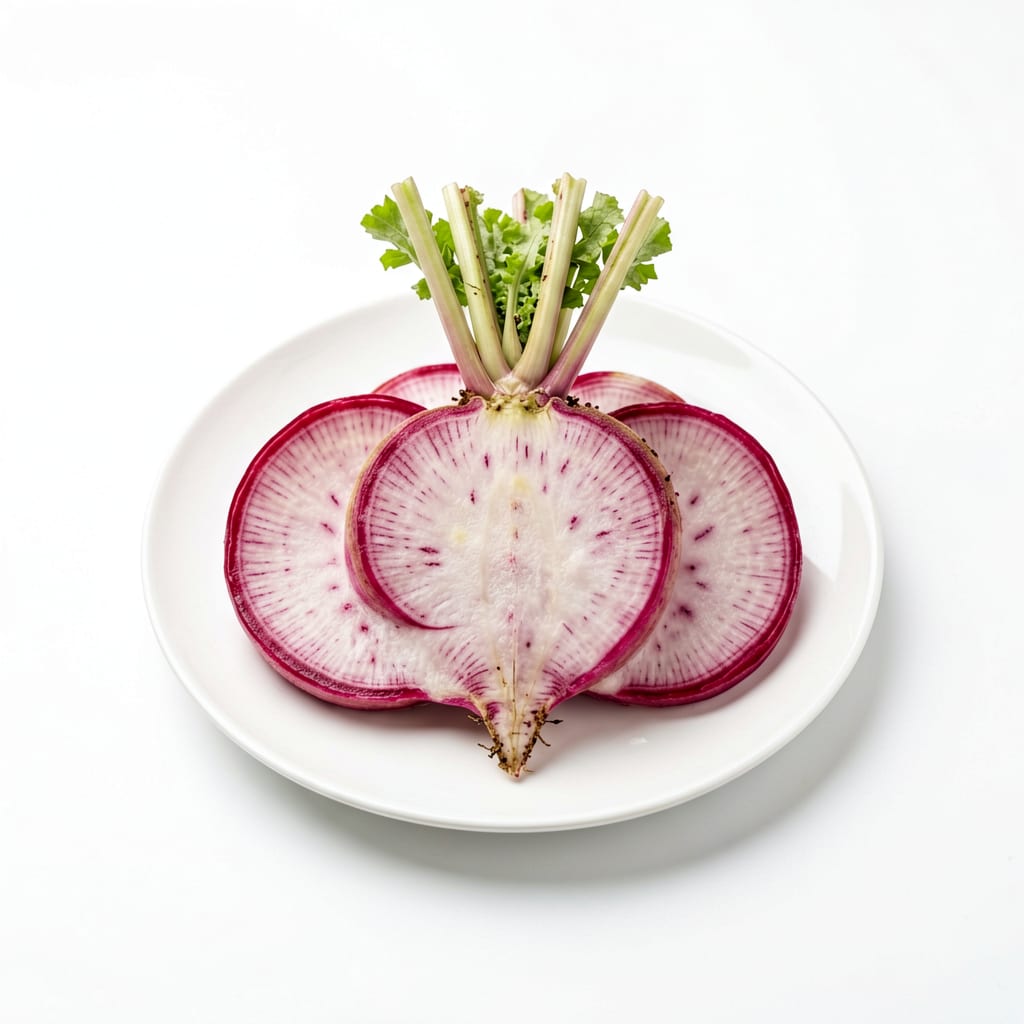
Radish
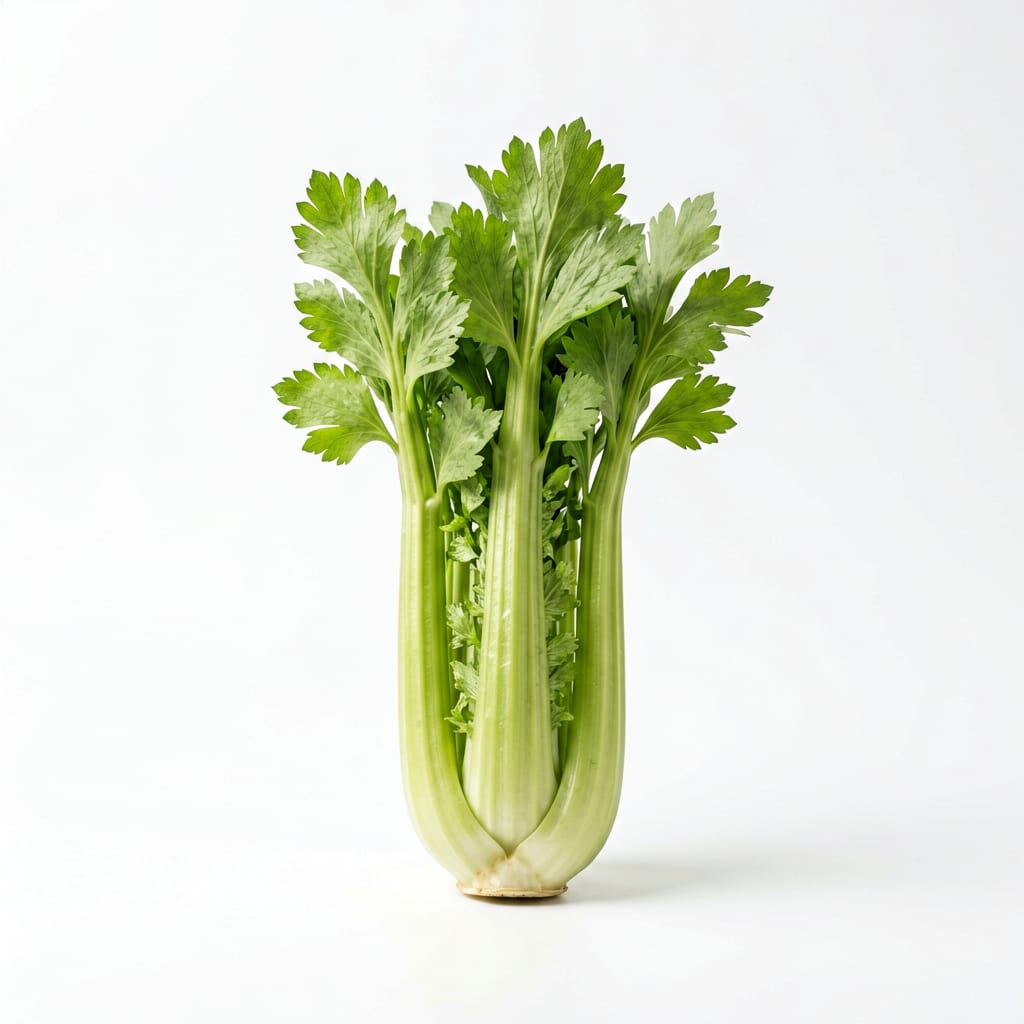
Celery
Celery is the ultimate hydration and volume snack, while Radish delivers more flavor and vitamin C per bite.
Radish scores slightly higher due to better micronutrient density and lower pesticide risk, but Celery's unmatched hydration and snackability keep it very close.
Choosing between maximum water volume and gentle crunch (Celery) versus peppery flavor and higher antioxidant value (Radish).
At a glance
Executive summary
Overall
It depends
Healthier
It depends
More practical
Celery
Daily use
Celery
Key comparison lenses
Low-calorie snacking and weight management
Both are classic diet foods known for their satisfying crunch and extremely low calorie counts.
Hydration and water intake
Celery is famously high in water content, making it a go-to for hydration-focused eaters.
Digestive comfort and gut health
Both provide fiber but have different textures and plant compounds that affect digestion differently.
Nutrient density per calorie
Users often assume these are empty crunch foods, but they offer distinct and valuable micronutrients.
Best choice for
Radish
- People wanting a flavorful, peppery crunch without salt
- Those seeking more vitamin C and folate
- Salad lovers wanting a zesty upgrade
Celery
- People needing to increase daily water intake through food
- Those who pair snacks with nut butters or hummus
- Individuals seeking maximum chewing volume for minimal calories
Least suitable for
Radish
- People sensitive to spicy or peppery flavors
- Those with severe irritable bowel syndrome triggered by cruciferous vegetables
Celery
- People with dental issues or sensitive teeth bothered by stringy textures
- Those strictly avoiding high-pesticide conventional produce (if not organic)
Deep comparison
Dimension by dimension
Each lens scores both foods and breaks down who each option suits.
- Dimension 1 · Priority 90Celery
Hydration and Snack Volume
Radish · 70Celery · 95Celery is roughly 95% water and offers massive physical volume per calorie, making it incredibly filling for its energy cost.
Tradeoff
You get more physical bulk and hydration from Celery, but Radish offers a more concentrated nutrient profile per gram.
Why it matters
When you are mindlessly snacking or trying to stretch your stomach on a diet, volume and water content dictate how satisfied you feel.
Real-world impact
Eating Celery feels like drinking crunchy water, easily satisfying the urge to chew for a long time. Radish disappears faster in the mouth.
Radish
- Getting more nutrients per bite
Better for
- Feeling physically stuffed on low calories
Worse for
Celery
- Staying hydrated on hot days
- Eating a large bowl of snacks under 50 calories
Better for
- Getting substantial vitamins from your snack
Worse for
- Dimension 2 · Priority 85Radish
Micronutrient Density
Radish · 88Celery · 60Radish provides significantly more vitamin C, folate, and glucosinolates, while Celery offers more potassium and vitamin K.
Tradeoff
Radish gives you a stronger antioxidant and immune boost, whereas Celery is better for electrolyte balance and blood pressure regulation.
Why it matters
If you are eating low-calorie foods, making sure those calories carry actual vitamins prevents long-term nutrient gaps.
Real-world impact
A handful of Radishes contributes noticeably to your daily vitamin C, keeping your skin and immune system supported. Celery acts more like an electrolyte replenisher.
Radish
- Boosting immune defense
- Adding antioxidants to a light meal
Better for
- Getting enough potassium for muscle cramps
Worse for
Celery
- Replenishing electrolytes after a light workout
- Supporting healthy blood pressure
Better for
- Meeting daily vitamin C needs
Worse for
- Dimension 3 · Priority 75It depends
Digestive Tolerance
Radish · 65Celery · 70Celery is generally easier on the stomach, but its stringy fibers can bother some. Radish is a cruciferous vegetable that can cause gas in sensitive individuals.
Tradeoff
Celery is milder on the gut lining but physically stringy; Radish is easier to chew but chemically spicier and gas-producing.
Why it matters
Cruciferous veggies like Radish are notorious for bloating, while Celery strings can be a literal choking hazard or irritant for those with digestive strictures.
Real-world impact
If you have a sensitive stomach, Celery soup is comforting, but raw Celery strings might get stuck. Raw Radishes might cause a bloated afternoon.
Radish
- Those who easily digest cruciferous vegetables
- People who prefer small, easy-to-chew bites
Better for
- People prone to gas and bloating from cruciferous veggies
Worse for
Celery
- Those who tolerate high-water fiber well
- People wanting a soothing, cooling digestive effect
Better for
- People with diverticulitis or sensitive teeth bothered by strings
Worse for
- Dimension 4 · Priority 70It depends
Flavor and Culinary Versatility
Radish · 80Celery · 75Radish brings a sharp, peppery kick that elevates salads and tacos. Celery offers a mild, earthy crunch that acts as a flavor vehicle.
Tradeoff
Radish is a flavor accent; Celery is a flavor base or vessel. They serve entirely different culinary roles.
Why it matters
Relying on one food gets boring. The ability to use a vegetable in multiple dishes determines how often you actually eat it.
Real-world impact
You reach for Celery when you want to eat hummus or build a soup base. You grab Radishes when you want a zesty, stand-alone snack with salt and butter.
Radish
- Cutting through rich or fatty dishes
- Eating raw with just a sprinkle of salt
Better for
- Pairing with delicate, sweet flavors
Worse for
Celery
- Mopping up dips and nut butters
- Building a savory flavor base for stews
Better for
- Eating completely plain if you dislike earthy flavors
Worse for
Timeline
Health impact over time
Short-term
Hours to days
Radish
- Quick hydration with a refreshing, peppery bite
- May cause mild bloating or gas shortly after eating due to cruciferous fibers
Celery
- Rapid hydration and a cooling sensation in the mouth
- Can provide quick electrolyte relief, especially potassium for mild cramping
Long-term
Months to years
Radish
- Consistent vitamin C intake supports skin elasticity and immune resilience
- Glucosinolates in Radishes may support cellular health and detox pathways
Celery
- High water and potassium intake supports healthy blood pressure long-term
- Regular fiber helps maintain bowel regularity and satiety on lower calories
Risk profile
Safety & processing
Both Radish and Celery are whole, raw vegetables typically eaten in their natural state, making them equally clean choices.
Radish
Pesticide residue
mediumRadishes grow underground and can retain soil pesticides, though they are not on the Dirty Dozen list.
Celery
Pesticide residue
highCelery consistently ranks on the EWG's Dirty Dozen list due to high pesticide residue when grown conventionally.
Who wins for whom
Audience fit
Same foods, different winners depending on your goal.
children
CeleryCelery's mild, sweet flavor and fun 'ants on a log' pairing make it more kid-friendly, though the strings should be trimmed for toddlers.
daily consumption
CeleryCelery's mild flavor and high water make it easier to eat every single day without palate fatigue.
diabetes
It dependsBoth have negligible impacts on blood sugar, making them equally safe for glucose management.
elderly
RadishRadishes are easier to chew without the stringy fibers of Celery, which can be a choking hazard or digestive irritant for older adults.
muscle gain
It dependsNeither is a significant protein source, but Celery's potassium can help with muscle cramp prevention.
weight loss
CeleryCelery provides more physical volume and takes longer to chew, making it a better tool for managing mindless snacking urges.
Your move
Decision guide
Choose Radish
- You want a snack with a bold, peppery flavor profile
- You are looking to boost your vitamin C and antioxidant intake
- You prefer buying conventional produce with lower pesticide concerns
Choose Celery
- You need maximum food volume to feel full on a calorie deficit
- You want a mild, water-rich base for dips like hummus or peanut butter
- You are trying to increase your daily hydration effortlessly
Either works if
- You just want a low-calorie, crunchy alternative to chips
- You need a raw vegetable to add to a lunchbox
- You are looking for a low-carb snack that won't spike blood sugar
Avoid both if
- You need a calorie-dense food to recover from intense endurance training
- You are looking for a significant source of protein or dietary fat
Final recommendation
Keep both in your crisper drawer. Use Celery when you need volume, hydration, or a dip vessel, and reach for Radishes when you crave a punchy, satisfying crunch with a nutritional edge.
Practical
Consumer tips
- 1
Buy organic Celery whenever possible to avoid high pesticide exposure, as it is a notoriously dirty crop.
- 2
If raw Radishes cause bloating, try roasting them; it mellows the spice and makes them easier to digest.
- 3
Peel the back of the Celery stalk with a vegetable peeler to remove the tough strings if they bother your teeth or digestion.
- 4
Slice Radishes paper-thin and soak them in ice water for 10 minutes for an ultra-crisp, milder snack.