
Nutrition comparison
Radish vs Cucumber: Nutrition, Hydration, and Health Comparison
Discover the nutritional differences between Radish and Cucumber. Learn which is better for hydration, digestion, and weight loss in this expert comparison.
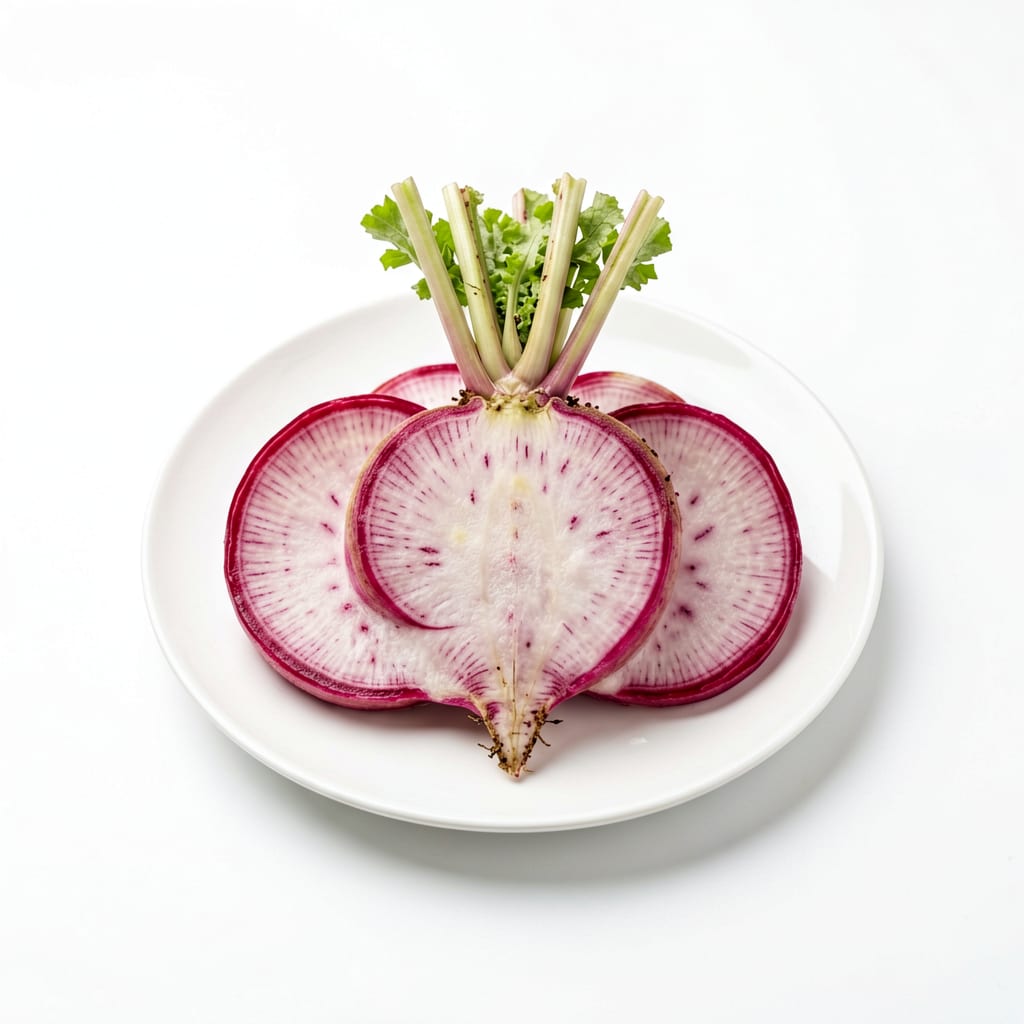
Radish
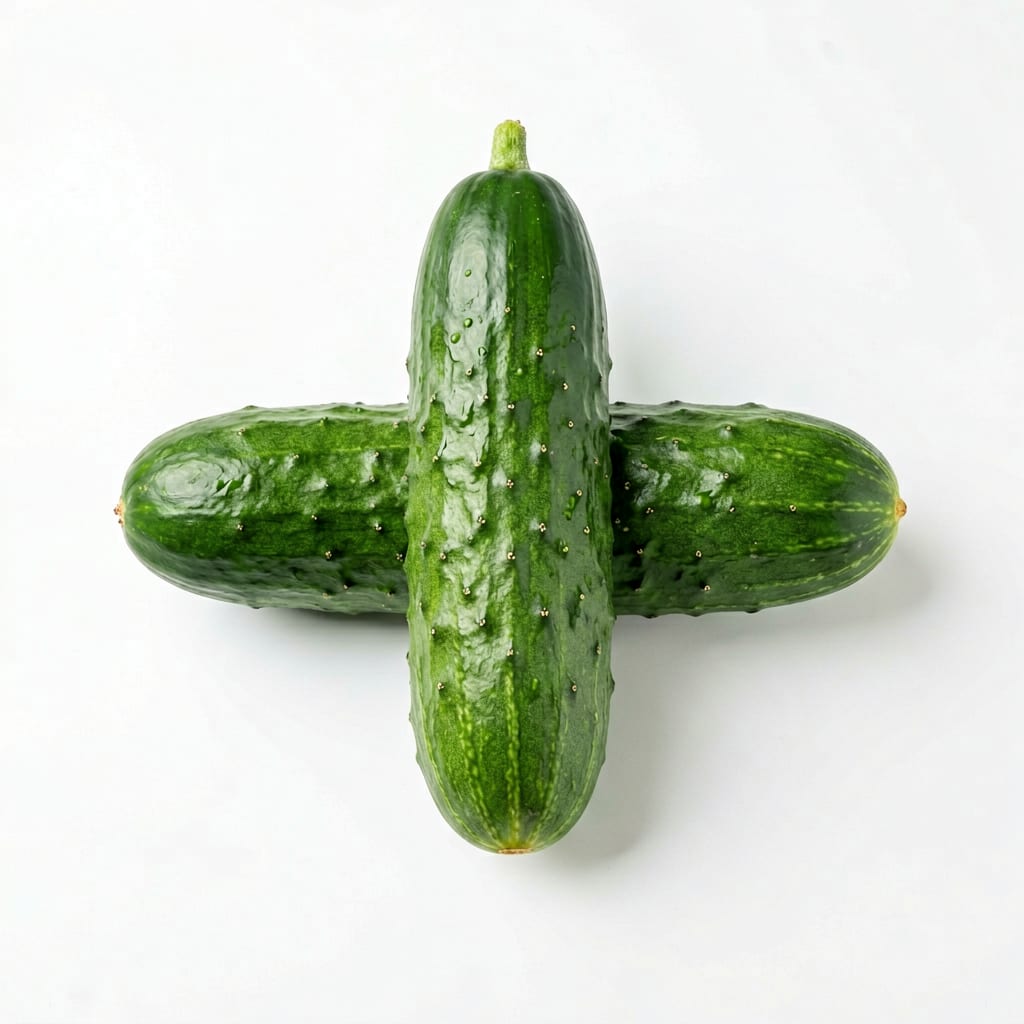
Cucumber
Radish packs more nutrition per bite, while Cucumber offers superior hydration and milder flavor for easy snacking.
Radish scores slightly higher due to its richer micronutrient profile and digestive benefits, though Cucumber's exceptional hydration and versatility keep it close.
Nutritional punch and digestive stimulation versus maximum hydration and gentle, versatile crunch.
At a glance
Executive summary
Overall
It depends
Healthier
Radish
More practical
Cucumber
Daily use
It depends
Key comparison lenses
Hydration vs Nutrient Density
Cucumber is famous for water content, while Radish offers more vitamins per bite.
Digestive Tolerance
Radish stimulates digestion but can irritate, whereas Cucumber is soothing but less active.
Low-Calorie Snacking
Both are classic diet crunch foods, but they serve very different cravings.
Best choice for
Radish
- People seeking vitamin C and immune support
- Those wanting to stimulate digestion before a heavy meal
- Anyone looking for a low-calorie flavor kick
Cucumber
- People needing maximum hydration
- Those with sensitive stomachs or acid reflux
- Anyone wanting a mild, easy-to-eat snack
Least suitable for
Radish
- People with severe acid reflux or sensitive stomachs
- Young children who dislike sharp flavors
Cucumber
- Those seeking high nutrient density per calorie
- People wanting strong flavor profiles
Deep comparison
Dimension by dimension
Each lens scores both foods and breaks down who each option suits.
- Dimension 1 · Priority 90Cucumber
Hydration & Refreshment
Radish · 75Cucumber · 98Cucumber is almost entirely water, making it one of the most hydrating foods you can eat.
Tradeoff
You get unmatched hydration with Cucumber, but very few active nutrients compared to Radish.
Why it matters
Staying hydrated impacts energy levels, skin health, and appetite control.
Real-world impact
Reaching for Cucumber on a hot day quenches thirst much faster than a peppery Radish.
Radish
- Getting nutrients alongside water
Better for
- Pure thirst quenching
Worse for
Cucumber
- Hot summer days
- Post-workout hydration
- Adding volume to meals without calories
Better for
- Satiety
- Nutrient replenishment
Worse for
- Dimension 2 · Priority 85Radish
Nutrient Density & Micronutrients
Radish · 88Cucumber · 55Radish delivers significantly more vitamin C, folate, and potassium per serving than Cucumber.
Tradeoff
Radish offers a concentrated nutrient punch, while Cucumber's nutrients are heavily diluted by water content.
Why it matters
Micronutrients support immune function, energy production, and cellular repair.
Real-world impact
A handful of Radishes provides a noticeable chunk of your daily vitamin C, whereas Cucumber mostly fills your stomach with water.
Radish
- Immune support
- Tissue repair
- Electrolyte balance
Better for
- Eating in massive quantities
Worse for
Cucumber
- Gentle nourishment without digestive stimulation
Better for
- Meeting daily vitamin needs efficiently
Worse for
- Dimension 3 · Priority 80Radish
Digestive Health & Gut Support
Radish · 85Cucumber · 70Radish contains more fiber and natural compounds that stimulate bile production and digestion.
Tradeoff
Radish actively promotes digestive enzyme flow, but its spiciness can irritate sensitive stomachs, unlike the soothing Cucumber.
Why it matters
Good digestion ensures you actually absorb the nutrients from your food.
Real-world impact
Eating Radishes before a heavy meal can help prevent that sluggish, overly full feeling.
Radish
- Pre-meal digestive support
- Increasing daily fiber intake
Better for
- Acid reflux flare-ups
- Irritable bowel syndrome triggers
Worse for
Cucumber
- Soothing an upset stomach
- Gentle fiber for sensitive guts
Better for
- Significantly moving the needle on daily fiber goals
Worse for
- Dimension 4 · Priority 75Cucumber
Versatility & Culinary Ease
Radish · 65Cucumber · 90Cucumber's mild flavor makes it a seamless addition to almost any dish, while Radish's sharp bite limits its use.
Tradeoff
Cucumber plays well with everything, but Radish provides a unique flavor punch that Cucumber simply cannot replicate.
Why it matters
Foods that are easy to incorporate get eaten more consistently.
Real-world impact
You can throw Cucumber into a smoothie, a salad, or a water pitcher; Radish requires more thoughtful pairing.
Radish
- Tacos and garnishes
- Adding crunch and zest to salads
Better for
- Blending into mild dishes
- Sweet applications
Worse for
Cucumber
- Smoothies
- Neutral salad bases
- Infused water
Better for
- Adding a spicy kick
- Standing out as a flavor feature
Worse for
Timeline
Health impact over time
Short-term
Hours to days
Radish
- Provides a quick peppery energy boost
- Stimulates digestion and appetite
- Clears sinuses due to natural pungency
Cucumber
- Instantly hydrates and cools the body
- Soothes the digestive tract
- Provides a very light, non-bloating snack
Long-term
Months to years
Radish
- Supports immune health via consistent vitamin C intake
- Promotes regular bowel movements with higher fiber
- May help maintain healthy blood pressure through potassium
Cucumber
- Improves overall hydration status
- Supports skin elasticity and joint health via silica
- Helps maintain low caloric intake for weight management
Risk profile
Safety & processing
Both Radish and Cucumber are whole, raw vegetables with virtually no processing or artificial additives when purchased fresh.
Radish
Pesticide residue
mediumRadishes grow in the ground and are often heavily sprayed; peeling is uncommon, so thorough washing is essential.
Digestive irritation
lowThe natural spiciness can cause heartburn or stomach upset in sensitive individuals if eaten in large amounts.
Cucumber
Wax coatings
mediumConventional Cucumbers are often coated with food-grade wax to retain moisture, which can trap pesticides; peeling or buying organic mitigates this.
Pesticide residue
mediumCucumbers frequently appear on the EWG's Dirty Dozen list due to pesticide residues on the skin.
Who wins for whom
Audience fit
Same foods, different winners depending on your goal.
children
CucumberCucumber's mild, sweet, and watery crunch is far more appealing to kids than Radish's sharp, peppery bite.
daily consumption
It dependsCucumber is easier to eat in large daily quantities due to its mildness, but Radish offers better daily micronutrient returns per bite.
diabetes
RadishRadish has slightly more fiber and a lower glycemic load, leading to marginally better blood sugar stability, though both are excellent choices.
elderly
CucumberCucumber is easier to chew, gentler on the stomach, and provides crucial hydration for older adults.
muscle gain
It dependsNeither is notably beneficial for muscle gain, as both are mostly water with minimal protein.
weight loss
It dependsBoth are extremely low in calories. Cucumber offers more volume for fewer calories, while Radish provides more fiber for satiety.
Your move
Decision guide
Choose Radish
- You want a low-calorie snack that actually provides vitamins
- You need a digestive boost before a heavy meal
- You enjoy a spicy, crunchy kick in your salads
Choose Cucumber
- You are struggling to drink enough water
- You want a mild base for smoothies or snacks
- You have a sensitive stomach or acid reflux
Either works if
- You need a low-calorie crunch to replace chips
- You are building a raw veggie platter
- You want to add bulk to meals without adding calories
Avoid both if
- You are looking for a significant source of protein or healthy fats
- You need a calorie-dense food for weight gain
Final recommendation
Keep both in your crisper drawer. Use Cucumber for everyday hydration and bulk, and deploy Radish when you need a nutrient-dense, digestive-stimulating crunch.
Practical
Consumer tips
- 1
Wash Radishes thoroughly under running water with a brush to remove soil and potential pesticide residue.
- 2
If Cucumbers aren't organic, peel them to avoid wax coatings and concentrated pesticides on the skin.
- 3
Slice Radishes paper-thin if the spiciness is too intense; it mellows the bite.
- 4
Add Cucumber slices to your water bottle for a no-effort hydration upgrade throughout the day.