
Nutrition comparison
Radish vs Beet: Which Root Vegetable Is Better for You?
Compare radish and beet nutrition, health benefits, and practical tradeoffs. Find out which is better for weight loss, blood pressure, diabetes, and athletic performance.
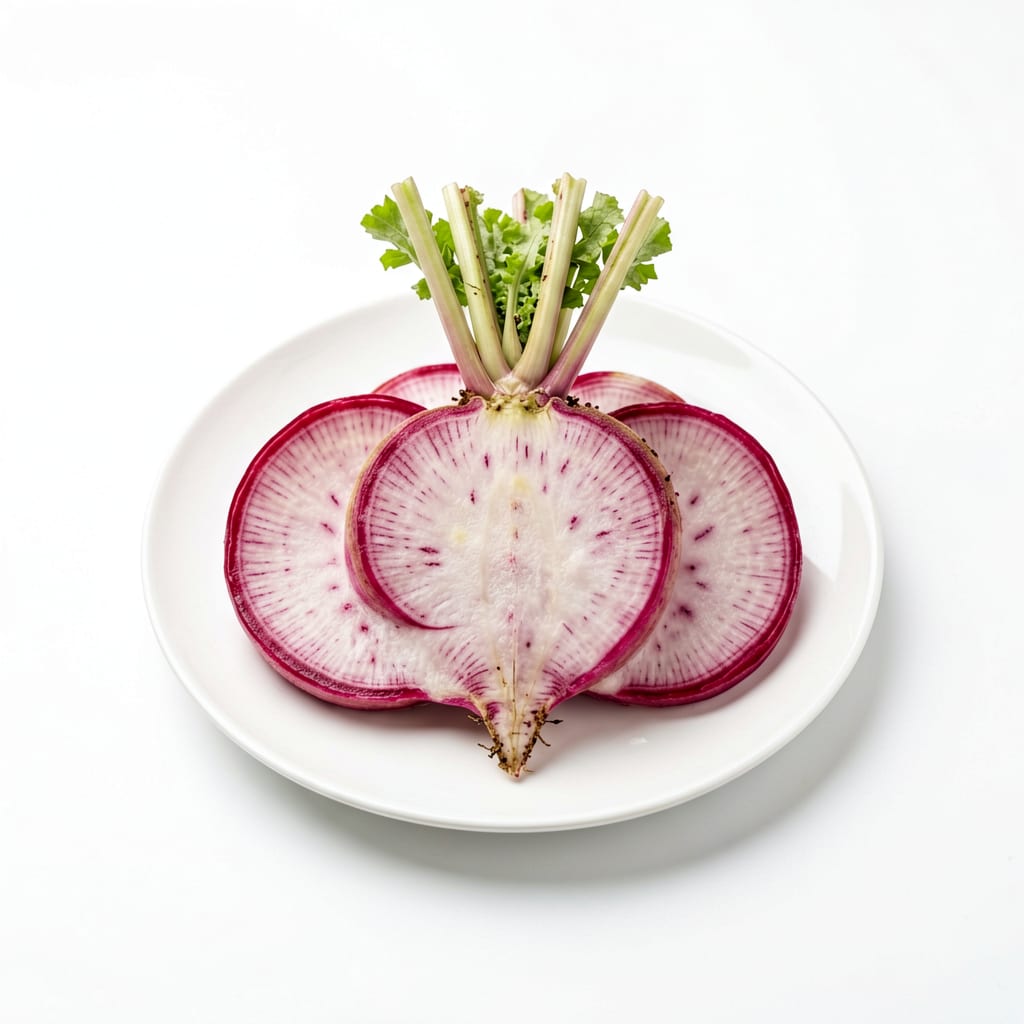
Radish
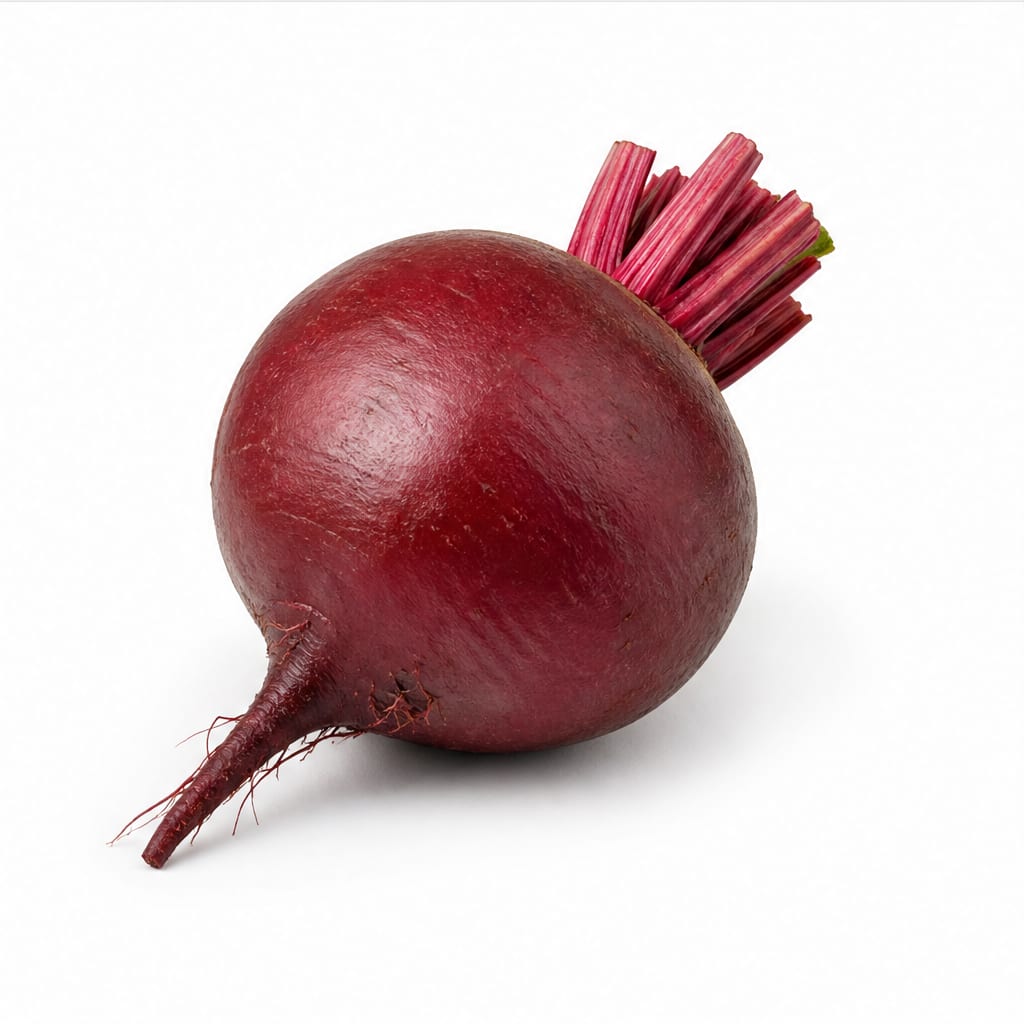
Beet
Radishes win for low-calorie snacking and blood sugar control; beets win for heart health, endurance, and nutrient density.
Beets score higher overall due to superior nutrient density and proven cardiovascular benefits, but radishes remain excellent for weight management and convenience. The gap is modest because both are whole, healthy vegetables with different strengths.
You choose between radish's near-zero calorie crunch and beet's deeper nutritional benefits that require more prep and carry more sugar.
At a glance
Executive summary
Overall
It depends
Healthier
It depends
More practical
Radish
Daily use
Radish
Key comparison lenses
heart health and blood pressure
Beets are famous for dietary nitrates that lower blood pressure, a unique advantage over radishes
weight management and calorie efficiency
Radish is dramatically lower in calories and sugar, making it the obvious choice for calorie-conscious eaters
athletic performance and stamina
Beet juice is widely used by athletes for endurance benefits, while radishes offer no comparable performance edge
blood sugar control
Radishes have almost no sugar impact, whereas beets contain more natural sugars that can affect glucose
convenience and everyday snacking
Radishes are ready to eat raw with zero prep, while beets typically require cooking or peeling
Best choice for
Radish
- Weight loss and calorie counting
- Blood sugar management
- Quick raw snacking
- Adding crunch to salads without adding calories
Beet
- Lowering blood pressure naturally
- Boosting athletic endurance
- Increasing folate and iron intake
- Supporting liver detoxification
Least suitable for
Radish
- Athletes seeking performance gains
- Anyone needing folate or iron supplementation through food
- People wanting a filling, satisfying side dish
Beet
- Strict low-carb or keto dieters
- People monitoring sugar intake closely
- Those who want grab-and-go convenience
Deep comparison
Dimension by dimension
Each lens scores both foods and breaks down who each option suits.
- Dimension 1 · Priority 88Radish
Caloric Efficiency
Radish · 95Beet · 65Radishes deliver big crunch and volume for almost no calories, while beets cost nearly three times the calories per serving.
Tradeoff
Radishes fill you up without the calorie bill; beets offer more nutrients per bite but come with a higher energy cost.
Why it matters
If you are tracking calories or trying to lose weight, radishes let you eat more volume for less caloric investment.
Real-world impact
A cup of sliced radishes costs about 19 calories. A cup of beets runs about 58 calories. That difference adds up over weeks.
Radish
- Calorie-restricted diets
- Volume eating strategies
- Mindless snacking without guilt
Better for
- Athletes needing caloric fuel
Worse for
Beet
- People who need more energy from meals
- Recovering from illness when appetite is low
Better for
- Strict calorie counters
Worse for
- Dimension 2 · Priority 92Beet
Heart Health and Blood Pressure
Radish · 50Beet · 93Beets are one of the best natural sources of dietary nitrates, which convert to nitric oxide and relax blood vessels. Radishes cannot compete here.
Tradeoff
Eating beets regularly can meaningfully lower blood pressure. Radishes support heart health only indirectly through low calories and general vegetable intake.
Why it matters
For the 1 in 3 adults with hypertension, beet consumption has clinically measurable effects within hours of eating them.
Real-world impact
Studies show beet juice can lower systolic blood pressure by 4-10 mmHg. That rivals some medications for mild hypertension.
Radish
- People whose blood pressure is already optimal
Better for
- Those specifically seeking blood pressure reduction through diet
Worse for
Beet
- Anyone with elevated blood pressure
- Older adults at cardiovascular risk
- Post-heart-attack recovery diets
Better for
- Dimension 3 · Priority 80Radish
Blood Sugar Impact
Radish · 96Beet · 68Radishes have almost no sugar and minimal glycemic impact. Beets contain more natural sugars and have a moderate glycemic index.
Tradeoff
Radishes are essentially free calories for diabetics. Beets are still acceptable but require more portion awareness.
Why it matters
For anyone with insulin resistance or diabetes, radishes can be eaten freely while beets need to be counted.
Real-world impact
A serving of radishes has about 2g of sugar versus nearly 8g in an equivalent serving of beets. That matters when you are dosing insulin.
Radish
- Type 2 diabetics
- Keto and very-low-carb dieters
- People with insulin resistance
Better for
Beet
- Athletes who need some carbs for performance
Better for
- Those on strict sugar-restricted protocols
Worse for
- Dimension 4 · Priority 85Beet
Athletic Performance
Radish · 30Beet · 90Beet nitrates improve oxygen efficiency and endurance. Radishes offer no direct performance benefit.
Tradeoff
If you want to run faster or last longer in workouts, beets are a proven ergogenic aid. Radishes are just a healthy vegetable.
Why it matters
Olympic athletes and weekend warriors alike use beet juice for measurable stamina gains of 5-15% in endurance events.
Real-world impact
Drinking beet juice before a run can help you go 15-20 seconds longer before exhaustion. That is the difference between a PR and a missed goal.
Radish
- Athletes seeking legal performance enhancement
Worse for
Beet
- Endurance athletes
- Competitive cyclists and runners
- Anyone doing high-intensity interval training
Better for
- Dimension 5 · Priority 82Beet
Nutrient Density
Radish · 58Beet · 88Beets deliver significantly more folate, manganese, potassium, and iron per serving. Radishes provide vitamin C and some potassium but are nutritionally lighter overall.
Tradeoff
Beets are a nutrient powerhouse worth the extra calories. Radishes give you less nutrition per serving but also cost you almost nothing calorically.
Why it matters
If your diet already lacks folate or iron, beets can help close that gap. Radishes cannot fill the same role.
Real-world impact
One cup of beets provides about 37% of your daily folate needs. Radishes provide roughly 6%. That is a meaningful difference for pregnant women or anyone low on B vitamins.
Radish
- People who already eat nutrient-dense diets and just want crunch
Better for
- Those relying on few vegetables for their micronutrients
Worse for
Beet
- Pregnant women needing folate
- Vegetarians and vegans seeking iron
- Anyone recovering from deficiency
Better for
- Dimension 6 · Priority 75Radish
Convenience and Preparation
Radish · 92Beet · 55Radishes are ready to eat raw with a quick rinse. Beets usually need cooking, peeling, and stain everything they touch.
Tradeoff
Radishes are grab-and-go. Beets require planning, cooking time, and willingness to deal with pink-stained hands and cutting boards.
Why it matters
Convenience determines what you actually eat. The vegetable that is easier to prepare gets eaten more often.
Real-world impact
You can snack on radishes in 30 seconds. Roasting beets takes 45-60 minutes. Pre-cooked beets solve this but cost more.
Radish
- Busy professionals
- Meal preppers wanting raw options
- People who hate cooking
Better for
Beet
- Weekend meal prep enthusiasts
- Anyone who enjoys roasting vegetables
Better for
- Time-pressed weeknight cooks
- Anyone who dislikes messy prep
Worse for
- Dimension 7 · Priority 72Beet
Antioxidant Profile
Radish · 60Beet · 85Beets contain betalains, unique pigments with strong anti-inflammatory and detoxifying properties. Radishes have glucosinolates and anthocyanins but in smaller quantities.
Tradeoff
Beets offer a rare class of antioxidants you cannot easily get elsewhere. Radishes provide more common antioxidants also found in broccoli and cabbage.
Why it matters
Betalains support liver function and fight inflammation in ways other vegetables cannot replicate. Variety matters in antioxidants.
Real-world impact
If you already eat cruciferous vegetables, radishes add little new antioxidant value. Beets bring something genuinely different to the table.
Radish
- Those who do not eat any cruciferous vegetables
Better for
- Those already eating lots of cruciferous vegetables
Worse for
Beet
- People seeking diverse antioxidant sources
- Anyone focused on liver health
- Anti-inflammatory diet followers
Better for
Timeline
Health impact over time
Short-term
Hours to days
Radish
- Immediate hydration from high water content
- Peppery flavor can clear sinuses and stimulate digestion
- Very low risk of blood sugar spikes
Beet
- Noticeable blood pressure drop within 2-3 hours of consumption
- Natural energy boost from moderate sugar and nitrates
- Beeturia in roughly 10-14% of people, which is harmless but surprising
Long-term
Months to years
Radish
- Consistent low-calorie intake supports weight maintenance
- Glucosinolates may reduce certain cancer risks
- Minimal nutritional downside for daily consumption
Beet
- Sustained blood pressure improvement with regular intake
- Folate supports cell repair and DNA synthesis over time
- Betalains may protect against chronic inflammation and oxidative damage
- Natural oxalates could contribute to kidney stones in susceptible individuals
Risk profile
Safety & processing
Both radishes and beets are whole, unprocessed root vegetables typically sold fresh. Neither carries meaningful additive concerns unless purchased canned or pickled, which adds sodium and sometimes preservatives.
Radish
Pesticide residue on skin
lowRadishes are often grown with conventional pesticides, but their short growing season limits accumulation. Washing thoroughly or choosing organic reduces this further.
Goitrogenic compounds
lowRaw radishes contain goitrogens that can interfere with thyroid function, but you would need to eat very large amounts daily for this to matter. Cooking neutralizes most of the concern.
Beet
Oxalate content and kidney stones
mediumBeets contain notable oxalates. If you have a history of calcium oxalate kidney stones, limit beet intake or consult your doctor.
Beeturia misinterpretation
lowRed or pink urine after eating beets is harmless for most people, but can be confused with blood in urine. In rare cases, it indicates iron metabolism issues worth discussing with a doctor.
Nitrate interactions with medications
lowHigh nitrate intake from beets could theoretically interact with erectile dysfunction medications or blood pressure drugs, causing excessive hypotension. Monitor if combining both.
Who wins for whom
Audience fit
Same foods, different winners depending on your goal.
children
BeetBeets are sweeter and milder, making them more appealing to kids. Their folate also supports growing bodies. Radishes can be too spicy for young palates.
daily consumption
RadishRadishes are easier to eat daily due to zero prep, no sugar concerns, and no oxalate risks. Beets are excellent but require more planning and portion mindfulness.
diabetes
RadishRadishes have negligible sugar content and almost no glycemic impact, making them safer for blood sugar management.
elderly
BeetBeets support cardiovascular health and blood pressure management, which are critical concerns for older adults. Their folate and potassium also help prevent common deficiencies.
muscle gain
BeetBeets offer more carbohydrates for training fuel and nitrates that improve workout performance and blood flow to muscles.
weight loss
RadishRadishes provide maximum crunch and volume for minimal calories, making them ideal for weight loss snacking.
Your move
Decision guide
Choose Radish
- You are counting calories or trying to lose weight
- You have diabetes or blood sugar concerns
- You want a no-prep crunchy snack
- You have a history of kidney stones
- You already eat beets or other nitrate-rich foods regularly
Choose Beet
- You want to lower your blood pressure naturally
- You are an endurance athlete seeking performance gains
- You need more folate, iron, or potassium in your diet
- You enjoy roasting vegetables and have time to cook
- You are pregnant or trying to conceive and need folate
Either works if
- You just want to eat more vegetables in general
- You are building a balanced salad or roasted vegetable medley
- You have no specific health concerns and enjoy both flavors
Avoid both if
- You are on a very strict very-low-fiber diet for digestive reasons
- You have severe oxalate restrictions, in which case limit beets specifically
Final recommendation
Eat both. Radishes are your daily crunchy low-calorie staple, and beets are your targeted heart-health and performance booster. Keep radishes in the fridge for instant snacking, and roast a batch of beets weekly for salads and sides. Together they cover far more nutritional ground than either alone.
Practical
Consumer tips
- 1
Buy radishes with greens still attached — they are a sign of freshness, and the greens are edible and nutritious when sautéed
- 2
Roast beets at 400°F wrapped in foil for 45-60 minutes for the easiest peeling method
- 3
Pre-cooked vacuum-sealed beets are widely available and save significant time without nutritional loss
- 4
Slice radishes thin and soak in ice water for 15 minutes to mellow their peppery bite
- 5
If beets stain your cutting board, lemon juice and salt will remove most of the color
- 6
Pair radishes with butter and flaky salt for a classic French snack that feels indulgent but remains low-calorie
- 7
Freeze cooked beets in portions for smoothies — they add sweetness, color, and nitrates without any prep on busy mornings