
Nutrition comparison
Radish vs Bell Pepper: Nutrition, Calories, and Health Comparison
Compare radish and bell pepper side by side. Discover which is better for weight loss, vitamin C, digestion, and daily nutrition with practical tradeoff analysis.
Overall winner · Bell Pepper
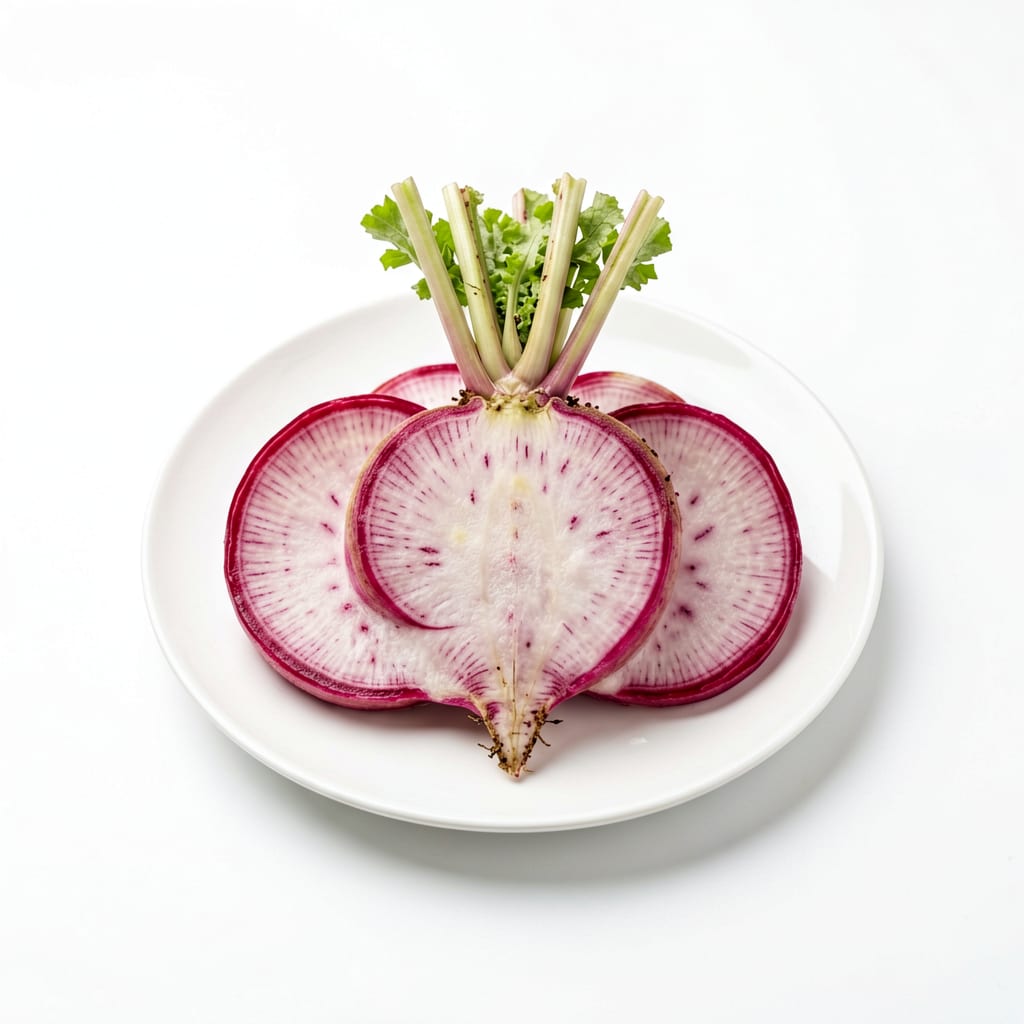
Radish
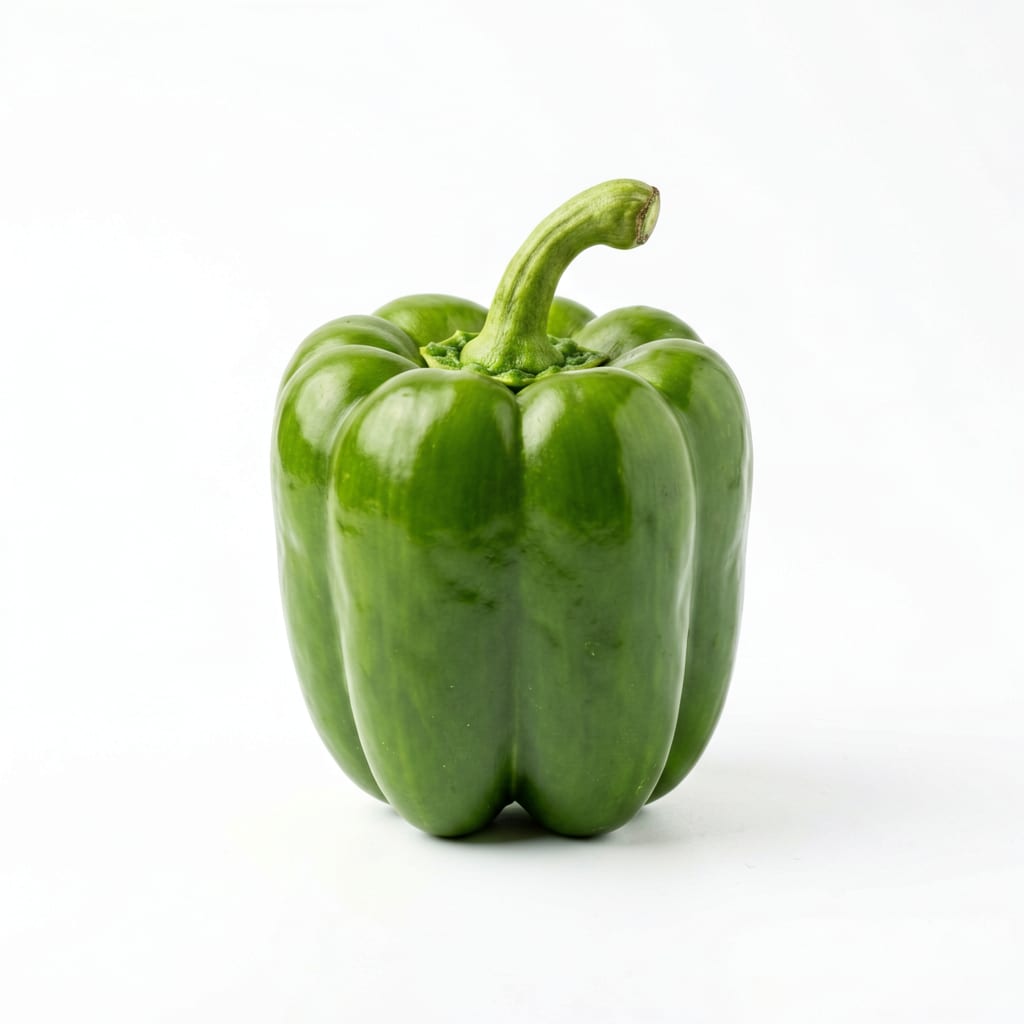
Bell Pepper
Bell pepper delivers far more nutrition per bite, especially vitamin C and antioxidants, while radish wins on sheer calorie minimization and unique sulfur compounds.
Bell pepper scores notably higher due to its exceptional vitamin C content, broader nutrient profile, and superior culinary versatility. Radish remains valuable for ultra-low calorie needs and unique glucosinolate compounds, but offers less overall nutritional impact per serving.
Radish is the ultimate low-calorie crunch, but bell pepper offers dramatically more vitamins and culinary flexibility for slightly more calories.
At a glance
Executive summary
Overall
Bell Pepper
Healthier
Bell Pepper
More practical
Bell Pepper
Daily use
Bell Pepper
Key comparison lenses
vitamin C and antioxidant intake
Bell pepper is one of the richest vitamin C sources available, while radish provides different sulfur-based antioxidants
low calorie snacking
Both are popular raw snack vegetables with very low calorie counts, making them direct substitutes for crunchy snacking
salad and meal versatility
Users commonly choose between these for salads, stir-fries, and crudité plates
weight management
Both are extremely low in calories but differ in satiety and how satisfying they feel
digestive tolerance
Radishes can cause bloating in sensitive people, while bell peppers are generally gentler
Best choice for
Radish
- People counting every calorie strictly
- Those wanting a peppery bite in salads
- Anyone seeking cruciferous vegetable benefits
- Raw snackers who prefer sharp, zesty flavors
Bell Pepper
- People prioritizing vitamin C intake
- Families needing kid-friendly vegetable options
- Cooking enthusiasts wanting versatile ingredients
- Anyone wanting maximum nutrition per calorie
Least suitable for
Radish
- People with sensitive digestion or IBS
- Children who dislike spicy or bitter flavors
- Those wanting a substantial, filling snack
- Anyone needing high vitamin C from food
Bell Pepper
- People with nightshade sensitivities
- Those on extremely strict calorie restriction
- Anyone with bell pepper allergies
Deep comparison
Dimension by dimension
Each lens scores both foods and breaks down who each option suits.
- Dimension 1 · Priority 95Bell Pepper
Vitamin and Mineral Density
Radish · 35Bell Pepper · 88Bell pepper dominates this category, delivering over 150% of daily vitamin C in a single pepper, plus significant vitamin A, B6, and folate.
Tradeoff
Radish provides modest vitamin C and some potassium, but cannot compete with the sheer micronutrient volume bell pepper offers.
Why it matters
If you rely on vegetables as a primary vitamin source, bell pepper is far more efficient. One red bell pepper covers your entire vitamin C needs for the day.
Real-world impact
Eating a bell pepper daily can meaningfully reduce your need for vitamin C supplements. Radish would require many servings to achieve the same effect.
Radish
- Supplement users who already get vitamins elsewhere
- Those wanting trace mineral diversity from cruciferous vegetables
Better for
- Reliance on radish alone for vitamins leaves significant gaps
Worse for
Bell Pepper
- Anyone wanting food-first vitamin C
- People who do not take multivitamins
- Families needing nutrient-dense kid-friendly options
Better for
- Vitamin C degrades with cooking, so raw consumption matters more
Worse for
- Dimension 2 · Priority 85Radish
Calorie Efficiency and Weight Loss
Radish · 92Bell Pepper · 75Radish provides maximum crunch and volume for almost no calories, making it the ultimate grazing vegetable.
Tradeoff
Bell pepper is still very low calorie but has nearly double the calories per 100g. However, it feels more satisfying per piece.
Why it matters
For strict calorie counters, radish lets you eat a large volume with minimal caloric impact. Bell pepper offers more satiety per piece but at a slightly higher cost.
Real-world impact
A bowl of radish slices costs you roughly 15-20 calories. The same volume of bell pepper runs about 30-40 calories. Both are excellent, but radish is the leaner choice.
Radish
- Mindless snackers who eat large volumes
- People on very low calorie diets
- Late-night grazers wanting near-zero calorie options
Better for
- Low calorie density means you may not feel full
Worse for
Bell Pepper
- People who feel satisfied with moderate portions
- Those prioritizing nutrient density over calorie minimization
Better for
- Calories add up faster if you eat multiple peppers
Worse for
- Dimension 3 · Priority 82Bell Pepper
Antioxidant Diversity
Radish · 60Bell Pepper · 85Bell pepper offers a broader antioxidant spectrum including capsanthin, lutein, and quercetin, while radish contributes unique glucosinolates.
Tradeoff
Radish provides sulfur-based compounds linked to cancer defense that bell pepper lacks entirely. Bell pepper covers more antioxidant categories overall.
Why it matters
Different antioxidants protect different systems. Bell pepper excels at skin, eye, and immune support. Radish contributes to liver health and cellular defense through glucosinolates.
Real-world impact
Eating both gives you complementary antioxidant coverage. If you must pick one for overall antioxidant breadth, bell pepper wins. For liver and detox support, radish has a unique edge.
Radish
- People focused on liver health and detox pathways
- Those already eating colorful vegetables who want cruciferous variety
Better for
- Narrower antioxidant range compared to colorful bell peppers
Worse for
Bell Pepper
- People wanting broad-spectrum antioxidant protection
- Those concerned with eye health and skin aging
Better for
- Missing the glucosinolate family entirely
Worse for
- Dimension 4 · Priority 80Bell Pepper
Culinary Versatility
Radish · 45Bell Pepper · 90Bell pepper works raw, roasted, grilled, sautéed, stuffed, and blended into sauces. Radish is mostly eaten raw or pickled.
Tradeoff
Radish has a distinctive peppery crunch that adds unique character to salads and tacos, but it cannot match bell pepper's cooking flexibility.
Why it matters
A vegetable you can cook multiple ways gets used more often and wasted less. Bell pepper fits breakfast dishes, stir-fries, pasta sauces, and sheet pan meals effortlessly.
Real-world impact
Bell pepper is a kitchen staple you can build meals around. Radish is more of a supporting player that adds crunch and zing but rarely carries a dish.
Radish
- Raw food enthusiasts
- Pickling and fermenting hobbyists
- Those wanting a sharp accent flavor
Better for
- Limited cooking applications beyond raw and pickled
- Becomes mushy and loses appeal when cooked
Worse for
Bell Pepper
- Home cooks wanting one vegetable that does everything
- Meal preppers needing ingredient flexibility
- Families with diverse recipe needs
Better for
- Can dominate milder dishes with its sweetness
Worse for
- Dimension 5 · Priority 75Bell Pepper
Digestive Tolerance
Radish · 50Bell Pepper · 72Bell pepper is generally well-tolerated, while radish can cause gas and bloating in sensitive individuals due to its cruciferous fiber and sulfur compounds.
Tradeoff
Radish offers more roughage that feeds gut bacteria, but that same fiber can be uncomfortable. Bell pepper is gentler on most digestive systems.
Why it matters
If you have IBS, fodmap sensitivities, or a delicate stomach, radish may cause noticeable discomfort. Bell pepper is usually safer for sensitive digestion.
Real-world impact
A handful of radishes can leave some people bloated within an hour. Bell pepper rarely causes the same issue unless you have a specific nightshade sensitivity.
Radish
- People with robust digestion who benefit from prebiotic fiber
- Those wanting to support gut microbiome diversity
Better for
- Common trigger for gas and bloating
- Can irritate sensitive stomachs when eaten in quantity
Worse for
Bell Pepper
- People with IBS or sensitive digestion
- Anyone prone to bloating from cruciferous vegetables
Better for
- Nightshade sensitivity can cause joint pain in some people
- Skin may be harder to digest for those with compromised digestion
Worse for
- Dimension 6 · Priority 70Radish
Blood Sugar Stability
Radish · 88Bell Pepper · 78Both are excellent for blood sugar, but radish has slightly less natural sugar and a marginally lower glycemic impact.
Tradeoff
The difference is minimal. Both are safe choices for diabetics. Radish edges ahead only because it contains virtually no sugar at all.
Why it matters
For most people, this distinction is negligible. Both vegetables are among the best blood sugar-friendly options available.
Real-world impact
Neither will spike your blood sugar. A serving of radish has about 2g of sugar versus 4-5g in bell pepper. Both are trivial in the context of a meal.
Radish
- Diabetics being extremely cautious about sugar grams
- Keto dieters tracking every carbohydrate
Better for
- Minimal sugar means less natural sweetness, which may lead to cravings
Worse for
Bell Pepper
- Diabetics who want more satisfying portions without worry
- Anyone eating balanced meals where a few grams of sugar are irrelevant
Better for
- Slightly higher sugar may matter for very strict keto adherence
Worse for
Timeline
Health impact over time
Short-term
Hours to days
Radish
- Quick hydration from high water content
- Peppery compounds may clear sinuses slightly
- Can cause immediate bloating or gas in sensitive people
- Very light on the stomach when tolerated well
Bell Pepper
- Immediate vitamin C boost supporting immune function
- Natural sweetness can satisfy sugar cravings healthily
- Hydrating and refreshing when eaten raw
- Generally easy on digestion with no common acute reactions
Long-term
Months to years
Radish
- Glucosinolates may support liver detoxification pathways over time
- Regular cruciferous intake linked to reduced cancer risk in epidemiological studies
- Consistent low-calorie snacking supports weight maintenance
- May contribute to thyroid issues if consumed in extreme excess raw
Bell Pepper
- Sustained high vitamin C intake supports collagen production and skin health
- Lutein and zeaxanthin protect against age-related macular degeneration
- Regular consumption associated with lower cardiovascular risk
- Capsanthin in red varieties may improve lipid profiles over time
Risk profile
Safety & processing
Both radish and bell pepper are whole, unprocessed vegetables typically eaten in their natural state. Neither carries meaningful additive concerns when purchased fresh.
Radish
Pesticide residue on conventional radishes
mediumRadishes grow in the ground and are often consumed with skin on, so conventional varieties can retain pesticide residues. Washing thoroughly or choosing organic reduces this risk.
Contamination from soil
lowAs a root vegetable, radish contacts soil directly. Proper washing eliminates most risk from soil-borne bacteria.
Bell Pepper
Pesticide residue on conventional bell peppers
mediumBell peppers frequently appear on EWG's Dirty Dozen list due to pesticide residues on conventional crops. The soft skin absorbs and retains sprays. Organic is preferable.
Nightshade sensitivity
lowA minority of people experience joint pain or digestive discomfort from nightshade vegetables. This is not a safety issue for the general population.
Who wins for whom
Audience fit
Same foods, different winners depending on your goal.
children
Bell PepperBell pepper's sweetness and bright colors appeal to kids far more than radish's sharp, peppery bite. Red bell pepper is often one of the first vegetables children accept willingly.
daily consumption
Bell PepperBell pepper's superior nutrient density and culinary flexibility make it easier and more beneficial to eat every single day without monotony.
diabetes
RadishBoth are excellent, but radish has marginally less sugar and a slightly lower glycemic impact, making it the safer bet for strict blood sugar management.
elderly
Bell PepperBell pepper's higher vitamin C supports collagen and joint health, and its gentler digestion suits aging digestive systems better than radish's roughage.
muscle gain
Bell PepperNeither is a protein source, but bell pepper's vitamin C content helps with collagen synthesis and recovery from intense training.
weight loss
RadishRadish provides maximum crunch and volume for the fewest calories, making it ideal for volume eaters and strict calorie counters.
Your move
Decision guide
Choose Radish
- You want the lowest possible calorie snack with satisfying crunch
- You are building a crudité platter and need sharp flavor contrast
- You want cruciferous vegetable benefits for liver and detox support
- You enjoy peppery, zesty flavors and find sweet vegetables boring
Choose Bell Pepper
- You want maximum vitamin C and antioxidant intake from one vegetable
- You need a versatile ingredient that works raw and cooked
- You are feeding children or picky eaters who prefer sweet flavors
- You want one vegetable that can anchor multiple meals throughout the week
Either works if
- You want a hydrating, low-calorie raw snack
- You are building a salad and want crunchy texture
- You want blood sugar-friendly vegetable options
- You are trying to increase daily vegetable variety
Avoid both if
- You have severe digestive issues and need cooked, easily digestible vegetables only
- You are seeking significant protein or calorie intake from vegetables
Final recommendation
Keep both in your kitchen but lean on bell pepper as your daily workhorse. It delivers far more nutrition per serving and adapts to nearly any meal. Add radish as a crunchy accent when you want ultra-low calorie volume or that distinctive peppery bite. Together, they cover each other's nutritional gaps beautifully.
Practical
Consumer tips
- 1
Choose organic bell peppers when possible, as they consistently rank high for pesticide residue on conventional crops
- 2
Red bell peppers are nutritionally superior to green, with roughly double the vitamin C and significantly more beta-carotene
- 3
Store radishes with greens removed to prevent moisture loss and extend crispness for up to two weeks
- 4
Roasting bell peppers actually increases the bioavailability of certain antioxidants like capsanthin
- 5
If radishes taste too sharp, try soaking sliced radishes in ice water for 15 minutes to mellow the bite
- 6
Quick-pickled radishes retain their crunch and lose some of their harshness while gaining probiotic benefits