
Pseudocereal / Whole Grain
Quinoa
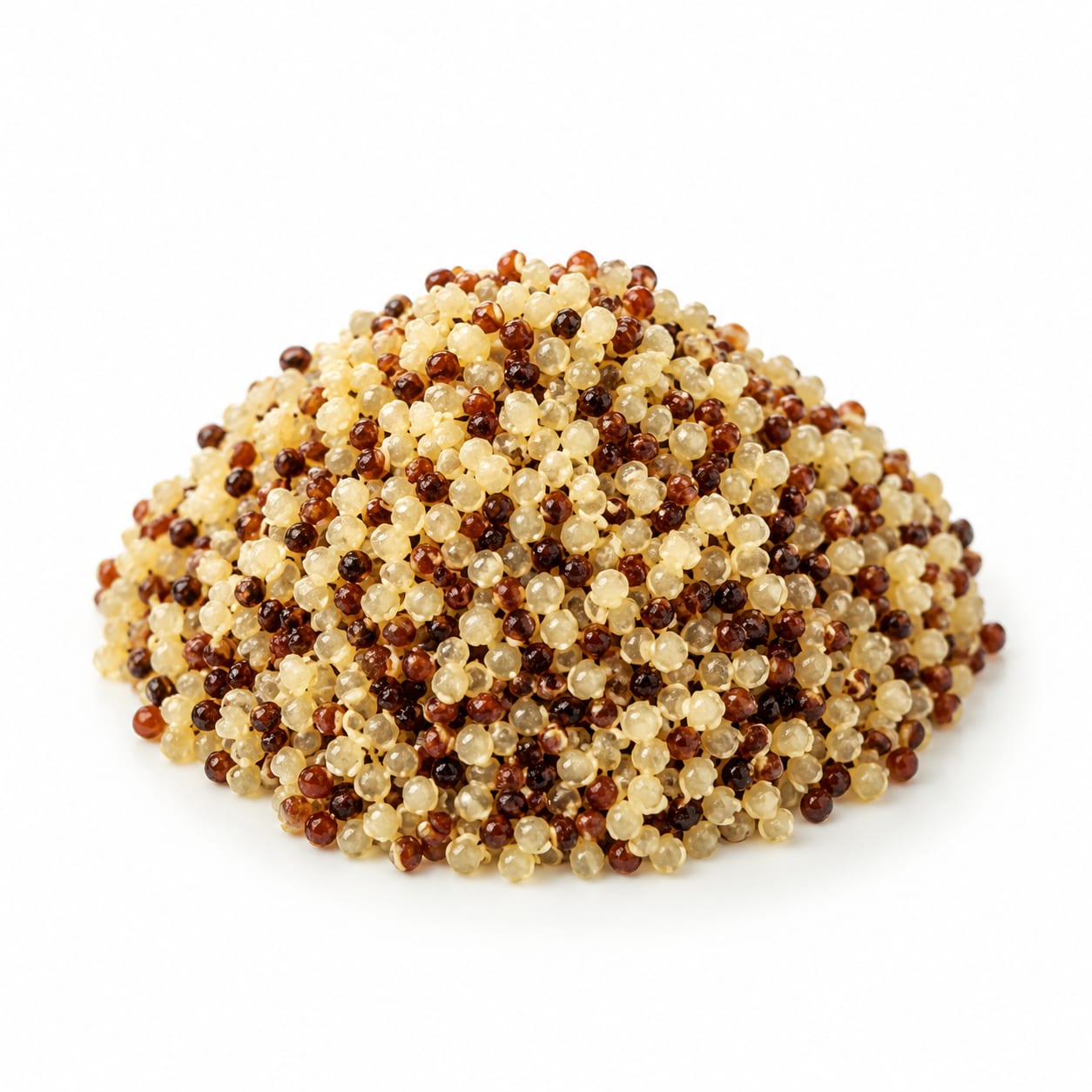
Quinoa is a gluten-free seed prepared like a whole grain, prized for its complete protein profile and high nutrient density.
Quinoa is the seed of the Chenopodium quinoa plant, prepared and consumed like a whole grain. It is notable for being one of the few plant foods that provides a complete protein containing all nine essential amino acids.
protein-rich pseudocereal and complex carbohydrate source
Typical serving · 185g
Common varieties · white quinoa, red quinoa, black quinoa, tricolor quinoa
Overall context score across nutrition, safety, and diet fit
At a glance
Quick facts
Simple indicators based on nutrition, processing, and diet fit.
The story
What makes it unique
Quinoa digests at a moderate rate due to its fiber and fat content, providing steady energy release. It offers high satiety relative to its caloric density because of its protein and fiber matrix. The macronutrient profile features a balanced mix of complex carbohydrates, moderate protein, and low fat. As a minimally processed whole food, its cellular structure remains intact, slowing glucose absorption.
Varieties: white quinoa · red quinoa · black quinoa · tricolor quinoa
Per 100g
Nutrition breakdown
Macro balance and key metrics at a glance.
Energy
Density 1.20 kcal/g
Protein
Carbs
Fat
Fiber
Sugar
0.9 g
Sodium
7 mg
Potassium
172 mg
Glycemic index
53
Glycemic load
13
Water content
71.6%
Standout compounds
Nutrient highlights
Manganese
highSupports metabolism, bone formation, and antioxidant defense
Magnesium
moderateEssential for muscle and nerve function, blood sugar control, and blood pressure regulation
Complete Protein
moderateProvides all nine essential amino acids necessary for muscle synthesis and cellular repair
Iron
moderateCrucial for oxygen transport in the blood and energy production
Quercetin
moderateA potent antioxidant and anti-inflammatory flavonoid that supports immune health
Wellness map
Health scores & processing
NOVA processing scale
minimally processed · Whole food
Plain quinoa is a whole seed that requires only rinsing and boiling. It contains no added ingredients, preserving its natural cellular structure and nutrient matrix.
Diet compatibility
- Weight loss
- Muscle gain
- Diabetes
- Gut health
- Low carb
- High protein
- Heart health
Relative standing
Food rankings
Qualitative ranks compared to similar whole foods.
- Satietygood
- Blood sugargood
- Nutrient densityexcellent
- Fitness fuelgood
- Processing qualityexcellent
Eat with confidence
Food safety profile
Quinoa is generally very safe. The primary concern is the natural saponin coating, which acts as a defense mechanism for the plant but can cause gastrointestinal distress and a soapy taste if the seeds are not rinsed thoroughly before cooking.
Evidence confidence 95%
- Pesticideslow
- Antibioticslow
- Heavy metalslow
- Contaminationlow
Watch for
- saponins
Safer choices
Pre-rinsed quinoa varieties reduce the risk of saponin consumption and save preparation time, though all quinoa should be rinsed under cold water.
Prep tips
Place quinoa in a fine-mesh strainer and rinse under cold running water for 30-60 seconds, rubbing the seeds together, until the water runs clear to remove bitter saponins.
Naturally occurring saponins on the seed coating can cause bitterness and mild digestive irritation if not removed before cooking.
Deep dive
Health analysis
How this food may fit different goals and preparation choices.
Weight loss
Quinoa provides high satiety per calorie due to its protein and fiber content, which helps control appetite and reduce overall calorie intake.
Blood sugar
With a moderate glycemic index and load, quinoa causes slower, steadier rises in blood sugar compared to refined grains, making it suitable for glucose management.
Fitness & energy
Offers a balanced macronutrient profile of complex carbs for glycogen replenishment and complete protein for muscle repair, ideal for post-workout meals.
Gut health
The insoluble fiber supports regular bowel movements and feeds beneficial gut bacteria, though saponins can irritate the gut lining if the seeds are not rinsed.
Processing quality
As a whole, unrefined seed, quinoa retains its natural nutrient matrix without the addition of preservatives, sugars, or unhealthy fats.
Food safety
The main safety consideration is the natural saponin coating, which must be rinsed off to prevent digestive irritation and bitterness.
Common mistakes
Failing to rinse quinoa before cooking, which leaves bitter saponins on the seeds, and overcooking, which turns the texture mushy rather than fluffy.
Best preparation
Rinse thoroughly under cold water, then boil in a 1.5:1 water-to-quinoa ratio for 15-20 minutes until the germ separates and the liquid is absorbed.
Practical guide
Best use cases
When and how this food fits real eating patterns.
Post-workout recovery bowl
Provides a balanced mix of fast-digesting carbs to replenish glycogen and complete protein to initiate muscle repair.
Gluten-free grain alternative
Serves as a nutrient-dense, high-protein substitute for wheat-based sides, pasta, or breakfast cereals.
Plant-based protein base
Acts as a foundational complete protein source for vegan and vegetarian meals, ensuring adequate amino acid intake.
Blood sugar-friendly side dish
Replaces refined grains like white rice to lower the overall glycemic load of a meal and stabilize energy levels.
Balance sheet
Pros & cons
Upsides
- Provides complete protein with all essential amino acids
- Naturally gluten-free and easy to digest when rinsed
- Moderate glycemic index helps stabilize blood sugar
- High in beneficial antioxidants like quercetin
- Versatile for breakfast, lunch, or dinner preparations
Trade-offs
- Contains natural saponins that require thorough rinsing
- Higher in carbohydrates and calories than vegetables
- Contains phytic acid which can reduce mineral absorption
- Often more expensive than common grains like rice
- Not suitable for strict very-low-carb diets
Fit check
Who is it for?
Great match
- plant-based eaters needing complete protein
- gluten-free diets
- post-workout recovery meals
- blood sugar management
- nutrient-dense meal prep
Consider alternatives
- strict ketogenic diets
- people with severe digestive sensitivities to seeds
- budget-conscious bulk calorie sources
Side by side
How it compares
Open the full head-to-head analysis for nutrition, safety, and practical tradeoffs.
This food
Quinoa
VS85% alike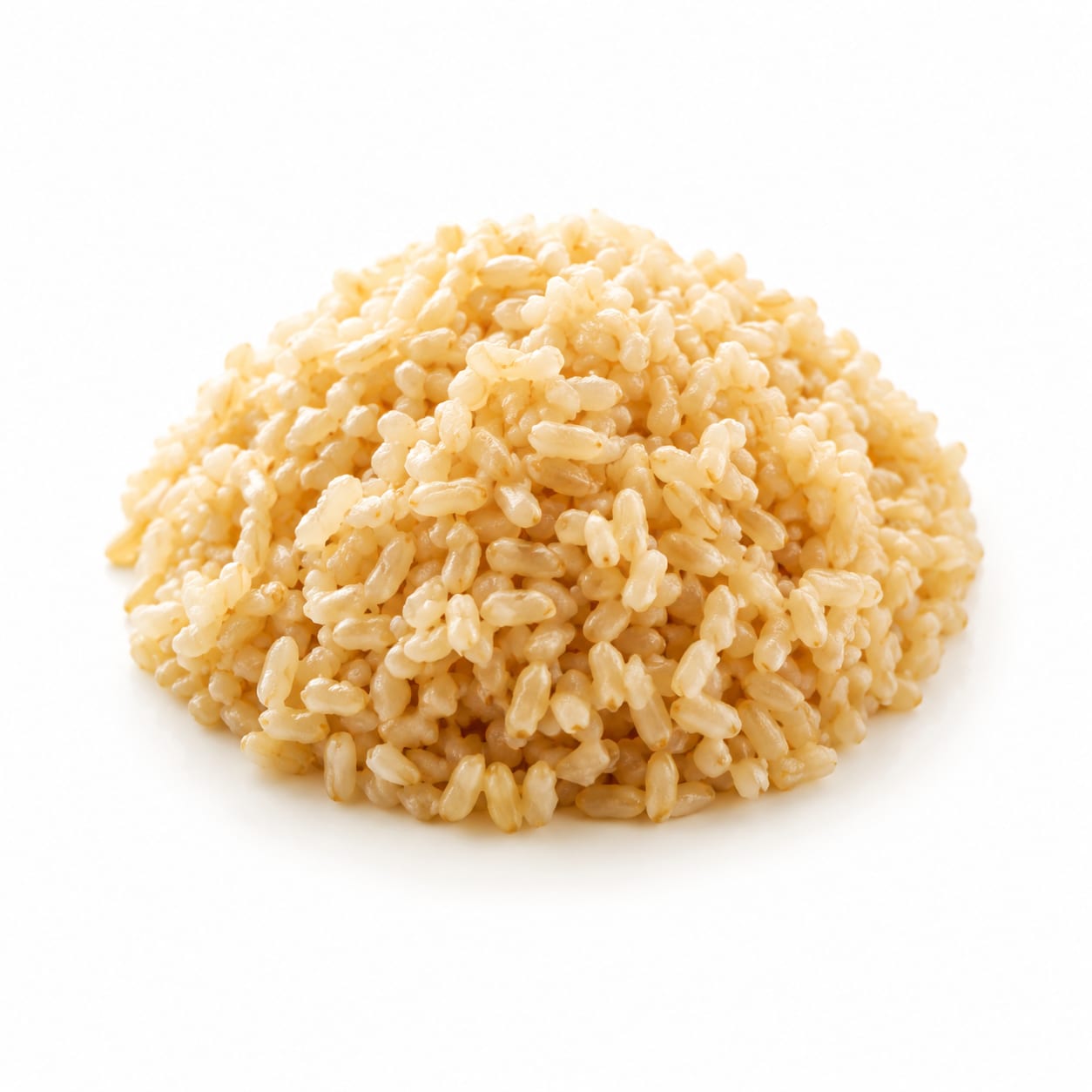
Compare with
Brown Rice
Quinoa provides significantly more protein and fiber than brown rice, making it better for satiety and muscle maintenance, though it is slightly higher in calories.
Quinoa beats brown rice for protein and satiety, while brown rice offers slightly fewer calories per serving.
This food
Quinoa
VS75% alike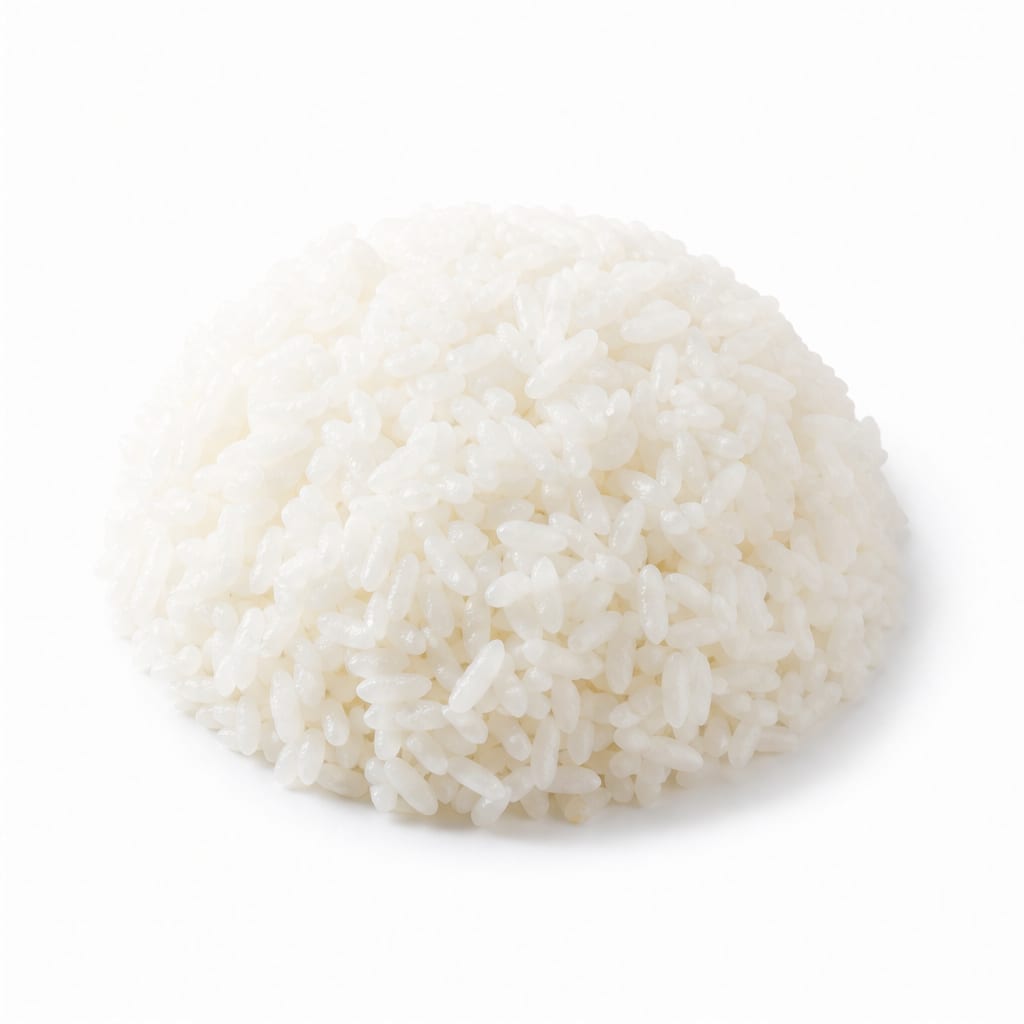
Compare with
White Rice
Quinoa is vastly superior in nutrients, providing protein, fiber, and vitamins that white rice loses during processing. White rice digests faster, spiking blood sugar.
Quinoa is far more nutritious than white rice, offering complete protein and steady energy without the blood sugar spike.
This food
Quinoa
VS80% alike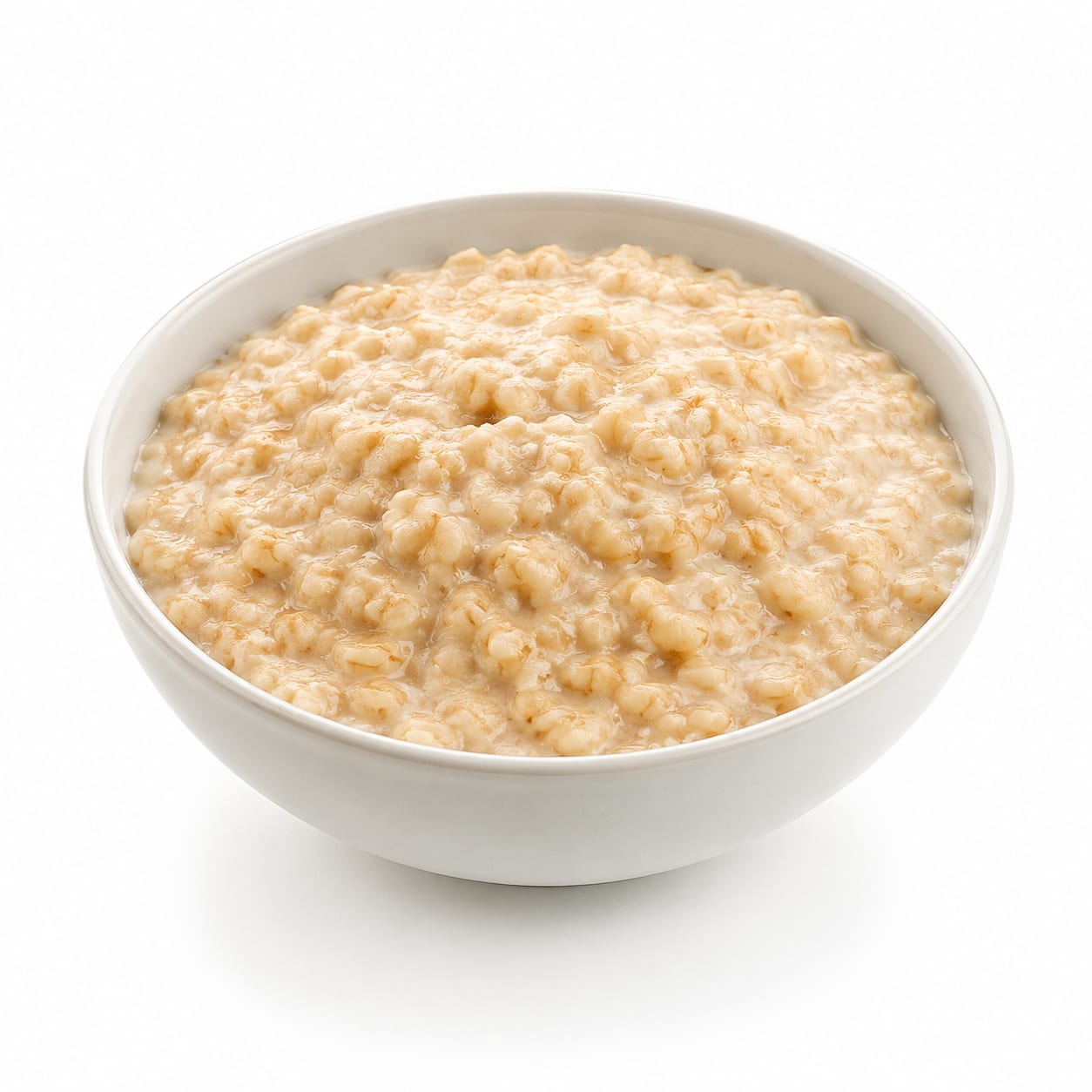
Compare with
Oats
Oats are higher in soluble fiber (beta-glucan) which specifically lowers cholesterol, while quinoa is higher in complete protein and is gluten-free.
Oats win for heart health and fiber, while quinoa wins for complete protein and gluten-free needs.
This food
Quinoa
VS70% alike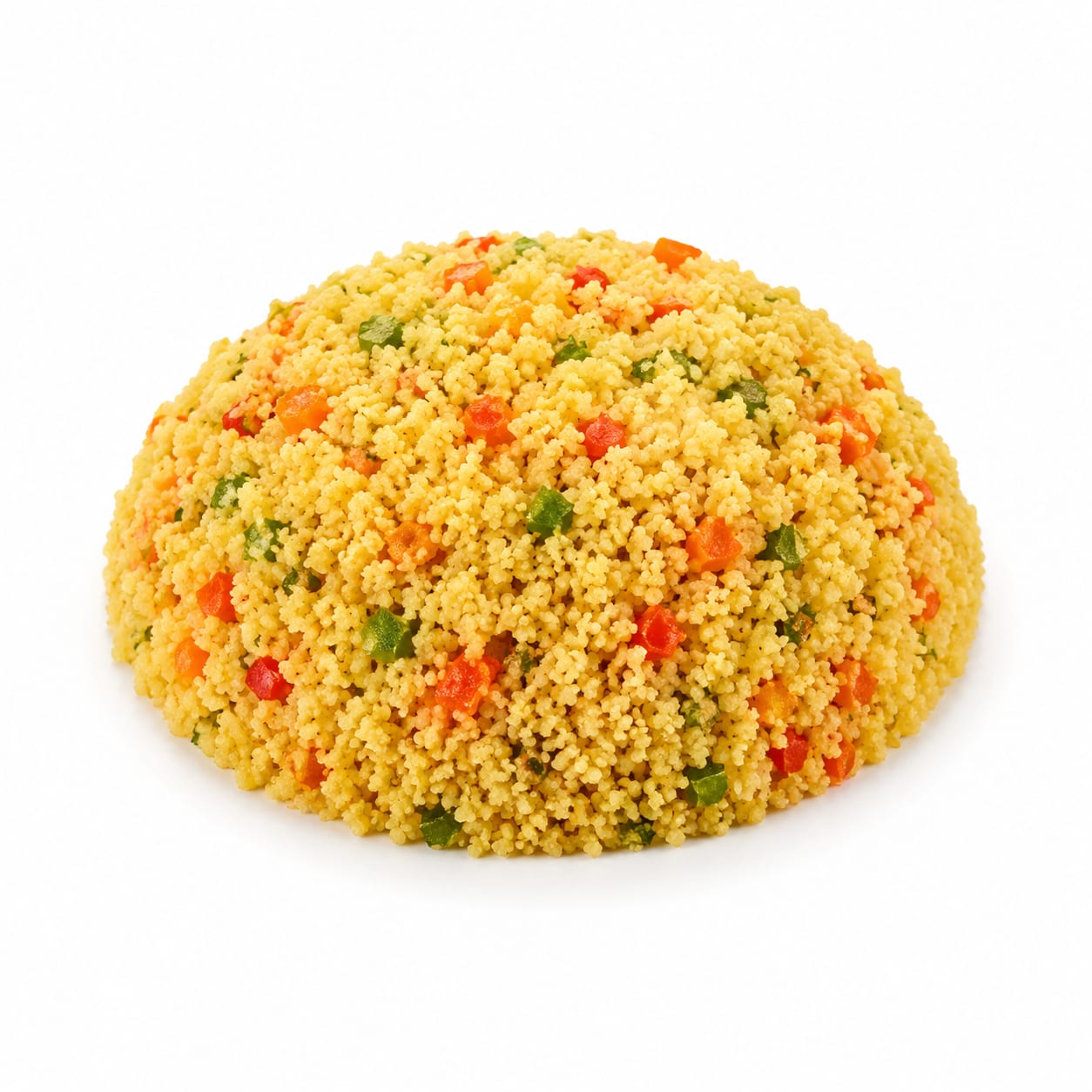
Compare with
Couscous
Quinoa is a whole food with far more protein, fiber, and micronutrients. Couscous is essentially refined wheat pasta with a high glycemic index.
Quinoa is vastly more nutritious than couscous, offering complete protein and fiber that refined couscous lacks.
This food
Quinoa
VS75% alike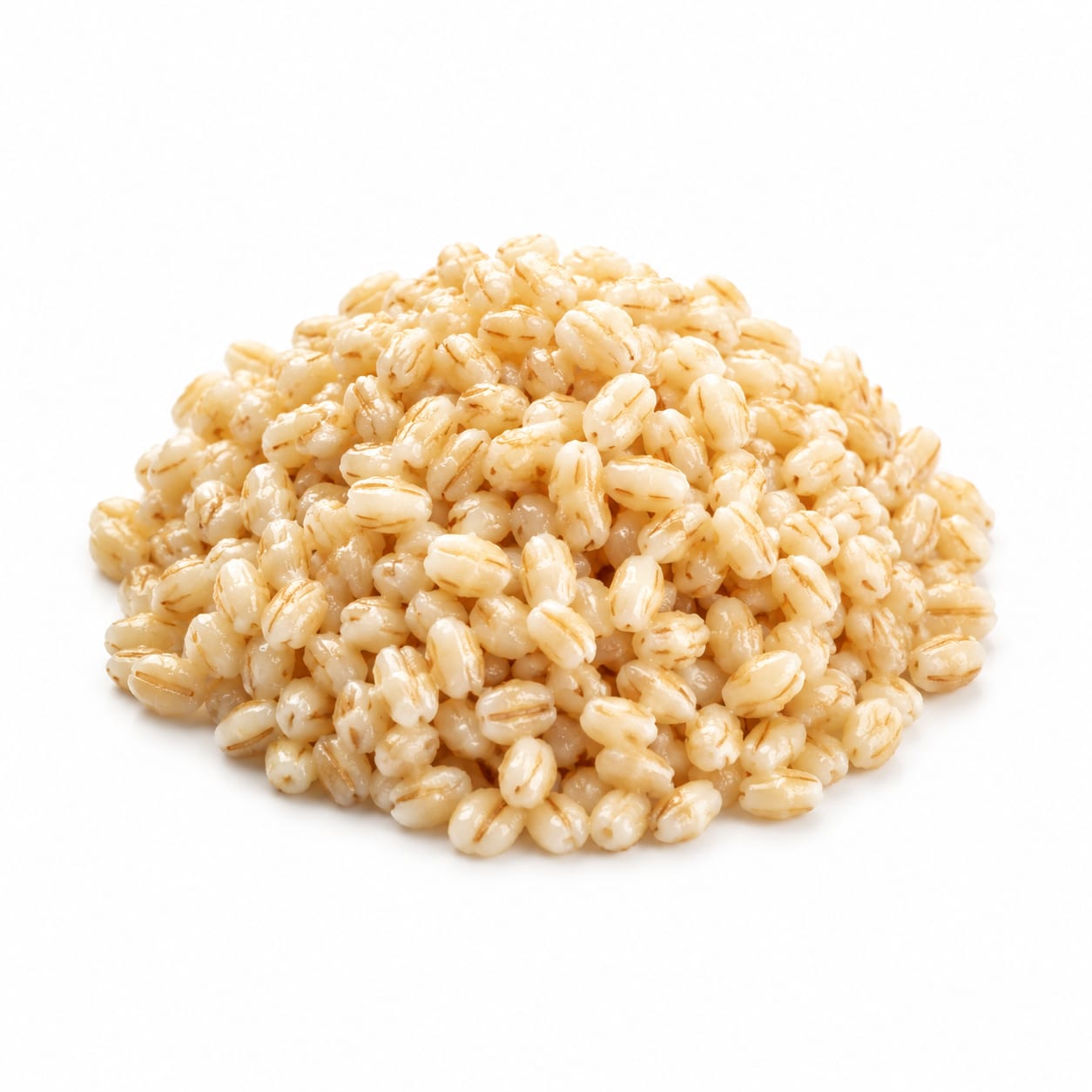
Compare with
Barley
Barley is exceptionally high in soluble fiber, beating quinoa for cholesterol reduction, but barley contains gluten and has less protein.
Barley provides more cholesterol-lowering fiber, while quinoa provides complete protein and a gluten-free option.
This food
Quinoa
VS70% alike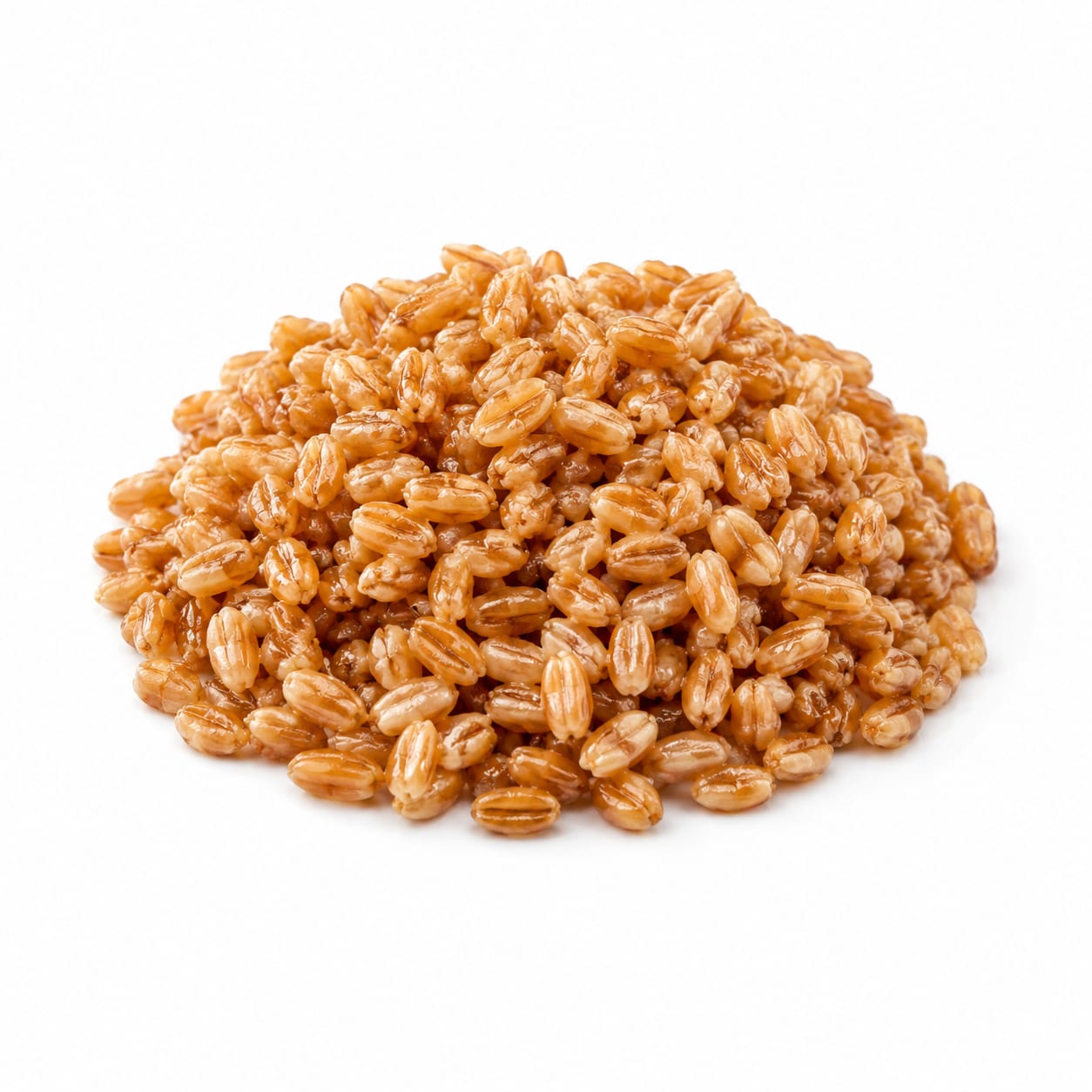
Compare with
Farro
Farro offers a chewy texture and good fiber, but quinoa provides complete protein and is safe for those avoiding gluten.
Farro is higher in fiber for fullness, but quinoa wins for complete protein and gluten-free compatibility.
This food
Quinoa
VS80% alike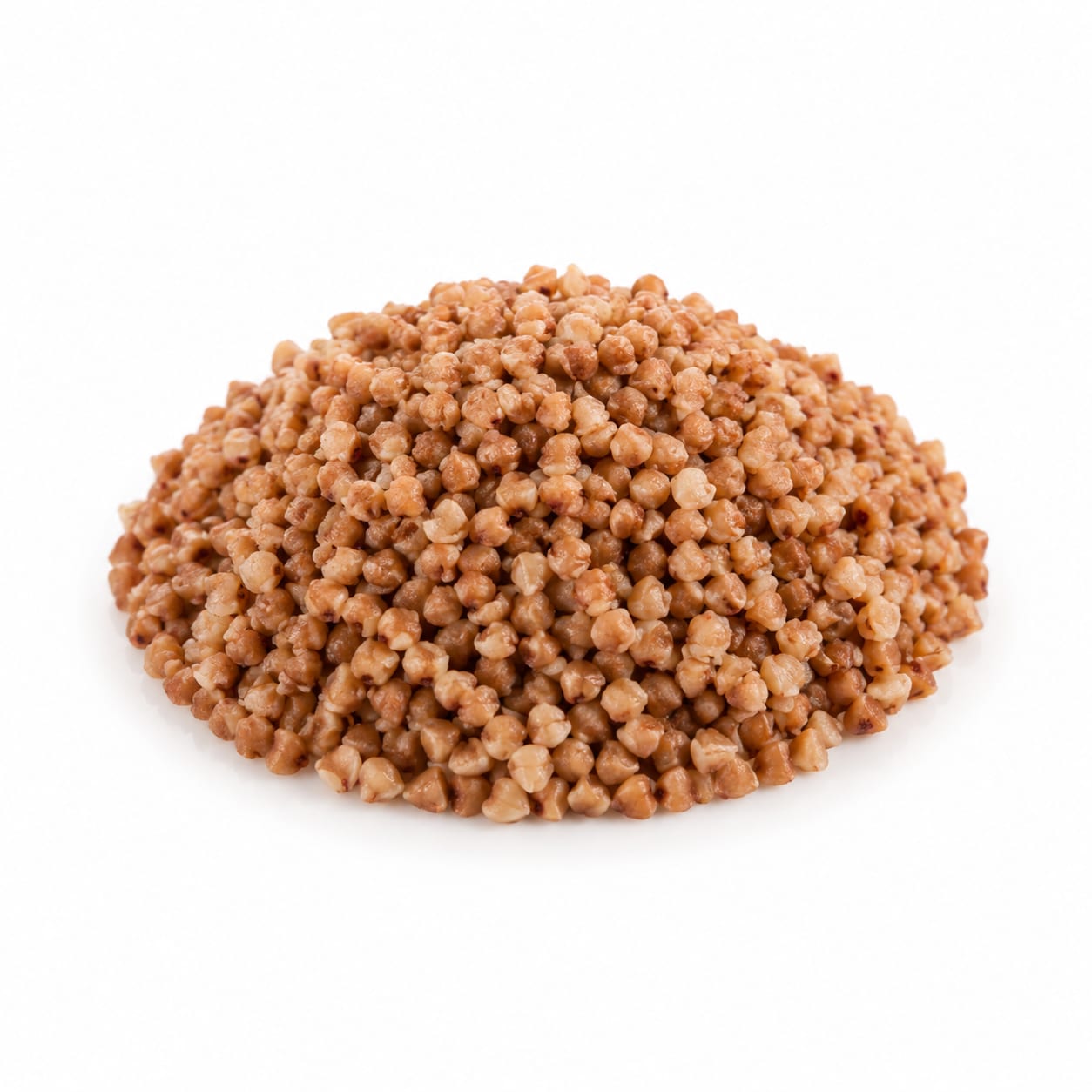
Compare with
Buckwheat
Both are gluten-free seeds cooked like grains. Buckwheat is slightly higher in fiber and minerals, while quinoa is slightly higher in complete protein.
Buckwheat and quinoa are both excellent gluten-free seeds; buckwheat has more fiber, quinoa has more complete protein.
This food
Quinoa
VS85% alike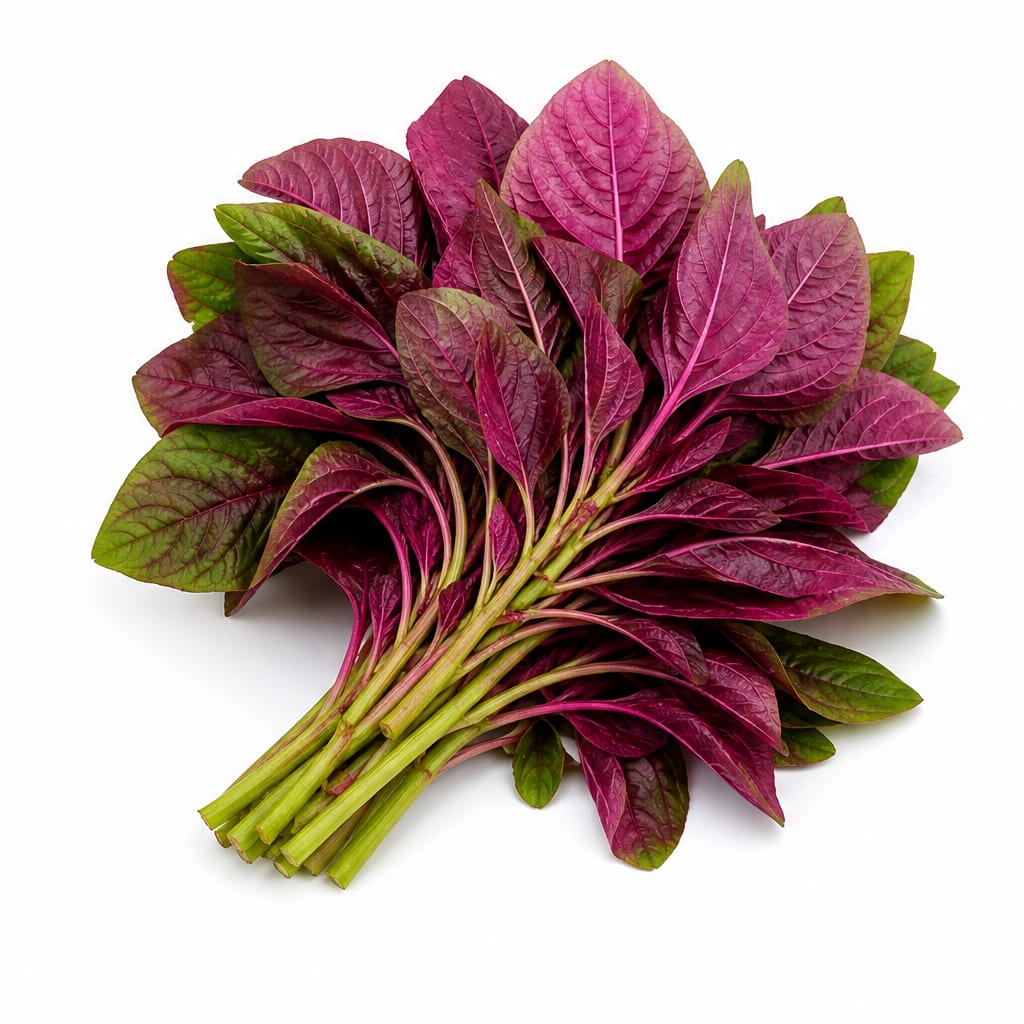
Compare with
Amaranth
Amaranth is slightly higher in protein and fiber than quinoa, but has a stickier, porridge-like texture compared to quinoa's fluffy consistency.
Amaranth offers slightly more protein and fiber, but quinoa provides a fluffier texture more suitable for savory sides.
This food
Quinoa
VS65% alike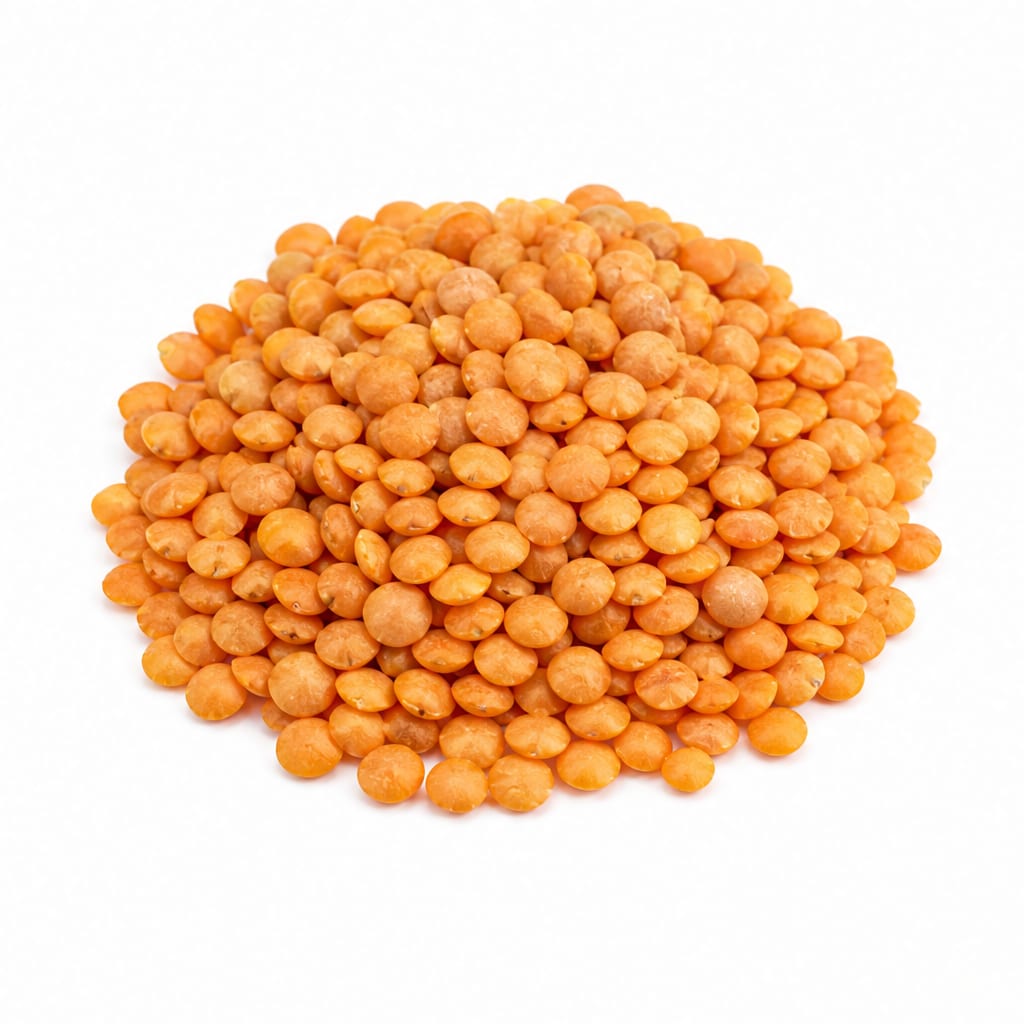
Compare with
Lentils
Lentils provide significantly more protein and fiber than quinoa at a lower calorie cost, making them superior for weight loss, though quinoa is a better quick carb source.
Lentils beat quinoa for pure protein and fiber content, but quinoa serves better as a lighter, faster-digesting carb source.
This food
Quinoa
VS75% alike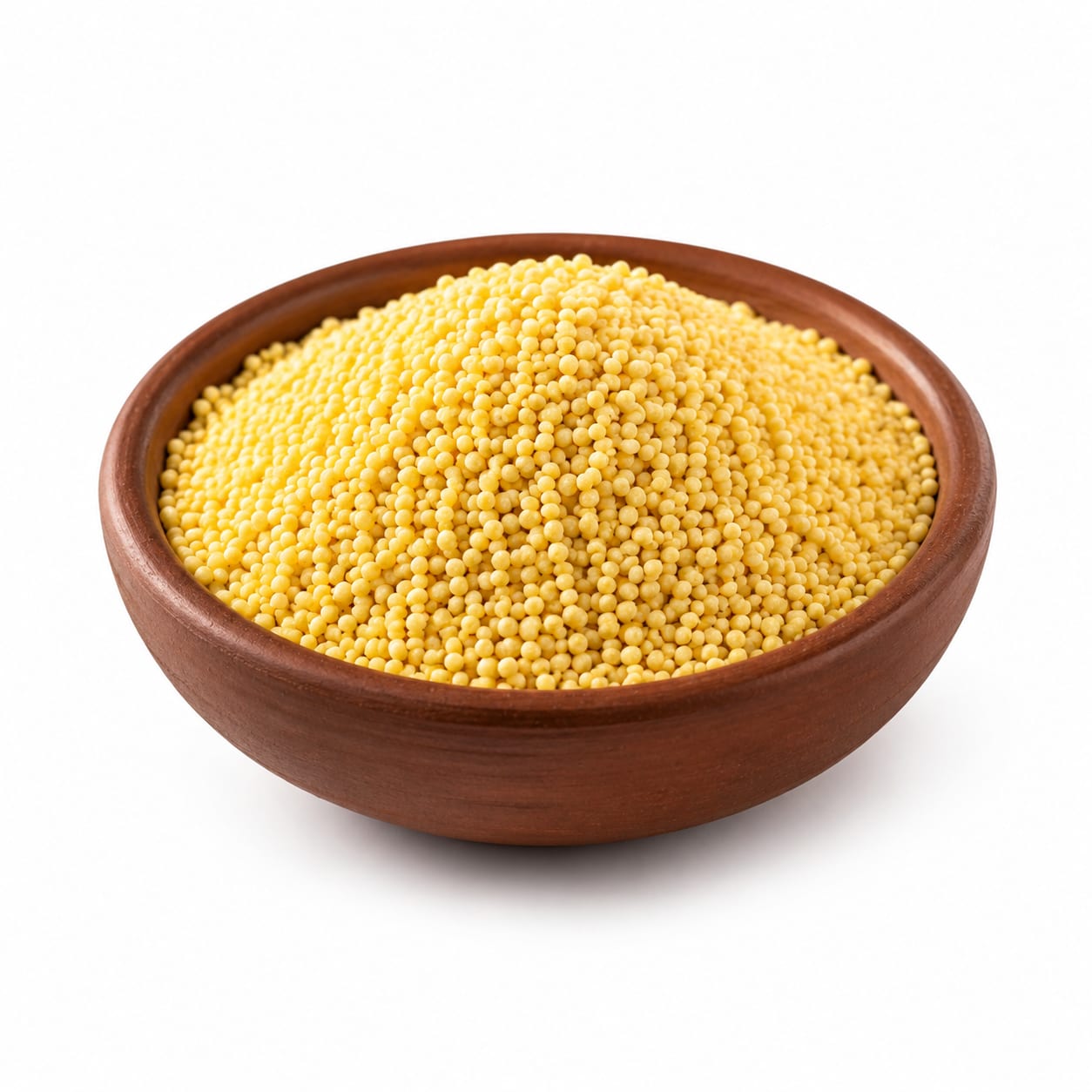
Compare with
Millet
Millet is a highly alkaline, gluten-free grain with slightly more carbs, while quinoa offers a better amino acid profile and more protein.
Millet is slightly lower in calories, but quinoa provides a complete protein profile that millet lacks.
Common questions
FAQ
Answers aligned with how people search for this food.
Is quinoa good for weight loss?
Yes, quinoa can support weight loss. Its high protein and fiber content increases satiety, helping you feel full longer and reducing the likelihood of overeating.
Is quinoa a carb or a protein?
Quinoa is primarily a complex carbohydrate, but it is unique among grains because it is also a complete protein. A cooked cup provides about 8 grams of protein and 39 grams of carbs.
Do you really need to rinse quinoa?
Yes, rinsing is highly recommended. Quinoa naturally contains saponins, a bitter-tasting compound that can cause digestive upset if not washed away before cooking.
Is quinoa better than rice for diabetics?
Quinoa is generally better than white rice for diabetics. It has a lower glycemic index and more fiber and protein, which prevent rapid blood sugar spikes.
Can you eat quinoa on a low carb diet?
Quinoa is not ideal for strict low-carb diets like keto, as it contains 21 grams of net carbs per 100g cooked. However, it can fit into moderate low-carb diets in small portions.
Is quinoa gluten-free?
Yes, quinoa is naturally gluten-free, making it an excellent carbohydrate and protein substitute for people with celiac disease or gluten intolerance.
Why does quinoa upset my stomach?
Unrinsed quinoa contains saponins, which can irritate the stomach lining and cause bloating or cramping. Always rinse it thoroughly before cooking to minimize this risk.
Is quinoa a complete protein?
Yes, quinoa is one of the few plant foods that is a complete protein, meaning it contains all nine essential amino acids that the body cannot produce on its own.
How much quinoa should I eat a day?
A standard serving is about 1/2 to 1 cup of cooked quinoa per meal. This provides a good balance of carbs, protein, and fiber without excessive calorie intake.
Which is healthier, quinoa or oats?
Both are highly nutritious. Oats are higher in soluble fiber (beta-glucan) which specifically lowers cholesterol, while quinoa is higher in complete protein and is gluten-free.
Transparency
Data confidence
Estimated confidence for nutrition data, interpretation, safety notes, and comparisons.
Nutrition data
Health analysis
Food safety
Comparisons