
Nutrition comparison
Quinoa vs Couscous: Nutrition, Protein, and Health Comparison
Quinoa vs couscous: which is healthier? Compare protein, fiber, gluten, and blood sugar impact to find out which grain is best for your diet.
Overall winner · Quinoa
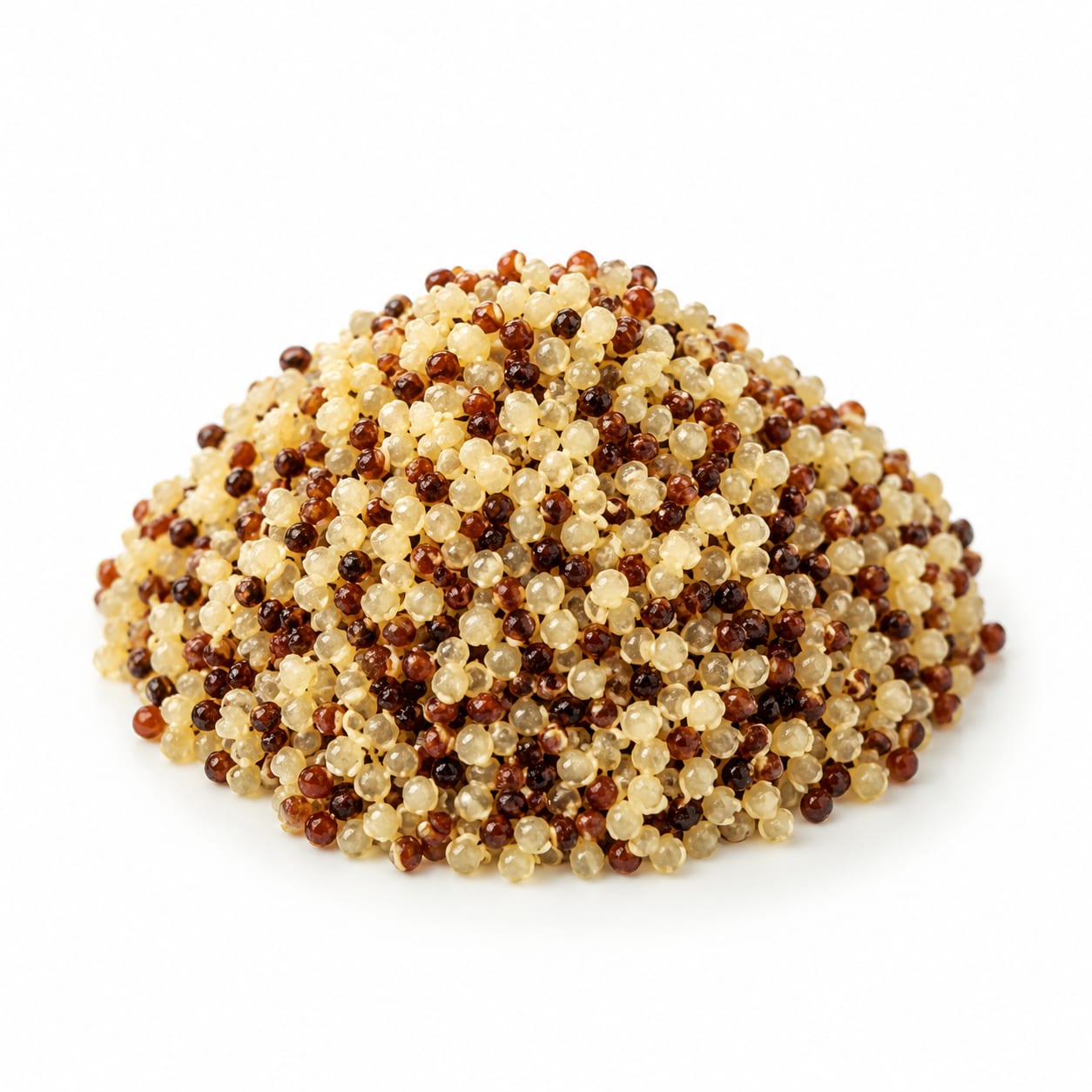
Quinoa
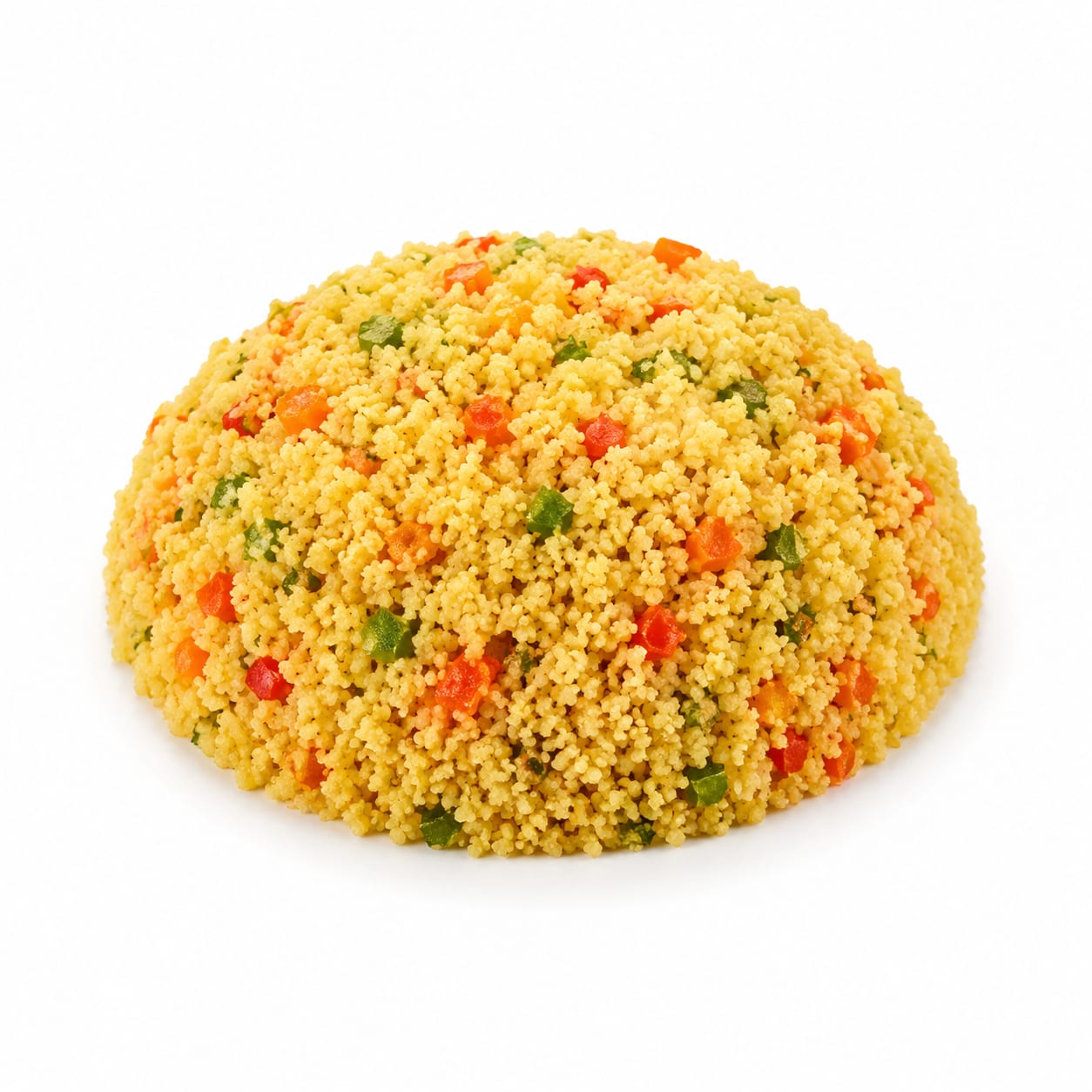
Couscous
Quinoa wins on nutrition and fullness, but couscous wins on speed and convenience.
Quinoa scores higher due to its superior protein quality, fiber content, and blood sugar stability. Couscous remains a practical option but offers less nutritional value per serving.
You trade 10 extra minutes of cooking time and a slightly different texture for double the fiber and a complete protein profile.
At a glance
Executive summary
Overall
Quinoa
Healthier
Quinoa
More practical
Couscous
Daily use
Quinoa
Key comparison lenses
Nutrient density vs convenience
Quinoa offers significantly more nutrition per calorie, while couscous provides unmatched speed and ease of preparation.
Gluten-free compatibility
Quinoa is naturally gluten-free, making it an easy choice for those with celiac or gluten sensitivity, whereas couscous is wheat-based.
Blood sugar management
Quinoa has a lower glycemic index and more fiber, leading to steadier energy compared to the quicker spike from couscous.
Best choice for
Quinoa
- People managing blood sugar or weight
- Those needing gluten-free grains
- Vegetarians seeking complete protein
Couscous
- Busy professionals needing a 5-minute side dish
- Anyone craving a light, fluffy pasta texture
- Meal preppers on a tight schedule
Least suitable for
Quinoa
- Those in a rush on a weeknight
- People who dislike earthy or slightly chewy textures
Couscous
- Anyone with celiac disease or gluten intolerance
- Those looking to maximize fiber and protein intake
Deep comparison
Dimension by dimension
Each lens scores both foods and breaks down who each option suits.
- Dimension 1 · Priority 90Quinoa
Satiety & Fullness
Quinoa · 88Couscous · 55Quinoa keeps you full much longer thanks to its higher fiber and protein content.
Tradeoff
Couscous feels lighter in the stomach, which can be nice for a pre-workout meal but leaves you hungry sooner.
Why it matters
Staying full between meals prevents unnecessary snacking and helps maintain steady energy.
Real-world impact
A quinoa bowl at lunch easily carries you to dinner. A couscous side might have you reaching for a snack by 3 PM.
Quinoa
- Long workdays without break time
- Weight management
Better for
- When you want a light, barely-there side dish
Worse for
Couscous
- Light meals before exercise
- Small appetites
Better for
- Recovering from intense workouts when hunger is high
Worse for
- Dimension 2 · Priority 85Quinoa
Blood Sugar Stability
Quinoa · 82Couscous · 50Quinoa provides steadier energy with a lower glycemic index, while couscous can cause quicker blood sugar spikes.
Tradeoff
Couscous gives a faster energy hit, but it fades quickly and may trigger cravings later.
Why it matters
Avoiding blood sugar spikes helps prevent the afternoon energy crash and mood swings.
Real-world impact
Eating couscous alone can lead to a sleepy feeling an hour later. Quinoa delivers a smoother, longer-lasting energy curve.
Quinoa
- Diabetics or pre-diabetics
- Avoiding afternoon crashes
Better for
- When you need immediate, fast-absorbing carbs
Worse for
Couscous
- Quick carb replenishment after endurance sports
Better for
- Sedentary evenings when sugar spikes are hard to burn off
Worse for
- Dimension 3 · Priority 80Quinoa
Protein Quality & Quantity
Quinoa · 90Couscous · 45Quinoa is one of the few plant-based complete proteins, containing all essential amino acids. Couscous has much less protein overall.
Tradeoff
You get significantly more muscle-supporting nutrition from quinoa, making it a true meal base rather than just a filler.
Why it matters
Complete proteins support muscle repair, immune function, and hormone balance.
Real-world impact
Quinoa can anchor a meatless meal easily. With couscous, you will need to add beans or chicken to feel satisfied.
Quinoa
- Plant-based diets
- Muscle recovery
Better for
- Budget-conscious bulk cooking where beans are the main protein
Worse for
Couscous
- Meals where protein comes from other heavy components like stew
Better for
- Vegans who need every protein advantage they can get
Worse for
- Dimension 4 · Priority 75Couscous
Convenience & Prep Time
Quinoa · 55Couscous · 95Couscous cooks in about 5 minutes just by soaking in hot water. Quinoa takes about 15-20 minutes on the stove.
Tradeoff
You sacrifice nutritional density for sheer speed and zero active cooking effort.
Why it matters
When you are exhausted, a 5-minute side dish is far more likely to happen than a 20-minute one.
Real-world impact
Couscous is a weeknight lifesaver when you walk in the door starving. Quinoa requires a bit more planning or meal prep.
Quinoa
- Weekend meal prep sessions
- Slow-cooked stews where timing doesn't matter
Better for
- Impromptu meals when you have zero patience
Worse for
Couscous
- Last-minute dinners
- Packed lunches made in the morning rush
Better for
- Slow cooker recipes that need a sturdy grain that won't get mushy
Worse for
- Dimension 5 · Priority 80Quinoa
Digestive Tolerance & Gluten
Quinoa · 85Couscous · 40Quinoa is naturally gluten-free and easy to digest. Couscous is made from wheat semolina and contains gluten.
Tradeoff
If you have no gluten issues, couscous is perfectly fine. If you do, quinoa is the obvious safe choice.
Why it matters
Gluten sensitivity and celiac disease require strict avoidance, and even mild intolerance can cause bloating.
Real-world impact
Eating couscous can leave sensitive individuals feeling puffy and sluggish. Quinoa is generally safe and soothing for the gut.
Quinoa
- Anyone with celiac or gluten intolerance
- People prone to bloating
Better for
- People who forget to rinse it, as saponins can cause mild stomach upset
Worse for
Couscous
- Those without any wheat sensitivities
Better for
- Dinners where guests might have unknown dietary restrictions
Worse for
Timeline
Health impact over time
Short-term
Hours to days
Quinoa
- Sustained energy without the crash
- Feeling comfortably full for hours
Couscous
- Quick energy availability
- Light feeling in the stomach initially, but hunger returns faster
Long-term
Months to years
Quinoa
- Better blood sugar regulation over time
- Improved digestive regularity from high fiber
Couscous
- Potential for increased blood sugar fluctuations if eaten frequently alone
- Lower contribution to daily fiber goals
Risk profile
Safety & processing
Quinoa is a whole seed eaten in its natural state. Couscous is a processed pasta made from refined wheat flour, though it contains no artificial additives.
Quinoa
Saponin residue
lowUnrinsed quinoa can taste bitter and cause mild stomach upset due to natural saponin coating. Rinsing eliminates this.
Couscous
Gluten exposure
highContains wheat gluten, which is dangerous for those with celiac disease and uncomfortable for those with sensitivities.
Who wins for whom
Audience fit
Same foods, different winners depending on your goal.
children
It dependsKids often prefer the softer, milder texture of couscous, but quinoa offers far more nutrition for growing bodies.
daily consumption
QuinoaQuinoa offers more daily nutritional value without the blood sugar rollercoaster of refined grains.
diabetes
QuinoaThe lower glycemic index and higher fiber content in quinoa prevent sharp blood sugar spikes.
elderly
QuinoaOlder adults benefit greatly from the higher fiber for digestion and the nutrient density quinoa provides.
muscle gain
QuinoaQuinoa provides a complete protein profile with all essential amino acids needed for muscle repair.
weight loss
QuinoaQuinoa has more fiber and protein, which naturally controls appetite and reduces overeating.
Your move
Decision guide
Choose Quinoa
- You want to stay full and energized for hours
- You are eating a plant-based diet and need complete protein
- You are avoiding gluten or managing blood sugar
Choose Couscous
- You need a hot side dish on the table in under 5 minutes
- You want a light, fluffy base for a heavy stew or sauce
- You have no gluten issues and prefer a milder flavor
Either works if
- You are mixing the grain into a heavy salad with lots of veggies and dressing
- You want a neutral carb base for a flavorful curry
Avoid both if
- You are strictly limiting all carbohydrates for a keto diet
Final recommendation
Make quinoa your default for its superior nutrition and fullness, but keep couscous in the pantry for those nights when 5 minutes is all you have.
Practical
Consumer tips
- 1
Always rinse quinoa under cold water for 30 seconds to remove bitter saponins.
- 2
Toast quinoa in the pot for 2 minutes before adding water to enhance its nutty flavor.
- 3
Boost couscous nutrition by stirring in chickpeas, chopped spinach, or toasted nuts after fluffing.
- 4
Use broth instead of water for either grain to add depth of flavor without extra effort.