
Nutrition comparison
Millet vs Quinoa: Which Grain is Better for You?
Compare Millet and Quinoa to find out which is better for blood sugar, protein, weight loss, and your budget. Discover the nutritional tradeoffs.
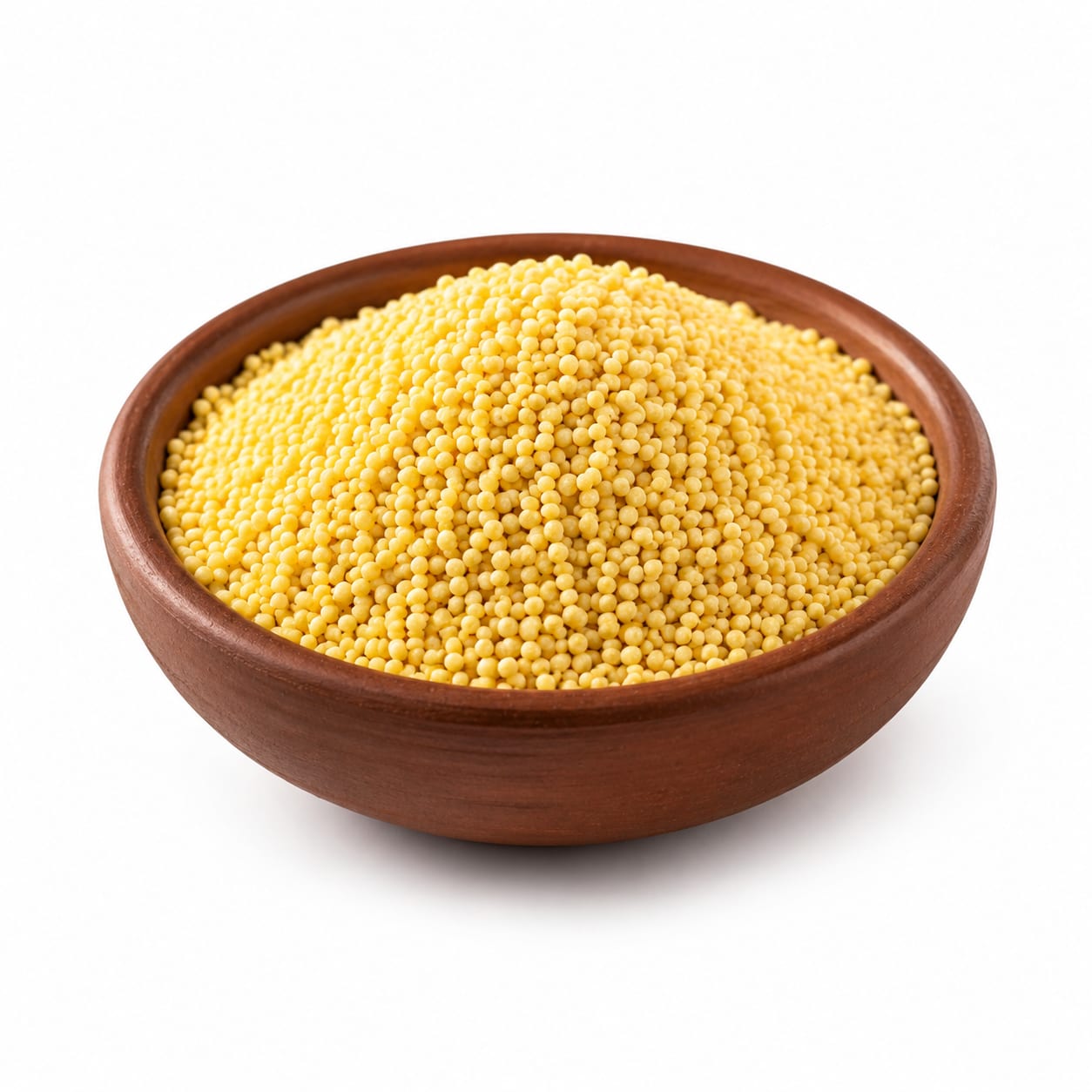
Millet
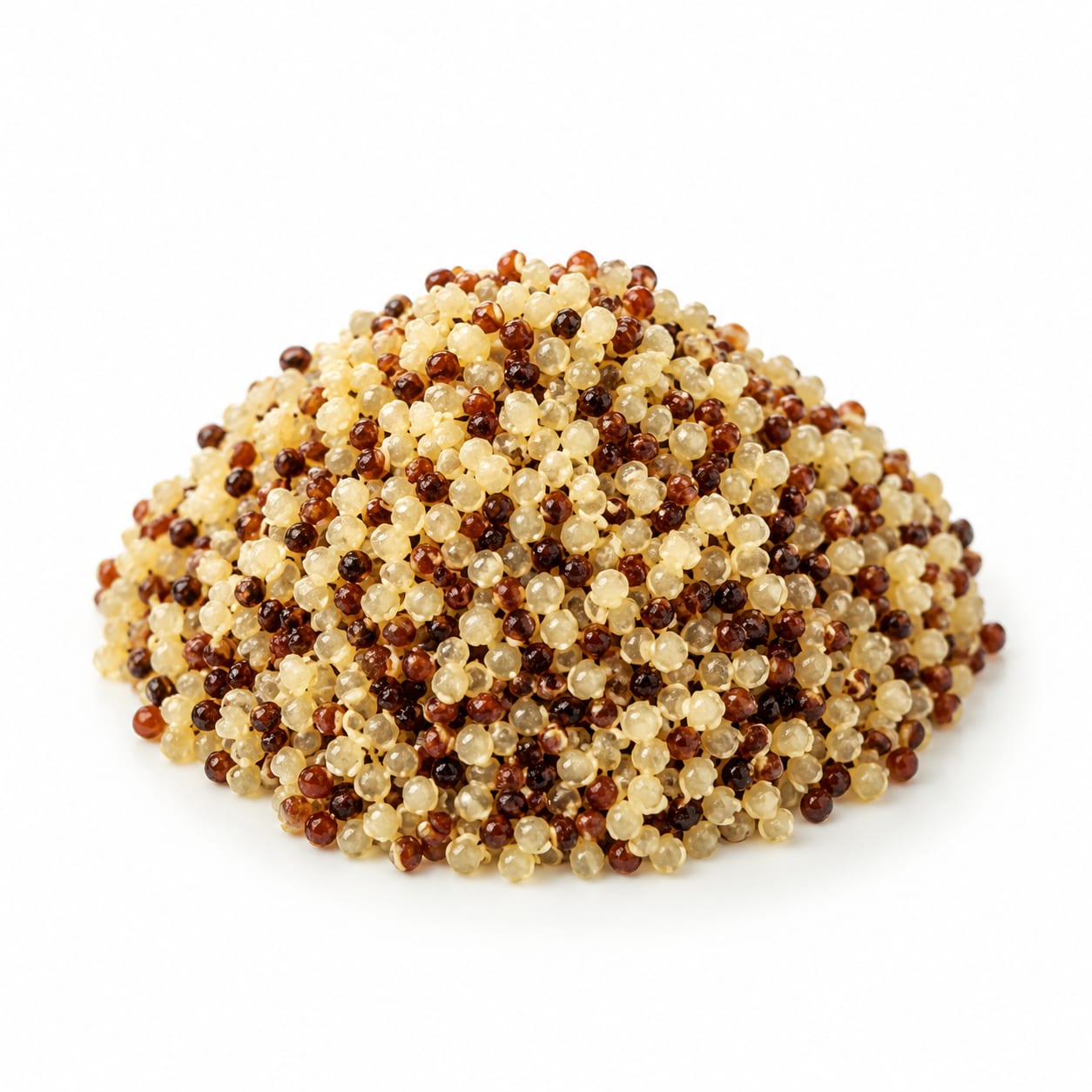
Quinoa
Quinoa delivers complete protein and more iron, while Millet offers steadier blood sugar, easier digestion, and lower cost.
Quinoa edges ahead due to its complete protein profile and higher iron content, but Millet stays highly competitive with superior blood sugar control and affordability.
Complete amino acids and higher micronutrients in Quinoa versus better glycemic control and affordability in Millet.
At a glance
Executive summary
Overall
It depends
Healthier
It depends
More practical
Millet
Daily use
It depends
Key comparison lenses
Protein quality and amino acid completeness
Quinoa is a rare plant-based complete protein, while Millet lacks sufficient lysine, making this a crucial differentiator for vegans and vegetarians.
Blood sugar stability and glycemic impact
Millet has a notably lower glycemic index, which matters deeply for diabetics and those managing energy crashes.
Cost and everyday accessibility
Millet is significantly cheaper and more locally available in many regions, affecting long-term dietary sustainability.
Micronutrient density
Quinoa offers superior iron and zinc, whereas Millet provides exceptional magnesium, creating distinct health tradeoffs.
Preparation ease and digestive tolerance
Quinoa requires rinsing to remove bitter saponins, while Millet is gentler on the digestive tract and simpler to prep.
Best choice for
Millet
- Budget-conscious eaters choosing Millet
- People managing blood sugar with Millet
- Those seeking an alkaline-promoting grain like Millet
Quinoa
- Vegans needing complete protein from Quinoa
- Athletes seeking muscle recovery via Quinoa
- Those needing an iron boost from Quinoa
Least suitable for
Millet
- People needing high-quality protein solely from Millet
- Those with thyroid issues consuming Millet in extreme excess
Quinoa
- Strict budget shoppers avoiding Quinoa
- People sensitive to Quinoa saponins
Deep comparison
Dimension by dimension
Each lens scores both foods and breaks down who each option suits.
- Dimension 1 · Priority 92Quinoa
Protein Quality & Completeness
Millet · 60Quinoa · 95Quinoa is a rare plant-based complete protein containing all essential amino acids, while Millet lacks sufficient lysine.
Tradeoff
You get more bioavailable protein in Quinoa, but Millet is gentler on the wallet for everyday meals.
Why it matters
Complete proteins support muscle repair and satiety without needing food combining at every meal.
Real-world impact
A Quinoa bowl keeps you full longer after a workout than a Millet bowl on its own.
Millet
- People wanting a lighter protein source in Millet
Better for
- Bodybuilders relying solely on Millet for amino acids
Worse for
Quinoa
- Vegans needing complete protein from Quinoa
- Athletes using Quinoa for muscle recovery
Better for
- Those who find Quinoa too expensive for regular protein needs
Worse for
- Dimension 2 · Priority 88Millet
Blood Sugar Stability
Millet · 90Quinoa · 75Millet has a lower glycemic index, causing slower, steadier rises in blood sugar compared to Quinoa.
Tradeoff
Millet provides more stable energy, while Quinoa offers better overall nutrient density per serving.
Why it matters
Steady blood sugar prevents afternoon energy crashes and reduces cravings.
Real-world impact
Choosing Millet for lunch makes you less likely to reach for a sugary snack at 3 PM.
Millet
- Diabetics benefiting from Millet's low glycemic index
- People avoiding afternoon crashes with Millet
Better for
Quinoa
- Those who tolerate Quinoa's slightly higher glycemic impact
Better for
- Highly insulin-resistant individuals struggling with Quinoa
Worse for
- Dimension 3 · Priority 78Quinoa
Micronutrient Density
Millet · 75Quinoa · 88Quinoa packs more iron, zinc, and folate, whereas Millet shines with magnesium and phosphorus.
Tradeoff
Quinoa is better for blood-building nutrients, while Millet supports bone health and muscle relaxation.
Why it matters
Iron and zinc are common deficiencies, making Quinoa a stronger all-around defender for those at risk.
Real-world impact
Eating Quinoa regularly helps prevent the fatigue that comes from low iron stores.
Millet
- People getting muscle cramp relief from Millet's magnesium
Better for
- Anemic individuals needing more iron than Millet provides
Worse for
Quinoa
- Women boosting iron with Quinoa
- Vegans preventing anemia with Quinoa
Better for
- Dimension 4 · Priority 82Millet
Cost & Accessibility
Millet · 95Quinoa · 55Millet is significantly cheaper and often locally sourced, while Quinoa is usually imported and premium-priced.
Tradeoff
Millet saves money at the grocery store, but Quinoa delivers more nutritional bang for the buck.
Why it matters
The sustainability of a healthy diet depends heavily on what you can afford long-term.
Real-world impact
Feeding a family of four on Millet is far more budget-friendly than relying on Quinoa.
Millet
- Families saving money cooking Millet
- Students on a tight budget buying Millet
Better for
Quinoa
- Shoppers willing to pay a premium for Quinoa's nutrients
Better for
- Budget-limited households avoiding Quinoa
Worse for
- Dimension 5 · Priority 75Millet
Preparation & Digestive Tolerance
Millet · 85Quinoa · 70Millet cooks easily without special prep, while Quinoa requires thorough rinsing to remove bitter saponins.
Tradeoff
Millet is easier to cook and digest, while Quinoa needs extra rinsing but offers a fluffier texture.
Why it matters
Saponins in unrinsed Quinoa can cause digestive upset and ruin the flavor of your meal.
Real-world impact
Forgetting to rinse Quinoa leads to a bitter, stomach-upsetting meal; Millet has no such risk.
Millet
- Quick cooks tossing Millet in a pot without rinsing
- Sensitive stomachs digesting Millet easily
Better for
Quinoa
- Impatient cooks skipping the rinse step on Quinoa
- People getting stomach aches from Quinoa saponins
Worse for
Timeline
Health impact over time
Short-term
Hours to days
Millet
- Steadier energy after eating Millet
- Easy digestion of Millet without bloating
- Quick preparation of Millet for weeknight meals
Quinoa
- Higher satiety from Quinoa's complete protein
- Potential stomach upset if Quinoa saponins aren't rinsed
Long-term
Months to years
Millet
- Better blood sugar management eating Millet
- Cost savings enabling consistent healthy eating with Millet
- Magnesium support for heart health from Millet
Quinoa
- Improved iron status preventing anemia from Quinoa
- Complete protein supporting muscle maintenance via Quinoa
- Better overall nutrient density from Quinoa
Risk profile
Safety & processing
Both Millet and Quinoa are whole grains or pseudo-cereals sold with minimal processing. Quinoa's saponin coating is a natural defense mechanism rather than an artificial additive, though it requires rinsing.
Millet
Goitrogenic compounds
lowMillet contains goitrogens that can interfere with thyroid function if consumed in extreme excess, though moderate intake is generally safe for most people.
Quinoa
Saponin residue
mediumQuinoa naturally coats itself in bitter saponins to deter pests. Unrinsed Quinoa can cause digestive irritation, stomach upset, and a highly bitter taste.
Who wins for whom
Audience fit
Same foods, different winners depending on your goal.
children
QuinoaQuinoa delivers more iron and complete protein, which are crucial for growing bodies, provided it is well-rinsed.
daily consumption
It dependsQuinoa is better if you need the protein and iron; Millet is better if you prioritize blood sugar stability and budget.
diabetes
MilletMillet's lower glycemic index prevents sharp blood sugar spikes, offering safer energy for insulin management.
elderly
MilletMillet is easier to digest, gentler on the stomach, and provides magnesium which supports bone and heart health in aging adults.
muscle gain
QuinoaQuinoa provides all essential amino acids necessary for muscle repair and growth, unlike Millet.
weight loss
QuinoaQuinoa's complete protein and higher fiber content increase fullness, making it easier to eat fewer calories overall.
Your move
Decision guide
Choose Millet
- You are managing diabetes or insulin resistance with Millet
- You are on a tight grocery budget and choose Millet
- You want a gentle, easy-to-digest grain like Millet
- You frequently forget to rinse your grains before cooking Millet
Choose Quinoa
- You are vegan and need complete protein from Quinoa
- You are an athlete or building muscle with Quinoa
- You need to boost your iron intake using Quinoa
- You want a fluffier texture for salads and bowls using Quinoa
Either works if
- You just want a gluten-free alternative to rice or wheat
- You are meal-prepping healthy grain bowls for the week
Avoid both if
- You are on a strict low-carb or ketogenic diet
Final recommendation
Keep both in your pantry: use Quinoa when protein is the priority, and Millet when you want steady energy and a lighter wallet.
Practical
Consumer tips
- 1
Always rinse Quinoa under cold water for at least 30 seconds to remove bitter saponins.
- 2
Toast Millet in a dry pan for 2-3 minutes before boiling to enhance its naturally nutty flavor.
- 3
Combine Millet with beans or lentils to make up for its lack of lysine and create a complete protein meal.
- 4
Buy Quinoa in bulk when on sale, as it can be significantly more expensive than other whole grains.