
Nutrition comparison
Quinoa vs Amaranth: Which Ancient Grain Is Better for You?
Complete comparison of Quinoa and Amaranth nutrition, protein, iron, calcium, cooking ease, and taste. Find out which grain fits your diet and health goals best.
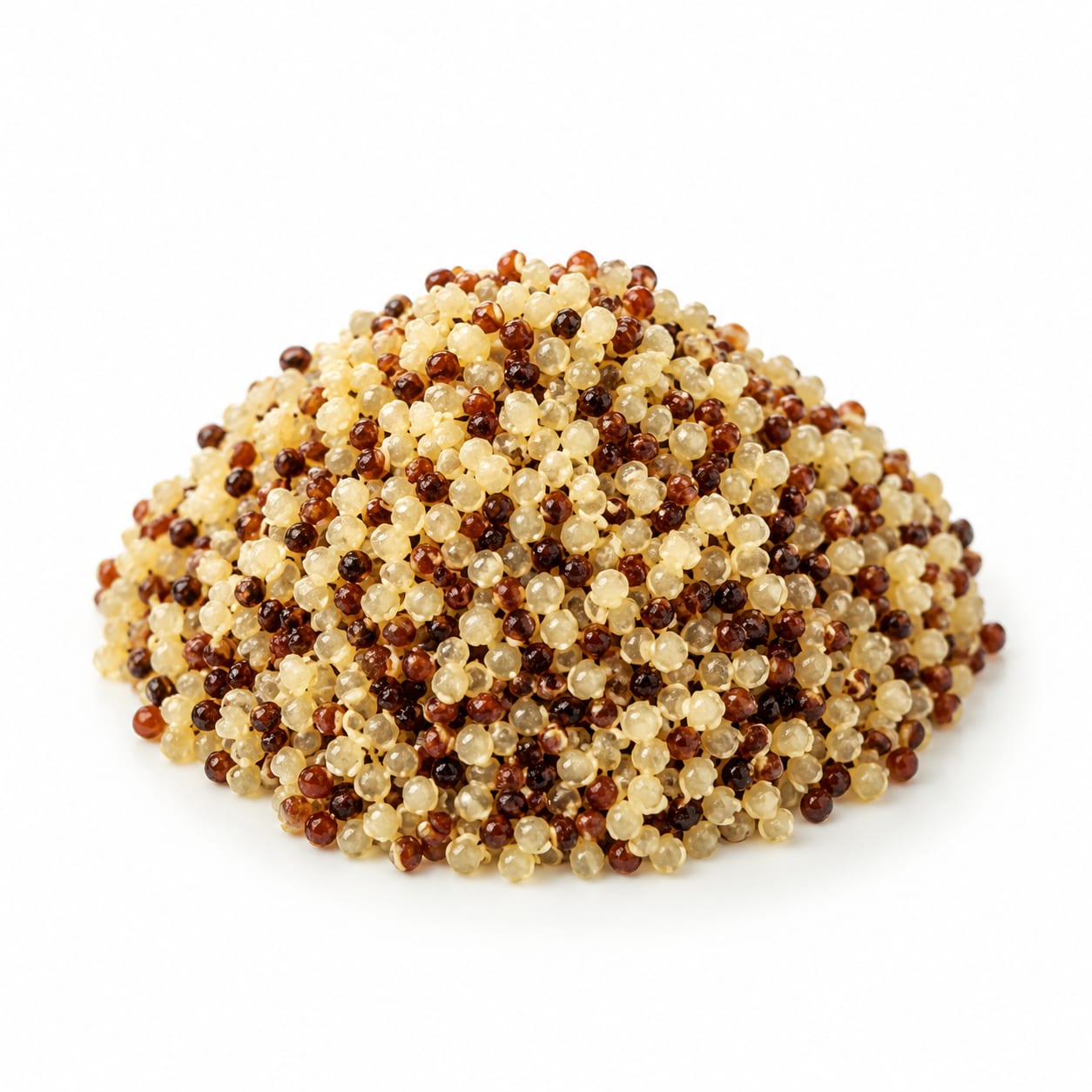
Quinoa
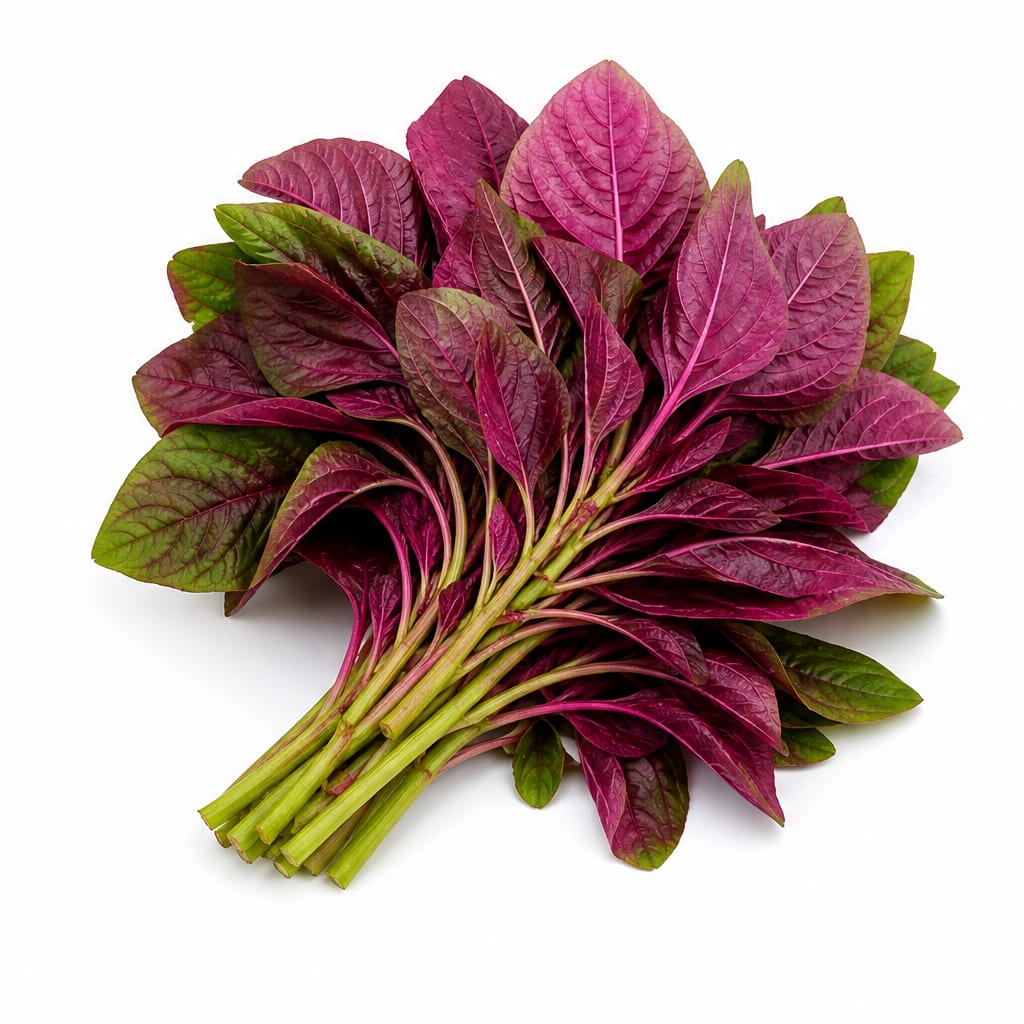
Amaranth
Quinoa is the easier everyday grain with lighter texture and broader recipe flexibility, while Amaranth is the nutritional powerhouse with significantly more iron, calcium, and magnesium per serving.
Amaranth edges ahead on raw nutritional density, especially iron and calcium, but Quinoa's superior practicality, lighter calorie load, and broader culinary versatility keep the gap small. The right pick depends heavily on your priorities.
Convenience and mild flavor versus mineral density and caloric richness — Quinoa fits seamlessly into meals, Amaranth delivers more nutrition per bite but demands more cooking skill and carries more calories.
At a glance
Executive summary
Overall
It depends
Healthier
Amaranth
More practical
Quinoa
Daily use
Quinoa
Key comparison lenses
complete protein comparison between ancient grains
Both are rare plant-based complete proteins, making them direct substitutes for each other in vegetarian and vegan diets
mineral density and micronutrient superiority
Amaranth dramatically outperforms Quinoa in iron and calcium, which matters enormously for plant-based eaters at risk of deficiencies
blood sugar impact and carb load
Amaranth carries more carbs and calories per serving, making glycemic and caloric tradeoffs a real decision factor
kitchen practicality and versatility
Quinoa cooks faster and works in more dishes; Amaranth tends toward porridge textures and requires more technique
digestive tolerance and anti-nutrient concerns
Saponins in Quinoa and oxalates in Amarananth both pose distinct digestive considerations that affect daily usability
Best choice for
Quinoa
- People wanting a light, versatile side dish
- Those new to ancient grains who need an easy entry point
- Meal preppers who value quick cooking and fluffy texture
- Anyone watching calorie intake while still getting complete protein
Amaranth
- Plant-based eaters needing maximum iron and calcium
- Athletes requiring higher caloric and mineral intake
- People with anemia concerns seeking dietary iron sources
- Those who enjoy warm, comforting porridge-style breakfasts
Least suitable for
Quinoa
- People with severe iron deficiency needing the richest plant source
- Those seeking high-calorie nutrition for weight gain or recovery
- Anyone bored with mild flavors wanting bolder taste
Amaranth
- People strictly managing carbohydrate intake
- Those sensitive to oxalates or prone to kidney stones
- Cooks wanting a fluffy, rice-like texture for grain bowls
- Anyone seeking the fastest weeknight cooking option
Deep comparison
Dimension by dimension
Each lens scores both foods and breaks down who each option suits.
- Dimension 1 · Priority 95Amaranth
mineral density
Quinoa · 60Amaranth · 92Amaranth crushes Quinoa on iron and calcium, delivering roughly double the iron and nearly four times the calcium per cooked cup.
Tradeoff
That mineral richness comes with more calories and carbs, so you earn those nutrients at a higher energy cost.
Why it matters
For plant-based eaters, iron and calcium are the two hardest minerals to get adequately — Amaranth directly addresses this gap.
Real-world impact
A single cup of cooked Amaranth covers about 30% of daily iron needs versus roughly 15% from Quinoa, a difference you feel in energy levels over weeks.
Quinoa
- Those already meeting iron needs through other sources
Better for
- People relying on a single grain for mineral intake
Worse for
Amaranth
- Menstruating individuals needing extra iron
- Vegans and vegetarians at risk for mineral deficiencies
- Older adults concerned about calcium intake
Better for
- Those who need to limit oxalates which can inhibit mineral absorption
Worse for
- Dimension 2 · Priority 90Amaranth
protein quality and quantity
Quinoa · 75Amaranth · 82Both offer complete protein with all nine essential amino acids, but Amaranth delivers slightly more protein per serving and notably more lysine.
Tradeoff
The protein advantage is modest — roughly 1 gram more per cup — so the real win is Amaranth's higher lysine content, which supports tissue repair and immune function.
Why it matters
Complete plant proteins are rare, and lysine is typically the limiting amino acid in grain-based diets — Amaranth is unusually rich in it.
Real-world impact
After intense training, that extra lysine supports slightly faster muscle repair, though the difference is small enough that both grains work well post-workout.
Quinoa
- Those pairing protein with other lysine-rich foods like beans
Better for
- Those relying heavily on grains as a primary protein source without legume pairing
Worse for
Amaranth
- Athletes wanting maximum amino acid support from a single grain
- Vegans who need every lysine advantage they can get
Better for
- Dimension 3 · Priority 85Quinoa
blood sugar stability
Quinoa · 78Amaranth · 65Quinoa has a lower glycemic load per serving thanks to fewer carbs and more fiber relative to its carbohydrate content.
Tradeoff
Amaranth's higher carb count means a larger blood sugar impact per serving, though its protein and fat help slow absorption somewhat.
Why it matters
For anyone managing diabetes, prediabetes, or afternoon energy crashes, the difference between a moderate and higher glycemic load grain matters at every meal.
Real-world impact
A Quinoa lunch keeps energy steadier through the afternoon, while a large Amaranth portion might trigger a quicker rise and dip — especially if eaten alone without vegetables or fat.
Quinoa
- People with diabetes or insulin resistance
- Those prone to afternoon energy crashes
- Anyone eating grains as a standalone meal component
Better for
Amaranth
- Endurance athletes who actually want faster carb availability
Better for
- Sedentary individuals managing blood sugar
- Those eating large grain portions without balancing protein and fat
Worse for
- Dimension 4 · Priority 80Quinoa
calorie efficiency
Quinoa · 80Amaranth · 62Quinoa delivers solid nutrition at roughly 222 calories per cooked cup, while Amaranth runs about 251 calories — a meaningful difference when tracking intake.
Tradeoff
Those extra 30 calories per cup in Amaranth come with more minerals and protein, so it is nutrient-dense rather than empty — but the higher total still adds up.
Why it matters
Over a week of daily consumption, that calorie difference compounds to roughly 200 extra calories — enough to matter for weight management goals.
Real-world impact
If you eat a grain serving daily, Quinoa saves you the caloric equivalent of a small snack each week without sacrificing protein quality.
Quinoa
- People managing weight who count calories
- Those who eat large portions and need lower calorie density
Better for
- Those struggling to eat enough calories
Worse for
Amaranth
- Underweight individuals or those recovering from illness who need calorie surplus
- Active people who burn through meals quickly
Better for
- Anyone cutting calories while preserving nutrition
Worse for
- Dimension 5 · Priority 80Quinoa
cooking convenience and versatility
Quinoa · 88Amaranth · 55Quinoa cooks in 15 minutes with a fluffy, rice-like result. Amaranth takes 20-25 minutes and turns gummy unless you use specific techniques like popping or mixing with other grains.
Tradeoff
Amaranth's sticky texture limits it to porridges, thick soups, and veggie burgers, while Quinoa works in salads, bowls, stuffings, and nearly anywhere rice would go.
Why it matters
A grain you enjoy cooking and can use in many dishes gets eaten consistently. A grain that feels finicky often sits in the pantry.
Real-world impact
On a busy Tuesday, Quinoa is a 15-minute side dish. Amaranth requires more planning and technique — it shines on slow weekend mornings as a hot cereal.
Quinoa
- Weeknight cooks needing fast sides
- Meal preppers making grain bowls for the week
- Anyone wanting a direct rice substitute
Better for
Amaranth
- Breakfast lovers who enjoy warm porridge
- Adventurous cooks exploring popping and toasting techniques
Better for
- Those wanting a fluffy grain for salads
- Busy people with limited cooking time
- Anyone expecting rice-like texture and getting mush instead
Worse for
- Dimension 6 · Priority 75Quinoa
digestive tolerance
Quinoa · 72Amaranth · 60Quinoa's saponins rinse away easily, while Amaranth's oxalates stay put and can bother sensitive digestive systems or contribute to kidney stones.
Tradeoff
Both grains are gluten-free and generally well-tolerated, but Amaranth poses a specific risk for oxalate-sensitive individuals that Quinoa avoids.
Why it matters
If you have a history of kidney stones or irritable bowel symptoms, Amaranth's oxalate content is a genuine concern rather than a theoretical one.
Real-world impact
Someone prone to calcium oxalate kidney stones should limit Amaranth, while Quinoa simply needs a quick rinse to remove its bitter saponin coating.
Quinoa
- People with kidney stone history
- Those with sensitive digestion who react to high-oxalate foods
Better for
- Those who skip the rinse step and experience bitterness or mild stomach upset
Worse for
Amaranth
- People who find Quinoa's saponin residue irritating even after rinsing
Better for
- Anyone with oxalate sensitivity or kidney stone risk
Worse for
- Dimension 7 · Priority 70It depends
taste and eating satisfaction
Quinoa · 75Amaranth · 72Quinoa offers a mild, slightly nutty flavor with a fluffy yet chewy texture that most people find immediately likeable. Amaranth is earthier, slightly peppery, and comforting when cooked as porridge.
Tradeoff
Quinoa is the safer bet for picky eaters and broad appeal. Amaranth rewards adventurous palates with deeper, more complex flavor but can feel heavy or gummy if overcooked.
Why it matters
Taste determines whether a health food becomes a habit or a one-time purchase. The best grain nutritionally is the one you actually enjoy eating regularly.
Real-world impact
At a potluck, Quinoa disappears first. At a cozy weekend breakfast, Amaranth porridge with maple syrup and cinnamon feels like a warm hug.
Quinoa
- Families with kids who prefer mild flavors
- Anyone serving grain to guests with unknown preferences
Better for
- Eaters bored by neutral-tasting grains
Worse for
Amaranth
- People who find Quinoa bland and want bolder flavor
- Those who love creamy, comforting breakfast bowls
Better for
- Picky eaters who dislike earthy or sticky textures
Worse for
Timeline
Health impact over time
Short-term
Hours to days
Quinoa
- Steady energy without sharp blood sugar spikes when eaten in normal portions
- Quick satiety from protein and fiber combination
- Possible mild stomach discomfort if saponins are not rinsed off before cooking
Amaranth
- More sustained fullness due to higher calorie and protein density per serving
- Slightly larger blood sugar response than Quinoa, especially in bigger portions
- Warm, comforting digestion when eaten as porridge — soothing for upset stomachs
Long-term
Months to years
Quinoa
- Consistent intake supports steady iron levels, though not as robustly as Amaranth
- Lower calorie load makes it easier to maintain healthy weight when eaten daily
- Reliable complete protein source supports muscle maintenance with aging
Amaranth
- Superior iron and calcium intake helps prevent anemia and supports bone density over years
- Higher oxalate consumption may increase kidney stone risk in susceptible individuals
- Rich magnesium content supports cardiovascular health and better sleep quality long-term
Risk profile
Safety & processing
Both Quinoa and Amaranth are whole ancient grains sold with minimal processing — typically just harvested, cleaned, and dried. Neither contains artificial additives, preservatives, or emulsifiers. The main processing concern is Quinoa's saponin coating, which is natural but requires rinsing. Pre-rinsed Quinoa is available but costs more.
Quinoa
saponin residue
lowNatural bitter coating on Quinoa seeds can cause mild digestive upset if not rinsed before cooking. Most commercial Quinoa is pre-rinsed, but checking the package is wise.
cross-contamination with gluten grains
mediumQuinoa is naturally gluten-free but is often processed in facilities handling wheat. Those with celiac disease should seek certified gluten-free labels.
Amaranth
oxalate content
mediumAmaranth contains notable oxalates that can contribute to kidney stone formation in predisposed individuals. Boiling and draining cooking water reduces oxalate levels somewhat.
cross-contamination with gluten grains
mediumSame as Quinoa — naturally gluten-free but vulnerable to facility cross-contamination. Certified gluten-free labels matter for celiac patients.
Who wins for whom
Audience fit
Same foods, different winners depending on your goal.
children
QuinoaMilder flavor, fluffier texture, and faster cooking make Quinoa far more kid-friendly. Amaranth's sticky consistency and earthy taste often meet resistance from young eaters.
daily consumption
QuinoaQuinoa's lighter calorie load, broader recipe compatibility, and lower oxalate content make it a safer and more sustainable daily staple for most people.
diabetes
QuinoaLower carbohydrate content and glycemic load per serving give Quinoa a meaningful edge for blood sugar management at every meal.
elderly
AmaranthHigher calcium and iron content directly addresses the mineral deficiencies common in older adults, and the soft porridge texture is easy to chew and digest.
muscle gain
AmaranthSlightly more protein per serving plus higher calorie content supports the caloric surplus and amino acid availability needed for muscle building.
weight loss
QuinoaFewer calories per cup and a lower glycemic load make Quinoa easier to fit into a calorie-controlled eating plan without sacrificing protein quality.
Your move
Decision guide
Choose Quinoa
- You want a versatile, rice-like grain for everyday meals
- You are managing calories, blood sugar, or both
- You have kidney stone concerns or oxalate sensitivity
- You need something quick and foolproof on busy weeknights
- You are introducing ancient grains to picky eaters or children
Choose Amaranth
- You need maximum iron and calcium from plant sources
- You are an athlete or highly active person who benefits from extra calories and minerals
- You love warm breakfast porridges and comforting textures
- You are vegan and want the richest possible single-grain nutrient profile
- You enjoy experimenting with less common ingredients and bolder flavors
Either works if
- You simply want a gluten-free complete protein source
- You are rotating grains for dietary diversity
- You have no specific mineral deficiencies or digestive concerns
Avoid both if
- You have a severe grain allergy or sensitivity to seeds
- You are on a very low-carb or ketogenic diet — both are carb-dense
Final recommendation
Keep both in your pantry and use them for different purposes. Cook Quinoa for grain bowls, salads, and weeknight sides. Save Amaranth for weekend breakfast porridge, veggie burger binders, and mineral-boosting additions to soups. If you must pick one, Quinoa wins on daily practicality, but Amaranth wins on raw nutritional power — especially for plant-based eaters who need the iron and calcium advantage.
Practical
Consumer tips
- 1
Always rinse Quinoa under running water for 30 seconds to remove saponins, even if the package says pre-rinsed — the bitterness test is worth the 30 seconds.
- 2
Toast Amaranth in a dry pan for 2-3 minutes before adding liquid to bring out a nuttier flavor and reduce gumminess.
- 3
Mix the two grains together while cooking — Quinoa adds fluffiness while Amaranth adds creaminess and a mineral boost.
- 4
Pop Amaranth like tiny popcorn in a hot dry skillet for a crunchy, protein-rich topping for salads and yogurt bowls.
- 5
If you have kidney stone history, boil Amaranth in extra water and drain it to reduce oxalate content before eating.
- 6
Buy both grains in bulk bins where turnover is high — ancient grains can go rancid if stored too long. Keep them in airtight containers in a cool, dark spot.