
Nutrition comparison
Barley vs Quinoa: Which Grain is Better for You?
Compare Barley vs Quinoa for protein, fiber, and blood sugar control. Find out which grain is better for weight loss, heart health, and gluten-free diets.
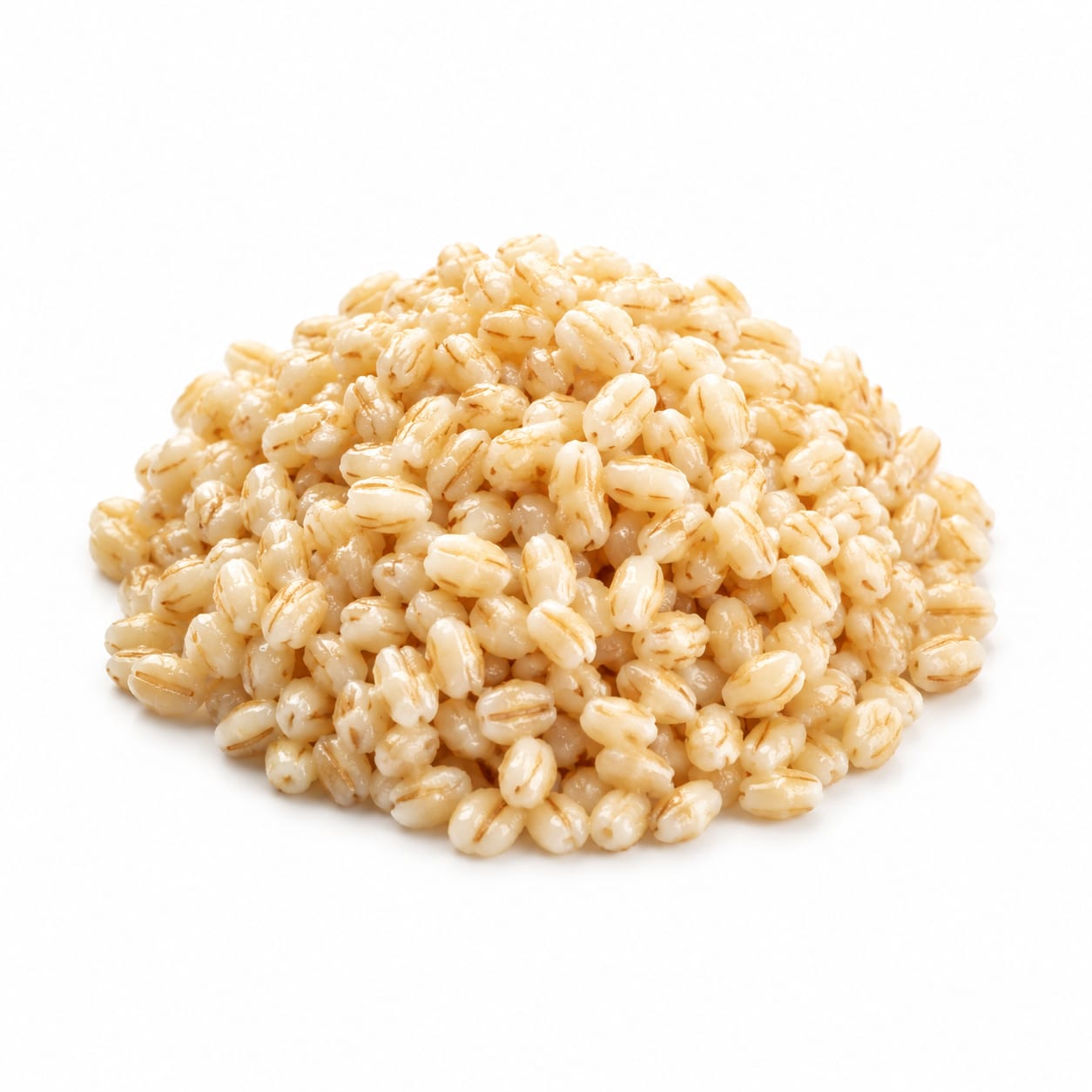
Barley
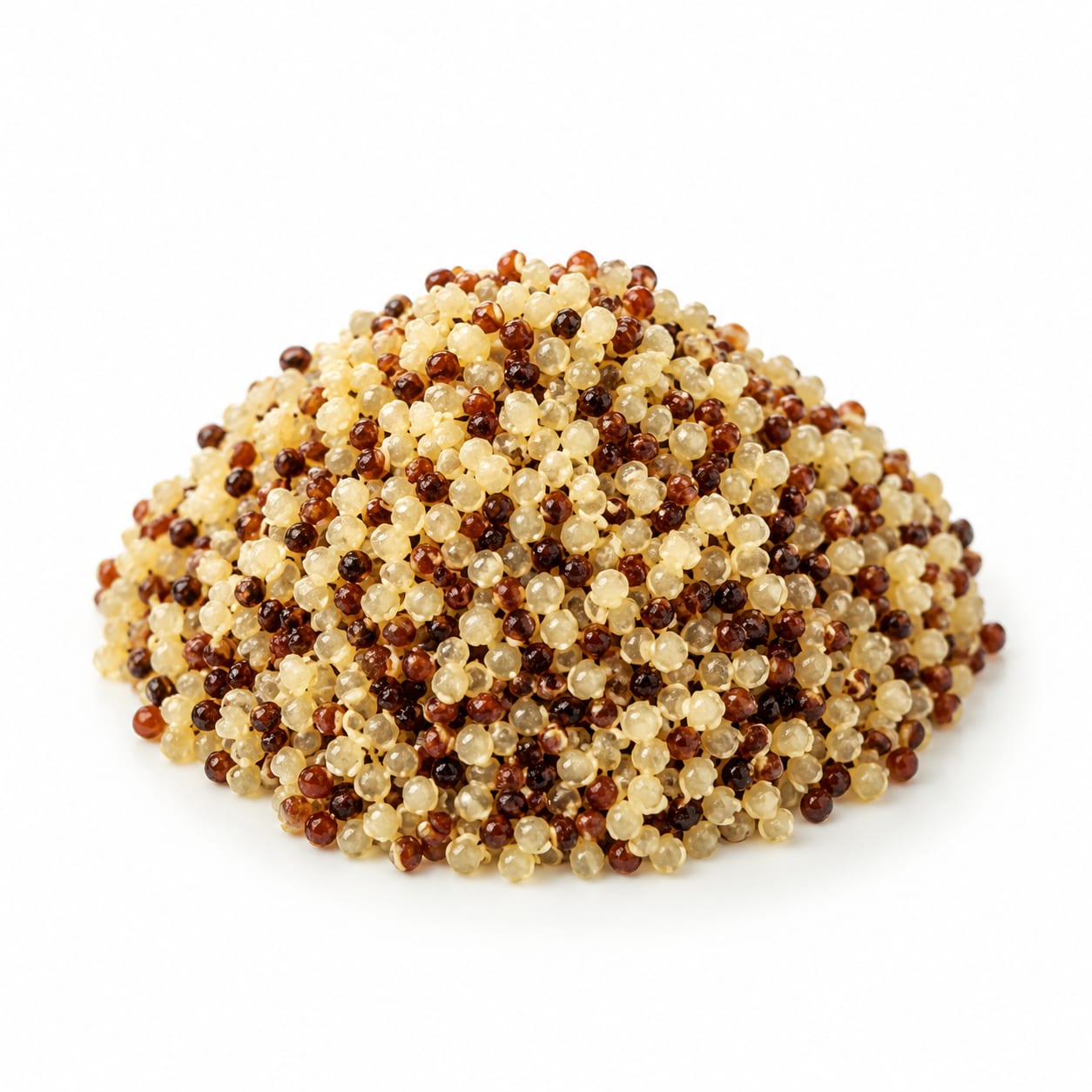
Quinoa
Barley is a targeted health tool for lowering cholesterol and balancing blood sugar, while Quinoa is a versatile, gluten-free complete protein better suited for everyday plant-based meals.
Quinoa edges out Barley slightly due to its complete protein and gluten-free nature, making it accessible to more people. However, Barley's specialized fiber gives it a powerful niche advantage for metabolic health.
Barley's superior cholesterol-lowering fiber versus Quinoa's complete protein and gluten-free accessibility.
At a glance
Executive summary
Overall
It depends
Healthier
It depends
More practical
Quinoa
Daily use
It depends
Key comparison lenses
Blood sugar management and diabetes prevention
Barley's beta-glucan is clinically renowned for stabilizing blood glucose, a key decision factor against Quinoa.
Heart health and cholesterol reduction
Barley carries an FDA heart-health claim for lowering cholesterol, making it a targeted therapeutic food.
Gluten-free dietary needs
Barley contains gluten, immediately disqualifying it for celiacs, whereas Quinoa is a gluten-free staple.
Plant-based protein quality
Quinoa is a rare plant-based complete protein, a major draw for vegans and vegetarians.
Best choice for
Barley
- People actively trying to lower LDL cholesterol
- Those managing insulin resistance or type 2 diabetes
- Hearty soup and stew recipes needing a filling grain
Quinoa
- Celiacs and anyone avoiding gluten
- Vegans needing high-quality complete protein
- Busy cooks needing a fast-cooking weeknight base
Least suitable for
Barley
- Anyone with celiac disease or gluten sensitivity
- Those who need a quick-cooking grain on busy nights
Quinoa
- People strictly managing oxalate intake for kidney stones
- Budget-conscious shoppers buying in bulk
Deep comparison
Dimension by dimension
Each lens scores both foods and breaks down who each option suits.
- Dimension 1 · Priority 95Barley
Blood Sugar Stability
Barley · 94Quinoa · 72Barley's beta-glucan forms a gel in the gut that drastically slows glucose absorption, outperforming Quinoa's fiber profile.
Tradeoff
You get much steadier energy after eating Barley, but miss out on Quinoa's higher protein content.
Why it matters
Preventing blood sugar spikes reduces fatigue, brain fog, and cravings later in the day.
Real-world impact
A Barley bowl at lunch keeps the afternoon energy crash at bay far better than Quinoa.
Barley
- Diabetics choosing Barley for glucose control
- Insulin resistance management with Barley
- Steady afternoon energy from Barley
Better for
- Those avoiding gluten found in Barley
Worse for
Quinoa
- Pre-workout carb loading with Quinoa
- Lighter digestion with Quinoa
Better for
- Those needing maximum blood sugar stabilization that Barley provides
Worse for
- Dimension 2 · Priority 88Quinoa
Protein Quality & Muscle Support
Barley · 52Quinoa · 92Quinoa is a complete protein containing all essential amino acids, whereas Barley is deficient in lysine.
Tradeoff
Quinoa supports muscle repair and plant-based diets better, but lacks the specialized heart-health fiber of Barley.
Why it matters
Complete proteins are crucial for vegans and older adults who need to maintain muscle mass without meat.
Real-world impact
Eating Quinoa after a workout gives your muscles the full spectrum of building blocks they need to recover.
Barley
- Adding bulk and fiber to meals
Better for
- Vegans needing high-quality protein from Barley
Worse for
Quinoa
- Vegans relying on Quinoa for complete protein
- Athletes using Quinoa for muscle repair
- Older adults maintaining muscle with Quinoa
Better for
- Those primarily seeking cholesterol reduction over protein
Worse for
- Dimension 3 · Priority 92Barley
Heart Health & Cholesterol
Barley · 96Quinoa · 68Barley's beta-glucan is clinically proven to lower LDL cholesterol, earning it a formal heart-health claim, while Quinoa offers general cardiovascular benefits.
Tradeoff
Barley is a targeted cholesterol-lowering tool, while Quinoa offers broader but less potent heart benefits.
Why it matters
High LDL cholesterol is a primary risk factor for heart disease, and diet is the first line of defense.
Real-world impact
Eating Barley regularly can actively reduce your cholesterol numbers, something Quinoa does less dramatically.
Barley
- Lowering high cholesterol with Barley
- Reducing heart disease risk with Barley
Better for
- Those with gluten sensitivity avoiding Barley
Worse for
Quinoa
- General cardiovascular wellness with Quinoa
- Blood pressure management with Quinoa
Better for
- Those needing aggressive cholesterol lowering that Barley provides
Worse for
- Dimension 4 · Priority 85Quinoa
Digestive Tolerance & Allergies
Barley · 45Quinoa · 90Quinoa is naturally gluten-free and easy on the gut for most people, while Barley contains gluten and can trigger severe reactions in sensitive individuals.
Tradeoff
Quinoa is safe for celiacs and gentle on digestion, whereas Barley's gluten makes it off-limits for a significant portion of the population.
Why it matters
Gluten intolerance and celiac disease require strict avoidance, making grain choice a matter of safety, not just preference.
Real-world impact
If you have a sensitive stomach or gluten issue, Quinoa is the stress-free choice; Barley could cause days of discomfort.
Barley
- Promoting healthy gut bacteria via Barley's soluble fiber
Better for
- Celiacs must avoid Barley
- Wheat allergy sufferers reacting to Barley
Worse for
Quinoa
- Celiacs safely eating Quinoa
- Gluten intolerance management with Quinoa
- IBS sufferers choosing Quinoa
Better for
- Those sensitive to Quinoa saponins if not rinsed
Worse for
Timeline
Health impact over time
Short-term
Hours to days
Barley
- High fullness and satiety after meals with Barley
- Slower digestion from Barley prevents sugar crashes
Quinoa
- Sustained energy from Quinoa's complete protein
- Quick and comfortable digestion of Quinoa
Long-term
Months to years
Barley
- Lower LDL cholesterol levels from Barley
- Improved insulin sensitivity with Barley
- Potential nutrient depletion if eating pearled Barley instead of hulled
Quinoa
- Better muscle retention with aging from Quinoa
- Reduced inflammation from avoiding gluten by choosing Quinoa (if sensitive)
Risk profile
Safety & processing
Both are whole, natural foods. However, most supermarket Barley is 'pearled' (bran removed), which strips away nutrients. Hulled Barley is the true whole grain. Quinoa is typically sold as a whole seed with minimal processing.
Barley
Gluten content in Barley
highBarley contains gluten, making it unsafe and damaging for those with celiac disease or severe gluten intolerance.
Quinoa
Saponin residue on Quinoa
mediumQuinoa is naturally coated in bitter saponins that can cause stomach upset if not rinsed thoroughly before cooking.
Oxalate content in Quinoa
lowQuinoa contains oxalates which may contribute to kidney stones in susceptible individuals.
Who wins for whom
Audience fit
Same foods, different winners depending on your goal.
children
QuinoaQuinoa is gluten-free, cooks quickly, and provides complete protein for growing bodies, making it an easy sell for picky eaters.
daily consumption
It dependsQuinoa is better for daily versatility and gluten-free households, while Barley is better for daily cardiovascular and blood sugar management.
diabetes
BarleyThe soluble fiber in Barley dramatically slows sugar absorption, leading to much more stable blood glucose levels.
elderly
BarleyBarley's cholesterol-lowering power and blood sugar stability are highly beneficial for aging metabolisms, assuming no gluten issues.
muscle gain
QuinoaQuinoa provides a complete protein profile, which is essential for muscle repair and growth.
weight loss
BarleyBarley's beta-glucan fiber is incredibly filling, making it easier to eat fewer calories overall without feeling deprived.
Your move
Decision guide
Choose Barley
- You want to actively lower your cholesterol with Barley
- You need maximum satiety to control overeating using Barley
- You are managing type 2 diabetes or insulin resistance with Barley
- You are making a hearty soup or stew with Barley
Choose Quinoa
- You are gluten-free or have celiac disease and need Quinoa
- You need a plant-based complete protein source like Quinoa
- You want a quick-cooking grain for weeknights like Quinoa
- You are meal-prepping for post-workout recovery with Quinoa
Either works if
- You want a nutrient-dense carb to replace white rice
- You are building healthy grain bowls
Avoid both if
- You are on a strict ketogenic or very low-carb diet
- You have severe grain or seed allergies
Final recommendation
Keep both in your pantry. Use Barley when heart health and blood sugar control are your top priorities, especially in soups. Use Quinoa when you need a quick, gluten-free, protein-packed base for bowls and salads.
Practical
Consumer tips
- 1
Always buy hulled Barley over pearled Barley; pearling strips away the beneficial bran and fiber.
- 2
Rinse Quinoa thoroughly before cooking to remove the bitter saponin coating.
- 3
Toast either grain in a dry pan before adding liquid to enhance their nutty flavor.
- 4
Cook a big batch of Quinoa on Sunday to use in quick meals all week.