
Nutrition comparison
Quinoa vs White Rice: Which Is Actually Better for You?
Complete nutrition comparison of Quinoa vs White Rice covering protein, fiber, blood sugar impact, weight loss, and real-world practicality. Clear winner for daily health.
Overall winner · Quinoa
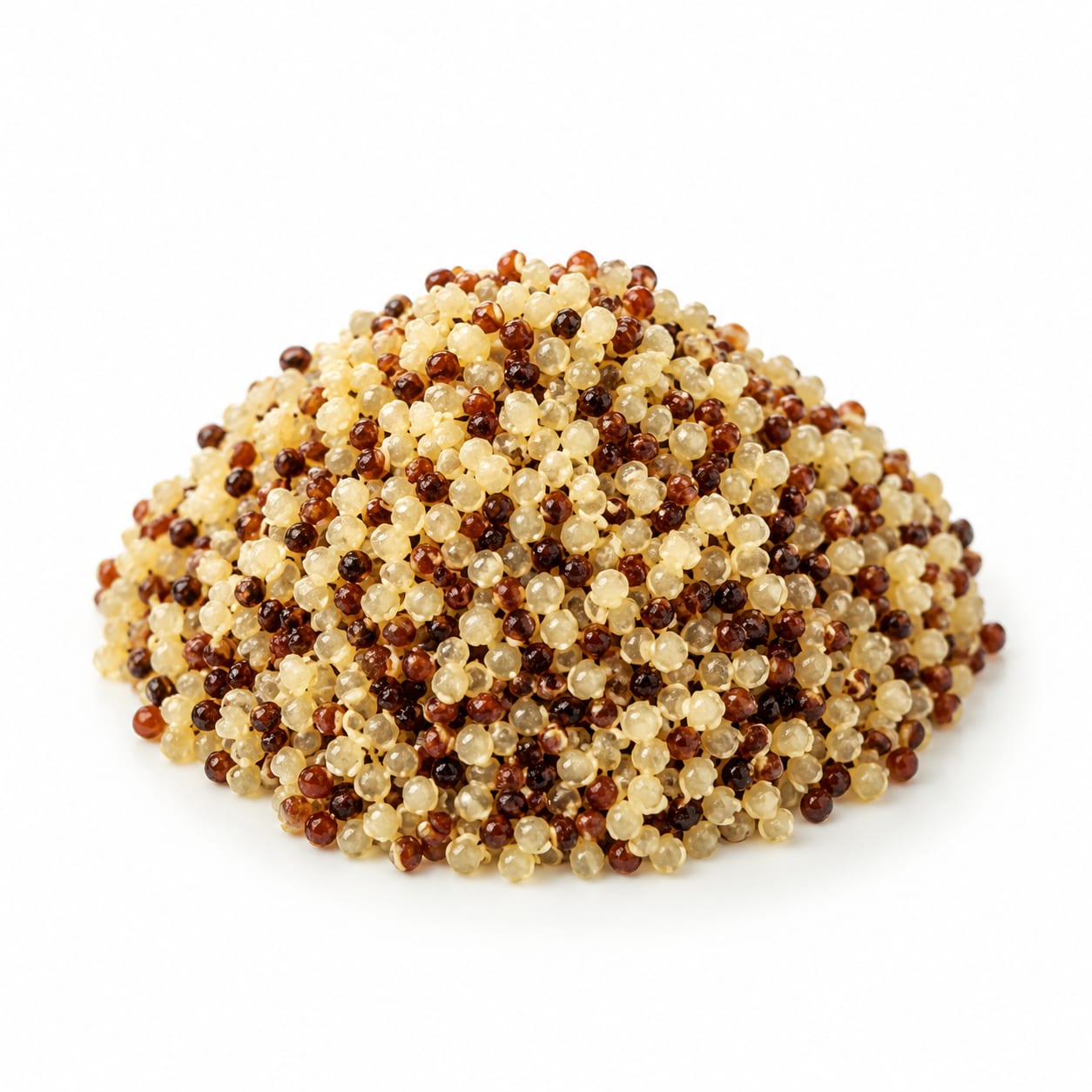
Quinoa
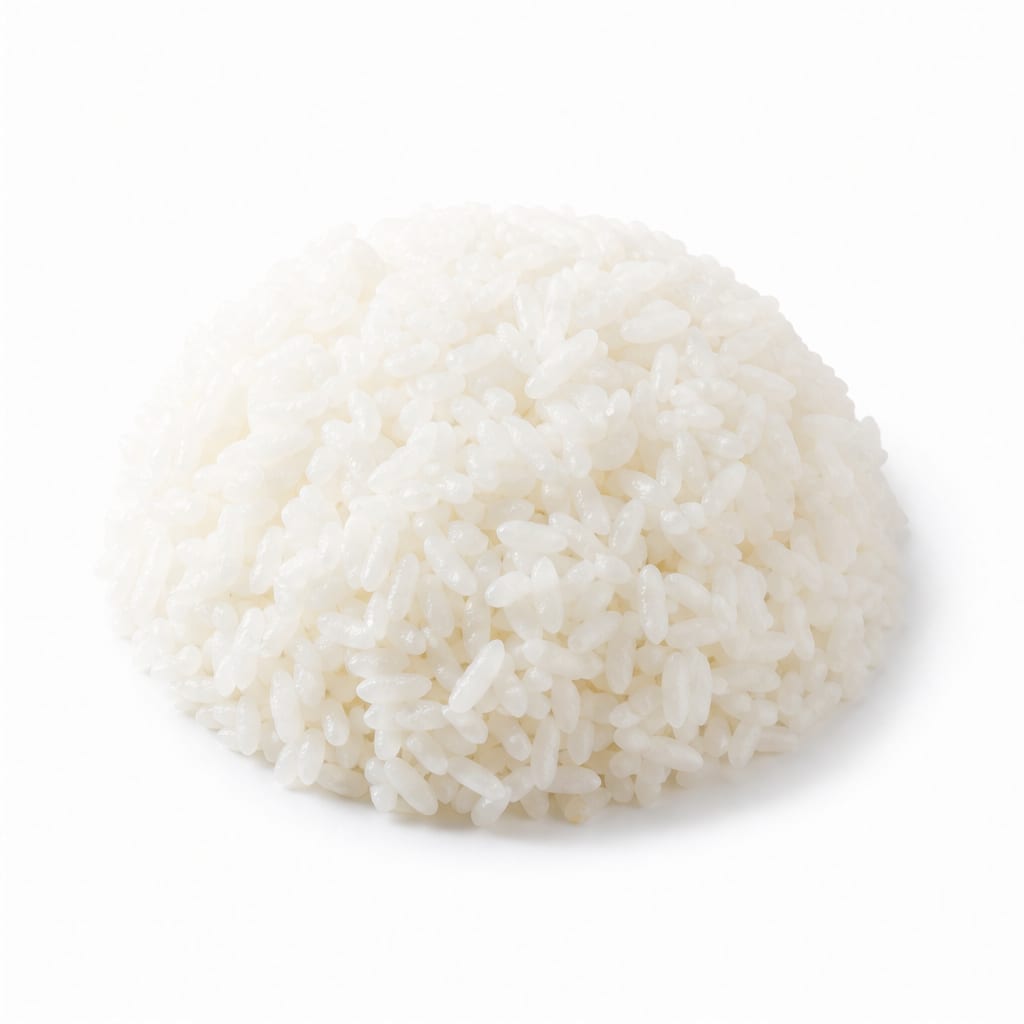
White Rice
Quinoa wins on nutrition and satiety, but White Rice wins on convenience and cost. The gap in health value is substantial.
Quinoa scores significantly higher due to its complete protein, high fiber, and superior micronutrient profile. White Rice is not harmful but offers minimal nutritional value beyond carbohydrates. The 31-point gap reflects how much more Quinoa delivers per calorie eaten.
You trade quick energy and simplicity for sustained fullness and dramatically better nutrition.
At a glance
Executive summary
Overall
Quinoa
Healthier
Quinoa
More practical
White Rice
Daily use
Quinoa
Key comparison lenses
blood sugar control and glycemic impact
White Rice causes rapid blood sugar spikes while Quinoa provides steadier energy, making this the most consequential difference for daily health
protein quality and completeness
Quinoa is one of the few plant foods with complete protein, while White Rice lacks key amino acids
satiety and hunger management
Fiber and protein differences mean Quinoa keeps you full much longer than White Rice
convenience and meal prep practicality
White Rice is faster, cheaper, and more universally available, making it the default choice in many households
nutrient density per calorie
Quinoa delivers significantly more vitamins and minerals per serving, while White Rice is mostly empty carbs
Best choice for
Quinoa
- People managing blood sugar or prediabetes
- Anyone trying to eat less but stay full longer
- Vegetarians and vegans needing complete protein
- Those prioritizing nutrient density over convenience
- Weight loss seekers who struggle with hunger
White Rice
- Athletes needing fast carbs after intense training
- People with digestive issues who need easy-to-digest food
- Budget-conscious households feeding a family
- Anyone recovering from illness with low appetite
- Those who need reliable meal prep in under 20 minutes
Least suitable for
Quinoa
- People with quinoa sensitivity or digestive discomfort from high fiber
- Very tight food budgets where cost per serving matters most
- Those who need immediate fast-absorbing carbs for athletic recovery
White Rice
- People with diabetes or insulin resistance
- Anyone trying to lose weight while managing hunger
- Those seeking nutrient-dense meals rather than empty calories
Deep comparison
Dimension by dimension
Each lens scores both foods and breaks down who each option suits.
- Dimension 1 · Priority 95Quinoa
Blood Sugar Stability
Quinoa · 82White Rice · 28Quinoa has a glycemic index around 53, while White Rice hits 73-89 depending on variety. This is a massive difference for energy stability.
Tradeoff
White Rice gives you quick energy fast, but you crash harder. Quinoa releases energy slowly and steadily.
Why it matters
Blood sugar spikes from White Rice trigger hunger returns within 1-2 hours, while Quinoa keeps you satisfied for 3-4 hours.
Real-world impact
A White Rice lunch often leads to a 3pm energy crash and snack craving. A Quinoa lunch carries you to dinner without thinking about food.
Quinoa
- Steady energy through the afternoon
- Less cravings between meals
- Better metabolic health over time
Better for
- Not ideal when you need immediate carbohydrate replenishment
Worse for
White Rice
- Quick fuel right before or after intense exercise
- Easier blood sugar recovery during hypoglycemic episodes
Better for
- Triggers insulin spikes that worsen insulin resistance over time
- Promotes cyclical hunger and overeating
Worse for
- Dimension 2 · Priority 88Quinoa
Protein Quality and Quantity
Quinoa · 90White Rice · 30Quinoa provides 8g of complete protein per cooked cup with all nine essential amino acids. White Rice offers only 4g of incomplete protein.
Tradeoff
Quinoa functions as both a carb and a protein source. White Rice is essentially just carbs with a protein afterthought.
Why it matters
Complete protein from Quinoa supports muscle maintenance, immune function, and satiety. White Rice protein lacks lysine, making it incomplete on its own.
Real-world impact
A Quinoa bowl needs less added protein to make a balanced meal. A White Rice bowl requires significant protein from other sources to feel satisfying.
Quinoa
- Vegetarians getting complete protein without combining foods
- Reducing the need for large protein portions from other sources
- Better muscle preservation during weight loss
Better for
- Slightly bitter taste from saponins if not rinsed properly
Worse for
White Rice
- Situations where protein comes abundantly from other meal components anyway
Better for
- Inadequate as a standalone protein source
- Requires pairing with beans or animal protein for amino acid balance
Worse for
- Dimension 3 · Priority 85Quinoa
Satiety and Fullness
Quinoa · 85White Rice · 35Quinoa keeps you full 2-3 times longer than White Rice thanks to its fiber and protein combination.
Tradeoff
White Rice feels lighter in the stomach immediately but leaves you hungry sooner. Quinoa feels heavier but sustains you much longer.
Why it matters
Satiety is the single biggest factor in whether you overeat or stick to your intended portions.
Real-world impact
After White Rice, you are likely reaching for a snack within 90 minutes. After Quinoa, you may forget about food entirely until your next meal.
Quinoa
- Weight management without counting calories
- Reduced snacking between meals
- Feeling satisfied on smaller portions
Better for
- Can feel too filling before intense exercise
Worse for
White Rice
- When you want a light meal that does not feel heavy
- Post-illness recovery when appetite is low
Better for
- Leads to overeating when portions are not carefully controlled
- Hunger returns quickly, prompting extra snacking
Worse for
- Dimension 4 · Priority 80White Rice
Convenience and Practicality
Quinoa · 45White Rice · 88White Rice is cheaper, faster, and available everywhere. Quinoa costs 3-4 times more and requires rinsing before cooking.
Tradeoff
You pay more money and time for Quinoa's nutritional advantages. White Rice is the effortless default.
Why it matters
The best food nutritionally only works if you actually eat it regularly. Cost and convenience determine real-world adherence.
Real-world impact
A family of four can eat White Rice daily for dollars per week. The same frequency with Quinoa becomes a noticeable grocery expense.
Quinoa
- Batch cooking on weekends for the whole week
- Adding to salads and bowls that benefit from its texture
Better for
- Requires rinsing to remove bitter saponins
- Takes 15-20 minutes to cook even with pre-rinsing
- Significantly more expensive per serving
Worse for
White Rice
- Quick weeknight dinners in 15-20 minutes
- Feeding large families on a budget
- Consistent availability in any grocery store worldwide
Better for
- Nutritional shortcuts that add up over years of daily consumption
Worse for
- Dimension 5 · Priority 78Quinoa
Nutrient Density
Quinoa · 88White Rice · 22Quinoa delivers iron, magnesium, manganese, folate, and B-vitamins in meaningful amounts. White Rice is stripped of most nutrients during milling.
Tradeoff
Quinoa is a multivitamin disguised as a grain. White Rice is pure energy with almost nothing else to offer.
Why it matters
Nutrient density determines whether your calories are working for you or just occupying space in your stomach.
Real-world impact
Regular Quinoa eaters get closer to daily mineral targets without supplements. Regular White Rice eaters may need to work harder to meet basic nutrient needs from other foods.
Quinoa
- Meeting iron and magnesium needs through food alone
- Supporting energy production at the cellular level
- Getting folate for pregnant women or those trying to conceive
Better for
- Phytic acid can reduce mineral absorption slightly
Worse for
White Rice
- Enriched varieties add back some B-vitamins and iron
Better for
- Milling removes the bran and germ where most nutrients live
- Even enriched White Rice falls far short of whole grain nutrition
Worse for
- Dimension 6 · Priority 72White Rice
Digestive Tolerance
Quinoa · 55White Rice · 85White Rice is one of the most easily digested foods available. Quinoa's fiber and saponins can cause discomfort for some people.
Tradeoff
White Rice is gentle on sensitive stomachs but offers no digestive benefits. Quinoa feeds your gut microbiome but can cause bloating initially.
Why it matters
If a food causes discomfort, you will not keep eating it regardless of its nutritional profile.
Real-world impact
After stomach illness, White Rice is a go-to recovery food. Quinoa might cause gas or bloating if your gut is not used to high-fiber foods.
Quinoa
- Feeding beneficial gut bacteria with prebiotic fiber
- Supporting regular bowel movements and preventing constipation
Better for
- Can cause bloating or gas when first introduced to the diet
- Saponins may irritate sensitive digestive systems if not rinsed
Worse for
White Rice
- Soothing an upset stomach or recovering from illness
- Safe for people with IBS flare-ups who need low-fiber options
Better for
- Contributes to constipation when eaten without other fiber sources
- Does nothing to support gut microbiome health
Worse for
Timeline
Health impact over time
Short-term
Hours to days
Quinoa
- Sustained energy for 3-4 hours after eating
- Mild bloating possible if transitioning from a low-fiber diet
- Greater meal satisfaction with smaller portions
White Rice
- Quick energy surge within 30 minutes
- Hunger returning within 1-2 hours
- Possible energy crash or brain fog 90 minutes after eating
Long-term
Months to years
Quinoa
- Better blood sugar regulation and reduced diabetes risk
- Improved gut health from consistent fiber intake
- Easier weight management due to natural appetite regulation
- Higher mineral intake supporting bone and heart health
White Rice
- Increased risk of type 2 diabetes with frequent daily consumption
- Potential nutrient gaps if not balanced with varied foods
- Higher likelihood of weight gain due to low satiety per calorie
- Minimal contribution to long-term gut health
Risk profile
Safety & processing
Quinoa is a whole seed eaten essentially in its natural state after minimal cleaning. White Rice has been milled to remove the bran and germ, stripping away most nutrients and fiber. Neither contains artificial additives, but White Rice is fundamentally a refined product while Quinoa remains whole.
Quinoa
Saponin residue
lowNatural coating on Quinoa seeds can taste bitter and cause mild stomach irritation. Rinsing thoroughly before cooking eliminates this concern.
Oxalate content
lowQuinoa contains moderate oxalates, which may be relevant for people prone to kidney stones. Most people are unaffected.
White Rice
Arsenic contamination
mediumWhite Rice can accumulate arsenic from soil and water, especially rice grown in certain regions. Rinsing and cooking with excess water reduces levels but does not eliminate the concern entirely.
Minimal food safety risks otherwise
lowWhite Rice is generally safe and well-tolerated. Leftover rice left at room temperature can harbor Bacillus cereus, so refrigerate promptly.
Who wins for whom
Audience fit
Same foods, different winners depending on your goal.
children
It dependsWhite Rice is easier for kids to eat and digest, especially picky eaters. Quinoa provides better nutrition but its texture and slight bitterness can be a hard sell for young children.
daily consumption
QuinoaDaily Quinoa delivers compounding nutritional benefits. Daily White Rice adds mostly empty carbs that contribute to metabolic issues over years.
diabetes
QuinoaQuinoa's low glycemic index and high fiber make it dramatically safer for blood sugar management. White Rice is one of the worst grain choices for diabetics.
elderly
It dependsQuinoa supports bone density and heart health with its mineral content, but White Rice is gentler on aging digestive systems. Choose based on individual digestive tolerance.
muscle gain
It dependsWhite Rice provides fast carbs ideal post-workout, but Quinoa offers complete protein for recovery. Best approach is Quinoa at meals and White Rice after training if needed.
weight loss
QuinoaQuinoa's protein and fiber combination keeps you full on fewer calories, naturally reducing overeating without willpower struggles.
Your move
Decision guide
Choose Quinoa
- You want to feel full and energized for hours after eating
- You are managing blood sugar, prediabetes, or diabetes
- You eat mostly plant-based and need complete protein sources
- You are willing to spend more for significantly better nutrition
- You struggle with hunger and snacking between meals
Choose White Rice
- You need affordable calories to feed a family on a budget
- You are an athlete needing fast carbs around training
- You have a sensitive stomach or are recovering from illness
- You are meal-prepping in bulk and cost matters significantly
- You simply prefer the taste and texture and eat a varied diet otherwise
Either works if
- Your diet is already rich in vegetables, proteins, and whole grains
- You rotate between multiple grain sources throughout the week
- Neither food is your primary calorie or nutrient source
Avoid both if
- You have a grain or seed allergy that includes either food
- You are on a strict very-low-carb or ketogenic diet
Final recommendation
Make Quinoa your default grain when health and satiety matter most. Keep White Rice as an occasional convenience option or post-workout carb source. If budget forces a choice, even replacing half your White Rice with Quinoa gives you a meaningful nutritional upgrade without doubling your grain costs.
Practical
Consumer tips
- 1
Rinse Quinoa under running water for 30 seconds to remove bitter saponins before cooking
- 2
Cook Quinoa in broth instead of water for dramatically better flavor without extra effort
- 3
Mix Quinoa and White Rice together as a transition strategy if the taste or texture of Quinoa is new to you
- 4
Rinse White Rice before cooking and use excess water to reduce arsenic levels by up to 50%
- 5
Buy Quinoa in bulk to bring the per-serving cost closer to White Rice
- 6
If White Rice is your daily staple, pair it with vegetables and protein to slow digestion and reduce blood sugar spikes
- 7
Pre-cook a large batch of Quinoa on Sunday and refrigerate for easy use throughout the week