
Nutrition comparison
Quinoa vs Buckwheat: Which is Healthier?
Compare Quinoa and Buckwheat to see which grain is better for weight loss, diabetes, and protein. Learn the nutritional tradeoffs between Quinoa's complete protein and Buckwheat's blood sugar benefits.
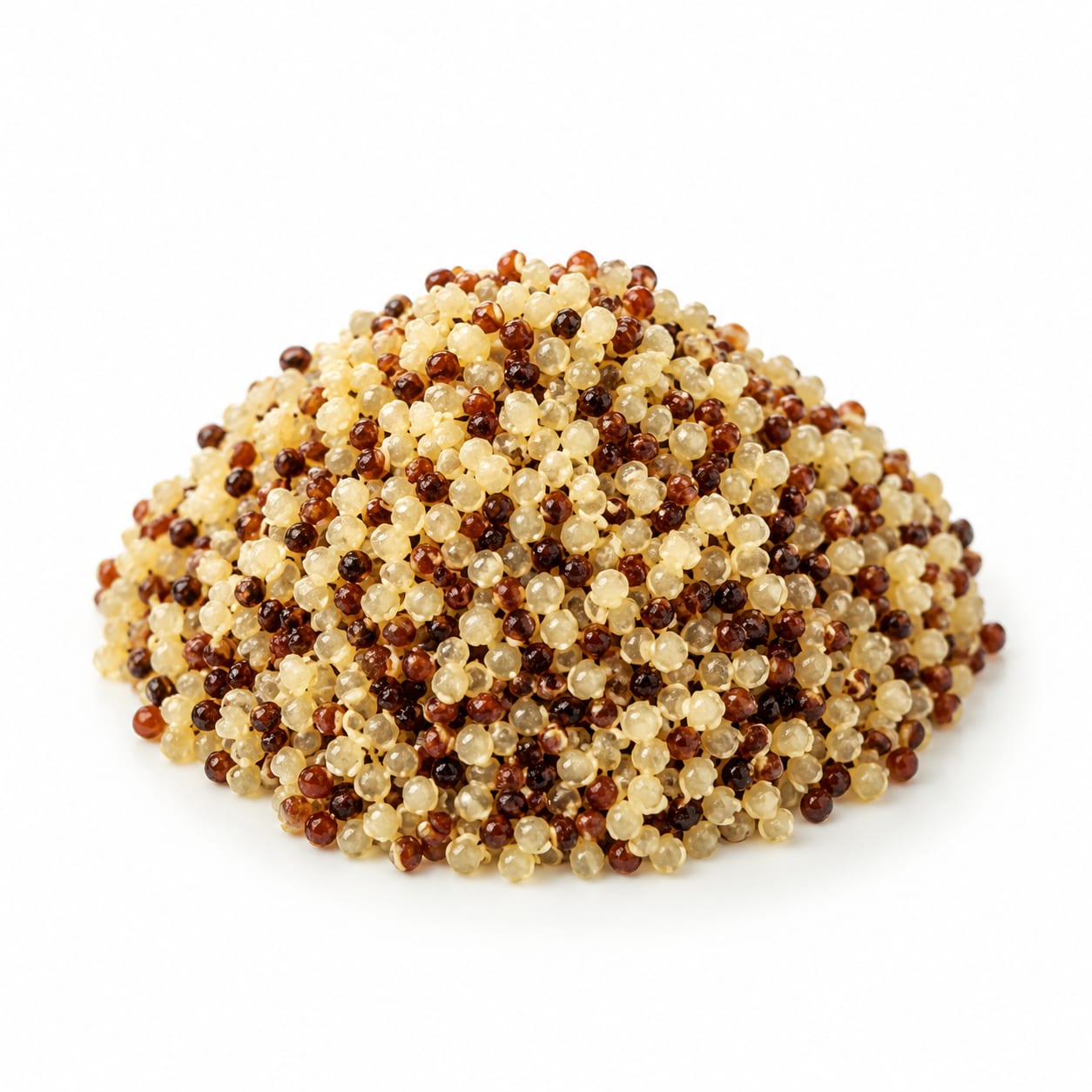
Quinoa
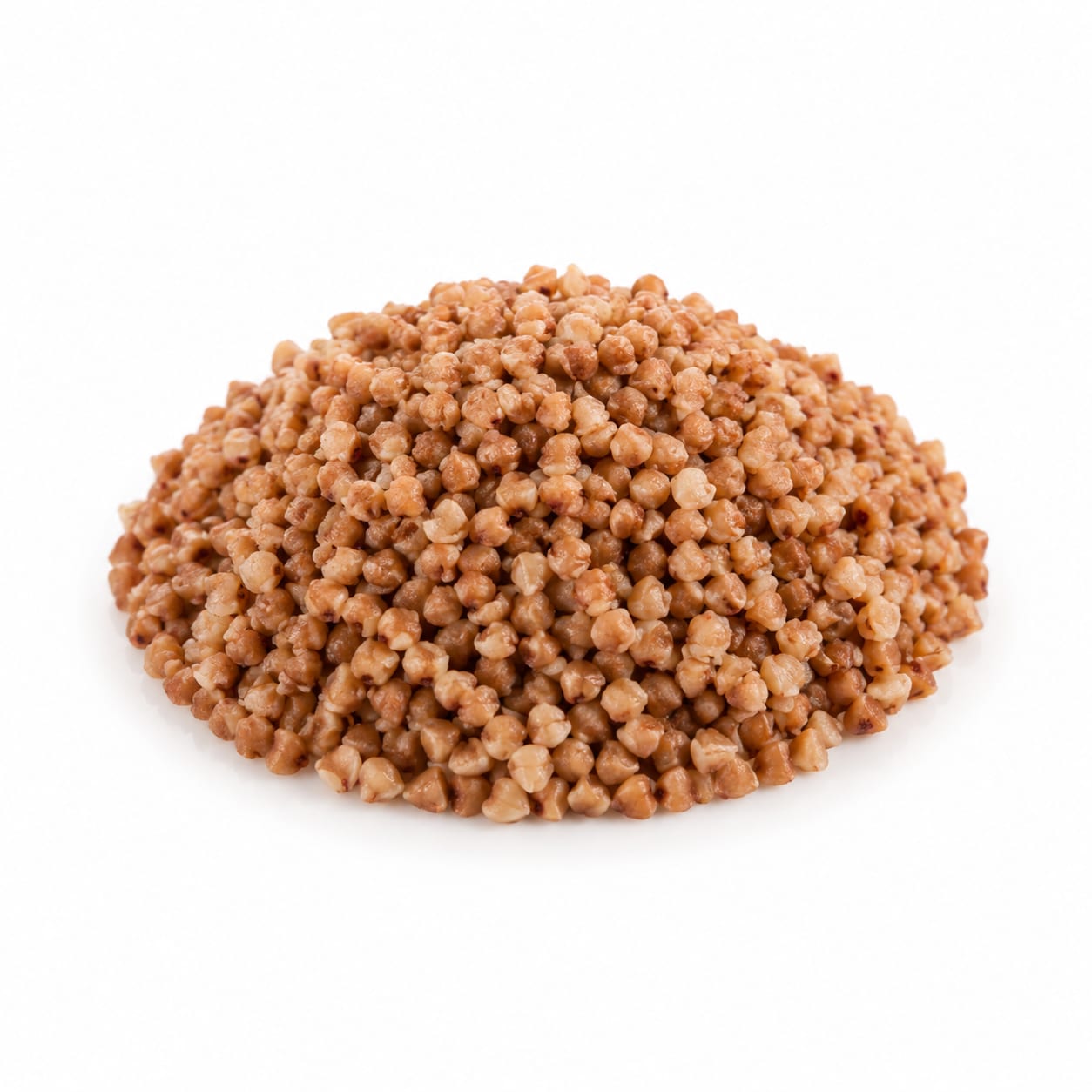
Buckwheat
Quinoa delivers complete protein and culinary versatility, while Buckwheat excels at blood sugar control and heart health.
Buckwheat slightly edges out Quinoa due to its superior blood sugar stability and unique heart-healthy antioxidants, though Quinoa's complete protein keeps it highly competitive.
Superior protein completeness versus better vascular and metabolic benefits.
At a glance
Executive summary
Overall
It depends
Healthier
It depends
More practical
Quinoa
Daily use
It depends
Key comparison lenses
Plant-based protein quality
Both are pseudo-cereals popular among vegans and vegetarians, but their amino acid profiles differ significantly.
Blood sugar management
Buckwheat is renowned for its low glycemic index and blood sugar-lowering effects compared to Quinoa.
Heart and vascular health
Buckwheat contains rutin, a unique antioxidant that specifically strengthens blood vessels.
Gluten-free dietary suitability
Both are naturally gluten-free, making them staples for those with celiac disease or gluten sensitivity.
Best choice for
Quinoa
- Plant-based athletes needing complete protein
- People wanting a neutral-tasting rice substitute
- Families with picky eaters
Buckwheat
- People managing blood sugar or diabetes
- Those focusing on cardiovascular health
- Fans of earthy, robust flavors
Least suitable for
Quinoa
- People sensitive to saponins who dislike rinsing grains
- Those on a very tight grocery budget
Buckwheat
- People who dislike strong earthy flavors
- Those looking for a high-protein grain replacement
Deep comparison
Dimension by dimension
Each lens scores both foods and breaks down who each option suits.
- Dimension 1 · Priority 90Quinoa
Protein Quality & Muscle Support
Quinoa · 88Buckwheat · 72Quinoa is one of the few plant foods with all essential amino acids, making it a superior protein source.
Tradeoff
You get more usable protein from Quinoa, but Buckwheat still offers a respectable amount with a focus on lysine.
Why it matters
Complete proteins are crucial for muscle repair and satiety, especially on plant-based diets.
Real-world impact
Eating Quinoa after a workout or in a salad keeps you full longer and supports muscle recovery better than Buckwheat.
Quinoa
- Vegans and vegetarians
- Athletes and active individuals
Better for
- People on very high-protein diets needing animal sources
Worse for
Buckwheat
- Those getting protein from other varied sources
Better for
- Those relying on a single grain for their protein intake
Worse for
- Dimension 2 · Priority 85Buckwheat
Blood Sugar & Energy Stability
Quinoa · 75Buckwheat · 88Buckwheat has a lower glycemic index and more resistant starch, leading to steadier energy.
Tradeoff
Quinoa provides good energy but digests slightly faster, while Buckwheat prevents the afternoon crash more effectively.
Why it matters
Stable blood sugar means fewer cravings and more consistent focus throughout the day.
Real-world impact
A Buckwheat lunch keeps your energy stable until dinner, whereas Quinoa might leave you hunting for a snack an hour earlier.
Quinoa
- Pre-workout quick energy
Better for
- Those needing strict glycemic control
Worse for
Buckwheat
- Diabetics
- People prone to afternoon energy crashes
Better for
- Those needing immediate pre-workout carbs
Worse for
- Dimension 3 · Priority 80Buckwheat
Heart & Vascular Health
Quinoa · 72Buckwheat · 90Buckwheat is rich in rutin, a unique antioxidant that strengthens blood vessels and improves circulation.
Tradeoff
Quinoa offers heart-healthy fats and magnesium, but Buckwheat's rutin gives it a distinct cardiovascular edge.
Why it matters
Strong blood vessels and good circulation are foundational for long-term heart health and blood pressure management.
Real-world impact
Regularly eating Buckwheat can subtly support healthy blood pressure and reduce leg swelling or varicose vein risk.
Quinoa
- Those needing anti-inflammatory fats
Better for
- Those specifically seeking vascular support
Worse for
Buckwheat
- People with hypertension
- Those concerned about varicose veins or circulation
Better for
- People who need more omega-3 fats in their diet
Worse for
- Dimension 4 · Priority 75It depends
Digestive Tolerance & Gut Health
Quinoa · 78Buckwheat · 80Both are gluten-free and high in fiber, but Quinoa's saponins can irritate if unrinsed, while Buckwheat's resistant starch feeds gut bacteria.
Tradeoff
Quinoa requires thorough rinsing to avoid stomach upset, whereas Buckwheat is naturally gentle but high fiber can cause gas if introduced too fast.
Why it matters
Good digestion means you actually absorb the nutrients and feel comfortable after meals.
Real-world impact
If you forget to rinse Quinoa, it tastes bitter and might upset your stomach; Buckwheat is more forgiving but might cause bloating if you eat a huge portion suddenly.
Quinoa
- Those wanting a lighter fiber load
Better for
- People sensitive to saponins
Worse for
Buckwheat
- Those looking to boost microbiome diversity with resistant starch
Better for
- People with severe IBS who struggle with resistant starch
Worse for
- Dimension 5 · Priority 70Quinoa
Culinary Versatility & Convenience
Quinoa · 85Buckwheat · 75Quinoa has a mild, fluffy texture that works in almost any dish, while Buckwheat has a strong earthy flavor that dominates recipes.
Tradeoff
Quinoa seamlessly replaces rice or couscous, but Buckwheat's bold taste limits what it pairs well with.
Why it matters
You'll eat healthy food more often if it easily fits into your favorite recipes without hijacking the flavor.
Real-world impact
You can toss Quinoa into a salad, soup, or bowl without thinking twice; Buckwheat really only shines in robust dishes or traditional recipes like kasha or soba.
Quinoa
- Meal preppers
- Families with picky eaters
Better for
- People bored with bland grains
Worse for
Buckwheat
- Adventurous cooks
- Fans of earthy, robust flavors
Better for
- Those who dislike strong-tasting grains
Worse for
Timeline
Health impact over time
Short-term
Hours to days
Quinoa
- Quick, satisfying energy from complex carbs
- Potential stomach irritation if saponins aren't washed off
Buckwheat
- Very stable, crash-free energy
- High satiety from dense fiber and resistant starch
Long-term
Months to years
Quinoa
- Better muscle maintenance from complete protein
- Supports overall balanced nutrition
Buckwheat
- Improved blood vessel health from rutin
- Better long-term blood sugar regulation
Risk profile
Safety & processing
Both Quinoa and Buckwheat are whole, naturally gluten-free seeds prepared with minimal processing.
Quinoa
Saponin irritation
lowNaturally occurring saponins on Quinoa can cause digestive upset and a bitter taste if not rinsed thoroughly before cooking.
Buckwheat
Cross-contamination with gluten
mediumBuckwheat is naturally gluten-free, but commercial processing often handles wheat, making cross-contamination a risk for celiacs.
Who wins for whom
Audience fit
Same foods, different winners depending on your goal.
children
QuinoaQuinoa's milder flavor and fluffy texture are much easier for kids to accept than Buckwheat's strong earthy taste.
daily consumption
It dependsQuinoa is better for daily protein needs, while Buckwheat is better for daily metabolic and cardiovascular support; rotating both is ideal.
diabetes
BuckwheatBuckwheat has a lower glycemic index and helps improve insulin sensitivity.
elderly
BuckwheatBuckwheat's rutin supports vascular health and blood pressure, which are common concerns in aging.
muscle gain
QuinoaQuinoa provides a complete amino acid profile, which is essential for muscle repair and growth.
weight loss
BuckwheatBuckwheat's resistant starch and lower glycemic index keep you fuller longer with fewer cravings.
Your move
Decision guide
Choose Quinoa
- You eat a plant-based diet and need reliable complete protein
- You want a neutral grain that easily substitutes for rice or pasta
- You are feeding kids or picky eaters
Choose Buckwheat
- You want to manage blood sugar or prevent energy crashes
- You are focused on heart health and improving circulation
- You enjoy robust, earthy flavors in your meals
Either works if
- You need a gluten-free alternative to wheat
- You want to increase your whole grain and fiber intake
Avoid both if
- You are on a strict ketogenic or very low-carb diet
- You have severe digestive issues that make high-fiber foods painful
Final recommendation
Let your primary goal guide you: choose Quinoa for protein and versatility, or Buckwheat for blood sugar and heart health. Rotating both gives you the best of both worlds without having to compromise.
Practical
Consumer tips
- 1
Always rinse Quinoa under cold water for 30 seconds to remove bitter saponins.
- 2
Toast Buckwheat groats in a dry pan before boiling to enhance their nutty flavor and reduce mushiness.
- 3
If buying Buckwheat for celiac disease, always look for a certified gluten-free label to avoid cross-contamination.
- 4
Cook a big batch of Quinoa on Sunday to easily add protein to salads and bowls all week.