
Nutrition comparison
Oats vs Quinoa: Which is Healthier for You?
Compare oats and quinoa on protein, fiber, gluten, and weight loss. Find out which grain is better for your health goals and daily diet.
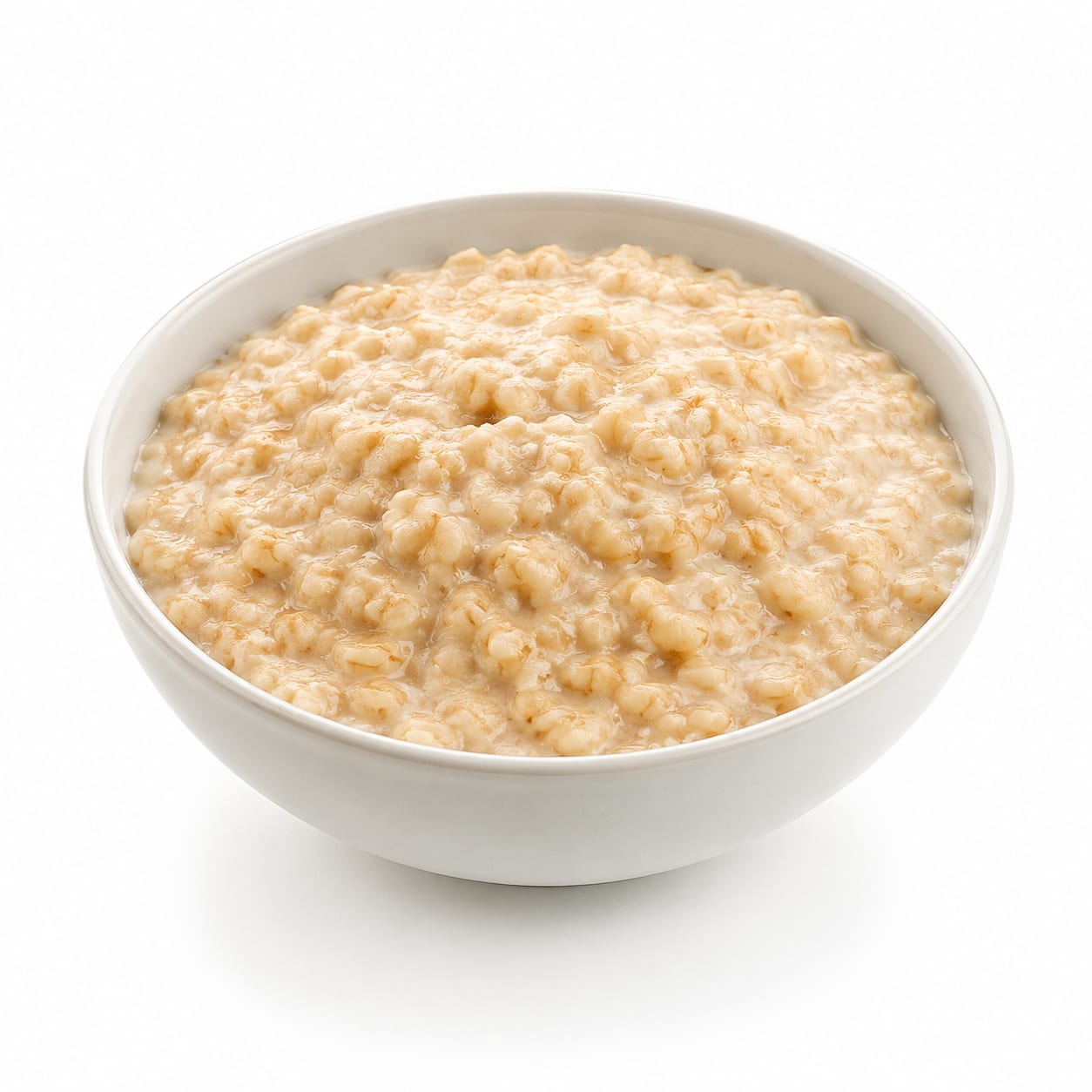
Oats
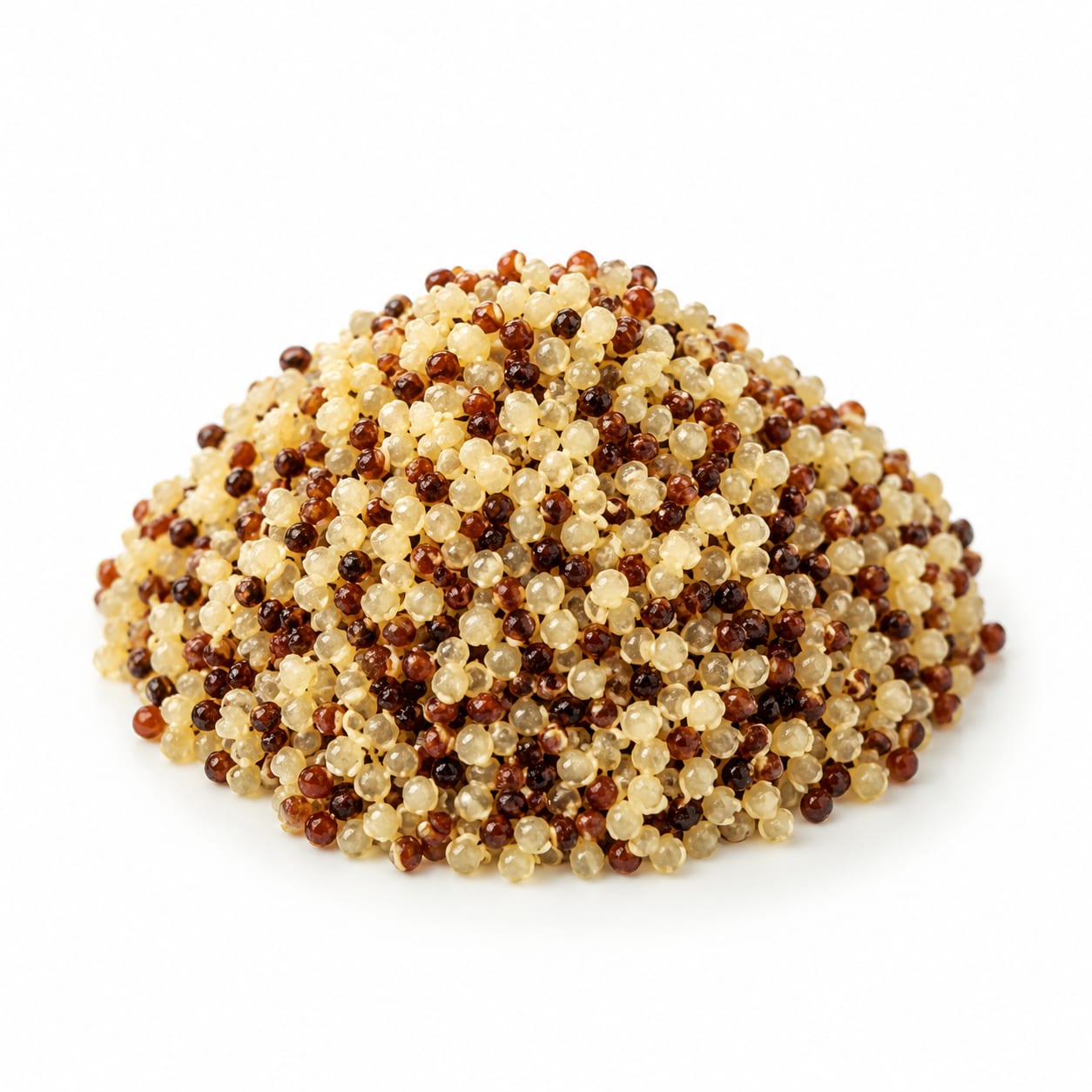
Quinoa
Quinoa wins on protein quality and gluten-free versatility, while oats dominate for heart health and comforting breakfast value.
Quinoa edges ahead due to its complete amino acid profile and gluten-free nature, but oats remain a powerhouse for cardiovascular health and daily affordability.
Complete protein and gluten-free confidence in quinoa versus the cholesterol-lowering fiber and cozy convenience of oats.
At a glance
Executive summary
Overall
It depends
Healthier
It depends
More practical
Oats
Daily use
Oats
Key comparison lenses
Complete protein vs specialty fiber
Quinoa offers a rare complete plant protein, while oats provide unique beta-glucan fiber for heart health.
Gluten-free safety
Quinoa is naturally gluten-free, whereas oats carry cross-contamination risks and contain avenin.
Meal timing versatility
Oats are culturally locked to breakfast, while quinoa easily transitions across all meals.
Best choice for
Oats
- Lowering cholesterol naturally
- Budget-friendly meal prep
- Baking and warm breakfasts
Quinoa
- Gluten-free diets
- High-protein plant-based meals
- Lunch and dinner grain bowls
Least suitable for
Oats
- Celiac disease or severe gluten sensitivity
- High-protein low-carb diets
Quinoa
- Tight grocery budgets
- People sensitive to saponins
Deep comparison
Dimension by dimension
Each lens scores both foods and breaks down who each option suits.
- Dimension 1 · Priority 90It depends
Satiety & Fullness
Oats · 85Quinoa · 86Both keep you full, but through different mechanisms—oats via viscous fiber, quinoa via higher protein.
Tradeoff
Oats feel heavier and more comforting in the stomach, while quinoa provides longer-lasting satiety from protein.
Why it matters
Staying full prevents snacking and overeating later in the day.
Real-world impact
A bowl of oatmeal sticks to your ribs all morning; a quinoa bowl keeps hunger away without feeling overly heavy.
Oats
- Comforting, heavy fullness
- Cold morning satisfaction
Better for
- Can feel too heavy before a workout
Worse for
Quinoa
- Sustained energy without the heavy feeling
- Post-workout recovery meals
Better for
- Less comforting when you want a warm, cozy meal
Worse for
- Dimension 2 · Priority 92Oats
Blood Sugar Stability
Oats · 88Quinoa · 82Oats' beta-glucan forms a gel that slows digestion, giving them a slight edge for steady blood sugar.
Tradeoff
Quinoa has a lower glycemic index but less viscous fiber, meaning oats still create a slower, steadier glucose release.
Why it matters
Stable blood sugar means fewer energy crashes and cravings.
Real-world impact
Oatmeal gives you a smooth energy ride to lunch; quinoa is still steady but slightly less dramatic in its blood sugar control.
Oats
- Preventing mid-morning energy crashes
- Insulin resistance management
Better for
- Large portions can still spike blood sugar if overloaded with sweeteners
Worse for
Quinoa
- Lighter meals where you don't want to feel sluggish
Better for
- Lacks specialized fiber for glucose regulation
Worse for
- Dimension 3 · Priority 88Quinoa
Protein Quality & Muscle Support
Oats · 65Quinoa · 90Quinoa is a rare plant-based complete protein, while oats fall short on certain amino acids.
Tradeoff
You get significantly more protein per calorie from quinoa, making it far superior for muscle repair and plant-based diets.
Why it matters
Complete proteins are essential for muscle maintenance, especially if you eat little to no meat.
Real-world impact
Quinoa easily serves as the protein anchor of a vegan bowl; oats usually need protein powder or Greek yogurt added to match.
Oats
- Casual breakfasts where protein isn't the priority
Better for
- Relies on pairing to make a complete protein profile
Worse for
Quinoa
- Vegan and vegetarian diets
- Post-workout muscle recovery
- Balancing a grain bowl
Better for
- More expensive as a daily protein source
Worse for
- Dimension 4 · Priority 94Oats
Heart Health & Cholesterol
Oats · 95Quinoa · 75Oats are the gold standard for cholesterol reduction thanks to beta-glucan fiber.
Tradeoff
Quinoa has heart-healthy fats and antioxidants, but it cannot compete with the clinically proven cholesterol-lowering power of oats.
Why it matters
High cholesterol is a silent risk factor for heart disease.
Real-world impact
Eating oats daily can meaningfully lower your LDL cholesterol numbers; quinoa supports heart health generally but isn't a targeted therapy.
Oats
- Actively lowering LDL cholesterol
- Improving arterial health
Better for
- Not a significant source of healthy fats
Worse for
Quinoa
- Reducing inflammation via antioxidants
Better for
- Lacks the specific fiber needed to actively lower cholesterol
Worse for
- Dimension 5 · Priority 85Quinoa
Digestive Tolerance & Allergens
Oats · 70Quinoa · 88Quinoa is naturally gluten-free, while oats are frequently cross-contaminated and contain avenin, which bothers some with celiac disease.
Tradeoff
Oats are generally easy to digest for most, but the gluten issue makes quinoa the safer bet for sensitive guts.
Why it matters
Hidden gluten or cross-contamination can cause serious digestive distress for sensitive individuals.
Real-world impact
If you have celiac or gluten sensitivity, quinoa is a worry-free grain; oats require seeking out certified gluten-free versions.
Oats
- People without gluten concerns who want gentle, soothing fiber
Better for
- Risk of cross-contamination
- Avenin sensitivity
Worse for
Quinoa
- Celiac disease
- Gluten intolerance
- Elimination diets
Better for
- Unrinsed quinoa contains bitter saponins that cause stomach upset
Worse for
- Dimension 6 · Priority 78Quinoa
Versatility & Practicality
Oats · 78Quinoa · 85Oats are breakfast royalty, but quinoa seamlessly transitions from morning porridge to dinner grain bowls.
Tradeoff
Oats are cheaper and faster as a hot cereal, but quinoa works in salads, soups, and as a rice substitute.
Why it matters
A versatile ingredient prevents meal boredom and makes healthy eating easier to sustain.
Real-world impact
You can meal-prep quinoa for any meal of the day; oats mostly lock you into sweet breakfasts or baking.
Oats
- Quick overnight oats
- Budget meal prep
- Baking
Better for
- Weird as a savory dinner side dish
Worse for
Quinoa
- Savory lunch and dinner bowls
- Cold salads
- Stuffing vegetables
Better for
- More expensive for daily bulk eating
Worse for
Timeline
Health impact over time
Short-term
Hours to days
Oats
- Immediate feeling of warmth and comfort
- Steady energy for 3-4 hours
- May cause bloating if you aren't used to high fiber
Quinoa
- Light but satisfied feeling
- Good post-workout recovery
- Bitter taste or stomach upset if not rinsed properly
Long-term
Months to years
Oats
- Lower LDL cholesterol
- Improved gut health from prebiotic fiber
- Potential nutrient absorption issues from phytic acid if not soaked
Quinoa
- Better muscle maintenance on plant-based diets
- Reduced inflammation from quercetin and kaempferol
- Easier long-term adherence to gluten-free diets
Risk profile
Safety & processing
Both are whole foods in their natural state. Steel-cut oats are the least processed form, while whole quinoa requires only rinsing before cooking.
Oats
Gluten cross-contamination
highOats are frequently grown and processed alongside wheat, making them unsafe for celiacs unless certified gluten-free.
Phytic acid
lowCan bind to minerals like iron and zinc, reducing absorption. Soaking helps mitigate this.
Quinoa
Saponin residue
mediumNaturally occurring bitter compounds on the seed coating can cause digestive upset if quinoa isn't rinsed thoroughly before cooking.
Who wins for whom
Audience fit
Same foods, different winners depending on your goal.
children
OatsOatmeal is sweeter, easier to chew, and more comforting for kids, while quinoa's texture and bitter notes can be a hard sell.
daily consumption
OatsOats are significantly cheaper and easier to prepare daily, making them a more sustainable staple for most households.
diabetes
OatsThe beta-glucan fiber in oats is clinically proven to improve insulin sensitivity and slow glucose absorption better than quinoa.
elderly
OatsOats are easier to chew, gentle on the stomach, and provide crucial cholesterol-lowering benefits that become more important with age.
muscle gain
QuinoaQuinoa provides a complete protein profile with more amino acids per serving, making it superior for muscle repair and growth.
weight loss
It dependsOats' beta-glucan keeps you fuller longer for fewer calories, but quinoa's higher protein helps preserve lean muscle during a calorie deficit.
Your move
Decision guide
Choose Oats
- You want to lower your cholesterol
- You need a budget-friendly, comforting breakfast
- You are focused on improving insulin sensitivity
- You want a gentle, easy-to-digest morning meal
Choose Quinoa
- You follow a gluten-free or celiac diet
- You need more plant-based complete protein
- You want a grain that works for lunch and dinner
- You are building grain bowls or savory salads
Either works if
- You want a healthy whole grain carb source
- You are meal-prepping for the week
- You need steady energy for a busy day
Avoid both if
- You are on a strict ketogenic or very low-carb diet
- You have severe grain sensitivities that trigger both
Final recommendation
Keep both in your pantry. Use oats for heart-healthy, budget-friendly breakfasts, and rely on quinoa for protein-packed, gluten-free lunches and dinners. If you must choose one for daily use, oats offer more value for the cost, while quinoa offers more nutritional completeness.
Practical
Consumer tips
- 1
Always buy certified gluten-free oats if you have any gluten sensitivity.
- 2
Rinse quinoa thoroughly in a fine-mesh strainer for 30 seconds to remove bitter saponins.
- 3
Soak oats overnight to reduce phytic acid and make them easier to digest.
- 4
Cook quinoa in broth instead of water for a flavor boost without added effort.
- 5
Add a scoop of protein powder to oatmeal to match quinoa's muscle-building benefits.