
Nutrition comparison
Quinoa vs Farro: Which Ancient Grain Is Better for You?
Complete comparison of quinoa and farro covering protein quality, gluten content, fiber, satiety, and cooking convenience. Find out which grain fits your diet best.
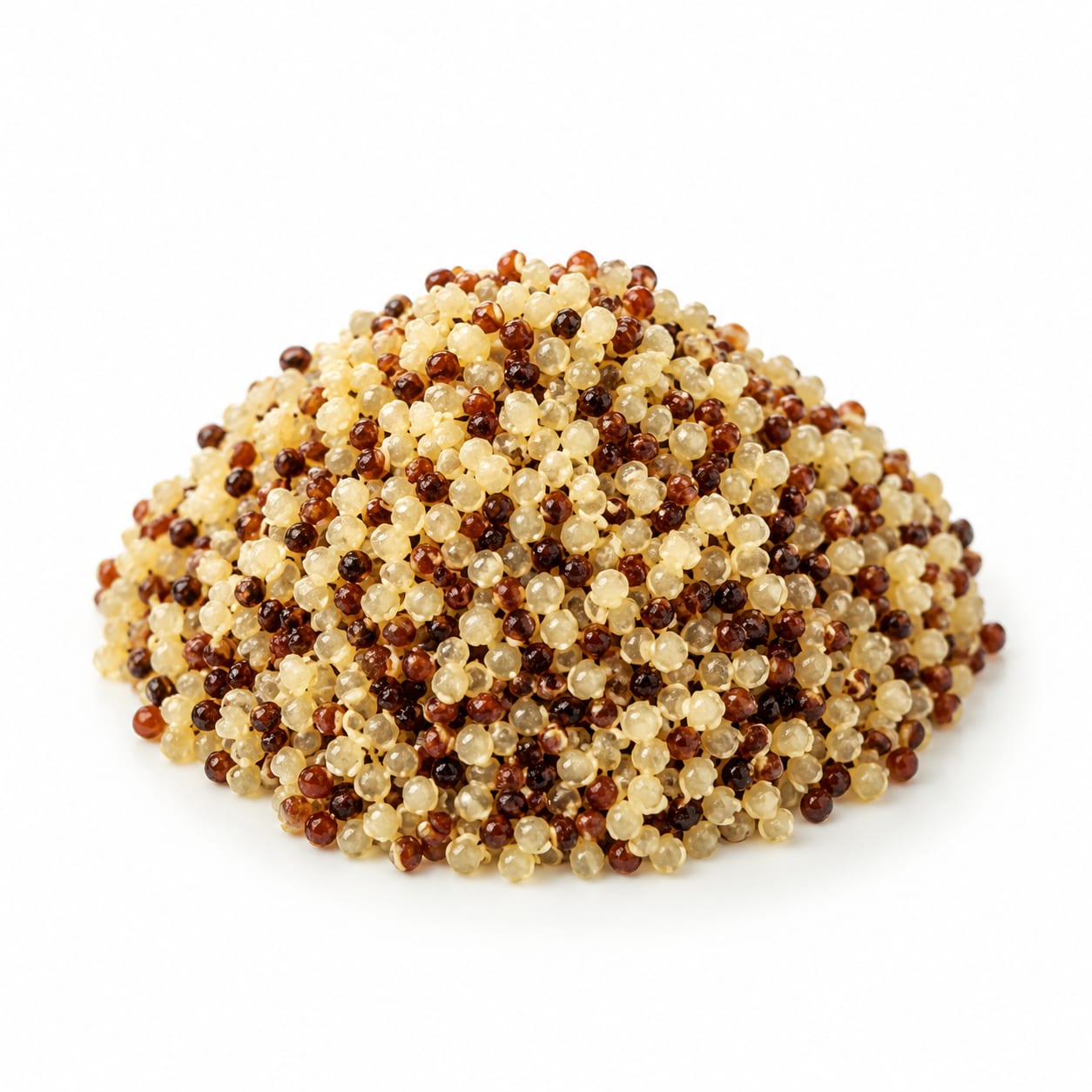
Quinoa
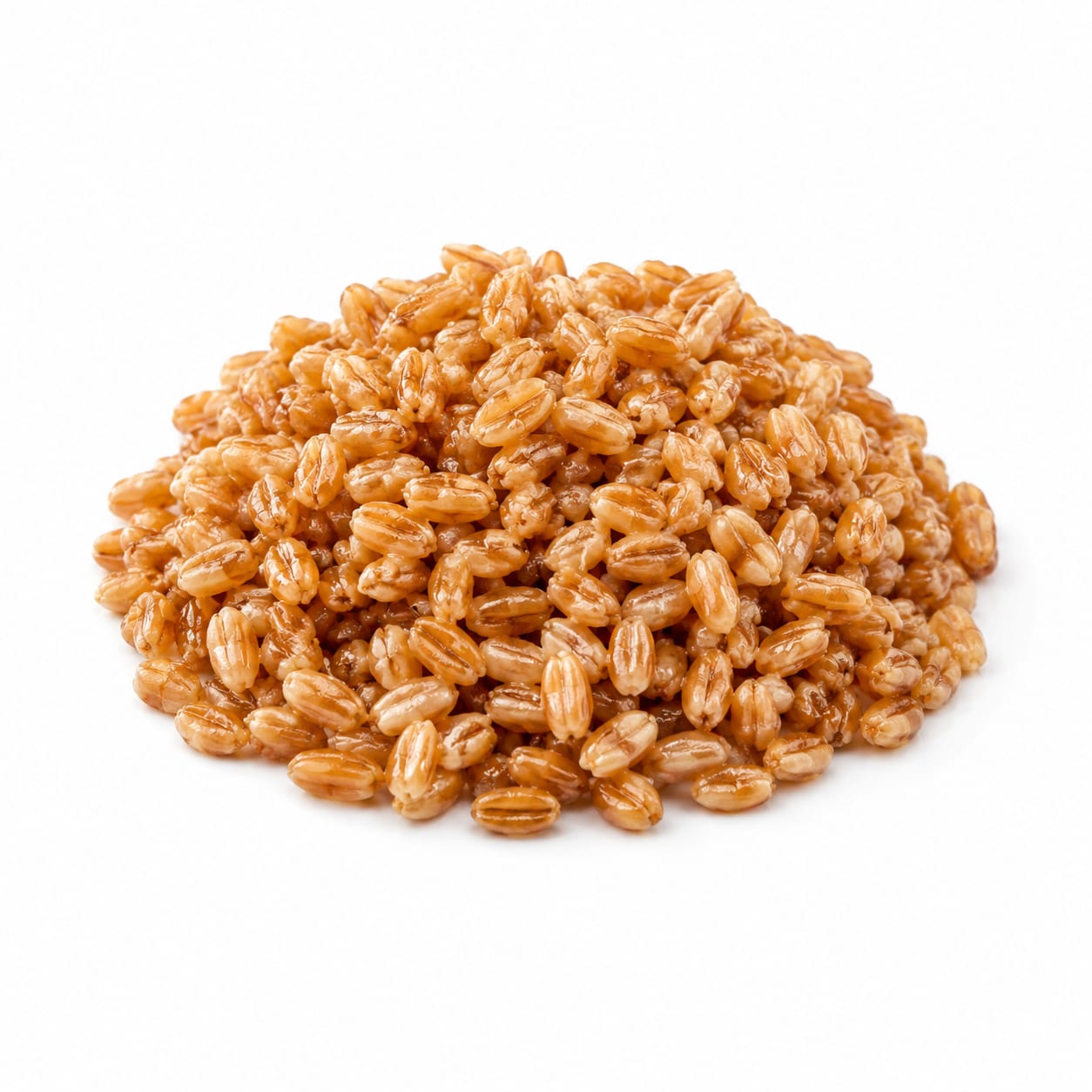
Farro
Quinoa wins on protein quality and gluten-free versatility; Farro wins on satiety, fiber, and that deeply satisfying chew that keeps you full longer.
Quinoa edges ahead slightly due to its complete protein and gluten-free status, which broadens its suitability. Farro is nutritionally competitive and arguably more satisfying to eat, but gluten content excludes a meaningful portion of the population.
Complete protein and gluten freedom versus richer fiber content and a more filling, comforting eating experience.
At a glance
Executive summary
Overall
It depends
Healthier
It depends
More practical
Quinoa
Daily use
It depends
Key comparison lenses
gluten tolerance and digestive compatibility
Quinoa is naturally gluten-free while Farro contains gluten, making this the single most decisive factor for many consumers
protein quality for plant based diets
Quinoa offers a complete amino acid profile, rare among plant foods, while Farro does not
satiety and meal satisfaction
Farro's chewy texture and dense fiber make it noticeably more filling, which matters for portion control and weight management
cooking convenience and weeknight practicality
Both take longer than white rice but differ in cook time and prep requirements, affecting real-world use
blood sugar management
Both are whole grains with moderate glycemic loads, but fiber type differences matter for glucose stability
Best choice for
Quinoa
- Anyone with celiac disease or gluten sensitivity
- Vegans needing complete protein from a single grain
- Meal preppers wanting faster cook times
- People managing autoimmune conditions requiring gluten elimination
Farro
- Athletes needing long-lasting satiety from meals
- People who find light grains unsatisfying and overeat as a result
- Mediterranean diet followers wanting authentic grain options
- Anyone prioritizing gut health through diverse fiber intake
Least suitable for
Quinoa
- People with quinoa sensitivity or saponin intolerance
- Those who find light grains unsatisfying and end up snacking later
- Budget-conscious shoppers (quinoa is typically pricier per serving)
Farro
- Anyone with celiac disease or non-celiac gluten sensitivity
- Low-calorie dieters finding it easy to overconsume calorie-dense grains
- People with wheat allergies
Deep comparison
Dimension by dimension
Each lens scores both foods and breaks down who each option suits.
- Dimension 1 · Priority 92Quinoa
protein_quality_and_completeness
Quinoa · 90Farro · 62Quinoa is one of the rare plant foods providing all nine essential amino acids in adequate ratios. Farro lacks sufficient lysine, making it an incomplete protein.
Tradeoff
Farro pairs well with legumes to fill its lysine gap, but that requires planning. Quinoa delivers complete protein without any combining strategy.
Why it matters
For plant-based eaters, getting complete protein from a single food simplifies meal design and reduces the mental load of amino acid combining.
Real-world impact
A quinoa bowl with vegetables gives you solid protein coverage in one dish. A farro bowl needs chickpeas or lentils added to hit the same amino acid marks.
Quinoa
- Vegans and vegetarians
- Single-dish meal builders
- Anyone not pairing grains with legumes regularly
Better for
- No significant downside here — quinoa wins this dimension clearly
Worse for
Farro
- Omnivores already eating lysine-rich animal protein at the same meal
Better for
- Plant-based eaters relying on it as a sole protein source
- Anyone eating grain-only snacks without complementary proteins
Worse for
- Dimension 2 · Priority 95Quinoa
gluten_and_digestive_tolerance
Quinoa · 95Farro · 30Quinoa is naturally gluten-free. Farro is an ancient wheat species containing gluten, unsafe for anyone with celiac disease or significant gluten sensitivity.
Tradeoff
Farro's gluten contributes to its desirable chewy, elastic texture that many people find more satisfying. Quinoa is softer and fluffier, which some find less filling.
Why it matters
Roughly 6-7% of the population has some form of gluten sensitivity, and for celiac patients even trace gluten causes intestinal damage.
Real-world impact
If you have any gluten reactivity, Farro is simply off the table. Quinoa works as a universal grain substitute at dinner parties and potlucks where guests' tolerances are unknown.
Quinoa
- Celiac patients
- People with non-celiac gluten sensitivity
- Hosts cooking for groups with unknown dietary needs
Better for
- Those who find quinoa's saponins irritating if not rinsed properly
Worse for
Farro
- People without any gluten issues who prefer wheat's texture and flavor
Better for
- Anyone with celiac disease
- People with wheat allergies
- Those experiencing bloating or brain fog from gluten
Worse for
- Dimension 3 · Priority 84Farro
satiety_and_fullness
Quinoa · 68Farro · 86Farro's dense chew and higher fiber content per serving make it noticeably more filling. Quinoa is lighter and fluffier, which can leave you hungry sooner.
Tradeoff
That satisfying fullness from Farro comes with more calories per cup. Quinoa's lighter profile works better for smaller appetites or calorie-controlled plans.
Why it matters
If a grain does not keep you full, you end up snacking — which undermines any nutritional advantage it had on paper.
Real-world impact
A farro lunch bowl at noon often holds you until dinner. A quinoa salad at noon might have you reaching for almonds by 3 PM.
Quinoa
- Smaller appetites
- Calorie-counting dieters
- Light lunch preferences
Better for
- Grazers and snackers who find it does not hold them
- Active people needing sustained energy release
Worse for
Farro
- Big appetites needing lasting fullness
- Athletes with high energy demands
- Anyone tired of feeling hungry an hour after eating whole grains
Better for
- Those who find heavy meals cause afternoon sluggishness
- Calorie-restricted eaters
Worse for
- Dimension 4 · Priority 80Farro
fiber_content_and_gut_health
Quinoa · 70Farro · 84Whole farro delivers roughly 7-8g of fiber per cooked cup versus quinoa's 5g. Farro also provides more insoluble fiber, which specifically supports regular digestion.
Tradeoff
More fiber is generally better, but a sudden jump in insoluble fiber can cause bloating in sensitive individuals. Quinoa's gentler fiber profile is easier on transitioning digestive systems.
Why it matters
Most people get only 15g of fiber daily versus the recommended 25-38g. Choosing higher-fiber grains is an easy lever to pull.
Real-world impact
Swapping quinoa for farro a few times a week can add 4-6g of fiber to your weekly intake without changing anything else about your diet.
Quinoa
- People with sensitive digestion ramping up fiber slowly
- Those recovering from gastrointestinal issues
Better for
- Those already low on fiber who need every gram they can get
Worse for
Farro
- Anyone struggling to hit daily fiber targets
- People wanting better bowel regularity
- Gut microbiome optimization through diverse fiber types
Better for
- People with IBS who react to insoluble fiber
- Anyone rapidly increasing fiber without adequate hydration
Worse for
- Dimension 5 · Priority 72Quinoa
cooking_convenience
Quinoa · 82Farro · 60Quinoa cooks in 15-20 minutes with minimal prep. Whole farro can take 30-40 minutes and often benefits from overnight soaking. Pearled farro cooks faster but loses nutrients.
Tradeoff
Farro's longer cook time develops deeper flavor and texture. Quinoa's speed makes it realistic for weeknight dinners without planning ahead.
Why it matters
The best grain nutritionally is the one you actually cook. If prep time feels like a barrier, convenience becomes a health factor.
Real-world impact
Quinoa is a realistic 6 PM weeknight decision. Whole farro is more of a Sunday meal prep choice unless you buy the pearled variety.
Quinoa
- Weeknight cooks
- Last-minute meal builders
- Beginners learning to cook whole grains
Better for
- Those who find the slightly bitter saponin residue off-putting if not rinsed
Worse for
Farro
- Weekend meal preppers
- Slow cooker and Instant Pot users
- Cooks who enjoy the process as much as the result
Better for
- Busy professionals with limited evening cooking time
- Anyone unwilling to plan grain cooking in advance
Worse for
- Dimension 6 · Priority 68It depends
nutrient_density_beyond_protein_and_fiber
Quinoa · 78Farro · 76Quinoa excels in iron, magnesium, manganese, and unique antioxidants like quercetin and kaempferol. Farro shines with B vitamins, especially niacin, plus zinc and iron.
Tradeoff
Quinoa offers broader micronutrient coverage with notable antioxidants. Farro provides stronger B-vitamin support, which matters for energy metabolism.
Why it matters
Micronutrient gaps accumulate over time. Choosing grains that fill your specific deficiencies is more useful than chasing an abstract 'superfood' label.
Real-world impact
If you are low on iron or magnesium, quinoa is the better contributor. If you need B-vitamin support for energy, farro has the edge.
Quinoa
- People with iron deficiency concerns
- Those wanting antioxidant variety in their grain rotation
- Anyone low in magnesium
Better for
- Those primarily seeking B-vitamin density from grains
Worse for
Farro
- People needing B-vitamin support
- Those wanting zinc for immune function
- Anyone eating a limited diet lacking in niacin-rich foods
Better for
- People wanting antioxidant diversity from their carbohydrate sources
Worse for
Timeline
Health impact over time
Short-term
Hours to days
Quinoa
- Quick energy with moderate glycemic impact
- Possible mild stomach irritation if saponins are not rinsed off
- Lighter post-meal feeling compared to denser grains
Farro
- Longer-lasting fullness reducing between-meal snacking
- Possible bloating if you are sensitive to gluten or ramping up fiber too fast
- Heavier post-meal sensation that some find comforting and others find sluggish
Long-term
Months to years
Quinoa
- Consistent complete protein intake supporting muscle maintenance
- Gluten-free status reducing chronic inflammation risk for sensitive individuals
- Antioxidant compounds contributing to cellular defense over years
Farro
- Superior fiber intake supporting gut microbiome diversity and colorectal health
- B-vitamin contribution to sustained energy metabolism and nervous system function
- Gluten exposure risk for undiagnosed celiac or sensitive individuals causing cumulative damage
Risk profile
Safety & processing
Both quinoa and whole farro are minimally processed ancient grains with no artificial additives. The main distinction is that pearled farro has had its bran partially removed, reducing fiber and nutrients — always choose whole or semi-pearled farro when available.
Quinoa
Saponin residue causing digestive irritation
lowQuinoa's natural saponin coating tastes bitter and can cause stomach upset. Thorough rinsing before cooking eliminates this concern almost entirely.
Cross-contamination with gluten grains during processing
mediumMany quinoa brands are processed on shared equipment with wheat. Celiac patients should seek certified gluten-free quinoa to avoid trace exposure.
Farro
Gluten content unsafe for celiac and sensitive individuals
highFarro is a wheat species containing gluten. Even small amounts trigger autoimmune responses in celiac patients and symptoms in gluten-sensitive individuals.
Cyanogenic glycosides in improperly prepared farro
lowLike many ancient grains, farro contains trace cyanogenic compounds that are neutralized by normal cooking. Not a practical concern with standard preparation.
Who wins for whom
Audience fit
Same foods, different winners depending on your goal.
children
QuinoaQuinoa's softer texture, complete protein, and gluten-free status make it safer and more kid-friendly. Farro's chewiness can be a texture challenge for picky eaters.
daily consumption
It dependsIf you tolerate gluten well, alternating both gives the best nutrient diversity. If gluten is any concern, quinoa is the safe daily choice.
diabetes
It dependsBoth have moderate glycemic loads. Farro's higher fiber slows glucose absorption slightly more, but quinoa's lower calorie density helps with weight management, which is the stronger lever for diabetes control.
elderly
QuinoaOlder adults often have increased gluten sensitivity and digestive changes. Quinoa's gentler fiber profile and gluten-free nature make it the safer default.
muscle gain
QuinoaQuinoa's complete protein profile supports muscle repair more effectively when eaten as a standalone grain. Farro needs legume pairing to match amino acid coverage.
weight loss
It dependsQuinoa has fewer calories per cup but Farro keeps you full longer. If you snack less after Farro, it may actually support better calorie control despite higher per-cup energy density.
Your move
Decision guide
Choose Quinoa
- You have any gluten sensitivity, celiac disease, or wheat allergy
- You are vegan and want complete protein without combining foods
- You cook on weeknights and need a grain ready in under 20 minutes
- You have digestive issues and need a gentler fiber source
- You cook for groups and cannot verify everyone's gluten tolerance
Choose Farro
- You tolerate gluten well and find lighter grains unsatisfying
- You want maximum fiber and gut health benefits from your grain choice
- You follow a Mediterranean diet and want an authentic ancient wheat
- You are an athlete needing long-lasting satiety from meals
- You enjoy the cooking process and do not mind longer prep times
Either works if
- You tolerate gluten and want to rotate grains for nutrient diversity
- You are an omnivore already getting complete protein from other sources
- You enjoy both textures and want variety in your weekly meals
Avoid both if
- You are on a strict low-carb or ketogenic diet
- You have grain sensitivities beyond gluten that trigger inflammation
- You are severely calorie-restricted and need lower-energy carbohydrate sources
Final recommendation
Keep both in your pantry and rotate them. Use quinoa on busy weeknights and when cooking for mixed dietary needs. Use farro on weekends when you want a deeply satisfying, fiber-rich base for grain bowls. If you must pick one, quinoa's gluten-free status and complete protein make it the more universally safe choice — but farro's satiety advantage is real and should not be dismissed if gluten is not a concern for you.
Practical
Consumer tips
- 1
Always rinse quinoa under cold water for 30 seconds before cooking to remove bitter saponins — this single step transforms the taste
- 2
Buy whole farro over pearled farro whenever possible — the bran layer holds most of the fiber and B vitamins you are choosing farro for
- 3
If farro's cook time deters you, soak it overnight in the fridge — it cuts cooking time nearly in half and improves digestibility
- 4
For celiac safety, look for quinoa labeled certified gluten-free, as cross-contamination during processing is common
- 5
Toast either grain in a dry pan for 2-3 minutes before adding liquid — this deepens flavor significantly with zero extra effort
- 6
Mix them together for a complete protein grain blend with varied texture — cook separately and combine, since they have different cook times