
Nutrition comparison
Quinoa vs Brown Rice: Which Grain is Healthier?
Compare Quinoa vs Brown Rice for protein, blood sugar impact, cost, and arsenic risk. Discover which whole grain is best for your diet and lifestyle.
Overall winner · Quinoa
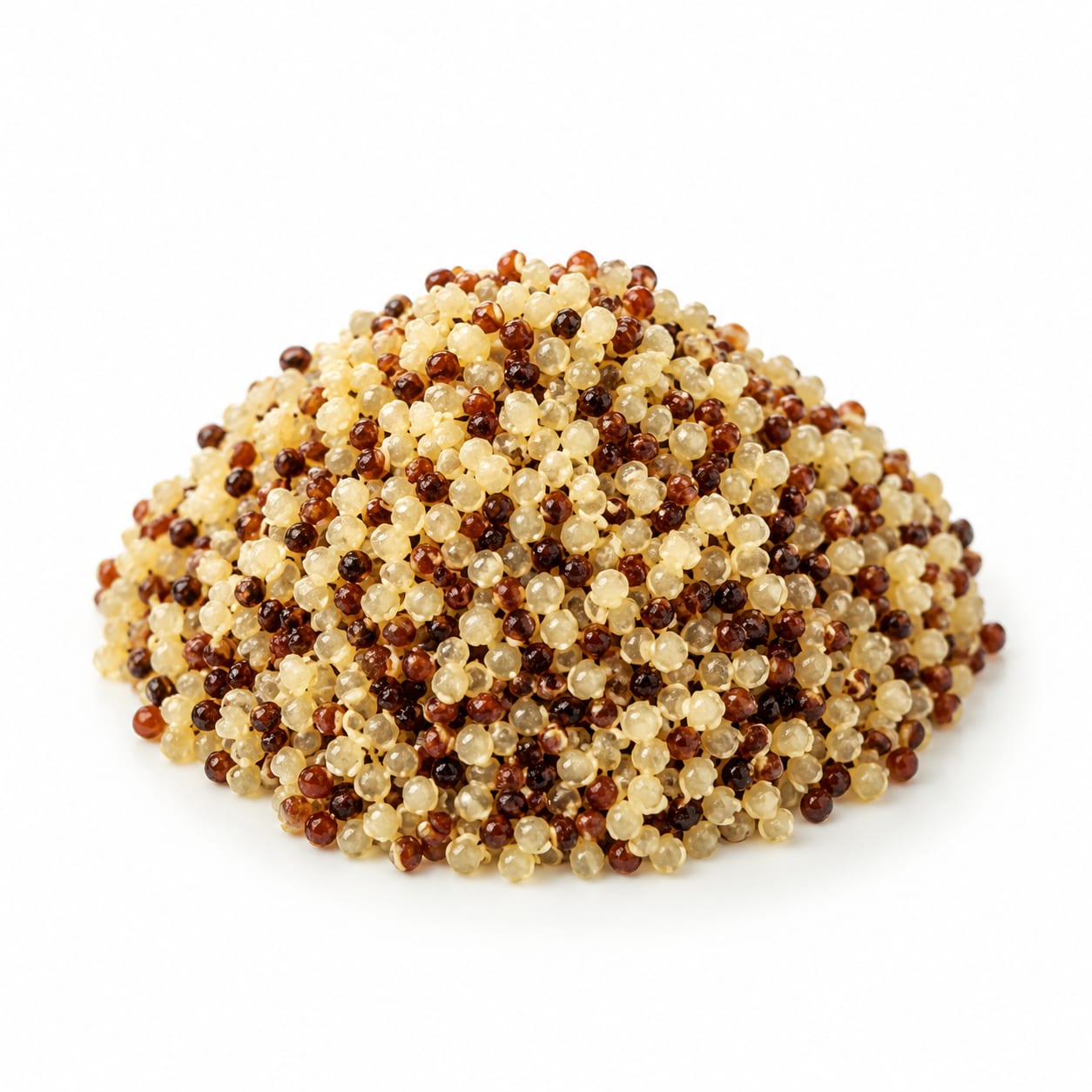
Quinoa
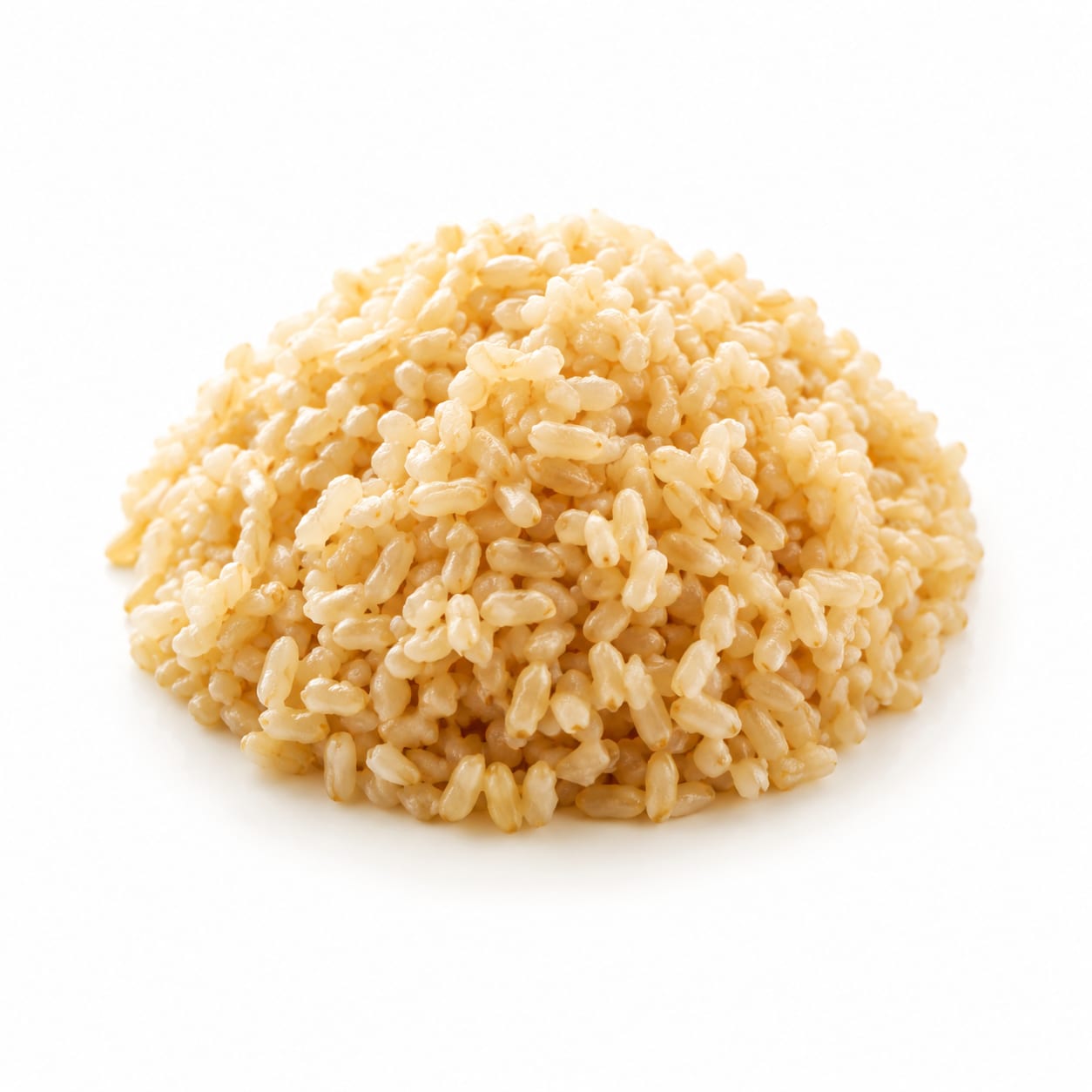
Brown Rice
Quinoa offers superior protein and micronutrients, but Brown Rice remains a solid, budget-friendly whole grain.
Quinoa scores higher due to its complete amino acid profile and richer micronutrient content, though Brown Rice remains a highly respectable whole grain choice.
Nutritional density and complete protein versus cost-effectiveness and mild flavor.
At a glance
Executive summary
Overall
Quinoa
Healthier
Quinoa
More practical
Brown Rice
Daily use
It depends
Key comparison lenses
Protein quality and completeness
Quinoa is a rare plant-based complete protein, while Brown Rice lacks some essential amino acids.
Cost and everyday practicality
Brown Rice is significantly cheaper, making it a staple for budget-conscious households.
Blood sugar management
Both are whole grains, but their glycemic impacts differ enough to matter for diabetics.
Heavy metal and contaminant exposure
Brown Rice tends to accumulate arsenic, a concern for daily consumers.
Best choice for
Quinoa
- Vegetarians needing complete protein
- People prioritizing nutrient density per calorie
- Those managing blood sugar spikes
Brown Rice
- Budget-conscious families
- People eating large volumes of grains
- Those who find Quinoa's texture or bitterness unappealing
Least suitable for
Quinoa
- Very tight grocery budgets
- People sensitive to saponins who dislike rinsing grains
Brown Rice
- Those needing high protein from carb sources
- People highly concerned about arsenic exposure
Deep comparison
Dimension by dimension
Each lens scores both foods and breaks down who each option suits.
- Dimension 1 · Priority 95Quinoa
Protein & Satiety
Quinoa · 90Brown Rice · 65Quinoa provides notably more protein and contains all nine essential amino acids, making it far more filling.
Tradeoff
You pay a premium for Quinoa's complete protein, while Brown Rice offers less protein but at a fraction of the cost.
Why it matters
A complete protein helps maintain muscle and keeps you full longer, reducing the urge to snack between meals.
Real-world impact
A Quinoa bowl will likely keep you satisfied until your next meal, whereas a Brown Rice bowl might leave you hunting for a snack an hour sooner.
Quinoa
- Muscle maintenance
- Staying full between meals
- Plant-based diets
Better for
- Cost per gram of protein is higher
Worse for
Brown Rice
- Eating on a strict budget
- Bulking up meals cheaply
Better for
- Requires pairing with beans or legumes to form a complete protein
Worse for
- Dimension 2 · Priority 85Quinoa
Blood Sugar Stability
Quinoa · 82Brown Rice · 72Quinoa has a lower glycemic index, causing a slower, steadier rise in blood sugar compared to Brown Rice.
Tradeoff
Quinoa offers slightly better blood sugar control, but Brown Rice is still a massive upgrade over white rice.
Why it matters
Steadier blood sugar means fewer afternoon energy crashes and less cravings later in the day.
Real-world impact
Eating Quinoa at lunch makes the 3 PM slump less likely, while Brown Rice might require a protein-rich side to stabilize energy.
Quinoa
- Preventing energy crashes
- Diabetics managing glucose
- Reducing sugar cravings
Better for
- Not a low-carb food, so portion control still needed
Worse for
Brown Rice
- Pre-workout carb loading for endurance
Better for
- Can cause a quicker blood sugar spike if eaten alone
Worse for
- Dimension 3 · Priority 80Quinoa
Micronutrient Density
Quinoa · 88Brown Rice · 70Quinoa packs more iron, magnesium, and B-vitamins per serving than Brown Rice.
Tradeoff
Quinoa delivers more vitamins and minerals, but Brown Rice is an excellent source of manganese.
Why it matters
Better micronutrient intake supports energy production, immune function, and bone health without needing supplements.
Real-world impact
Choosing Quinoa helps you hit your daily iron and magnesium goals more easily, which is especially helpful for women and athletes.
Quinoa
- Boosting iron intake
- Getting more magnesium for sleep and recovery
- Meeting B-vitamin needs
Better for
- Higher cost per nutrient
Worse for
Brown Rice
- Supporting bone health via manganese
Better for
- Lower overall vitamin and mineral density
Worse for
- Dimension 4 · Priority 90Brown Rice
Cost & Accessibility
Quinoa · 45Brown Rice · 92Brown Rice is one of the most affordable whole grains available, whereas Quinoa is relatively expensive.
Tradeoff
Brown Rice saves significant money over time, making healthy eating more sustainable on a budget.
Why it matters
The healthiest food is the one you can afford to eat consistently.
Real-world impact
Feeding a family of four with Brown Rice is financially stress-free; doing so with Quinoa daily can strain the grocery budget.
Quinoa
- Expensive for large households
- May not be available in small convenience stores
Worse for
Brown Rice
- Saving money on groceries
- Buying in bulk
- Easy availability in any store
Better for
- Dimension 5 · Priority 80Quinoa
Safety & Contamination
Quinoa · 85Brown Rice · 65Brown Rice is known to accumulate arsenic from soil, while Quinoa's main concern is bitter saponins that rinsing easily removes.
Tradeoff
Quinoa requires thorough rinsing to be enjoyable and safe for sensitive stomachs, but Brown Rice's arsenic risk cannot be washed away entirely.
Why it matters
Long-term arsenic exposure is linked to health risks, making daily Brown Rice consumption a potential concern.
Real-world impact
If you eat grains twice a day, rotating Quinoa in reduces your heavy metal load compared to relying solely on Brown Rice.
Quinoa
- Lower heavy metal risk
- Safer for daily heavy consumption
Better for
- Unrinsed Quinoa causes digestive upset and bitterness
Worse for
Brown Rice
- No bitter coating to wash off
Better for
- Arsenic accumulation is a real concern with high daily intake
Worse for
Timeline
Health impact over time
Short-term
Hours to days
Quinoa
- Higher satiety and fullness after meals
- Potential bloating or stomach upset if saponins are not rinsed off
Brown Rice
- Provides quick, steady energy for physical activity
- Very gentle on the stomach when well-cooked
Long-term
Months to years
Quinoa
- Better muscle maintenance due to complete protein
- Improved iron status and reduced anemia risk
Brown Rice
- Good digestive regularity from fiber
- Potential arsenic exposure if consumed as the sole daily grain
Risk profile
Safety & processing
Both Quinoa and Brown Rice are whole, minimally processed foods with no artificial additives, making them clean carbohydrate sources.
Quinoa
Saponin residue
mediumNaturally occurring coating can cause digestive distress and bitterness if not thoroughly rinsed before cooking.
Oxalates
lowContains moderate oxalates, which might be a minor concern for those prone to kidney stones.
Brown Rice
Arsenic contamination
mediumRice absorbs arsenic from soil and water more than other crops. Long-term daily consumption can increase heavy metal exposure.
Phytic acid
lowCan bind to minerals like iron and zinc, slightly reducing their absorption, though soaking helps.
Who wins for whom
Audience fit
Same foods, different winners depending on your goal.
children
QuinoaQuinoa provides more essential nutrients for growth and lacks the arsenic concerns associated with rice, though its texture may require getting used to.
daily consumption
It dependsQuinoa is nutritionally superior for daily use, but Brown Rice is far more affordable for daily bulk eating; rotating both is ideal.
diabetes
QuinoaQuinoa has a lower glycemic index and more protein, leading to steadier blood sugar levels after meals.
elderly
QuinoaThe higher protein content in Quinoa helps prevent age-related muscle loss, and its micronutrients support bone health.
muscle gain
QuinoaQuinoa is a complete protein, offering all essential amino acids needed for muscle repair and growth.
weight loss
QuinoaQuinoa's higher protein and fiber content provides better satiety, making it easier to control portions and avoid overeating.
Your move
Decision guide
Choose Quinoa
- You are vegetarian or vegan and need a complete protein source
- You want to maximize nutrients and satiety per calorie
- You are concerned about arsenic in rice but eat grains daily
Choose Brown Rice
- You are feeding a large family on a budget
- You need a mild-flavored base for heavily seasoned dishes like curries
- You find Quinoa's texture unappealing or hard to digest
Either works if
- You just need a healthy whole grain side dish for dinner
- You want to rotate grains to keep meals interesting and balanced
Avoid both if
- You are on a strict ketogenic or very low-carb diet
- You have severe digestive issues with high-fiber grains
Final recommendation
Keep both in your pantry. Use Quinoa when you need a protein boost or lighter, more nutrient-dense meal. Rely on Brown Rice for budget-friendly meal prep and dishes that benefit from its hearty, chewy texture. Rotating them gives you the best of both worlds while minimizing arsenic exposure from rice.
Practical
Consumer tips
- 1
Always rinse Quinoa under cold water for at least 30 seconds to remove bitter saponins.
- 2
Cook Brown Rice like pasta (in excess water) and drain it to reduce arsenic levels by up to 50%.
- 3
Mix half Quinoa and half Brown Rice to balance cost, nutrition, and flavor.
- 4
Toast Quinoa in a dry pan for a few minutes before adding water to enhance its nutty flavor.