
Nutrition comparison
Quinoa vs Lentils: Which is Better for Protein, Weight Loss, and Energy?
Compare Quinoa and Lentils to see which plant-based staple wins for protein, blood sugar, and digestion. Find out which is better for your health goals.
Overall winner · Lentils
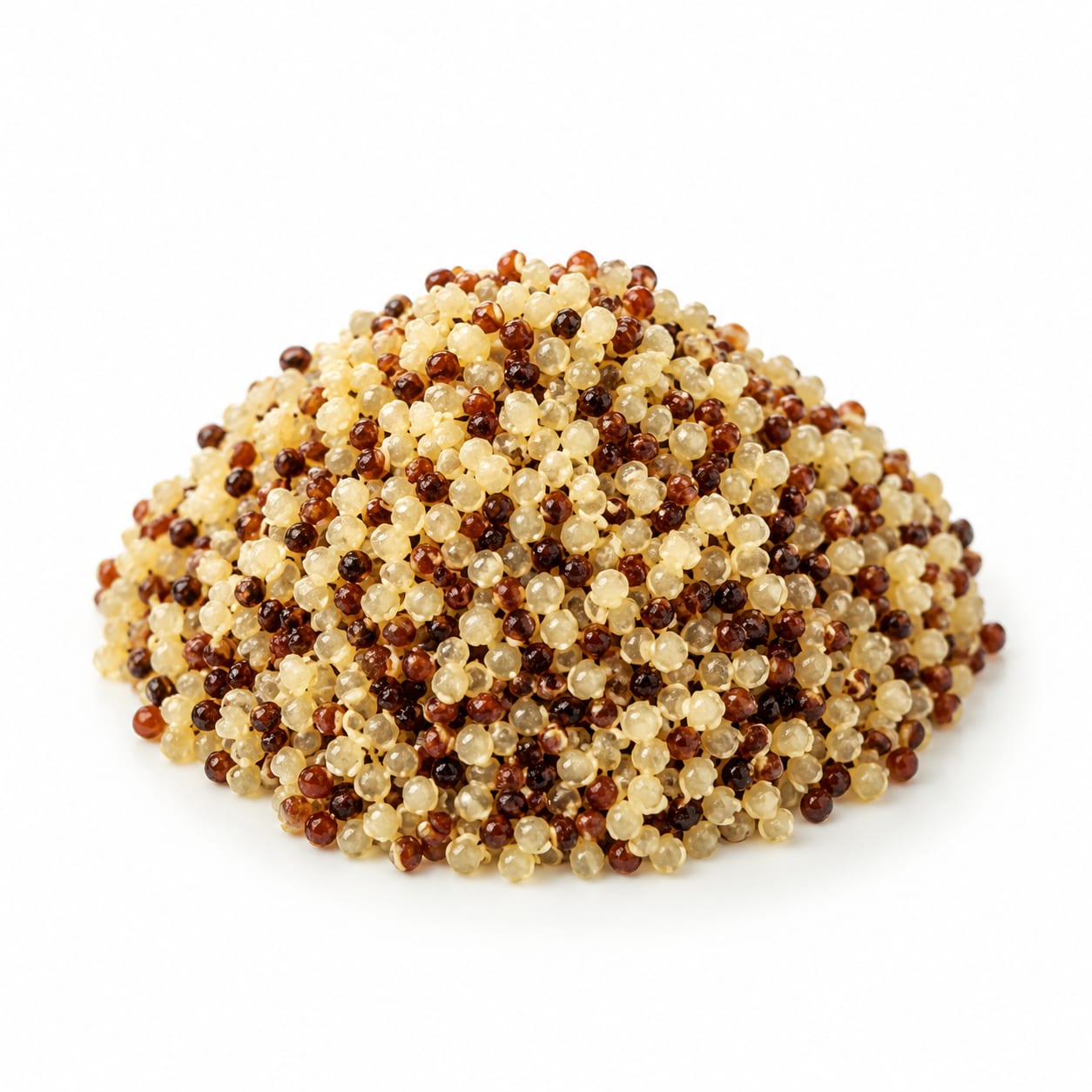
Quinoa
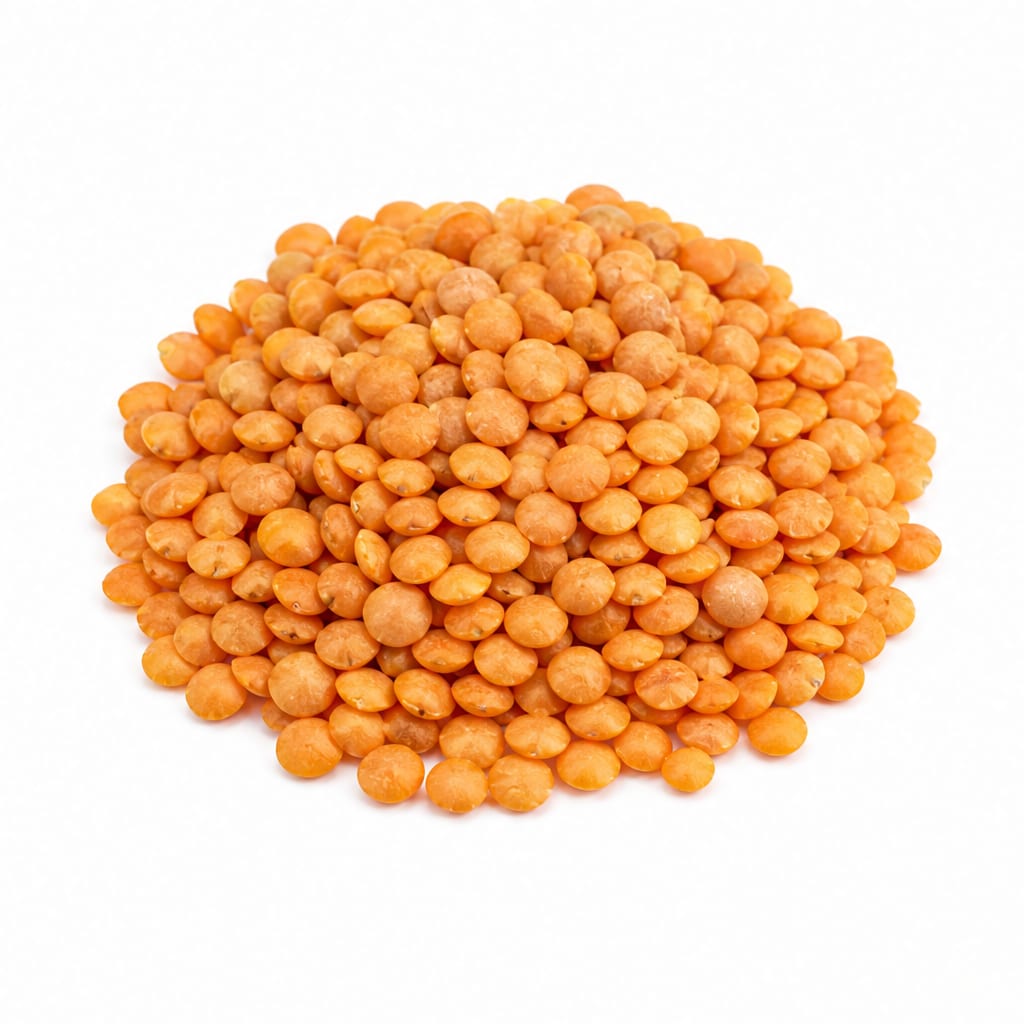
Lentils
Lentils win on protein density, fiber, and blood sugar stability, making them a superior daily staple. Quinoa is the better choice when you need a lighter, faster-digesting complete protein.
Lentils score higher due to superior fiber, higher protein per calorie, and much lower cost, making them a more impactful daily health staple. Quinoa remains excellent but offers less satiety and nutritional bang for your buck.
You trade the light, quick energy and complete amino acids of Quinoa for the deeper satiety, higher fiber, and lower cost of Lentils.
At a glance
Executive summary
Overall
Lentils
Healthier
Lentils
More practical
Lentils
Daily use
Lentils
Key comparison lenses
Plant-based protein quality and quantity
Both are top vegetarian protein sources, but they differ significantly in total protein per calorie and amino acid completeness.
Satiety and blood sugar management
Fiber content varies widely between these two, heavily impacting how full you feel and how steady your energy stays.
Digestive tolerance and meal heaviness
Legumes often cause bloating, while seeds like quinoa are usually lighter and easier on the stomach.
Budget and daily practicality
Lentils are famously cheap and shelf-stable, making them a daily staple, whereas quinoa is pricier.
Best choice for
Quinoa
- Pre-workout meals needing quick but clean energy
- People with sensitive digestion who struggle with beans
- Salads and light bowls where a heavy ingredient would overwhelm
Lentils
- Weight loss diets requiring maximum fullness per calorie
- Blood sugar management and preventing afternoon energy crashes
- Budget-friendly meal prep and hearty comfort foods
Least suitable for
Quinoa
- Those strictly counting carbs or needing very high protein per serving
- Budget-constrained households needing bulk calories and protein
Lentils
- People highly sensitive to gas and bloating from high-fiber legumes
- Meals requiring a light, fluffy texture
Deep comparison
Dimension by dimension
Each lens scores both foods and breaks down who each option suits.
- Dimension 1 · Priority 95Lentils
Satiety and Fullness
Quinoa · 70Lentils · 95Lentils are dramatically more filling due to their massive fiber content, keeping hunger at bay for hours.
Tradeoff
Quinoa digests faster, which is great before a workout but means you will feel hungry again sooner.
Why it matters
Staying full prevents overeating and snacking, which is the hardest part of maintaining a healthy weight.
Real-world impact
A lentil-based lunch will easily carry you to dinner, while a quinoa bowl might have you reaching for a snack by 3 PM.
Quinoa
- Pre-workout fuel when you need energy without feeling weighed down
Better for
- Large active individuals needing sustained calories
Worse for
Lentils
- Appetite control during weight loss
- Long workdays where you cannot stop for a snack
Better for
- Right before intense exercise due to heaviness
Worse for
- Dimension 2 · Priority 90Lentils
Blood Sugar Stability
Quinoa · 72Lentils · 94Lentils have a remarkably low glycemic index, releasing energy slowly and preventing sugar spikes.
Tradeoff
Quinoa is still a healthy complex carb, but it digests noticeably faster than lentils.
Why it matters
Steady blood sugar means no afternoon crashes, better focus, and less irritability.
Real-world impact
Eating lentils instead of quinoa helps avoid that sleepy, foggy feeling an hour after lunch.
Quinoa
- Post-workout recovery when faster carb replenishment is actually helpful
Better for
- Those prone to energy crashes after carb-heavy meals
Worse for
Lentils
- Managing diabetes or insulin resistance
- Sustained energy for long shifts
Better for
- Immediate refueling after endurance exercise
Worse for
- Dimension 3 · Priority 88It depends
Protein Quality and Quantity
Quinoa · 85Lentils · 88Lentils offer more total protein per calorie, but Quinoa provides all essential amino acids in a complete profile.
Tradeoff
You get more muscle-fueling protein from Lentils, but Quinoa is the safer bet if you eat very little other protein.
Why it matters
Complete proteins support muscle repair without needing food combining, while total protein dictates how much you actually consume.
Real-world impact
Vegans relying solely on lentils need to pair them with grains for complete amino acids, while Quinoa handles it all solo.
Quinoa
- Vegans needing a single-source complete protein
- Lighter meals where you cannot combine multiple proteins
Better for
- Those needing massive protein intake without excess carbs
Worse for
Lentils
- Building muscle when total daily protein intake is the priority
- High-protein diets on a calorie deficit
Better for
- Strictly plant-based eaters who do not pair foods strategically
Worse for
- Dimension 4 · Priority 82Quinoa
Digestive Comfort
Quinoa · 88Lentils · 65Quinoa is generally light and easy on the stomach, while Lentils can cause significant gas and bloating.
Tradeoff
The same fiber that makes Lentils so healthy can also make them uncomfortable if your gut is not used to it.
Why it matters
Digestive discomfort can ruin your afternoon and make you avoid healthy foods altogether.
Real-world impact
A quinoa salad sits lightly in your stomach during a meeting, whereas a lentil stew might leave you bloated at your desk.
Quinoa
- People with IBS or sensitive stomachs
- Meals right before social events or physical activity
Better for
- Those needing high fiber to resolve chronic constipation
Worse for
Lentils
- Feeding a healthy gut microbiome with prebiotic fiber
Better for
- Anyone unaccustomed to high-fiber diets who eats a large portion
Worse for
- Dimension 5 · Priority 78Lentils
Cost and Value
Quinoa · 55Lentils · 96Lentils are one of the cheapest protein sources on the planet, while Quinoa remains a premium grain.
Tradeoff
Quinoa offers unique nutrients but at a price point that makes daily consumption expensive for many.
Why it matters
A healthy food only works if you can afford to eat it consistently.
Real-world impact
Feeding a family of four lentils three times a week is incredibly affordable; doing the same with Quinoa strains the grocery budget.
Quinoa
- Special occasion meals where texture and flavor matter more
Better for
- Tight grocery budgets requiring maximum nutrition per dollar
Worse for
Lentils
- Family meal prep on a budget
- Students and large households
Better for
- High-end restaurant dishes requiring a delicate, fluffy texture
Worse for
Timeline
Health impact over time
Short-term
Hours to days
Quinoa
- Provides quick, clean energy without feeling heavy
- Unwashed Quinoa may cause mild stomach upset from bitter saponins
Lentils
- Highly satiating, easily curbing cravings for hours
- Can cause gas, bloating, or stomach rumbling if eaten in large amounts without gradual introduction
Long-term
Months to years
Quinoa
- Supports tissue repair and muscle maintenance with complete protein
- Consistent intake provides steady magnesium for nerve and muscle function
Lentils
- Significantly lowers heart disease risk through soluble fiber binding cholesterol
- Promotes a diverse, healthy gut microbiome that supports immunity and mood
Risk profile
Safety & processing
Both are whole foods in their pure form. You are eating the actual seed or legume, not a factory creation, making them equally excellent choices for avoiding ultra-processed diets.
Quinoa
Saponin residue
lowNatural coating can taste bitter and mildly irritate the stomach if not rinsed off before cooking.
Lentils
Digestive distress
mediumHigh fiber and oligosaccharides can cause painful bloating if consumed in large quantities by unaccustomed individuals.
Phytic acid interference
lowCan slightly reduce absorption of minerals like iron and zinc, though soaking or cooking mitigates this.
Who wins for whom
Audience fit
Same foods, different winners depending on your goal.
children
QuinoaQuinoa is lighter, fluffier, and easier for small stomachs to digest, with no risk of the gas or bloating that lentils can cause kids.
daily consumption
LentilsLentils are cheaper, more versatile in hearty daily cooking, and offer superior long-term heart and gut health benefits.
diabetes
LentilsThe exceptionally low glycemic index and high soluble fiber in Lentils prevent dangerous blood sugar spikes better than Quinoa.
elderly
QuinoaDigestive systems slow down with age; Quinoa is gentler on the stomach while still providing high-quality nutrition.
muscle gain
QuinoaQuinoa offers a complete amino acid profile and faster-digesting carbs, which is ideal for post-workout muscle recovery and glycogen replenishment.
weight loss
LentilsLentils provide far more fiber and protein per calorie, keeping you full longer and making it easier to stick to a calorie deficit.
Your move
Decision guide
Choose Quinoa
- You want a light, fluffy side dish that will not leave you bloated
- You are an athlete needing complete protein and quick carbs around workouts
- You have a sensitive stomach or IBS and find beans uncomfortable
Choose Lentils
- You want to stay full for hours on a very tight budget
- You are managing diabetes, insulin resistance, or afternoon energy crashes
- You are meal-prepping hearty stews, curries, or chilis for the week
Either works if
- You are vegan and just need reliable plant-based protein sources
- You are building a grain-and-bean bowl and want maximum nutrient variety
Avoid both if
- You are on a strict very-low-carb or keto diet, as both are carb-heavy
Final recommendation
Keep both in your pantry but lean on Lentils for your daily staple. They offer more life-changing fiber, better blood sugar control, and unmatched value. Save Quinoa for lighter meals, post-workout bowls, or days when your stomach needs a break from heavy fiber.
Practical
Consumer tips
- 1
Always rinse Quinoa under cold water for 30 seconds to wash off the bitter, stomach-irritating saponins.
- 2
Start with small portions of Lentils if you do not usually eat high-fiber foods to avoid embarrassing gas and bloating.
- 3
Cook Lentils with a piece of kombu seaweed or a pinch of asafoetida to naturally reduce their gas-producing effects.
- 4
Combine Quinoa and Lentils in a single bowl for a meal that balances quick energy, complete protein, and long-lasting satiety.