
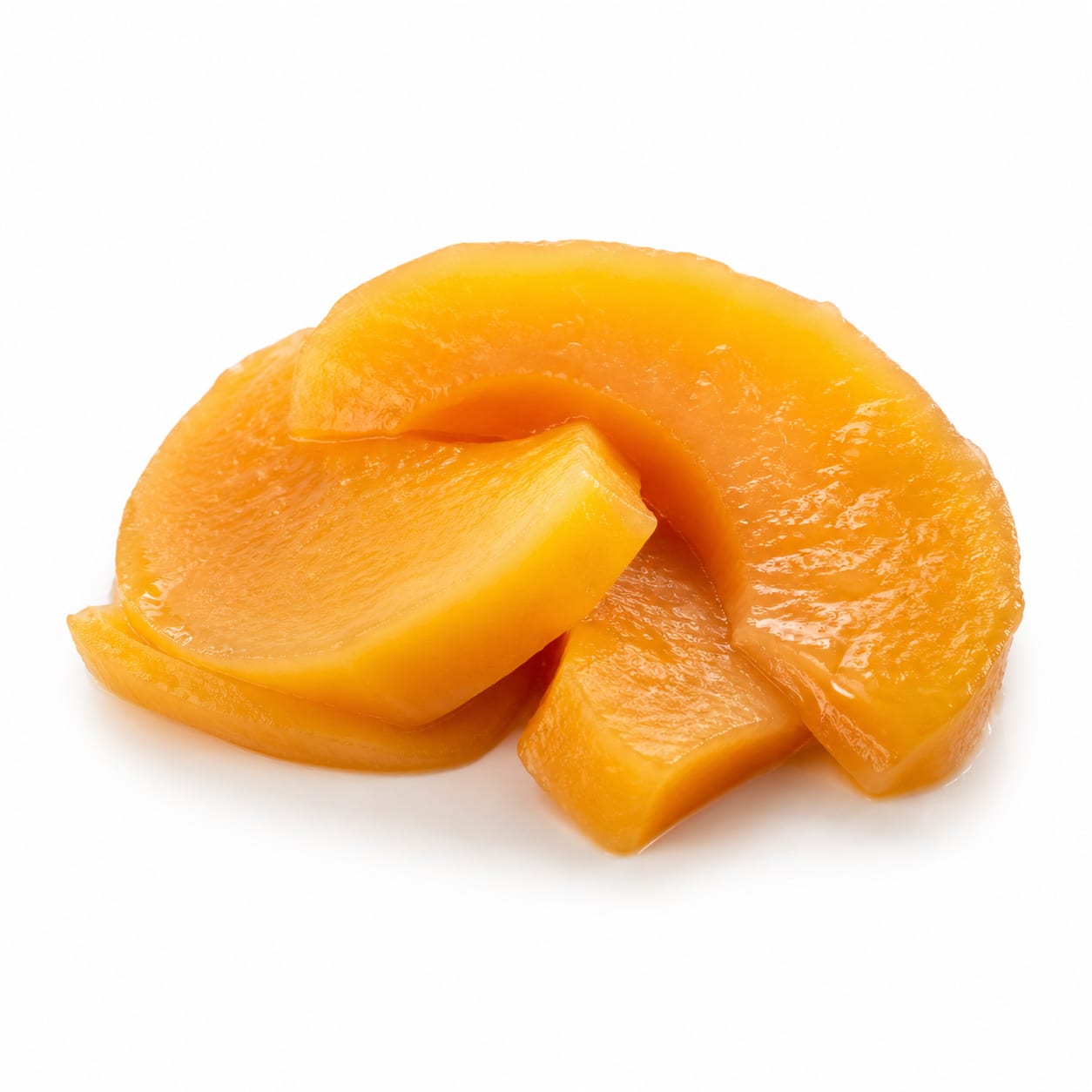
Fruit
Quince
A hard, aromatic pome fruit that requires cooking to become palatable, offering high fiber and low calories.
Quince is a tough, aromatic pome fruit related to apples and pears. It is rarely eaten raw due to its astringency and hardness but becomes sweet, tender, and pink-hued when cooked.
high-fiber low-calorie cooking fruit
Typical serving · 100g
Common varieties · Smyrna, Champion, Pineapple, Van Deman, Orange
Overall context score across nutrition, safety, and diet fit
At a glance
Quick facts
Simple indicators based on nutrition, processing, and diet fit.
The story
What makes it unique
Quince is a high-fiber, low-calorie fruit with a rigid cellular structure and high tannin content, making it astringent raw. Cooking breaks down pectin and tannins, softening the texture and sweetening the flavor. It digests moderately due to fiber content and provides moderate satiety.
Varieties: Smyrna · Champion · Pineapple · Van Deman · Orange
Per 100g
Nutrition breakdown
Macro balance and key metrics at a glance.
Energy
Density 0.57 kcal/g
Protein
Carbs
Fat
Fiber
Sugar
8.9 g
Sodium
4 mg
Potassium
197 mg
Glycemic index
35
Glycemic load
5
Water content
83.8%
Standout compounds
Nutrient highlights
Fiber
moderatesupports digestion and satiety
Vitamin C
moderatesupports immune function
Potassium
moderatehelps regulate blood pressure
Pectin
highfeeds gut bacteria and aids digestion
Antioxidants
moderateprotects cells from oxidative damage
Wellness map
Health scores & processing
NOVA processing scale
minimally processed · Whole food
Raw quince is an unprocessed whole food, though it is almost always cooked before consumption.
Diet compatibility
- Weight loss
- Muscle gain
- Diabetes
- Gut health
- Low carb
- High protein
- Heart health
Relative standing
Food rankings
Qualitative ranks compared to similar whole foods.
- Satietygood
- Blood sugarexcellent
- Nutrient densitygood
- Fitness fuelmoderate
- Processing qualityexcellent
Eat with confidence
Food safety profile
Quince is generally safe with low contamination risk. The seeds contain trace amounts of amygdalin and should not be consumed in large quantities.
Evidence confidence 90%
- Pesticideslow
- Antibioticslow
- Heavy metalslow
- Contaminationlow
Watch for
- pesticide residues
Safer choices
organic quince to avoid pesticide residues on the skin
Prep tips
Wash thoroughly under running water. Remove seeds before cooking, as they release small amounts of toxic compounds when crushed.
minimal
Deep dive
Health analysis
How this food may fit different goals and preparation choices.
Weight loss
Low energy density and high fiber content support weight management by promoting fullness without excess calories.
Blood sugar
Low glycemic index and moderate fiber help prevent rapid blood sugar spikes, making it suitable for blood sugar control when prepared without added sugar.
Fitness & energy
Provides a slow-digesting carbohydrate source, but is rarely used as a primary workout fuel due to its typical preparation in sweetened preserves.
Gut health
Contains pectin and dietary fiber that support healthy digestion and feed beneficial gut bacteria.
Processing quality
A whole, unprocessed food in its raw state, though culinary use often involves adding sugar, which reduces overall nutritional quality.
Food safety
Seeds contain amygdalin and should be discarded before cooking. Otherwise, it is a very safe food with low contamination risk.
Common mistakes
Eating it raw due to its extreme astringency, or consuming the seeds which contain trace toxins.
Best preparation
Poaching, baking, or making sugar-free preserves to soften the flesh and neutralize astringency.
Practical guide
Best use cases
When and how this food fits real eating patterns.
Sugar-free poached dessert
Poach quince in water with spices for a low-calorie, naturally sweet treat.
Natural thickener
Use its high pectin content to thicken homemade jams or fruit preserves without additives.
Flavor enhancer for baking
Add diced quince to apple or pear pies to introduce a complex floral aroma and firm texture.
Balance sheet
Pros & cons
Upsides
- Low in calories
- High in pectin and dietary fiber
- Low glycemic impact
- Very versatile in cooking
- Rich in antioxidants
Trade-offs
- Inedible raw
- Requires preparation and cooking time
- Seeds are mildly toxic
- Often prepared with high amounts of added sugar
Fit check
Who is it for?
Great match
- Sugar-free preserves
- Low-calorie dessert bases
- Blood sugar friendly diets
Consider alternatives
- Quick raw snacking
- High-protein diets
- Strict very-low-carb diets
Side by side
How it compares
Open the full head-to-head analysis for nutrition, safety, and practical tradeoffs.
This food
Quince
VS90% alike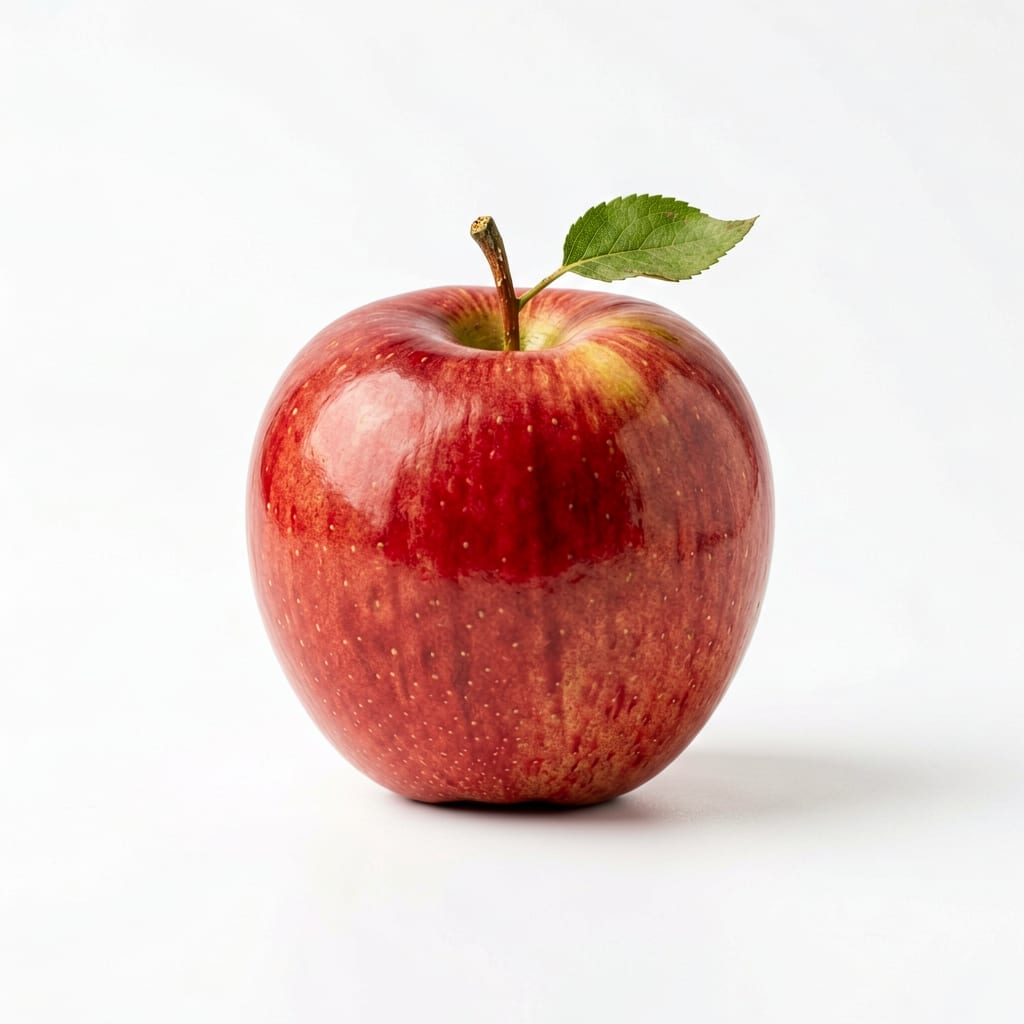
Compare with
Apple
Apples are sweeter and can be eaten raw, while quince offers more pectin and a unique floral flavor but requires cooking.
Apples are convenient raw snacks, while quince is lower in sugar and better for blood sugar control when cooked.
This food
Quince
VS85% alike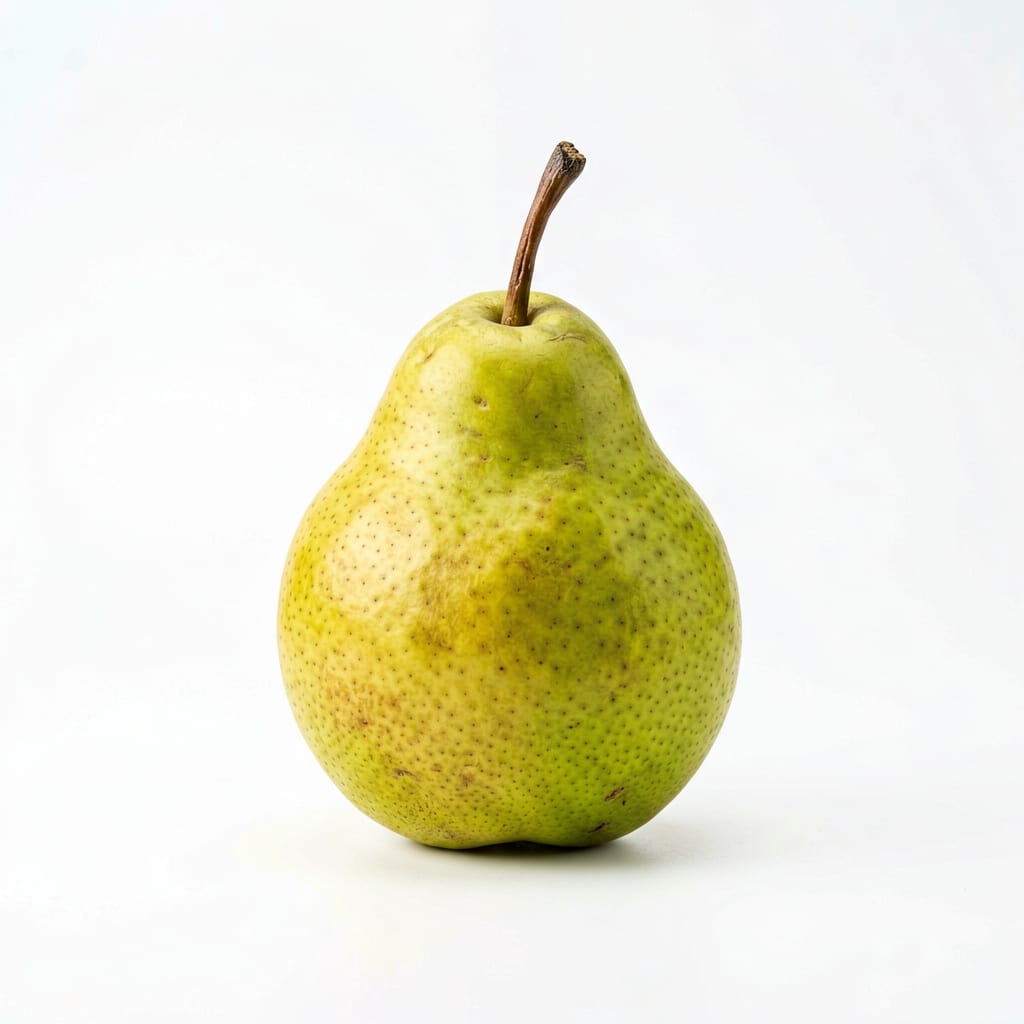
Compare with
Pear
Pears are softer and sweet raw, whereas quince is hard and astringent raw but holds shape better in cooking.
Pears are better for quick snacking, but quince provides more fiber and a lower glycemic impact for cooked dishes.
This food
Quince
VS60% alike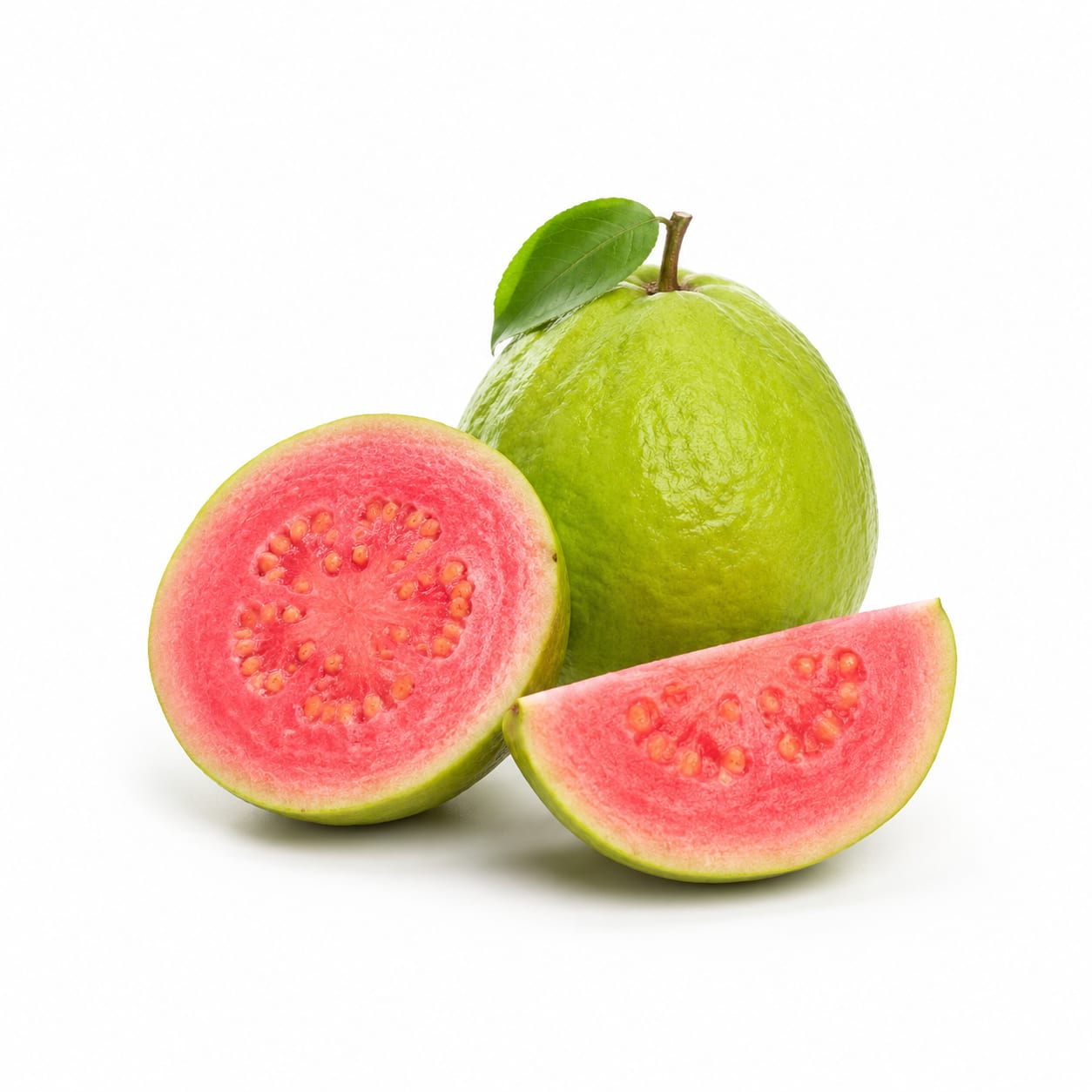
Compare with
Guava
Guava is much higher in vitamin C and can be eaten raw, while quince is lower in calories and sugar.
Guava offers more vitamin C and protein, while quince is lower in calories and sugar for weight loss.
This food
Quince
VS55% alike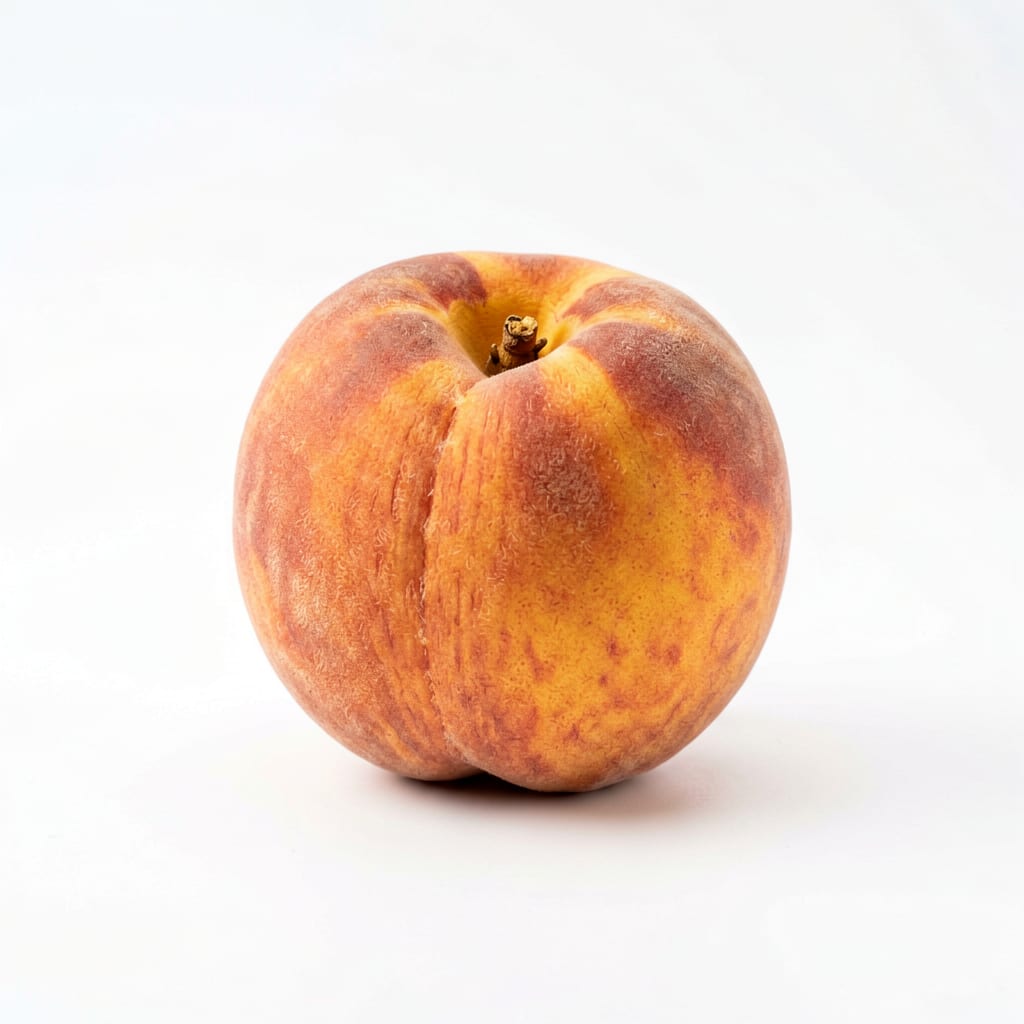
Compare with
Peach
Peaches are juicy and sweet raw, while quince is firm and requires cooking, offering fewer calories and less sugar.
Peaches are hydrating and sweet raw, while quince is a lower-calorie, low-sugar fruit that must be cooked.
This food
Quince
VS55% alike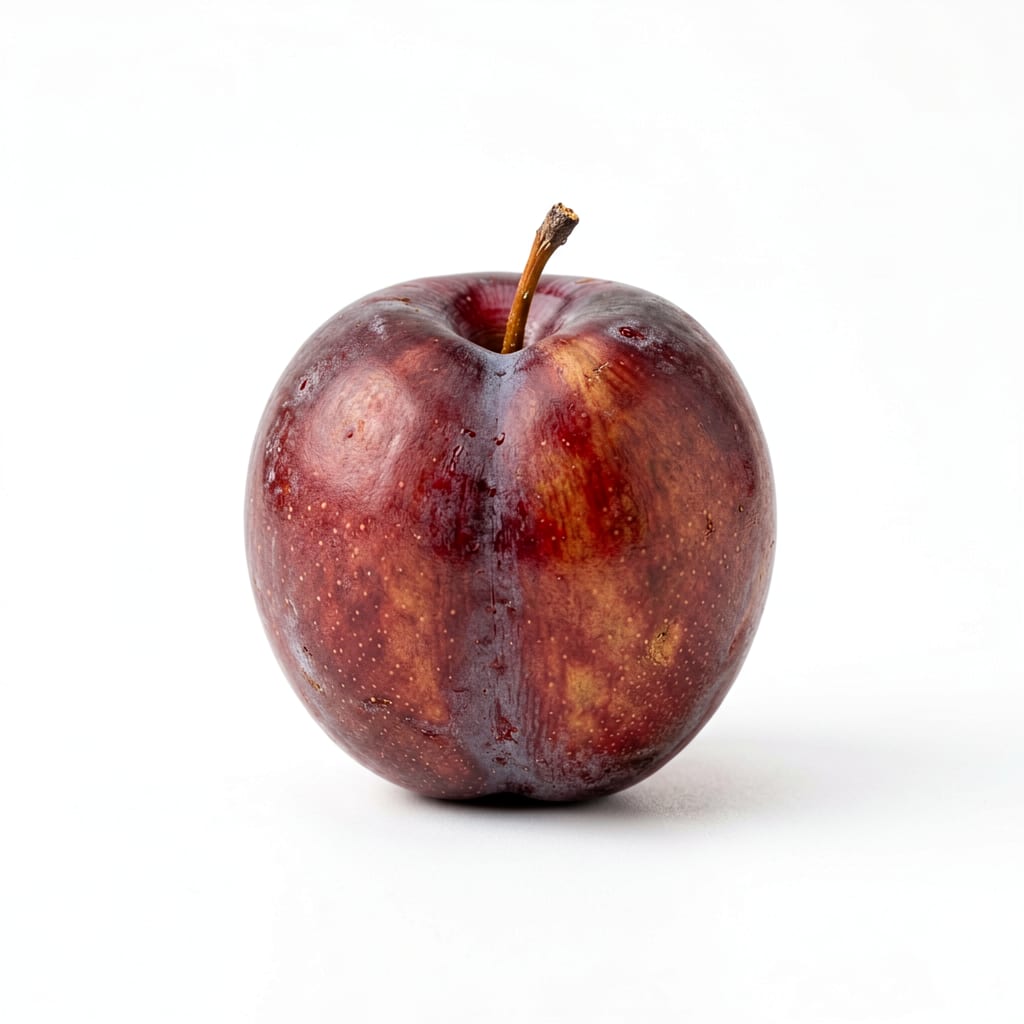
Compare with
Plum
Plums are sweet and tart raw, while quince is strictly for cooking and has a lower glycemic impact.
Plums are convenient for snacking, but quince is better for blood sugar control and low-calorie cooking.
This food
Quince
VS55% alike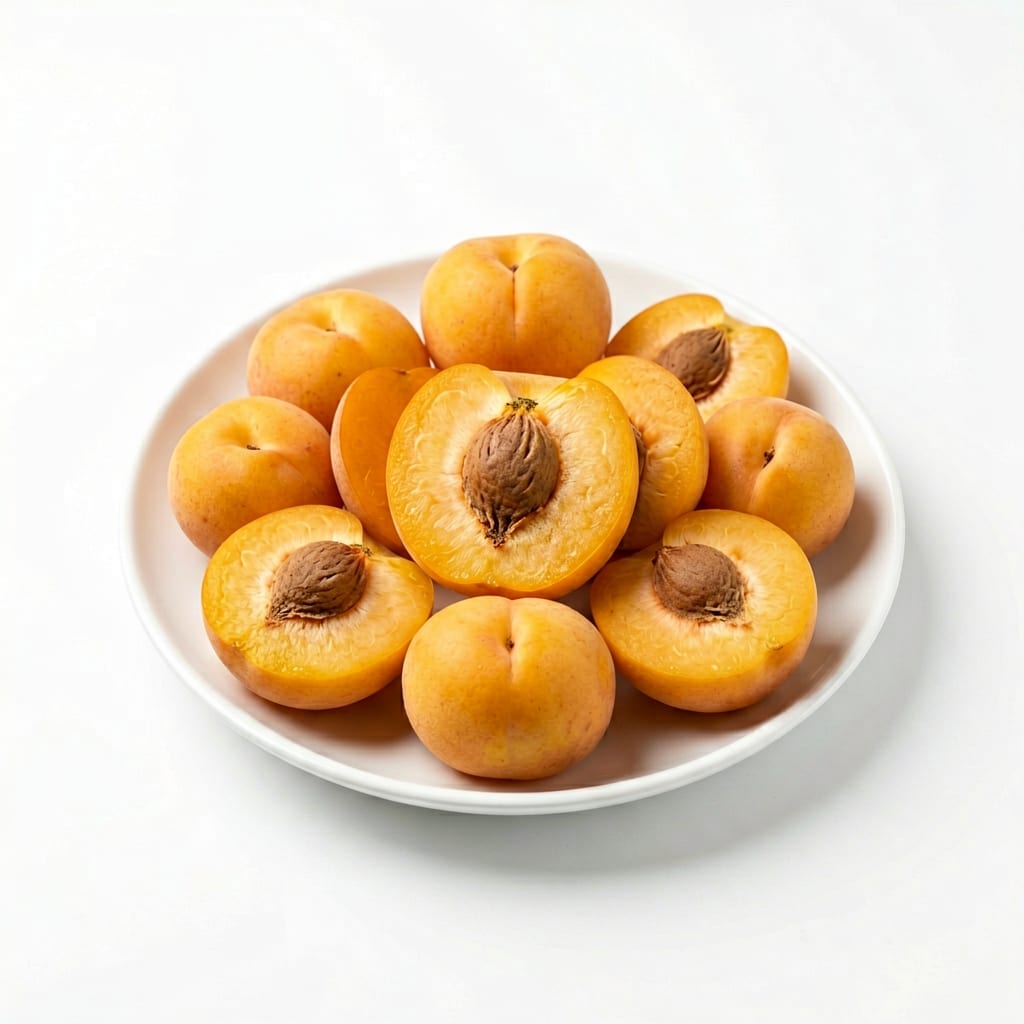
Compare with
Apricot
Apricots are rich in vitamin A and eaten raw, while quince provides more pectin and fewer calories.
Apricots are great raw snacks with more vitamin A, while quince is lower in calories and better for thickening preserves.
This food
Quince
VS50% alike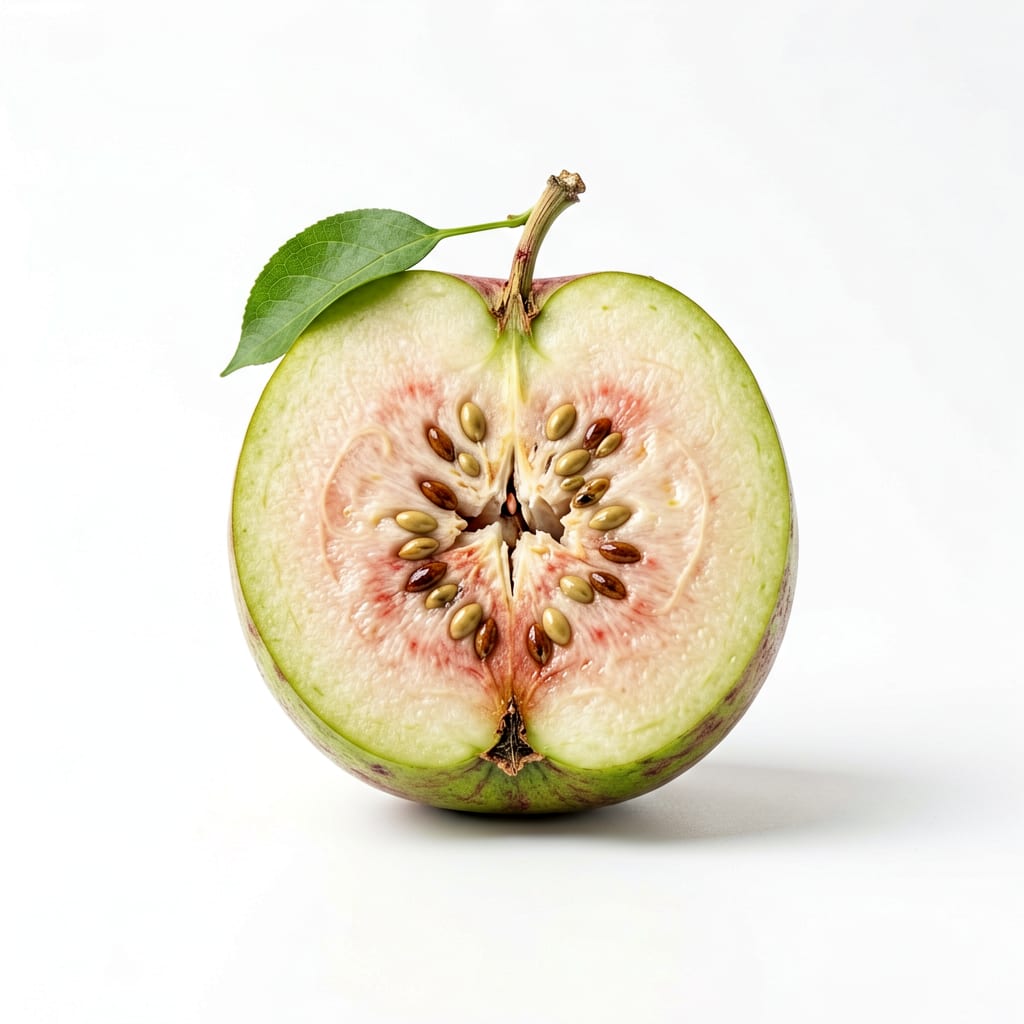
Compare with
Fig
Figs are much higher in sugar and calories, while quince is a low-sugar cooking fruit.
Figs are sweeter and higher in calories, while quince is a low-sugar alternative for cooked desserts.
This food
Quince
VS50% alike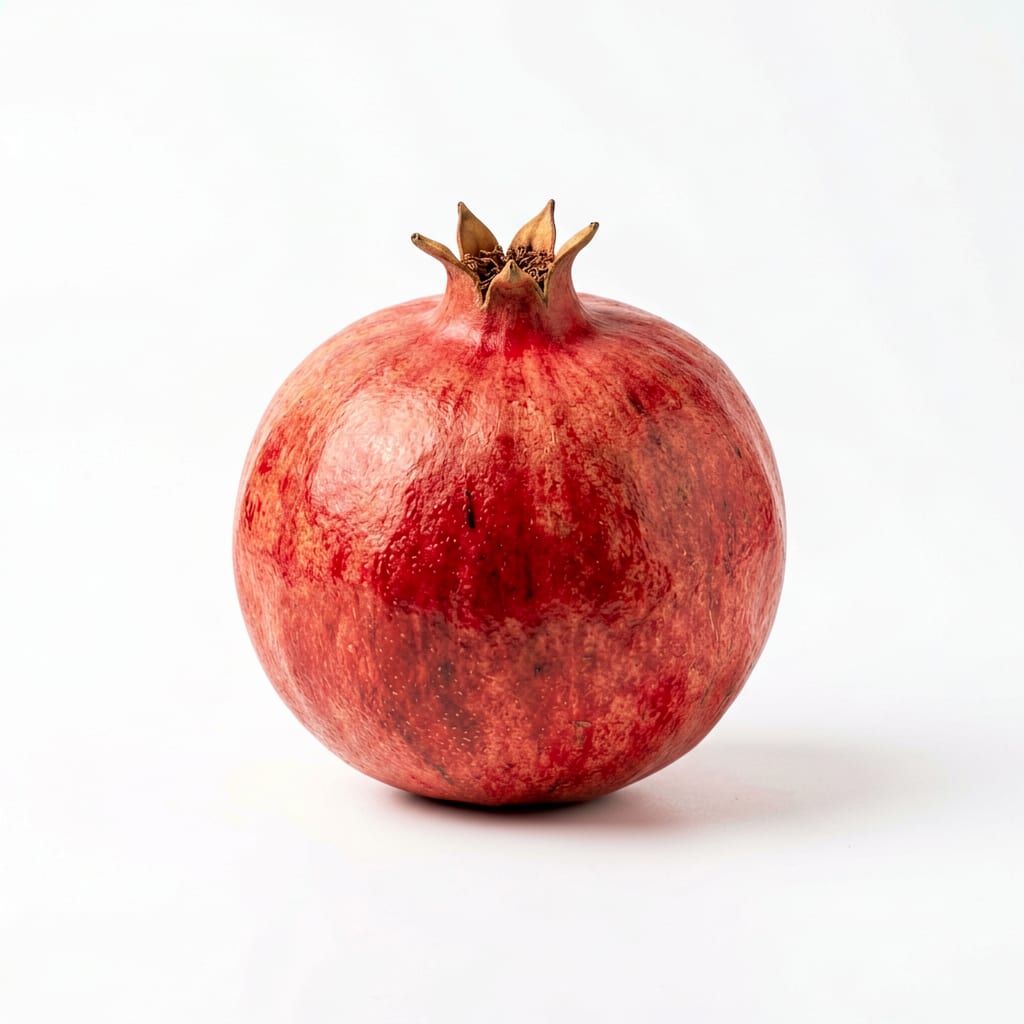
Compare with
Pomegranate
Pomegranates offer high antioxidants and edible seeds, while quince is valued for its flesh and pectin.
Pomegranates are high in antioxidants, while quince is lower in sugar and better for blood sugar management.
This food
Quince
VS80% alike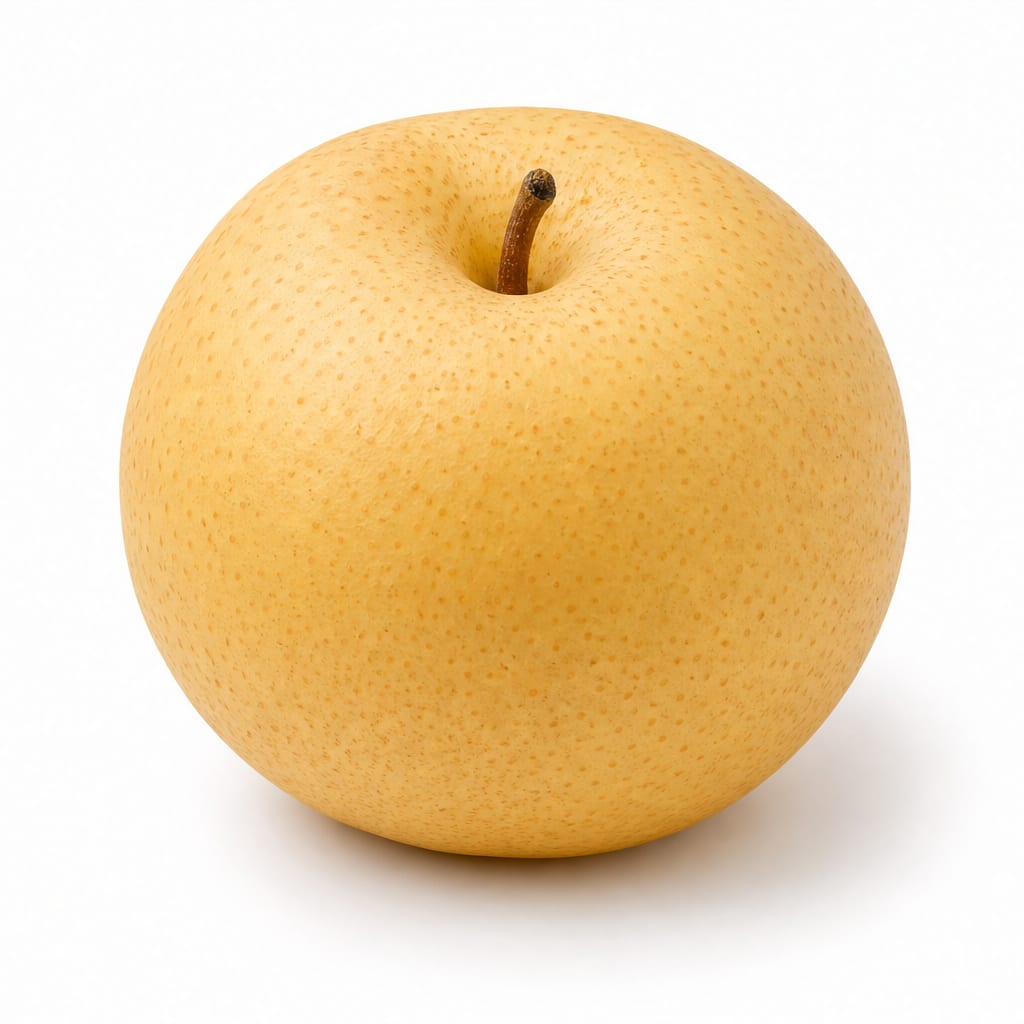
Compare with
Asian Pear
Asian pears are sweet and juicy raw, while quince is astringent raw but develops complex flavors when cooked.
Asian pears are refreshing raw snacks, while quince is a lower-sugar fruit that shines when cooked.
This food
Quince
VS40% alike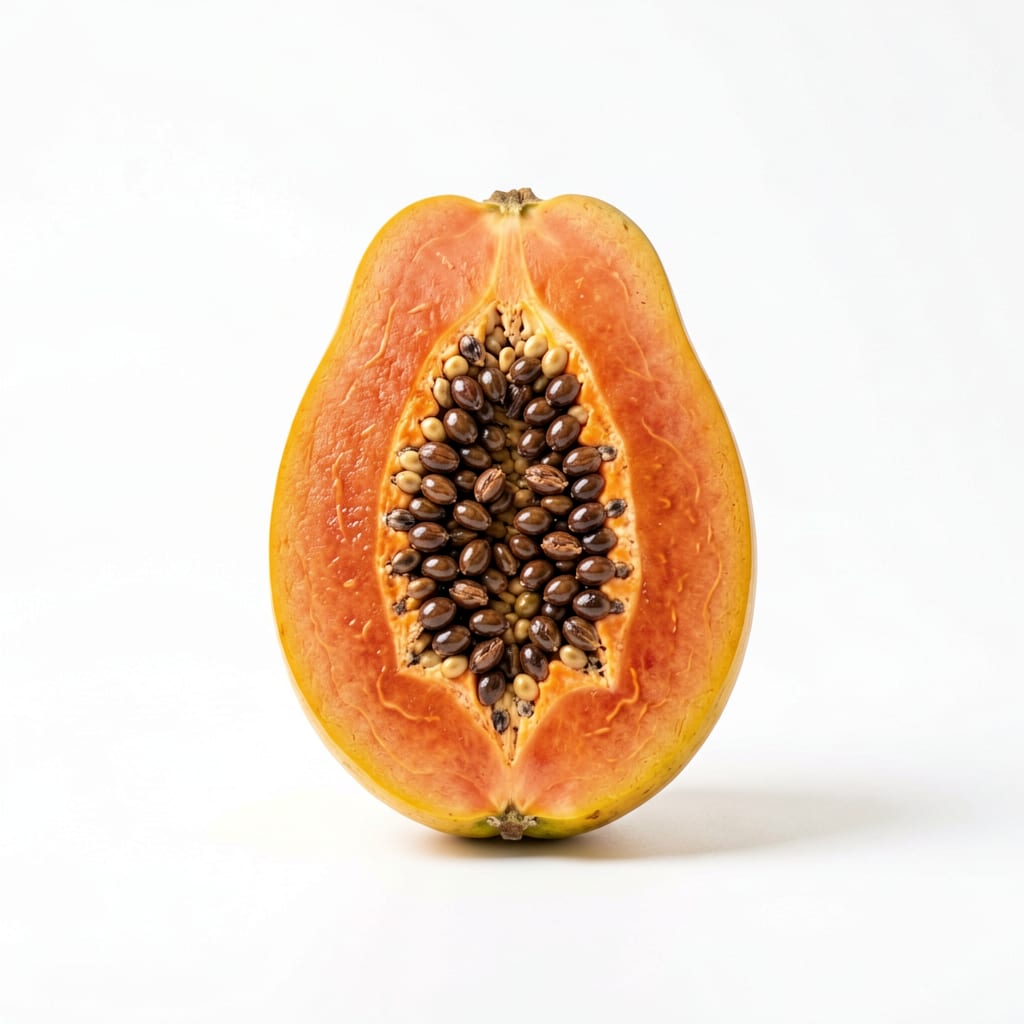
Compare with
Papaya
Papaya contains digestive enzymes and is eaten raw, while quince relies on fiber and pectin for gut benefits.
Papaya offers enzymes for digestion, while quince provides more fiber and a lower glycemic load.
Common questions
FAQ
Answers aligned with how people search for this food.
Can you eat quince raw?
It is not recommended; raw quince is extremely hard, dry, and astringent due to high tannin content. Cooking softens the fruit and sweetens the flavor.
Is quince good for weight loss?
Yes, quince is low in calories and high in fiber, which helps promote satiety and control appetite when prepared without added sugars.
What does quince taste like?
Raw quince is tart and astringent. When cooked, it develops a sweet flavor similar to a cross between an apple and a pear, with floral notes.
How do you prepare quince?
Quince should be peeled, cored, and cooked. Poaching, baking, or stewing are the best methods to soften the flesh and bring out its natural sweetness.
Are quince seeds poisonous?
Quince seeds contain amygdalin, a compound that can release cyanide when metabolized. They should be removed and not eaten, but the flesh is completely safe.
Is quince high in sugar?
Raw quince contains moderate natural sugars (around 8.9g per 100g). However, many traditional recipes add large amounts of sugar, which significantly increases the sugar content.
Can diabetics eat quince?
Yes, plain cooked quince has a low glycemic index and can be a safe choice for diabetics, provided it is not prepared with excessive added sugar.
What is quince used for in cooking?
It is commonly used to make jams, jellies, and pastes (like membrillo), or poached as a dessert. It also pairs well with savory meats like pork or lamb.
Transparency
Data confidence
Estimated confidence for nutrition data, interpretation, safety notes, and comparisons.
Nutrition data
Health analysis
Food safety
Comparisons