
Nutrition comparison
Quince vs Fig: Which Fruit Is Healthier for You?
Compare quince and fig nutrition — sugar content, fiber, calories, and health benefits. Find out which fruit is better for diabetes, weight loss, and daily snacking.
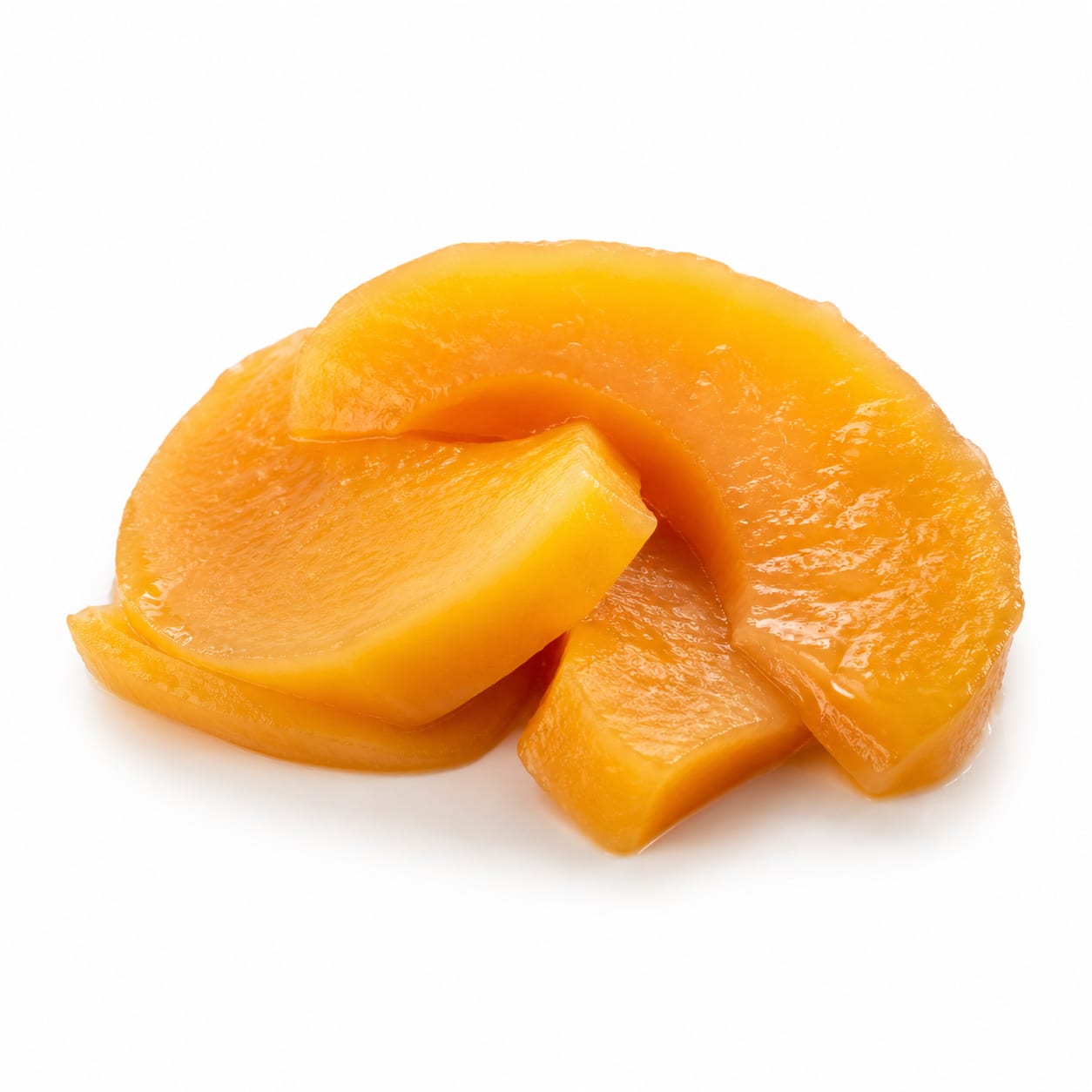
Quince
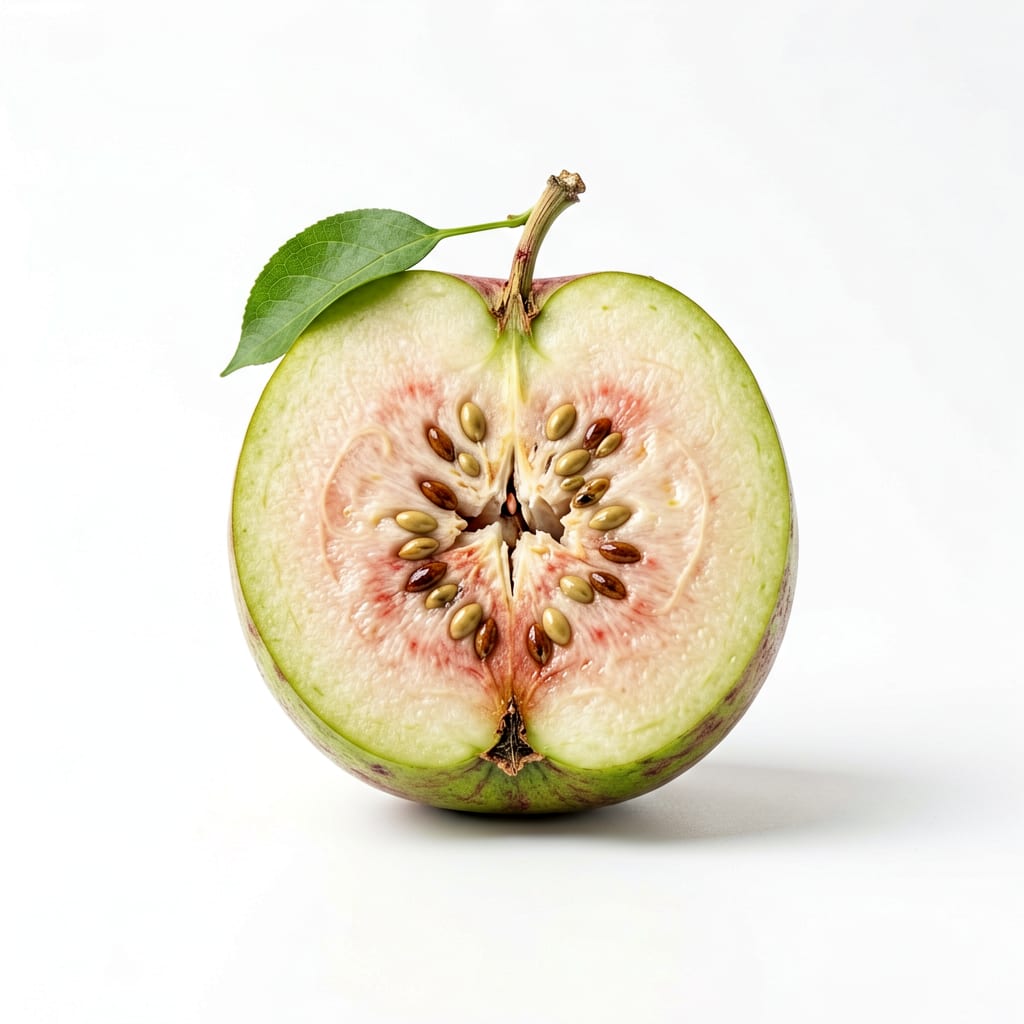
Fig
Quince wins for blood sugar control and weight management; figs win for convenience, taste, and raw snacking appeal.
Quince scores slightly higher due to its superior sugar and calorie profile, but figs remain competitive thanks to convenience, taste, and broader nutrient density. The close scores reflect that each excels in very different contexts.
Quince offers far less sugar and fewer calories but requires cooking and has limited availability, while figs are sweet, ready-to-eat, and more versatile but pack significantly more sugar.
At a glance
Executive summary
Overall
It depends
Healthier
Quince
More practical
Fig
Daily use
Fig
Key comparison lenses
sugar and blood sugar management
Figs are notably sweeter with higher sugar content, while quince is one of the lowest-sugar fruits available, making this the most consequential difference for most users
ease of consumption and convenience
Quince must be cooked before eating due to extreme astringency, whereas figs can be enjoyed raw right away — a major practical consideration
digestive health and fiber type
Both fruits support digestion but through different mechanisms: quince via pectin and tannins, figs via natural enzymes and soluble fiber
weight management and calorie density
Quince is significantly lower in calories and sugar, making it more aligned with weight loss goals
antioxidant and anti inflammatory benefits
Both offer unique phytonutrients but through different compounds — quince with phenolic acids, figs with flavonoids and anthocyanins
Best choice for
Quince
- People managing diabetes or insulin resistance
- Weight loss seekers wanting low-calorie fruit options
- Those who enjoy cooking and preserving
- Anyone wanting a high-fiber, low-sugar fruit
- People with digestive sensitivity to sweet fruits
Fig
- Active individuals needing quick natural energy
- People wanting a convenient raw snack
- Those who value taste and ease over strict macros
- Anyone looking for a natural pre-workout fuel
- People seeking a more widely available fruit
Least suitable for
Quince
- People wanting grab-and-go convenience
- Those unfamiliar with cooking fruit
- Anyone looking for a sweet treat replacement
- People with limited access to specialty produce
- Busy individuals with minimal prep time
Fig
- People strictly limiting sugar intake
- Those with diabetes managing blood glucose carefully
- Anyone prone to overeating sweet foods
- People on very low-carb diets
- Those sensitive to natural laxative effects
Deep comparison
Dimension by dimension
Each lens scores both foods and breaks down who each option suits.
- Dimension 1 · Priority 92Quince
sugar_and_blood_sugar_impact
Quince · 90Fig · 45Quince contains roughly 8g of sugar per 100g raw, while figs contain 16g fresh and up to 48g dried — a dramatic difference for anyone watching blood sugar.
Tradeoff
Quince keeps blood sugar far steadier but delivers less immediate energy and satisfaction from sweetness.
Why it matters
For diabetics, prediabetics, or anyone avoiding energy crashes, this difference alone can determine which fruit fits your life.
Real-world impact
Eating figs can cause a noticeable blood sugar rise, especially dried ones. Quince feels almost neutral on blood sugar, making it safer for consistent energy.
Quince
- Stable energy without crashes
- Diabetes-friendly fruit option
- Less insulin demand after eating
Better for
- Less satisfying for sweet cravings
- Minimal quick energy potential
Worse for
Fig
- Quick energy before exercise
- Natural sweetness satisfaction
- Better for refueling after activity
Better for
- Higher risk of blood sugar spikes
- Can trigger cravings for more sweets
- Dried figs are especially concentrated sugar bombs
Worse for
- Dimension 2 · Priority 88Fig
convenience_and_eatability
Quince · 25Fig · 90Figs can be eaten raw, added to salads, or enjoyed as-is. Quince is rock-hard and intensely astringent raw — it must be cooked, poached, or preserved before consumption.
Tradeoff
Figs are effortless; quince demands time, skill, and planning but rewards with unique flavor and aroma.
Why it matters
If a fruit requires 45 minutes of cooking, most people simply won't eat it regularly regardless of health benefits.
Real-world impact
Figs fit into busy lifestyles instantly. Quince is a weekend project or special occasion ingredient, not a daily staple for most people.
Quince
- Encourages mindful, intentional eating
- Creates a unique culinary experience
Better for
- Cannot be eaten raw without unpleasant astringency
- Requires peeling, cooking, and sweetening
- Hard to find in many grocery stores
- Short fresh season in most regions
Worse for
Fig
- Grab-and-go snacking
- No preparation required
- Easy to add to meals and recipes
- Widely available fresh and dried
Better for
- Less culinary adventure or uniqueness
- Easy to overeat due to convenience
Worse for
- Dimension 3 · Priority 80Quince
fiber_and_digestive_health
Quince · 85Fig · 75Quince is exceptionally rich in pectin and tannins that soothe the gut and support bowel regularity. Figs offer good fiber too, plus natural enzymes that aid digestion.
Tradeoff
Quince provides more structured fiber for gut health and firming stools; figs offer enzymes and a gentle laxative effect that helps with constipation.
Why it matters
Your digestive needs determine the winner: loose stools favor quince, constipation favors figs.
Real-world impact
Quince can help firm up digestion when things are loose. Figs help get things moving when you're backed up — but can overdo it if you're already regular.
Quince
- Anti-diarrheal tannins
- High pectin feeds beneficial gut bacteria
- Gentle on sensitive stomachs when cooked
- Helps firm loose stools
Better for
- Can be constipating if eaten in excess
- Tannins may irritate if consumed raw
Worse for
Fig
- Natural enzymes aid breakdown
- Gentle laxative effect for constipation
- Prebiotic fiber supports microbiome diversity
Better for
- Can cause loose stools if overeaten
- Higher sugar may feed harmful gut bacteria in excess
Worse for
- Dimension 4 · Priority 75Quince
calorie_density_and_weight_management
Quince · 88Fig · 55Raw quince provides roughly 57 calories per 100g, while fresh figs offer 74 calories and dried figs pack around 249 calories per 100g.
Tradeoff
Quince is lighter and more filling per calorie, but figs — especially dried — are easy to overconsume due to concentrated sweetness.
Why it matters
For weight loss, the combination of low calories and high fiber in quince makes it hard to beat. Dried figs are a hidden calorie trap.
Real-world impact
A few dried figs can quietly add 200+ calories to your day. Quince, even cooked with some sweetener, stays relatively modest in calories.
Quince
- Lower calorie per serving
- Hard to overeat due to preparation required
- High fiber-to-calorie ratio
Better for
- Requires added sweetener when cooking, which adds calories
Worse for
Fig
- More energy-dense for active people
- Satisfying enough to replace desserts
Better for
- Dried figs are extremely calorie-dense
- Easy to mindlessly eat multiple servings
- Sugar content drives calorie load
Worse for
- Dimension 5 · Priority 70Fig
nutrient_density_and_micronutrients
Quince · 62Fig · 78Figs deliver more potassium, calcium, magnesium, and iron per serving. Quince offers decent vitamin C and unique phenolic compounds but has a thinner overall micronutrient profile.
Tradeoff
Figs provide broader mineral support, especially for bones and muscles; quince offers more targeted antioxidant compounds.
Why it matters
If you're eating fruit partly for mineral intake, figs contribute more meaningfully to your daily targets.
Real-world impact
Figs help fill gaps in potassium and calcium — minerals many people lack. Quince contributes less to daily mineral needs but offers unique protective compounds.
Quince
- Higher vitamin C content
- Unique phenolic antioxidants
- Anti-inflammatory compounds not found in figs
Better for
- Lower overall mineral content
- Less diverse micronutrient profile
Worse for
Fig
- More potassium for blood pressure
- Calcium for bone health
- Iron and magnesium support
- Broader vitamin and mineral coverage
Better for
- Mineral benefits offset by high sugar in dried versions
Worse for
- Dimension 6 · Priority 65It depends
antioxidant_and_anti_inflammatory_potential
Quince · 75Fig · 72Quince contains potent phenolic acids and flavonols with documented anti-inflammatory effects. Figs offer anthocyanins (especially dark varieties) and polyphenols that combat oxidative stress.
Tradeoff
Quince has stronger evidence for respiratory and gut anti-inflammatory effects; figs excel in cardiovascular and skin-protective antioxidants.
Why it matters
Both contribute meaningfully but through different pathways — your specific health concerns should guide the choice.
Real-world impact
Quince may help more with inflammatory gut or airway issues. Figs may support heart and skin health more directly through their antioxidant profile.
Quince
- Phenolic acids target gut inflammation
- Traditional use for respiratory inflammation
- Tannins have antimicrobial properties
Better for
- Less researched than figs for cardiovascular benefits
Worse for
Fig
- Anthocyanins protect blood vessels
- Polyphenols support skin health
- Dark figs rival berries in antioxidant capacity
Better for
- Antioxidant benefits diluted if sugar intake is already high
Worse for
Timeline
Health impact over time
Short-term
Hours to days
Quince
- Very gentle on blood sugar after eating
- Can help firm loose stools within hours
- Satisfying aroma and flavor when cooked may reduce cravings for sweets
Fig
- Noticeable blood sugar rise, especially with dried figs
- Can stimulate bowel movement within a few hours
- Quick natural energy boost from readily available sugars
Long-term
Months to years
Quince
- Consistent low-sugar fruit intake supports insulin sensitivity
- Pectin feeds beneficial gut bacteria over time
- Anti-inflammatory compounds may protect against chronic gut issues
- Low calorie density supports sustainable weight management
Fig
- Regular potassium intake supports healthy blood pressure
- Calcium and magnesium contribute to bone density maintenance
- Polyphenols may reduce cardiovascular risk markers
- Risk of excess sugar intake if dried figs are consumed frequently
Risk profile
Safety & processing
Both fruits are whole foods in their natural state. However, quince is commonly processed into jams and pastes with added sugar, and dried figs often contain sulfites as preservatives. Fresh versions of both are clean choices.
Quince
Pesticide residue on conventionally grown quince
lowQuince has thick skin that reduces pesticide penetration, and it's typically peeled before cooking, further lowering exposure risk.
Choking hazard from raw quince hardness
mediumRaw quince is extremely hard and astringent. Attempting to bite into it could damage teeth or pose a choking risk, especially for children.
Fig
Sulfite sensitivity from dried figs
mediumMany commercially dried figs contain sulfur dioxide as a preservative, which can trigger reactions in sensitive individuals including asthma symptoms.
Mold and mycotoxin contamination in dried figs
mediumDried figs are susceptible to mold growth if stored improperly. Aflatoxin contamination, while uncommon, is a documented concern with dried figs.
Who wins for whom
Audience fit
Same foods, different winners depending on your goal.
children
FigFigs are sweet, soft, and easy for kids to eat. Raw quince is too hard and astringent for children, and even cooked quince may not appeal to young palates.
daily consumption
FigFigs are easy to incorporate daily without preparation barriers. Quince's cooking requirement and limited availability make daily consumption unrealistic for most people.
diabetes
QuinceQuince's low sugar content and high pectin make it one of the most blood sugar-friendly fruits available, while figs — especially dried — can cause significant glucose spikes.
elderly
FigFigs offer softer texture, more calcium for bone health, and gentle digestive support. Quince requires cooking and may be too firm even when prepared for those with dental issues.
muscle gain
FigFigs provide more potassium and natural carbohydrates that support muscle function and glycogen replenishment after training.
weight loss
QuinceQuince delivers strong satiety with minimal calories and sugar, making it far easier to fit into a calorie-controlled eating plan.
Your move
Decision guide
Choose Quince
- You are managing diabetes, prediabetes, or insulin resistance
- You want a low-calorie fruit that supports weight loss
- You enjoy cooking and want a unique culinary ingredient
- You need a fruit that won't spike blood sugar
- You experience loose stools and want a gentle firming effect
Choose Fig
- You want a convenient raw snack you can eat anywhere
- You need quick natural energy before or after exercise
- You struggle with constipation and want gentle relief
- You value taste and ease of eating above strict macros
- You want to increase potassium and calcium intake from whole foods
Either works if
- You want to increase daily fruit variety
- You are looking for whole-food sources of dietary fiber
- You want natural antioxidant-rich alternatives to processed snacks
- You enjoy exploring traditional and heritage fruits
Avoid both if
- You have a severe fructose intolerance or malabsorption
- You are on a strict very-low-carb or ketogenic diet
- You have known allergies to either fruit family
Final recommendation
Keep both in rotation if possible. Use quince when you have time to cook and want a low-sugar, gut-soothing option. Reach for fresh figs when you need something quick, sweet, and satisfying. If you must choose one for health alone, quince edges ahead — but if you must choose one you'll actually eat regularly, figs win by default of convenience.
Practical
Consumer tips
- 1
If buying dried figs, look for unsulfured varieties to avoid sulfite exposure
- 2
Poach quince with cinnamon and a small amount of honey — you'll need far less sweetener than you expect
- 3
Fresh figs spoil quickly; eat within 2-3 days of purchase or dry them for longer storage
- 4
Quince paste (membrillo) pairs beautifully with cheese but check sugar content on store-bought versions
- 5
Dark-skinned figs generally contain more antioxidants than green varieties
- 6
Freeze cooked quince portions for easy future use — it reheats well and saves prep time
- 7
Wash fresh figs gently right before eating, not before storing, to prevent mold growth