
Nutrition comparison
Quince vs Guava: Nutrition, Health Benefits, and Which to Choose
Compare quince and guava side by side. Guava delivers far more vitamin C and raw convenience, while quince offers unique digestive benefits and culinary depth. Learn which fits your health goals.
Overall winner · Guava
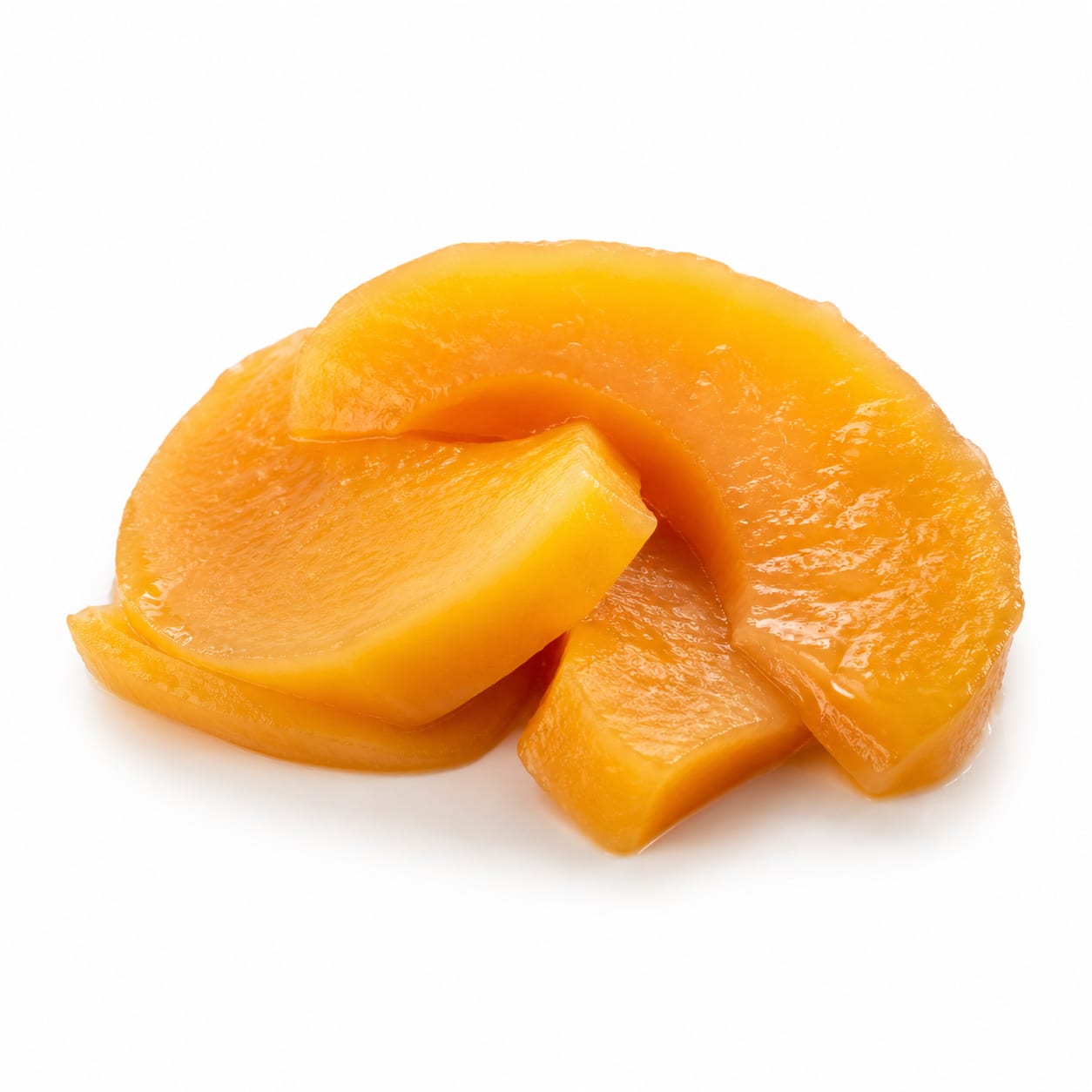
Quince
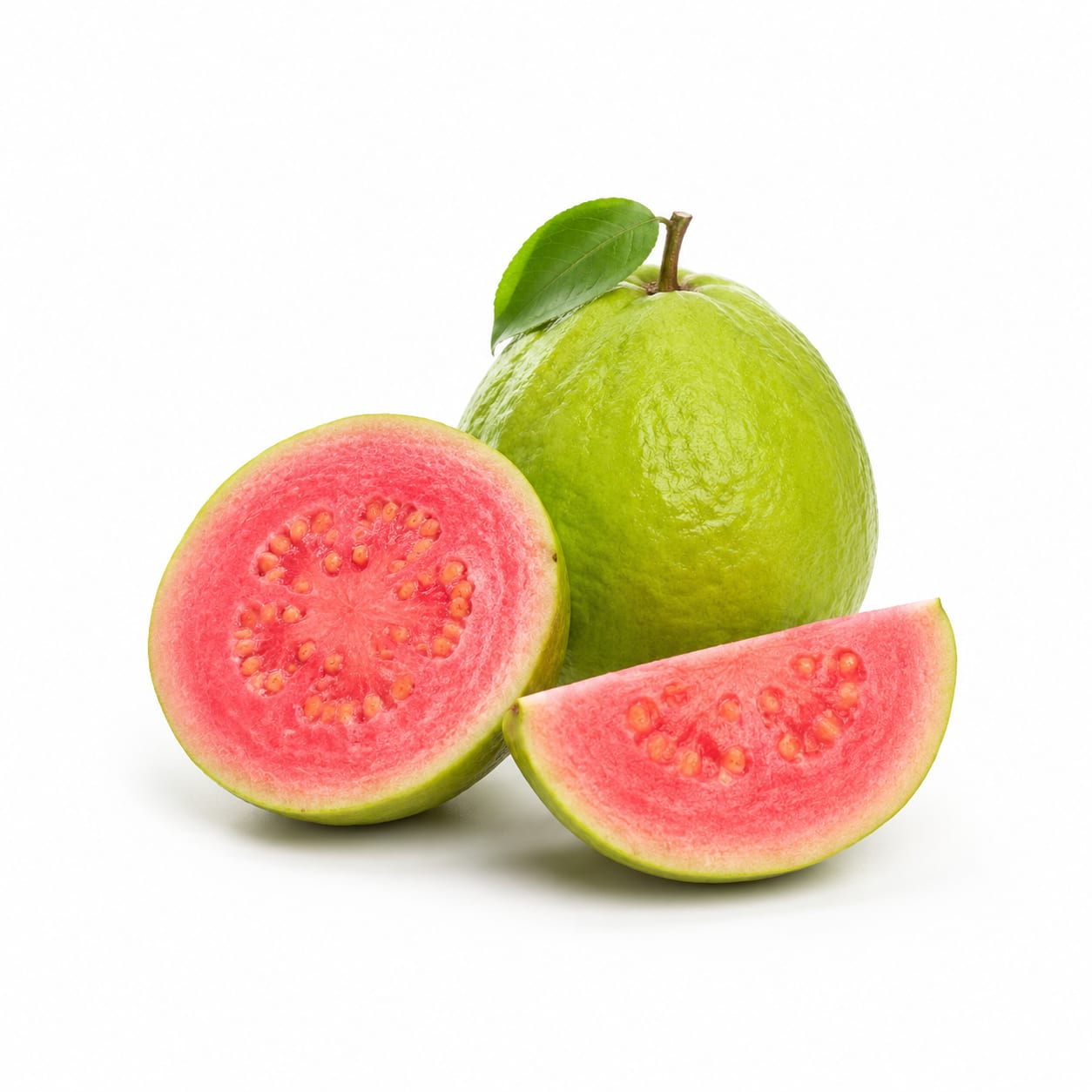
Guava
Guava wins for everyday nutrition and convenience, but quince holds unique value for digestive soothing and traditional culinary use.
Guava scores significantly higher due to its exceptional vitamin C content, raw eatability, and broader nutrient density. Quince remains valuable but is held back by its cooking requirement and more limited nutritional profile.
Guava delivers far more vitamin C and can be eaten raw effortlessly; quince requires cooking but offers distinctive pectin-based gut benefits and a comforting, aromatic quality guava cannot match.
At a glance
Executive summary
Overall
Guava
Healthier
Guava
More practical
Guava
Daily use
Guava
Key comparison lenses
nutritional density and vitamin C comparison
Guava is one of the most vitamin C-dense fruits on earth, while quince offers modest amounts — this gap defines much of the comparison
practical eatability and convenience
Quince is nearly inedible raw and requires cooking, while guava can be eaten straight — this fundamentally changes how each fits into daily life
digestive health and fiber quality
Both fruits are fiber-rich but quince's pectin content makes it specifically notable for gut soothing and digestive regulation
antioxidant diversity and lycopene
Pink guava delivers significant lycopene rarely found in fruits, while quince offers different phenolic antioxidants
blood sugar management
Both have low glycemic impact but quince's astringency and fiber structure may offer steadier glucose response
Best choice for
Quince
- People with sensitive digestion or IBS symptoms seeking soothing fiber
- Home cooks who enjoy preserving and traditional fruit preparations
- Anyone wanting a low-sugar, aromatic fruit for compotes and stews
- Those looking for gentle, pectin-rich gut support during illness recovery
Guava
- Anyone needing a massive vitamin C boost without supplements
- Busy people who want a grab-and-go nutritious fruit
- Families seeking a kid-friendly, naturally sweet tropical fruit
- People focused on immune support, skin health, and antioxidant intake
Least suitable for
Quince
- People wanting quick, no-prep snacks
- Anyone unfamiliar with cooking or preserving fruit
- Those expecting a sweet, ready-to-eat raw fruit experience
- People with limited access to specialty or seasonal produce
Guava
- People with tropical fruit allergies or sensitivities
- Those watching fructose intake closely due to IBS or SIBO
- Anyone in regions where guava is expensive or hard to find fresh
Deep comparison
Dimension by dimension
Each lens scores both foods and breaks down who each option suits.
- Dimension 1 · Priority 92Guava
Vitamin C and Immune Support
Quince · 25Guava · 97Guava destroys quince in vitamin C content — a single guava can deliver over 200mg, more than double the daily requirement, while quince provides only modest amounts.
Tradeoff
Choosing quince means you will need other vitamin C sources in your diet; guava essentially solves this nutrient need on its own.
Why it matters
Vitamin C is critical for immune function, collagen synthesis, and iron absorption. Most people do not get enough, and guava is one of the easiest ways to fix that.
Real-world impact
Eating one guava covers your vitamin C for the day. You would need to eat several cooked quince servings plus other fruits to match that.
Quince
- Relying on quince as a primary vitamin C source will leave you short
Worse for
Guava
- Immune system support during cold season
- Skin health and collagen production
- Iron absorption when eaten with iron-rich meals
- Recovery from illness or surgery
Better for
- Dimension 2 · Priority 88Guava
Convenience and Raw Eatability
Quince · 20Guava · 85Guava can be bitten into like an apple; quince is hard, astringent, and essentially requires cooking before it becomes palatable.
Tradeoff
Quince demands time, skill, and planning. Guava asks nothing — just wash and eat.
Why it matters
The easier a healthy food is to eat, the more likely you are to actually eat it consistently. Convenience drives long-term dietary habits.
Real-world impact
Guava fits in a lunchbox or bag for a quick snack. Quince means an hour of cooking before you get anything edible.
Quince
- No spontaneous snacking possible
- Requires kitchen access and cooking knowledge
- Less likely to be eaten regularly due to preparation barrier
Worse for
Guava
- Quick breakfast fruit
- Portable snacking
- Busy lifestyles with minimal prep time
- Kids who want something sweet and ready
Better for
- Dimension 3 · Priority 80Quince
Digestive Health and Gut Soothing
Quince · 88Guava · 72Quince's high pectin content and traditional use as a digestive remedy give it an edge for gut soothing, while guava offers good fiber but less targeted digestive benefit.
Tradeoff
Quince acts more like a gentle digestive medicine; guava provides solid everyday fiber but without the specific gut-calming reputation.
Why it matters
For people with sensitive stomachs, IBS, or recovering from illness, the right kind of fiber matters more than total fiber amount.
Real-world impact
Quince compote is a traditional remedy for upset stomach and diarrhea across Mediterranean and Middle Eastern cultures. Guava seeds can actually irritate some sensitive digestive systems.
Quince
- Soothing an upset stomach or diarrhea
- Gentle fiber during illness recovery
- IBS-friendly fruit option when cooked and strained
- Traditional gut-healing protocols
Better for
Guava
- General daily fiber intake for regular digestion
- Prebiotic support for healthy gut bacteria
Better for
- Seeds may bother sensitive digestive systems
Worse for
- Dimension 4 · Priority 75Guava
Antioxidant Diversity and Lycopene
Quince · 55Guava · 86Pink guava is one of the best fruit sources of lycopene, a powerful antioxidant linked to heart and prostate health. Quince offers phenolic compounds but less lycopene impact.
Tradeoff
Guava gives you a rare fruit-based lycopene source; quince provides different antioxidants but without the same research-backed cardiovascular benefits.
Why it matters
Lycopene is typically associated with tomatoes, so guava offers a sweet alternative for people who want cardiovascular protection without eating savory foods.
Real-world impact
Regular pink guava consumption may support heart health similarly to cooked tomato products, but in a sweet, snackable form.
Quince
- Phenolic antioxidant variety from a temperate fruit
Better for
- No significant lycopene contribution
Worse for
Guava
- Lycopene intake for heart and prostate health
- Broader antioxidant coverage including vitamin C synergy
- Skin protection from oxidative stress
Better for
- Dimension 5 · Priority 70It depends
Blood Sugar Stability
Quince · 78Guava · 76Both fruits have low glycemic impact. Quince's astringency and dense fiber slow absorption further, while guava's fiber and low GI also perform well.
Tradeoff
Quince may offer slightly steadier glucose response due to its tannin content and denser fiber matrix, but guava is also very blood-sugar friendly.
Why it matters
For diabetics and anyone avoiding energy crashes, both fruits are safe choices — this dimension does not meaningfully differentiate them.
Real-world impact
Neither fruit will cause a sugar spike. Both can be eaten by diabetics in reasonable portions without concern.
Quince
- Maximum glucose stability due to tannins and dense fiber
- Traditional use in diabetic-friendly preserves without added sugar
Better for
Guava
- Easier to actually eat regularly, which matters more than marginal GI differences
Better for
- Dimension 6 · Priority 68It depends
Culinary Versatility and Enjoyment
Quince · 70Guava · 74Guava works raw, in smoothies, jams, and desserts. Quince transforms into unique preserves, pastes, and aromatic dishes but within a narrower cooking-only range.
Tradeoff
Quince offers a deeper, more aromatic culinary experience but requires effort; guava is more versatile across raw and cooked applications with less work.
Why it matters
Food must be enjoyable to be sustainable. Quince rewards patience with unique flavor; guava delivers pleasure immediately.
Real-world impact
Quince paste with cheese is a gourmet experience. Guava in a morning smoothie is an everyday pleasure. Different contexts, different winners.
Quince
- Gourmet cooking and entertaining
- Traditional preserves and fruit cheeses
- Aromatic stews and tagines
- Unique flavor experiences for adventurous eaters
Better for
- Limited to cooked applications
Worse for
Guava
- Smoothies and juices
- Raw fruit salads and toppings
- Quick jams without extended cooking
- Kid-friendly desserts and snacks
Better for
- Less depth of flavor for slow-cooked dishes
Worse for
Timeline
Health impact over time
Short-term
Hours to days
Quince
- Requires cooking time before any nutritional benefit is accessible
- Pectin from cooked quince can quickly soothe mild digestive discomfort
- Aromatic compounds may provide mild mood-lifting effect during cooking
Guava
- Immediate vitamin C boost after eating, supporting energy and alertness
- Fiber provides quick satiety, reducing hunger between meals
- Natural sugars offer gentle energy without crash
Long-term
Months to years
Quince
- Consistent pectin intake supports healthy gut lining and digestive regularity
- Phenolic antioxidants contribute to reduced inflammation over time
- Low sugar load protects against metabolic issues with regular consumption
Guava
- Exceptional vitamin C intake supports immune resilience and skin aging prevention
- Lycopene from pink varieties contributes to cardiovascular protection long-term
- High fiber intake reduces risk of constipation, diverticular disease, and colorectal concerns
Risk profile
Safety & processing
Both quince and guava are whole, unprocessed fruits when purchased fresh. However, quince is commonly sold as paste or preserves with added sugar, which changes the equation. Fresh guava is almost always consumed in its natural state.
Quince
Added sugar in processed quince products
mediumQuince paste and preserves often contain significant added sugar, which can undermine the fruit's natural low-sugar advantage. Always check labels on prepared quince products.
Pesticide residue on conventionally grown quince
lowQuince is not a high-spray crop in most regions, but washing is still recommended. Organic options are widely available.
Guava
Pesticide residue on conventionally grown guava
mediumGuava can carry pesticide residue, especially on the skin. Washing thoroughly or choosing organic reduces exposure significantly.
Tropical fruit allergy cross-reactivity
lowSome individuals with latex allergy may react to guava due to cross-reactive proteins. This is uncommon but worth knowing if you have latex sensitivity.
Seed-related digestive irritation
lowGuava seeds are edible but can aggravate diverticulitis or sensitive bowels in some people. Straining or choosing seedless varieties avoids this.
Who wins for whom
Audience fit
Same foods, different winners depending on your goal.
children
GuavaKids prefer sweet, soft, ready-to-eat fruit. Guava is approachable and fun to eat. Quince's tartness and cooking requirement make it a hard sell for most children.
daily consumption
GuavaGuava's zero-prep eating and exceptional nutrient density make it sustainable as a daily fruit. Quince's cooking requirement limits how often most people will actually eat it.
diabetes
It dependsBoth are low-glycemic fruits safe for diabetics. Quince's tannins may offer slightly steadier glucose control, but guava's ease of regular consumption matters more for consistent blood sugar management.
elderly
QuinceQuince's gentle, cooked texture and digestive soothing properties make it ideal for older adults with sensitive digestion. Guava seeds can be problematic for aging digestive systems.
muscle gain
GuavaNeither fruit is a protein source, but guava's vitamin C content helps with collagen synthesis and exercise recovery. Its convenience also makes it easier to eat alongside protein-rich meals.
weight loss
GuavaGuava's low calorie density, high fiber, and raw eatability make it easier to incorporate into a weight loss plan. Quince is also low-calorie but requires cooking, making it less convenient for frequent snacking.
Your move
Decision guide
Choose Quince
- You enjoy cooking and want a unique, aromatic fruit for preserves and compotes
- You have sensitive digestion and want a gentle, soothing fruit option
- You are looking for traditional remedies for upset stomach or diarrhea
- You want a low-sugar fruit for savory-sweet dishes like tagines and stews
- You value slow, intentional food preparation as part of your eating philosophy
Choose Guava
- You want maximum nutrition with zero preparation effort
- You need a reliable daily vitamin C source from whole food
- You are building an immune-supportive eating pattern
- You want a kid-friendly, portable, naturally sweet snack
- You are interested in lycopene intake without eating tomato products
Either works if
- You want a low-glycemic fruit that will not spike blood sugar
- You are looking for whole-food fiber sources beyond common options
- You enjoy exploring less mainstream fruits for variety
Avoid both if
- You have a strict low-FODMAP requirement and are in the elimination phase
- You are seeking high-protein fruit options — neither delivers meaningful protein
- You have severe fructose malabsorption and need to limit all fruit intake
Final recommendation
Keep guava in your regular rotation for its unmatched vitamin C, convenience, and lycopene. Save quince for when you want something more intentional — a slow-cooked compote, a digestive remedy, or a gourmet pairing with cheese. They serve different purposes, and both deserve a place in a thoughtful diet.
Practical
Consumer tips
- 1
Choose pink or red guava over white varieties for significantly more lycopene
- 2
If buying prepared quince paste, check the sugar content — some brands add more sugar than fruit
- 3
Poaching quince with a cinnamon stick and minimal sweetener preserves its health benefits while making it delicious
- 4
Wash guava thoroughly even if you plan to peel it, as pesticide residue transfers during cutting
- 5
If guava is hard when purchased, let it ripen at room temperature for a day or two until slightly soft
- 6
Quince freezes well after cooking — make a large batch of poached quince and portion it for easy future use
- 7
For sensitive digestion, strain guava pulp to remove seeds, or choose seedless varieties