
Nutrition comparison
Quince vs Pear: Which Fruit Is Healthier for You?
Compare quince and pear on sugar, fiber, convenience, and health benefits. Discover when quince's low sugar and anti-inflammatory edge outweighs pear's everyday practicality.
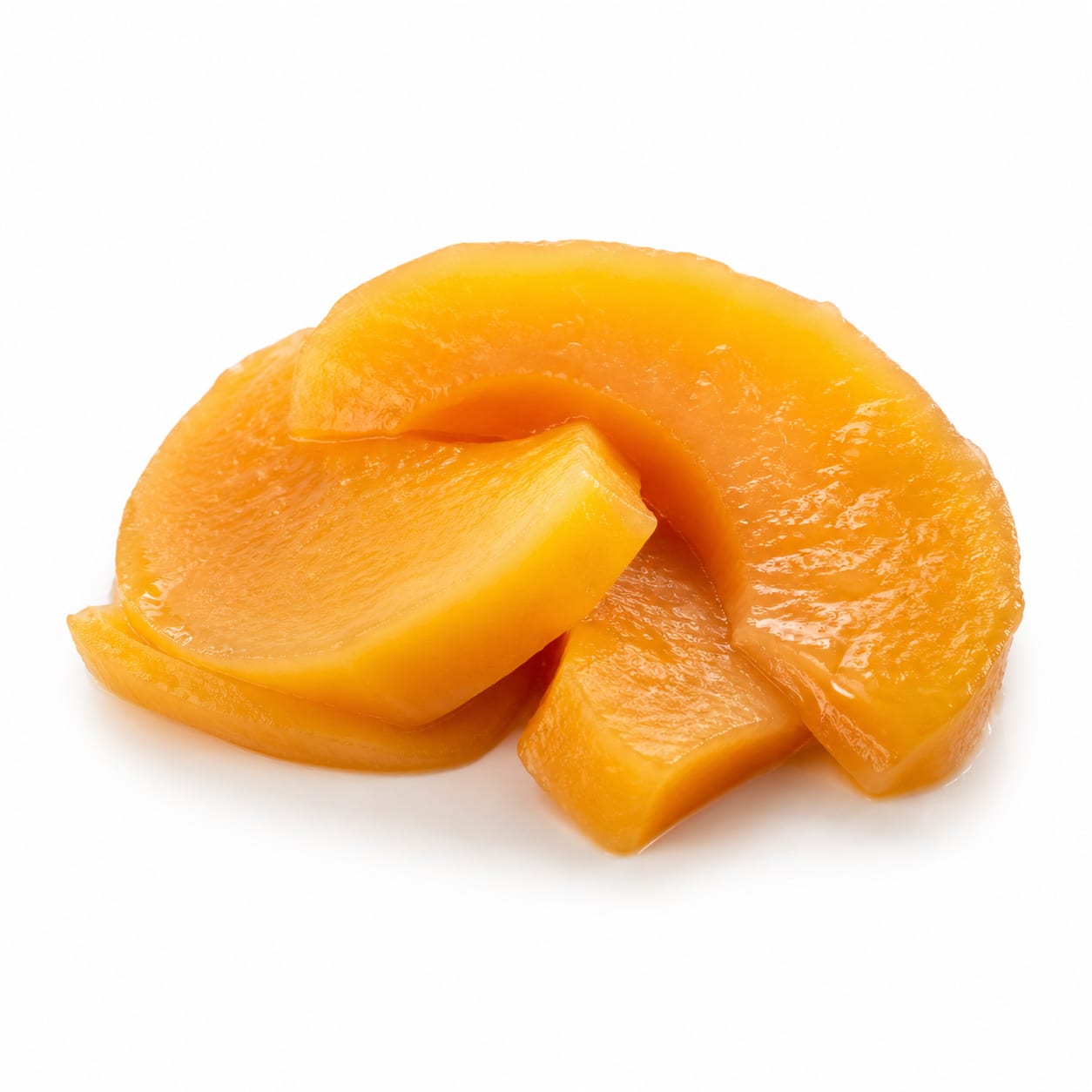
Quince
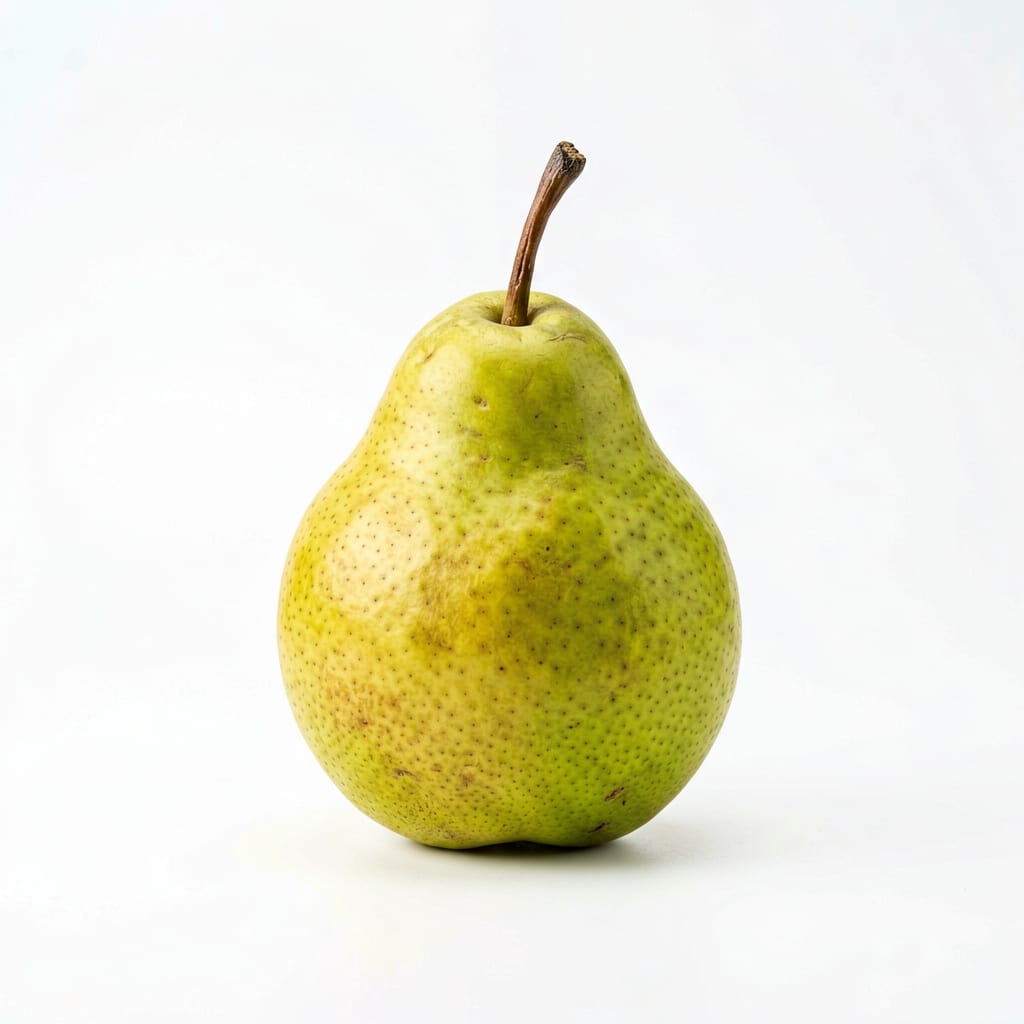
Pear
Pears win on convenience and everyday eatability, but quince offers lower sugar and unique medicinal compounds if you're willing to cook
Pear scores higher mainly due to practicality and everyday usability. Quince has a nutritional edge in sugar content and unique antioxidants, but its requirement for cooking significantly limits how often people actually eat it. In real life, the fruit you eat regularly beats the fruit you rarely prepare.
Instant snack with more sugar versus a medicinal, low-sugar fruit that requires patience and preparation
At a glance
Executive summary
Overall
It depends
Healthier
Quince
More practical
Pear
Daily use
Pear
Key comparison lenses
everyday snacking convenience
Quince is inedible raw while pears are a grab-and-go fruit, making convenience the starkest difference
blood sugar and sugar content
Quince has significantly less sugar, appealing to those managing glucose or reducing sweet intake
fiber and digestive health
Both are fiber-rich but quince offers more pectin, which has specific gut health benefits
culinary effort and versatility
Quince demands cooking time and skill, while pears work raw or cooked with zero prep
antioxidant and anti-inflammatory value
Quince contains unique phenolic compounds with documented anti-inflammatory properties
Best choice for
Quince
- People managing blood sugar who want fruit with minimal sweetness
- Home cooks who enjoy slow food and preserving traditions
- Those seeking anti-inflammatory compounds and traditional remedy benefits
- Anyone looking to reduce overall sugar intake while still eating fruit
Pear
- Busy people needing a portable, no-prep snack
- Families with children who want an easy, sweet fruit option
- Athletes needing quick-digesting carbs before or after training
- Anyone wanting reliable daily fruit intake without cooking effort
Least suitable for
Quince
- People with minimal time or cooking access
- Children expecting sweet, ready-to-eat fruit
- Anyone unfamiliar with cooking techniques like poaching or baking
Pear
- People strictly limiting fructose or sugar intake
- Those with severe pear allergies (birch pollen cross-reactivity)
- Diabetics who are very sensitive to sweeter fruits
Deep comparison
Dimension by dimension
Each lens scores both foods and breaks down who each option suits.
- Dimension 1 · Priority 92Quince
sugar content and blood sugar impact
Quince · 88Pear · 58Quince contains roughly half the sugar of pears, making it gentler on blood glucose
Tradeoff
You get steadier blood sugar with quince but sacrifice the immediate sweet satisfaction pears provide
Why it matters
For anyone monitoring glucose, the difference between 7g and 16g of sugar per serving is significant
Real-world impact
Eating quince after a meal won't cause the energy dip that a sweet pear sometimes triggers an hour later
Quince
- Steadier energy without sugar crashes
- Better for diabetic or pre-diabetic diets
- Less likely to trigger sugar cravings
Better for
- Won't satisfy a sweet craving on its own
Worse for
Pear
- Quick natural energy when you need it
- More satisfying sweet tooth replacement than processed snacks
Better for
- Higher sugar can spike glucose in sensitive individuals
- May trigger overeating due to sweetness
Worse for
- Dimension 2 · Priority 85Quince
fiber and digestive health
Quince · 86Pear · 78Quince is richer in pectin, a soluble fiber that feeds gut bacteria and soothes digestion, while pears offer solid but less specialized fiber
Tradeoff
Quince provides more therapeutic fiber for gut healing, but pears deliver comfortable everyday regularity with less effort
Why it matters
Pectin has been used traditionally to treat diarrhea and soothe the intestinal tract, giving quince a medicinal edge
Real-world impact
If you have occasional digestive upset, cooked quince acts more like a remedy while pears act more like maintenance
Quince
- Higher pectin content supports gut lining health
- Traditional remedy for diarrhea and stomach upset
- More effective prebiotic fiber per serving
Better for
- Benefits require cooking, which can reduce some fiber content
Worse for
Pear
- Gentle everyday regularity without cooking
- Easier to consume consistently for cumulative fiber benefits
Better for
- Less pectin means less targeted gut-soothing potential
Worse for
- Dimension 3 · Priority 95Pear
convenience and practicality
Quince · 25Pear · 92Pears are ready to eat anywhere; quince must be cooked before it becomes palatable at all
Tradeoff
You trade zero-prep snacking for a fruit that requires peeling, cooking, and sweetening to become enjoyable
Why it matters
The best fruit nutritionally is the one you actually eat regularly, and cooking barriers dramatically reduce consistency
Real-world impact
A pear takes 0 seconds to prepare. Quince takes 40-60 minutes of cooking before it's edible
Quince
- Encourages mindful, intentional cooking and meal prep habits
Better for
- Cannot be eaten raw without an unpleasant astringent experience
- Hard to find in many supermarkets
- Requires added sugar or honey to taste good when cooked
Worse for
Pear
- Grab-and-go for busy mornings or afternoon snacks
- No cooking skills or equipment needed
- Available in most grocery stores year-round
Better for
- Bruise easily and can overripen quickly on the counter
Worse for
- Dimension 4 · Priority 78Quince
antioxidant and anti-inflammatory value
Quince · 82Pear · 68Quince contains unique phenolic compounds and flavonoids with documented anti-inflammatory and antimicrobial properties
Tradeoff
More medicinal compounds in quince, but you'd need to eat it regularly to benefit, which is harder given the cooking requirement
Why it matters
Chronic inflammation underlies many diseases, and quince has been used in traditional medicine across cultures for centuries
Real-world impact
Regular quince consumption may help with joint discomfort and inflammatory markers, but consistency is the challenge
Quince
- Higher concentration of anti-inflammatory phenolics
- Traditional use for respiratory and urinary tract support
- Unique flavonoid profile not found in common fruits
Better for
- Cooking may reduce some heat-sensitive antioxidants
- Irregular consumption limits real-world anti-inflammatory impact
Worse for
Pear
- Consistent intake is easier, compounding antioxidant benefits over time
Better for
- Less concentrated antioxidant profile per serving
Worse for
- Dimension 5 · Priority 72Quince
satiety and fullness
Quince · 80Pear · 65Quince's dense fiber and pectin create a more filling experience per calorie, while pears digest faster due to higher water and sugar content
Tradeoff
Quince keeps you fuller longer but requires a meal context, while pears are lighter and better as a quick between-meal bite
Why it matters
Feeling full on fewer calories helps with weight management and reduces snacking urges
Real-world impact
A serving of cooked quince after dinner feels like a satisfying close to a meal. A pear two hours later leaves you wanting more
Quince
- More filling per calorie due to dense fiber
- Pectin slows gastric emptying for longer satisfaction
Better for
- Too heavy as a pre-workout or light snack option
Worse for
Pear
- Light enough to eat before exercise without feeling heavy
- Better as a quick hunger bridge between meals
Better for
- Higher sugar and water content means faster return of hunger
Worse for
- Dimension 6 · Priority 65Pear
vitamin and mineral density
Quince · 62Pear · 72Pears offer more vitamin C, potassium, and copper per serving, while quince provides modest amounts of several minerals
Tradeoff
Pears deliver more measurable micronutrients per bite, but quince's medicinal compounds compensate in other ways
Why it matters
Vitamin C and potassium are commonly under-consumed nutrients that both fruits can help supply
Real-world impact
Eating a pear gives you a meaningful vitamin C bump for the day. Quince contributes less on the vitamin front
Quince
- Contains iron and potassium in useful amounts
- Vitamin C content increases availability when cooked with added lemon
Better for
- Lower overall vitamin content per serving
- Cooking reduces already modest vitamin C levels
Worse for
Pear
- Better source of vitamin C per serving
- More potassium for heart and muscle function
- Copper content supports iron absorption and energy
Better for
- Not a standout source of any single micronutrient
Worse for
Timeline
Health impact over time
Short-term
Hours to days
Quince
- Provides steady energy without sugar spikes when consumed cooked
- Soothes mild digestive discomfort due to pectin content
- Requires preparation time, which may discourage immediate consumption
Pear
- Quick hydration and natural energy from water and sugar content
- Gentle digestive regularity from fiber when eaten with skin
- May cause bloating in sensitive individuals if consumed unripe
Long-term
Months to years
Quince
- Anti-inflammatory compounds may reduce chronic disease markers with regular intake
- Low sugar profile supports metabolic health over years of consumption
- Pectin feeds beneficial gut bacteria, supporting microbiome diversity
Pear
- Consistent fiber intake supports cardiovascular health and cholesterol management
- Potassium contributes to long-term blood pressure regulation
- Regular fruit consumption correlates with lower chronic disease risk in population studies
Risk profile
Safety & processing
Both fruits are whole, unprocessed foods in their natural state. However, quince almost always requires added sugar or honey during cooking to become palatable, which introduces processed sweeteners. Pears need nothing added to be enjoyed as-is.
Quince
Added sugar during preparation
mediumMost quince recipes require significant added sugar to balance astringency, which can undermine its low-sugar advantage
Pesticide residue on conventionally grown fruit
lowQuince has thick skin that protects the flesh, and it's not heavily treated compared to other orchard fruits
Pear
Pesticide residue on conventionally grown pears
mediumPears consistently appear on EWG's Dirty Dozen list due to detectable pesticide residues on non-organic fruit
Allergic cross-reactivity for birch pollen sufferers
mediumPeople with birch pollen allergy may experience oral allergy syndrome with raw pears, causing mouth and throat itching
Who wins for whom
Audience fit
Same foods, different winners depending on your goal.
children
PearSweet taste and soft texture make pears an easy sell for kids, while quince's astringency and cooking requirement make it impractical for most children
daily consumption
PearPears require zero preparation and are available everywhere, making daily consumption realistic. Quince's cooking barrier makes daily intake unlikely for most people
diabetes
QuinceSignificantly lower sugar content and higher pectin slow glucose absorption, making quince gentler on blood sugar when prepared without excessive added sweeteners
elderly
PearSoft, ripe pears are easy to chew and digest, while quince requires cooking and may be too firm or tart for elderly preferences
muscle gain
PearPears provide quicker-digesting carbs useful around workouts and are easy to eat consistently for caloric support
weight loss
QuinceLower sugar and higher satiety per calorie make quince more filling with less caloric impact, though the added sugar in cooking can negate this if not carefully managed
Your move
Decision guide
Choose Quince
- You enjoy cooking and want a medicinal, low-sugar fruit with gut-soothing properties
- You're managing blood sugar and want fruit that won't spike glucose
- You're interested in traditional remedies and anti-inflammatory foods
- You make preserves, jams, or compotes and want a fruit that excels in those forms
Choose Pear
- You need a convenient daily fruit that requires zero preparation
- You want something sweet that still provides fiber and micronutrients
- You're feeding a family and need kid-friendly, accessible fruit
- You exercise regularly and benefit from quick-digesting natural carbs
Either works if
- You want to increase daily fruit intake and both are available
- You're focused on fiber consumption from whole food sources
- You enjoy variety and want to rotate fruits seasonally
Avoid both if
- You have severe fructose intolerance or malabsorption issues
- You're on a very low-carb or ketogenic diet that restricts all fruit
Final recommendation
Keep pears as your everyday fruit for convenience and consistency, but treat quince as a therapeutic addition when you have time to cook. The best health outcomes come from regular intake, and pears make that easy. Add quince during autumn months for its unique anti-inflammatory benefits and lower sugar profile, especially if you're managing blood glucose or digestive issues. If you cook quince, go light on added sugar to preserve its metabolic advantage.
Practical
Consumer tips
- 1
Choose organic pears when possible, as they rank high for pesticide residue on conventionally grown fruit
- 2
If cooking quince, use cinnamon, vanilla, or lemon zest instead of heavy sugar to add flavor without negating the low-sugar benefit
- 3
Ripe pears should yield slightly near the stem — if rock hard, leave at room temperature for 2-3 days
- 4
Quince turns a beautiful rose color when slow-cooked, which makes it feel like a special occasion food worth the effort
- 5
Pair quince with protein-rich foods like Greek yogurt to create a balanced snack that maximizes its satiety benefits
- 6
If you have birch pollen allergy, try cooking pears briefly — heat often denatures the protein responsible for oral allergy syndrome