
Nutrition comparison
Quince vs Plum: Which Fruit Is Better for Your Health Goals?
Compare quince and plum on sugar content, digestion benefits, convenience, and more. Find out which fruit fits your lifestyle and health needs better.
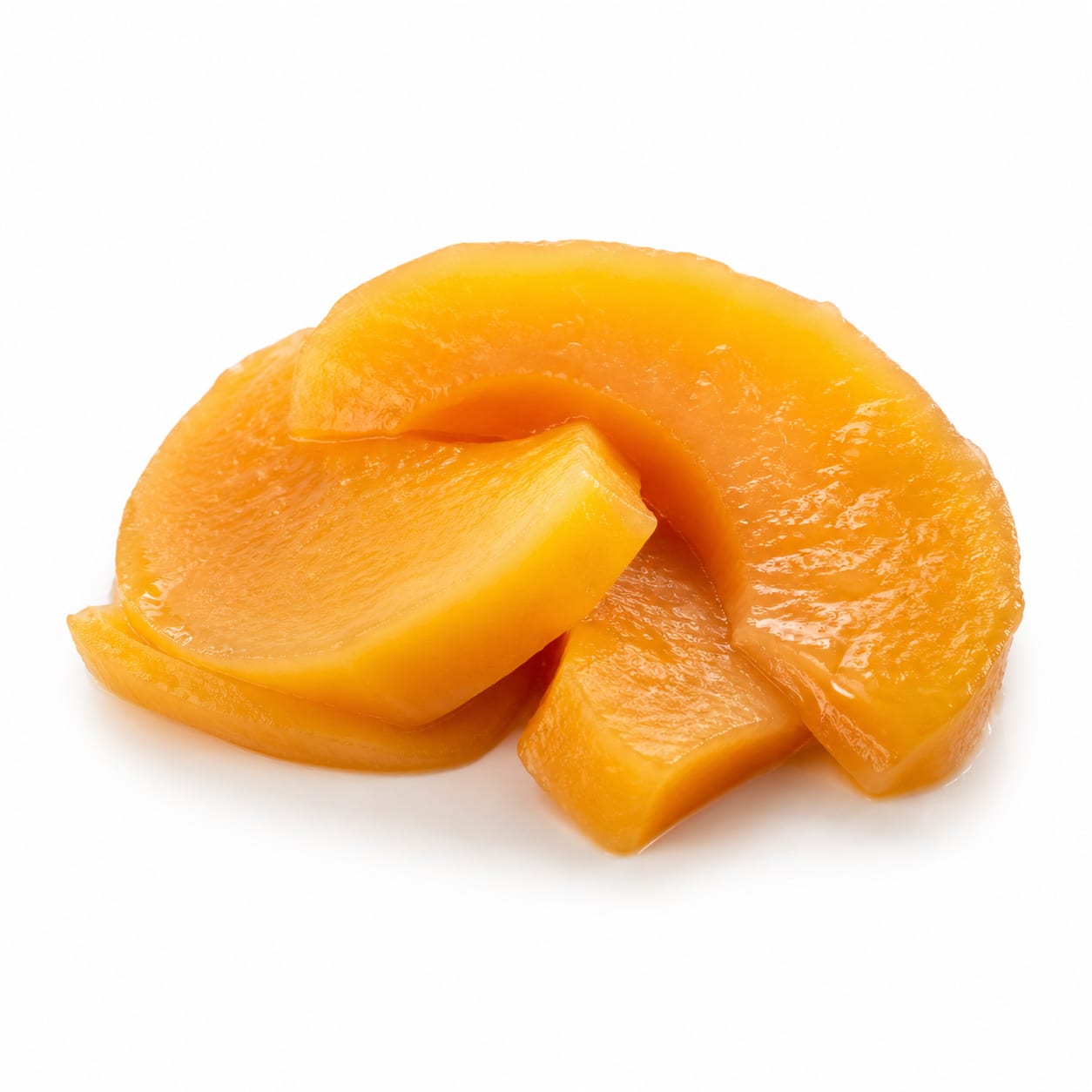
Quince
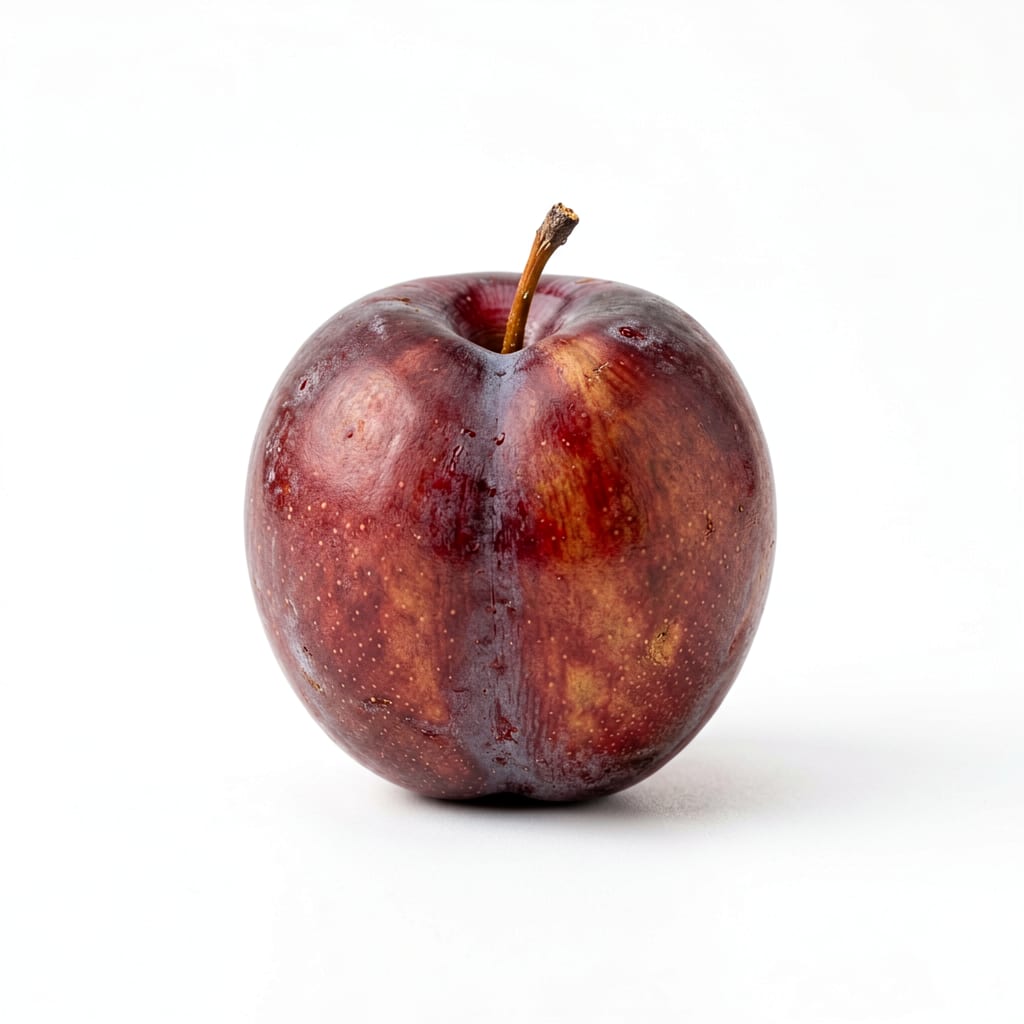
Plum
Plum wins on convenience and everyday eatability; quince wins on lower sugar and unique culinary depth. They serve completely different purposes.
Plum scores higher mainly due to everyday practicality and broader nutrient accessibility. Quince earns strong marks for low sugar and unique benefits but loses ground on convenience and availability.
You trade grab-and-go simplicity and natural sweetness for a lower-sugar, aromatic fruit that rewards cooking patience
At a glance
Executive summary
Overall
It depends
Healthier
It depends
More practical
Plum
Daily use
Plum
Key comparison lenses
everyday snack convenience
Quince is almost never eaten raw while plums are a grab-and-go fruit, making convenience the starkest difference
sugar and blood sugar management
Quince is significantly lower in sugar, which matters for glucose-conscious users comparing fruits
digestive health and regularity
Plums are famous for digestive benefits while quince has traditional use for gut soothing, creating a meaningful contrast
culinary versatility and tradition
These fruits serve completely different kitchen roles — one is a cooking staple, the other a fresh eating staple
antioxidant and anti-inflammatory value
Both offer phytonutrients but through different compounds, relevant for long-term health-focused users
Best choice for
Quince
- People managing blood sugar who want fruit with minimal sweetness
- Home cooks who enjoy making preserves, pastes, or poached desserts
- Anyone seeking a soothing, mild fruit for sensitive digestion
- Mediterranean or Middle Eastern cuisine enthusiasts
Plum
- Busy people who need a portable no-prep snack
- Anyone dealing with constipation or sluggish digestion
- Families with children who prefer sweet, soft fruit
- Meal preppers wanting a quick fresh fruit option
Least suitable for
Quince
- People wanting a quick raw snack on the go
- Anyone unfamiliar with cooking fruit before eating
- Those who dislike tart or astringent flavors even after cooking
- Shoppers with limited access to specialty produce
Plum
- People strictly limiting fruit sugar intake
- Anyone with sorbitol sensitivity or IBS triggered by stone fruits
- Those seeking a fruit that doubles as a cooking ingredient for preserves
- Users looking for very low-calorie fruit options
Deep comparison
Dimension by dimension
Each lens scores both foods and breaks down who each option suits.
- Dimension 1 · Priority 92Plum
convenience and eatability
Quince · 25Plum · 90Plums are ready to eat raw; quince must be cooked to be palatable due to extreme astringency when raw.
Tradeoff
Quince demands 30-60 minutes of cooking time but transforms into something entirely different and aromatic. Plums give you instant gratification with zero effort.
Why it matters
If a fruit sits in your kitchen uneaten because it requires cooking, its nutritional value becomes theoretical. Convenience drives consistency.
Real-world impact
A plum gets eaten on the way to work. A quince sits on the counter until you find time to poach it — which may be never for busy households.
Quince
- Weekend cooking projects
- Making homemade gifts like quince paste or membrillo
Better for
- Grab-and-go mornings
- Anyone who rarely cooks
Worse for
Plum
- Lunchboxes and office snacks
- Post-workout quick carbs
- Travel fruit that needs no prep
Better for
- Gourmet cooking applications
- Traditional preserve-making
Worse for
- Dimension 2 · Priority 85Quince
sugar content and blood sugar impact
Quince · 82Plum · 55Quince contains roughly half the sugar of plums, making it noticeably gentler on blood glucose.
Tradeoff
You get less natural sweetness but far more metabolic steadiness. Plums taste better raw but hit your bloodstream harder.
Why it matters
For prediabetics, insulin-resistant individuals, or anyone avoiding energy crashes, sugar content in fruit is not trivial.
Real-world impact
A quince-based dessert won't give you the afternoon slump that a couple of plums might. The difference is meaningful if you're tracking glycemic load.
Quince
- Low-carb and keto-adjacent eaters
- Prediabetics monitoring fruit sugar
- Anyone prone to sugar crashes
Better for
- Anyone needing fast energy replenishment
Worse for
Plum
- Athletes needing quick natural sugar post-exercise
- Children who need palatable fruit calories
Better for
- Metabolic syndrome management
- Sugar-restricted diets
Worse for
- Dimension 3 · Priority 78Plum
digestive health
Quince · 65Plum · 82Plums are well-known for promoting bowel regularity through sorbitol and fiber. Quince soothes the gut but acts more as a calming agent than a stimulant.
Tradeoff
Plums get things moving; quince calms things down. Opposite digestive directions for opposite problems.
Why it matters
Digestive complaints are among the most common health issues. The right fruit depends on whether you're dealing with sluggishness or sensitivity.
Real-world impact
Eating two plums reliably helps with constipation within hours. Quince preparations are traditionally used for upset stomachs and diarrhea — a completely different use case.
Quince
- Sensitive digestion and loose stools
- Gastric inflammation and discomfort
- Traditional gut-soothing remedies
Better for
- Anyone already prone to constipation
Worse for
Plum
- Chronic constipation
- Sluggish bowel motility
- Post-antibiotic gut rebooting
Better for
- IBS-D sufferers sensitive to sorbitol
- Anyone with chronic loose stools
Worse for
- Dimension 4 · Priority 65It depends
antioxidant and phytonutrient profile
Quince · 70Plum · 72Both offer valuable but different antioxidants. Dark plums provide anthocyanins; quince offers unique phenolic compounds and vitamin C that survive cooking reasonably well.
Tradeoff
Neither dominates. Plums give you broader antioxidant variety in a convenient package. Quince gives you concentrated phenolics if you're willing to cook it.
Why it matters
Long-term disease prevention comes from diverse phytonutrient intake, not just one superfood.
Real-world impact
Eating both across a week gives you better coverage than doubling down on either one alone.
Quince
- Targeted phenolic compound intake
- Traditional anti-inflammatory preparations
Better for
- Raw consumption loses some benefits
- Less variety in common antioxidant classes
Worse for
Plum
- Anthocyanin intake from dark-skinned varieties
- Convenient daily antioxidant dosing
Better for
- Antioxidant value drops with overripe fruit
Worse for
- Dimension 5 · Priority 70Quince
fiber and satiety
Quince · 78Plum · 68Quince packs more fiber per serving, especially pectin, which creates a lasting fullness. Plums provide decent fiber but less satiety per calorie.
Tradeoff
Quince fills you up more but requires cooking to unlock that fiber. Plums give you moderate fiber instantly.
Why it matters
Fiber isn't just about digestion — it's about not being hungry again 45 minutes after eating fruit.
Real-world impact
A serving of cooked quince feels like a substantial snack. A plum feels like a light bite — pleasant but not filling.
Quince
- Appetite management between meals
- High-pectin diets for cholesterol support
Better for
- Anyone wanting a light pre-workout snack
Worse for
Plum
- Light snacking without feeling heavy
- Pre-meal fiber without fullness
Better for
- Those relying on fruit to bridge long gaps between meals
Worse for
- Dimension 6 · Priority 75Plum
availability and affordability
Quince · 30Plum · 88Plums are available in nearly every grocery store year-round. Quince has a short season and limited availability even in season.
Tradeoff
You can act on a plum purchase immediately. Quince requires planning, sourcing, and often paying a premium.
Why it matters
The healthiest food is the one you can actually find and afford consistently.
Real-world impact
Most people have never cooked quince simply because they've never seen it for sale. Plums are always an option.
Quince
- Farmers market shoppers in autumn
- Mediterranean or specialty grocers
Better for
- Anyone without specialty produce access
- Off-season demand
Worse for
Plum
- Year-round fruit buyers
- Budget-conscious shoppers
- Rural and small-town consumers
Better for
- Out-of-season imported plums can be mealy and disappointing
Worse for
Timeline
Health impact over time
Short-term
Hours to days
Quince
- Requires cooking, so short-term benefits are delayed until preparation is complete
- Pectin-rich preparations create noticeable fullness after eating
- Gentle on blood sugar with no crash risk
Plum
- Immediate eating satisfaction with natural sweetness
- Sorbitol can stimulate bowel movement within hours
- Natural sugar provides quick but short-lasting energy
Long-term
Months to years
Quince
- Consistent low-sugar fruit intake supports metabolic stability
- High pectin intake may help maintain healthy cholesterol levels
- Traditional use suggests gut-soothing benefits with regular consumption
Plum
- Regular consumption supports bowel regularity and digestive transit
- Anthocyanin intake from dark varieties supports vascular health
- Consistent fruit sugar intake requires portion awareness for metabolic health
Risk profile
Safety & processing
Both are whole, unprocessed fruits in their natural state. However, quince is almost always consumed with added sugar in cooking (syrups, pastes, preserves), which changes its real-world processing profile. Plums are typically eaten as-is.
Quince
Added sugar in common preparations
mediumMost quince recipes call for significant added sugar to balance astringency, which undermines its natural low-sugar advantage
Pesticide residue on conventional crops
lowQuince has thick skin that protects the flesh, and it's not a heavily sprayed crop, but washing is still recommended
Plum
Pesticide residue on conventional plums
mediumPlums are on the moderate-residue list for stone fruits; peeling or choosing organic reduces exposure significantly
Sorbitol overload causing digestive distress
lowEating several plums at once can cause bloating, gas, or diarrhea in sensitive individuals due to sorbitol content
Cyanogenic compounds in pits
lowPlum pits contain amygdalin which releases cyanide when crushed; never eat cracked pits, though accidental whole-pit ingestion is harmless
Who wins for whom
Audience fit
Same foods, different winners depending on your goal.
children
PlumPlums are sweet, soft, and easy to eat — children accept them readily. Quince requires cooking and has a complex flavor most kids reject
daily consumption
PlumPracticality wins for daily use. A plum requires zero effort; quince demands planning and cooking most people won't sustain daily
diabetes
QuinceSignificantly lower sugar content and higher pectin make quince gentler on blood glucose, provided it's not cooked with heavy syrup
elderly
PlumPlums address common elderly concerns like constipation and are soft enough for dental issues. Quince preparations can also be soft but require someone to cook them
muscle gain
PlumPlums provide quicker carbohydrates useful around training, though neither fruit is a significant protein source
weight loss
QuinceLower sugar and higher fiber per calorie make quince more satiating with less caloric impact — if prepared without excessive added sugar
Your move
Decision guide
Choose Quince
- You enjoy cooking and want a fruit that transforms into something special
- Blood sugar management is a top priority for you
- You want a high-fiber, filling fruit that won't spike glucose
- You're dealing with sensitive digestion or loose stools
- You have access to a good farmers market or Mediterranean grocer in autumn
Choose Plum
- You need a no-prep fruit you'll actually eat consistently
- Constipation or sluggish digestion is your main concern
- You want a lunchbox-friendly snack for yourself or kids
- Quick natural energy matters more than minimizing sugar
- Availability and affordability are deciding factors
Either works if
- You simply want more fruit variety in your diet
- You're looking for whole-food antioxidant sources
- Neither fruit is a dietary staple for you — just occasional enjoyment
Avoid both if
- You have a severe fructose intolerance or malabsorption issue
- You're on a very strict low-FODMAP elimination phase
- You need high-protein or high-calorie fruit alternatives
Final recommendation
Keep plums as your everyday fruit for convenience and digestive regularity. Treat quince as a seasonal specialty — cook it when you find it, enjoy its unique aroma and low sugar, but don't rely on it for daily nutrition. If you cook quince, go light on added sugar to preserve its metabolic advantage.
Practical
Consumer tips
- 1
Choose dark-skinned plum varieties for the highest anthocyanin content — the color is the nutrient
- 2
When cooking quince, try reducing added sugar by a third from any recipe — the natural floral flavor still shines
- 3
Poached quince keeps in the fridge for a week and pairs beautifully with yogurt or oatmeal for breakfast
- 4
If plums cause bloating, limit to one at a time and avoid pairing with other high-sorbitol foods
- 5
Freeze overripe plums for smoothies rather than discarding them — they blend beautifully
- 6
Quince paste (membrillo) with cheese is a traditional pairing that needs very little paste to feel satisfying