
Nutrition comparison
Quince vs Pomegranate: Nutrition, Antioxidants & Which is Healthier
Compare Quince vs Pomegranate to see which fruit is better for antioxidants, weight loss, and daily snacking. Learn the nutritional tradeoffs and best uses for each.
Overall winner · Pomegranate
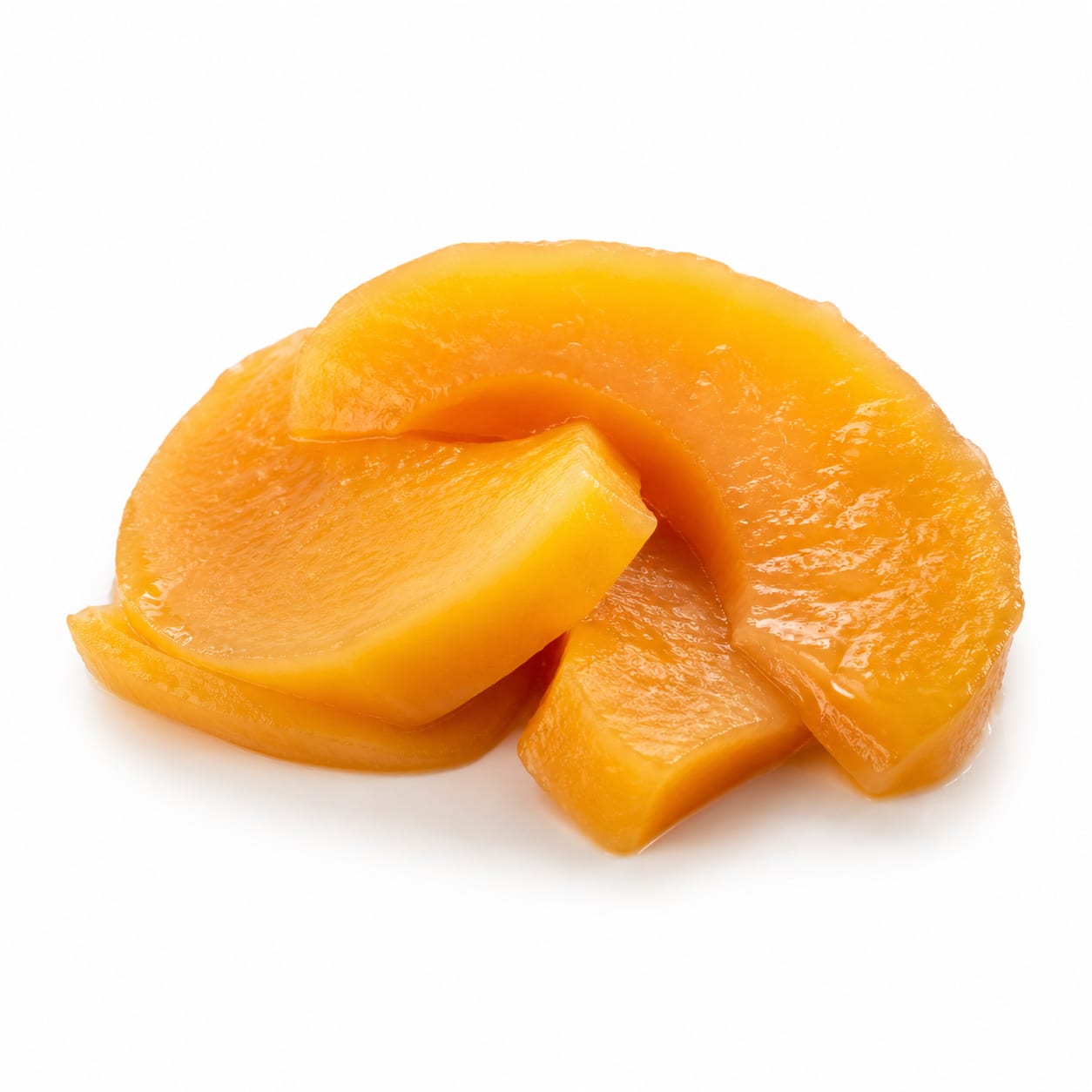
Quince
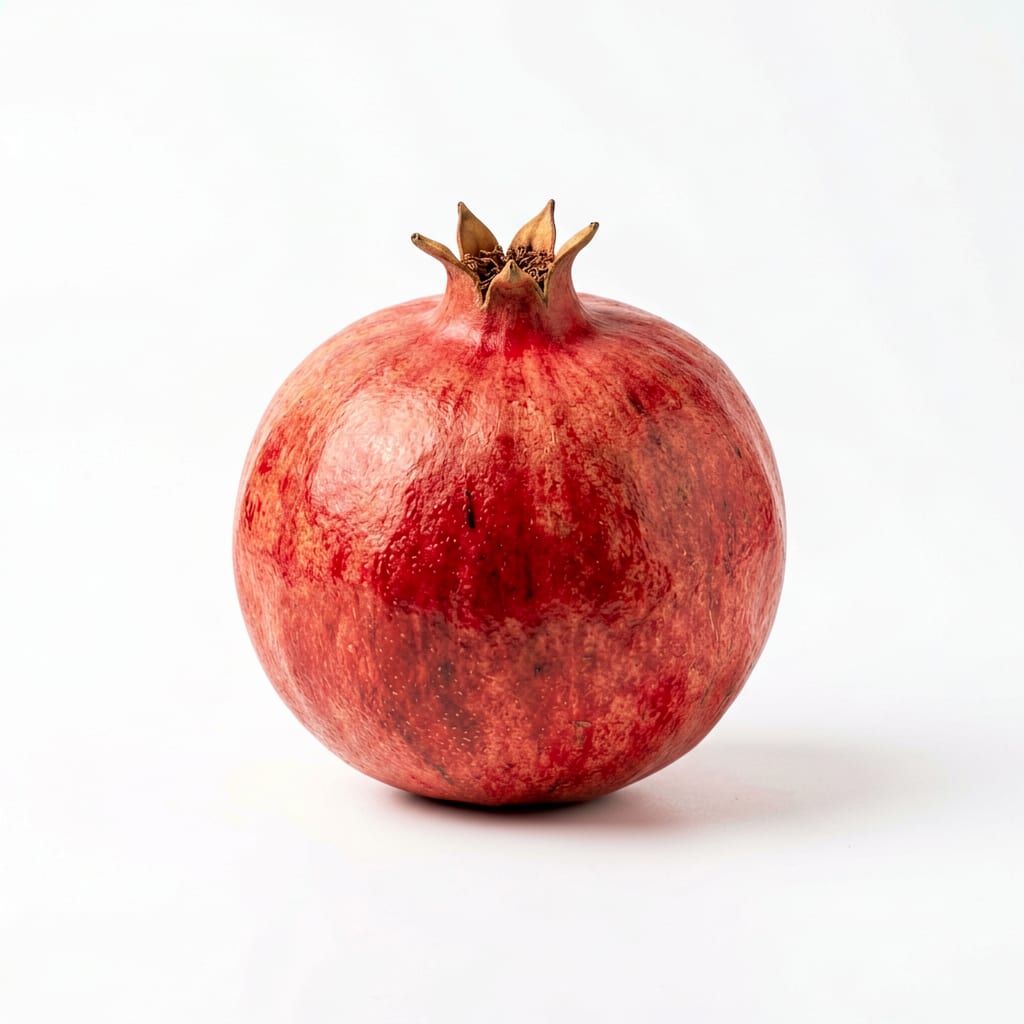
Pomegranate
Pomegranate offers superior convenience and raw antioxidant power, while Quince provides unique culinary versatility but requires cooking and often added sugar.
Pomegranate scores higher due to its exceptional raw antioxidant profile and grab-and-go convenience. Quince loses points because it is inedible raw and typically requires added sugar to become palatable, though it shines in specific culinary and digestive contexts.
Ready-to-eat superfruit versus a cooking fruit that transforms from inedible to delicious but often with added sweeteners.
At a glance
Executive summary
Overall
Pomegranate
Healthier
Pomegranate
More practical
Pomegranate
Daily use
Pomegranate
Key comparison lenses
Antioxidant power and anti-inflammatory benefits
Pomegranate is renowned for its potent polyphenols, while Quince offers different, more subtle antioxidant profiles that change with cooking.
Culinary practicality and ease of consumption
Pomegranate is ready to eat raw, whereas Quince is astringent and hard, requiring cooking to become palatable.
Sugar and sweetener dependency
Raw Quince is low in sugar but almost always requires added sweeteners when cooked, while Pomegranate is naturally sweet and eaten as-is.
Digestive health and gut soothing
Quince has a long history of use as a digestive remedy due to its pectin content, offering a specific functional benefit.
Best choice for
Quince
- Home cooks wanting natural pectin for preserves
- People seeking warm, comforting fall desserts
- Those looking for a traditional remedy to soothe an upset stomach
Pomegranate
- People wanting a quick, antioxidant-rich snack
- Those focused on heart health and reducing inflammation
- Anyone needing an easy, no-cook fruit addition to meals
Least suitable for
Quince
- People wanting a grab-and-go snack
- Those strictly avoiding added sugars (since Quince is usually cooked with sugar)
- Impatient cooks looking for fast prep
Pomegranate
- People who dislike tart flavors or chewing seeds
- Those with severe dental sensitivity to small seeds
- Anyone looking for a soft, cookable fruit for baking
Deep comparison
Dimension by dimension
Each lens scores both foods and breaks down who each option suits.
- Dimension 1 · Priority 90Pomegranate
Antioxidant & Anti-inflammatory Power
Quince · 40Pomegranate · 95Pomegranate is an antioxidant powerhouse, while raw Quince has decent antioxidants but loses much of its impact when cooked into jams.
Tradeoff
You get far more inflammation-fighting compounds from a handful of Pomegranate arils than a serving of cooked Quince.
Why it matters
Chronic inflammation drives aging and disease; daily antioxidant intake is one of the best defenses.
Real-world impact
Eating Pomegranate regularly can support heart health and joint comfort, whereas Quince is more of an occasional treat.
Quince
- Mild astringent properties for soothing irritated tissue
Better for
- Cooking destroys heat-sensitive antioxidants
- Added sugar in recipes can promote inflammation
Worse for
Pomegranate
- Heart health
- Joint inflammation reduction
- Post-workout recovery
Better for
- Tartness might cause mouth puckering if eaten in large quantities
Worse for
- Dimension 2 · Priority 85Pomegranate
Culinary Practicality & Convenience
Quince · 20Pomegranate · 80Pomegranate is ready to eat with minimal prep, while Quince is rock-hard and astringent raw, requiring peeling, cooking, and sweetening.
Tradeoff
Quince demands time and effort to become edible, whereas Pomegranate is an instant, refreshing snack.
Why it matters
Convenience dictates how often you actually eat a food; high-friction foods tend to be skipped on busy days.
Real-world impact
You will easily toss Pomegranate on a salad or yogurt, but Quince requires planning a cooking session.
Quince
- Making homemade jams and jellies due to high natural pectin
- Creating warm, aromatic winter dishes
Better for
- Zero grab-and-go potential
- Requires peeling and long cooking times
Worse for
Pomegranate
- Quick breakfast toppings
- Refreshing snacks
- No-cook meal prep
Better for
- Extracting arils can be slightly messy
- Seeds may be annoying for some to chew
Worse for
- Dimension 3 · Priority 80It depends
Blood Sugar & Sweetener Dependency
Quince · 50Pomegranate · 75Raw Quince is very low in sugar, but almost no one eats it raw. Cooked Quince usually relies on added sugar, while Pomegranate's sugar is naturally built-in and balanced by fiber.
Tradeoff
Pomegranate provides natural sweetness with a moderate glycemic load, whereas Quince's health profile heavily depends on how much sugar you add during cooking.
Why it matters
Added sugars undermine metabolic health, turning a healthy whole fruit into a dessert.
Real-world impact
A bowl of Pomegranate arils will not spike your blood sugar, but a slice of Quince tart or jam certainly can.
Quince
- Extremely low sugar if you find savory ways to cook it
- High pectin slows gastric emptying
Better for
- Almost always requires added sugar to be palatable
- Jams and pastries are high-sugar vehicles
Worse for
Pomegranate
- Reliable natural sweetness without needing added ingredients
- Fiber prevents rapid sugar absorption
Better for
- Contains more natural sugar than raw Quince
- Can be easy to overconsume if drinking the juice
Worse for
- Dimension 4 · Priority 75Quince
Digestive Health
Quince · 85Pomegranate · 70Quince is rich in pectin and has a long history of soothing gastrointestinal distress, while Pomegranate offers good fiber but less targeted digestive relief.
Tradeoff
Quince acts more like a gentle digestive medicine, whereas Pomegranate is a solid but standard fiber source.
Why it matters
Gut health impacts everything from immunity to mood; soothing an upset stomach is highly valuable.
Real-world impact
Quince syrup or tea is a traditional remedy for nausea and upset stomach, while Pomegranate simply keeps things moving regularly.
Quince
- Soothing upset stomachs
- Treating mild diarrhea
- High pectin for gut lining support
Better for
- Cooking with sugar can feed harmful gut bacteria
Worse for
Pomegranate
- Promoting regular bowel movements
- Feeding gut microbiome with diverse polyphenols
Better for
- Seeds can irritate diverticulitis
- Tannins can be constipating for some if eaten in excess
Worse for
Timeline
Health impact over time
Short-term
Hours to days
Quince
- Soothing effect on an upset stomach (if consumed as tea or syrup)
- Unpleasant mouth-puckering astringency if eaten raw
Pomegranate
- Quick burst of hydration and energy
- Immediate antioxidant protection
Long-term
Months to years
Quince
- Potential increased sugar intake if always eaten in jams and desserts
- Better gut lining integrity from regular pectin consumption
Pomegranate
- Reduced markers of systemic inflammation
- Improved cardiovascular markers
- Better skin aging due to high polyphenols
Risk profile
Safety & processing
Both are whole, natural fruits with no artificial additives in their raw state. However, Quince's reliance on added sugar during cooking introduces a processing step that Pomegranate avoids entirely.
Quince
Choking hazard
mediumRaw Quince is extremely hard and difficult to chew, posing a risk if large pieces are attempted to be swallowed or chewed hastily.
Pomegranate
Seed impaction
lowThe small seeds can occasionally be bothersome for those with dental issues or diverticulosis, though generally safe for most people.
Who wins for whom
Audience fit
Same foods, different winners depending on your goal.
children
PomegranateKids love the juicy, sweet-tart crunch of Pomegranate arils. Raw Quince is inedible, and cooked Quince is usually a dessert.
daily consumption
PomegranateEasy to eat raw, no cooking required, and packed with daily antioxidants. Quince is too much effort for everyday use.
diabetes
PomegranatePomegranate has a low glycemic index and its natural sugars are well-managed by fiber. Quince is usually cooked with added sugar, which is detrimental for blood sugar control.
elderly
QuinceQuince's traditional use as a gentle digestive soother and its soft texture when cooked into a compote makes it ideal for sensitive stomachs, provided sugar is controlled.
muscle gain
It dependsNeither is a protein powerhouse, but Pomegranate's nitrates can improve blood flow during exercise, while Quince offers little for muscle synthesis.
weight loss
PomegranatePomegranate is a satisfying, high-volume, low-calorie snack. Quince is rarely eaten without added sugar, making it a hidden calorie trap.
Your move
Decision guide
Choose Quince
- You love cooking and want a fruit that transforms into aromatic desserts
- You need a natural remedy for an upset stomach or nausea
- You make your own jams and want a high-pectin fruit
Choose Pomegranate
- You want a quick, no-cook superfruit snack
- Heart health and inflammation reduction are top priorities
- You need a versatile topping for salads, oatmeal, or yogurt
Either works if
- You are looking to increase your daily fruit variety
- You want to add more fall and winter seasonal fruits to your diet
Avoid both if
- You are on a strict low-fiber or low-residue diet
- You have severe fructose intolerance
Final recommendation
Keep Pomegranate in your weekly rotation for effortless antioxidant benefits and snacking ease. Save Quince for special culinary projects or when you need its unique digestive soothing properties, but watch the added sugar.
Practical
Consumer tips
- 1
Roll a Pomegranate on the counter before cutting to loosen the arils and make extraction easier.
- 2
Cut Pomegranate underwater in a bowl to prevent the juice from staining your clothes and cutting board.
- 3
If cooking Quince, try roasting it with savory spices and just a touch of honey instead of boiling it in heavy syrup.
- 4
Quince turns a beautiful ruby red when cooked low and slow—patience is key to its flavor and color.
- 5
Freeze Pomegranate arils on a baking sheet before transferring to a bag for easy, scoopable toppings all winter.