
Nutrition comparison
Quince vs Peach: Nutrition, Fiber, and Which is Healthier
Compare Quince vs Peach: discover which fruit is better for digestion, blood sugar, and snacking. Learn the nutritional tradeoffs between these two fruits.
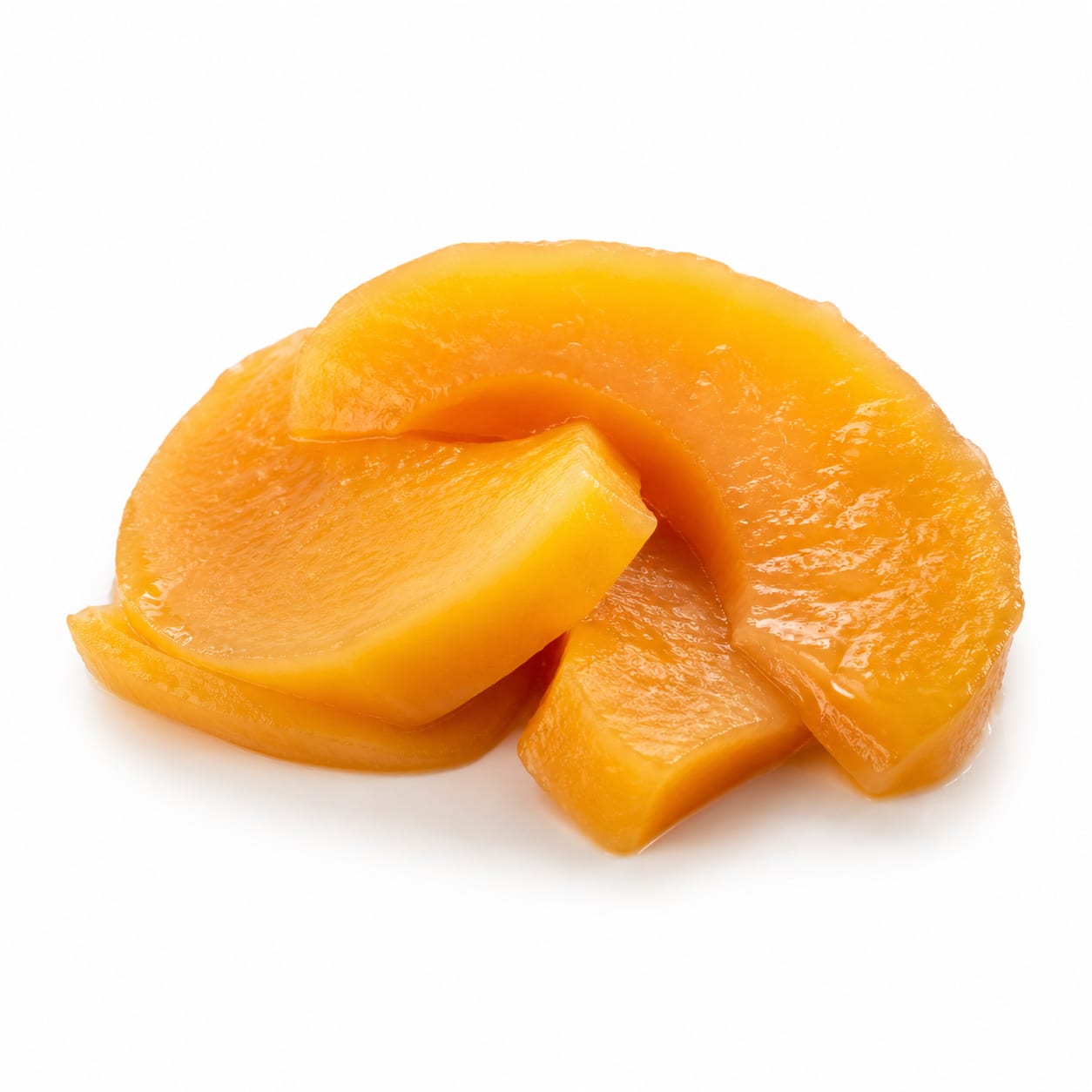
Quince
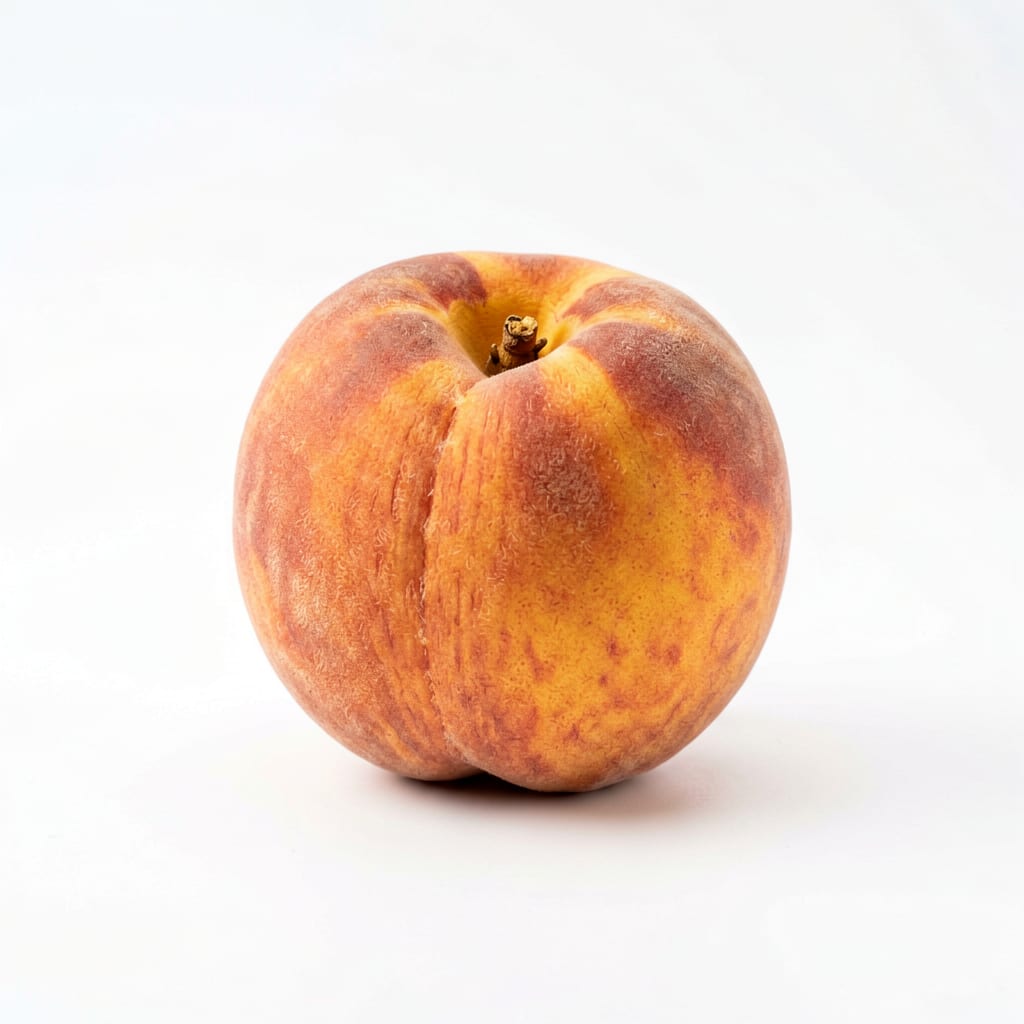
Peach
Peach is the convenient, sweet everyday snack, while Quince is a fiber-rich culinary fruit that requires preparation but offers unique digestive benefits.
Peach scores higher for daily practicality and raw nutritional ease, but Quince's exceptional fiber content and gut-health properties keep it competitive for specific needs.
Instant eatability and natural sweetness of Peaches versus the superior fiber and gut-soothing properties of cooked Quince.
At a glance
Executive summary
Overall
It depends
Healthier
It depends
More practical
Peach
Daily use
Peach
Key comparison lenses
Raw vs Cooked Consumption
Quince is inedible raw and requires cooking, while Peaches are primarily eaten raw, completely changing how they fit into a diet.
Fiber and Digestive Health
Quince is exceptionally high in pectin and fiber, making it a traditional remedy for digestive issues, whereas Peaches offer lighter hydration and gentler fiber.
Hidden Sugar Risk
Because Quince must be cooked and is naturally tart, it is often prepared with added sugars, whereas Peaches are naturally sweet and eaten whole.
Everyday Snacking Convenience
Peaches are grab-and-go; Quince requires peeling, cooking, and preparation, making them very different in daily practicality.
Best choice for
Quince
- Improving digestive regularity
- Culinary enthusiasts who enjoy cooking
- Soothing an upset stomach
Peach
- Quick on-the-go snacking
- Natural sweet cravings without added sugar
- Kids' lunchboxes
Least suitable for
Quince
- Impatient snackers needing instant food
- Strict no-added-sugar diets if using traditional recipes
Peach
- Those needing high fiber to feel full
- People wanting a long-lasting pantry staple without canning
Deep comparison
Dimension by dimension
Each lens scores both foods and breaks down who each option suits.
- Dimension 1 · Priority 95Quince
Fiber & Digestive Health
Quince · 92Peach · 65Quince is a fiber powerhouse, especially rich in soluble pectin that soothes the gut and feeds beneficial bacteria.
Tradeoff
You get far more digestive support from Quince, but you have to cook it first, whereas Peaches offer gentle, ready-to-eat fiber.
Why it matters
High soluble fiber keeps you full longer and stabilizes digestion, preventing afternoon energy crashes and bloating.
Real-world impact
Eating cooked Quince regularly can significantly improve bowel regularity, while a Peach offers lighter, quicker hydration and a softer fiber hit.
Quince
- Relieving constipation
- Soothing an upset stomach
- Supporting gut bacteria with prebiotics
Better for
- Eating raw (too astringent and tough)
- Convenience
Worse for
Peach
- Lighter digestion when raw
- Quick hydration alongside fiber
Better for
- Feeling full for hours
- Getting massive fiber per serving
Worse for
- Dimension 2 · Priority 85It depends
Blood Sugar & Diabetes Friendliness
Quince · 70Peach · 75Raw Quince is very low in sugar, but it is almost always cooked with added sweeteners. Peaches have more natural sugar but are eaten whole without additions.
Tradeoff
Peaches offer predictable, natural sugar, while Quince can be a low-sugar champion only if you take the time to cook it without sweeteners.
Why it matters
Hidden added sugars in cooked fruit dishes can spike blood sugar more than the natural sugars found in whole raw fruit.
Real-world impact
A whole Peach is a safe, sweet treat for stable energy; a Quince paste or jam can be a hidden sugar bomb if you aren't making it yourself.
Quince
- Low glycemic load when unsweetened
- Steadier blood sugar from high pectin
Better for
- Risk of added sugar in jams and pastes
- Hard to eat raw for a quick snack
Worse for
Peach
- Predictable natural sugar content
- No hidden added sugars from cooking
Better for
- Higher natural sugar spikes
- Less fiber to slow down sugar absorption
Worse for
- Dimension 3 · Priority 80Peach
Convenience & Snackability
Quince · 30Peach · 95Peaches are the ultimate grab-and-go fruit; Quince is hard, astringent, and requires peeling and cooking before it is edible.
Tradeoff
You sacrifice instant gratification with Quince for a unique culinary experience and longer shelf life after preparation.
Why it matters
If a healthy food isn't convenient, it often gets replaced by processed snacks. Peaches fit seamlessly into a busy day.
Real-world impact
You can toss a Peach in your bag for work; Quince requires a Sunday afternoon prep session to turn into compote or paste.
Quince
- Batch-cooking for the week ahead
- Making long-lasting preserves
Better for
- Instant gratification
- Travel-friendly raw snacking
Worse for
Peach
- Grab-and-go snacking
- No prep time required
Better for
- Shelf stability without canning or freezing
- Unique culinary experiences
Worse for
- Dimension 4 · Priority 70It depends
Vitamin & Antioxidant Profile
Quince · 80Peach · 78Quince provides high Vitamin C and potent flavonoids, while Peaches deliver beta-carotene for skin and eye health.
Tradeoff
Quince offers stronger immune and anti-inflammatory support, but Peaches provide nutrients specifically beneficial for skin protection.
Why it matters
Different antioxidants support different systems, from immunity to skin repair, making variety more important than sheer quantity.
Real-world impact
Eating Peaches gives you a glow-up from beta-carotene, while Quince offers more robust protection against seasonal colds.
Quince
- Immune support from high Vitamin C
- Potent anti-inflammatory flavonoids
Better for
- Vitamin C degradation if boiled heavily
- Lack of carotenoids
Worse for
Peach
- Skin health from beta-carotene
- Eye health support
Better for
- Lower overall antioxidant concentration
- Less Vitamin C per serving
Worse for
Timeline
Health impact over time
Short-term
Hours to days
Quince
- Soothing effect on the stomach when cooked
- Very filling due to high fiber content
Peach
- Quick hydration from high water content
- Instant energy from natural sugars
Long-term
Months to years
Quince
- Improved bowel regularity
- Better gut microbiome support from pectin
Peach
- Healthier skin from vitamin A and C
- Sustained antioxidant protection against cellular aging
Risk profile
Safety & processing
Both are whole foods in their raw state, but Quince inherently requires cooking to be edible, which often introduces added sugars or syrups in traditional recipes.
Quince
Seed toxicity
lowQuince seeds contain amygdalin, which releases trace cyanide when crushed; avoid eating the core seeds, just like apples.
Peach
Pesticide residue
mediumPeaches consistently rank on the EWG's Dirty Dozen list for high pesticide residue; washing thoroughly or choosing organic is recommended.
Who wins for whom
Audience fit
Same foods, different winners depending on your goal.
children
PeachPeaches are soft, sweet, and easy for kids to eat; raw Quince is too hard and tart, and sweetened Quince paste is essentially candy.
daily consumption
PeachPeaches require zero prep and are easy to incorporate into a daily routine, whereas Quince preparation is a weekly or occasional project.
diabetes
It dependsUnsweetened Quince has a lower glycemic impact, but Peaches are safer if you struggle with hidden added sugars in cooking.
elderly
QuinceCooked Quince is gentle on the stomach and its exceptional fiber content helps prevent common elderly digestive issues like constipation.
muscle gain
PeachPeaches provide quicker-digesting natural carbohydrates that are easier to eat in bulk for energy around workouts.
weight loss
QuinceWhen cooked without sugar, Quince is extremely high in fiber and very low in calories, keeping you full for much longer than a Peach.
Your move
Decision guide
Choose Quince
- You want to improve digestive regularity and soothe your gut
- You enjoy cooking and making compotes, pastes, or jams
- You need a low-calorie, high-fiber addition to your diet and can avoid adding sugar
Choose Peach
- You want a quick, juicy snack for work or school
- You prefer sweet flavors without needing added sugar
- You need portable, ready-to-eat fruit for busy mornings
Either works if
- You want whole-food antioxidants to support overall health
- You are looking for natural dessert alternatives
Avoid both if
- You have a severe fructose intolerance or FODMAP sensitivity
Final recommendation
Keep Peaches in your fruit bowl for daily snacking and hydration, but treat Quince as a therapeutic, gut-soothing culinary project for weekends—just go easy on the added sugar when you cook it.
Practical
Consumer tips
- 1
Always cook Quince to unlock its floral aroma and soften its tough flesh; it is too astringent to eat raw.
- 2
Use warm spices like cinnamon, vanilla, or cardamom when cooking Quince to enhance its natural sweetness without needing excess sugar.
- 3
Choose organic Peaches when possible, as conventionally grown ones have some of the highest pesticide residues of any fruit.
- 4
Add diced Peaches to oatmeal or yogurt for a naturally sweet breakfast that requires no added sweeteners.