
Nutrition comparison
Quince vs Apricot: Nutrition, Taste, and Health Comparison
Compare quince and apricot to find out which fruit is better for snacking, digestion, and blood sugar. Learn the nutritional tradeoffs between raw apricots and cooked quince.
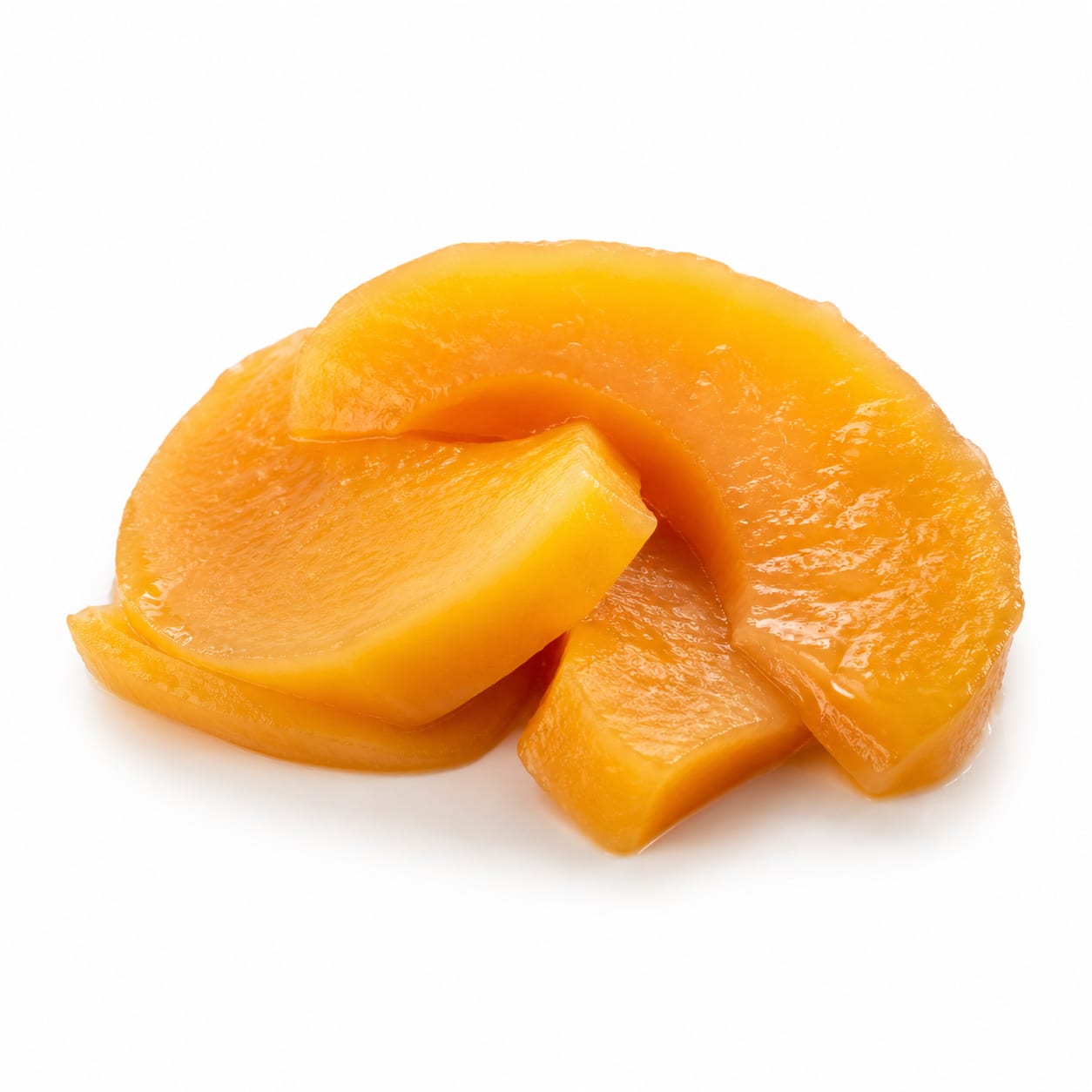
Quince
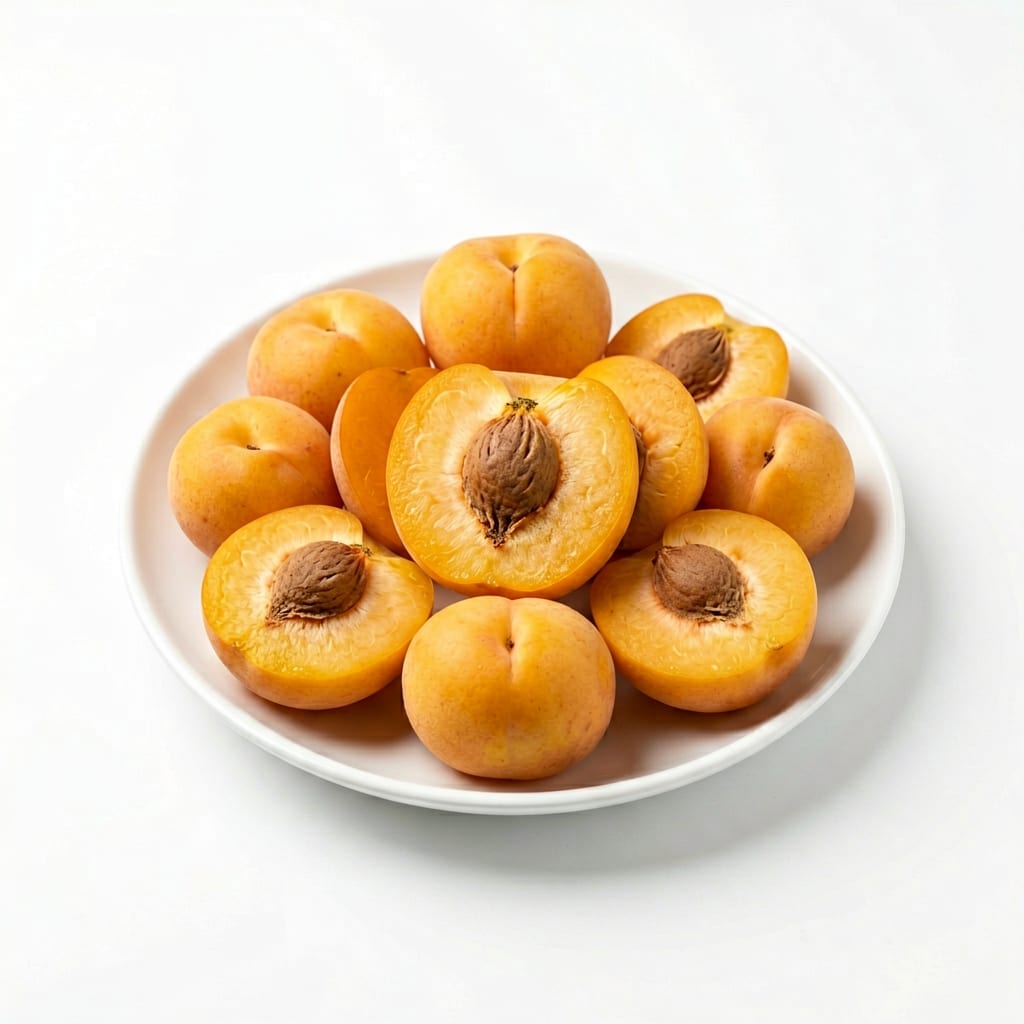
Apricot
Apricots win for everyday snacking and vitamin A, while quince is a niche choice for gut health and culinary exploration if you watch the added sugar.
Apricots score higher due to superior convenience, snackability, and vitamin A density. Quince loses points because it is inedible raw and typically requires added sugar to taste good, though it earns credit for exceptional fiber content.
Instant sweet satisfaction and eye-health nutrients versus high-fiber digestive benefits that require cooking and often added sugar.
At a glance
Executive summary
Overall
It depends
Healthier
It depends
More practical
Apricot
Daily use
Apricot
Key comparison lenses
Snackability and convenience
Quince is inedible raw for most people due to extreme astringency, while apricots are a classic ready-to-eat fruit.
Culinary use and preparation
Quince requires cooking to become palatable, often with added sugar, whereas apricots are versatile raw or cooked.
Micronutrient density
Apricots are famously rich in Vitamin A, while quince offers a different profile centered around fiber and vitamin C.
Blood sugar and diet compatibility
Raw quince is very low sugar, but the traditional preparation methods add significant sweeteners, creating a dietary tradeoff.
Best choice for
Quince
- People seeking high pectin for gut health
- Culinary enthusiasts who enjoy cooking preserves
- Those wanting a low-sugar fruit base for baking
Apricot
- People needing a quick, portable snack
- Anyone looking to boost Vitamin A intake
- Busy individuals who want no-prep nutrition
Least suitable for
Quince
- People who want grab-and-go convenience
- Anyone strictly limiting added sugars who doesn't like plain cooked fruit
- Children expecting a sweet raw bite
Apricot
- People with severe fructose intolerance
- Those looking for high pectin for jam-making
- People who dislike soft, stone-fruit textures
Deep comparison
Dimension by dimension
Each lens scores both foods and breaks down who each option suits.
- Dimension 1 · Priority 95Apricot
Convenience and Snackability
Quince · 5Apricot · 95Apricots are a grab-and-go dream; quince is essentially inedible raw and requires peeling, cooking, and sweetening.
Tradeoff
You trade instant eating convenience for a fruit that demands kitchen time and preparation.
Why it matters
If a fruit is hard to eat, you will eat it less often, reducing its real-world health benefits.
Real-world impact
You can toss an apricot in a bag for an afternoon energy boost, while quince requires a dedicated cooking session on a weekend.
Quince
- Culinary hobbyists
- Meal prep Sundays
Better for
- Commuting snacking
- Quick hunger fixes
Worse for
Apricot
- Office snacking
- Quick breakfasts
- Lunchboxes
Better for
- Recipes requiring firm, high-pectin fruit
Worse for
- Dimension 2 · Priority 88Quince
Fiber and Digestive Health
Quince · 90Apricot · 65Quince is incredibly rich in pectin and insoluble fiber, making it a powerhouse for digestion and gut health.
Tradeoff
You get vastly superior gut-healing fiber from quince, but you have to process it first, whereas apricots offer moderate, easy fiber.
Why it matters
High pectin feeds beneficial gut bacteria and slows sugar absorption, which is crucial for metabolic health.
Real-world impact
Eating cooked quince can help regulate bowel movements and steady blood sugar far more effectively than a sweet apricot.
Quince
- Gut healing protocols
- Constipation relief
- Slowing sugar absorption
Better for
- Acute diarrhea (pectin can be too binding if overconsumed)
Worse for
Apricot
- Mild digestion support
- Easier on a sensitive stomach when raw
Better for
- Severe constipation (needs more fiber than apricots provide)
Worse for
- Dimension 3 · Priority 85Apricot
Vitamins and Antioxidants
Quince · 55Apricot · 90Apricots are loaded with beta-carotene and Vitamin A, while quince offers decent Vitamin C but lacks the eye-health powerhouse nutrients.
Tradeoff
You sacrifice significant eye and skin health benefits if you choose quince over apricots.
Why it matters
Vitamin A is critical for vision, immune function, and skin integrity, and apricots are one of the best fruit sources.
Real-world impact
Eating a few apricots a day noticeably supports eye health and skin glow, while quince provides more general immune support.
Quince
- Vitamin C maintenance
- Antioxidant variety
Better for
- Correcting Vitamin A deficiency
Worse for
Apricot
- Eye health
- Skin vitality
- Immune boosting
Better for
- Scurvy prevention (lower in Vitamin C than quince)
Worse for
- Dimension 4 · Priority 80It depends
Blood Sugar Impact
Quince · 70Apricot · 75Raw quince is extremely low sugar, but it is almost always cooked with added sweeteners. Apricots have natural sugars but are easy to eat unsweetened.
Tradeoff
A raw apricot will spike blood sugar slightly more than plain cooked quince, but traditional quince recipes often contain more total sugar than a fresh apricot.
Why it matters
Hidden added sugars in cooked fruit dishes can sabotage blood sugar control faster than the natural sugars in whole raw fruit.
Real-world impact
A fresh apricot gives you a predictable, moderate blood sugar bump, while a slice of quince paste or jam can deliver a surprising sugar load.
Quince
- Diabetics (only if cooked with zero-calorie sweeteners)
- Keto diets (if prepared without sugar)
Better for
- Blood sugar control (if eaten as traditional sweetened jam or paste)
Worse for
Apricot
- Pre-workout energy
- Predictable carb counting
Better for
- Strict low-carb diets
Worse for
Timeline
Health impact over time
Short-term
Hours to days
Quince
- Provides a very filling, heavy feeling in the stomach due to dense fiber
- Raw quince causes an extremely dry, puckering mouth sensation
Apricot
- Offers quick, light energy from natural sugars
- Easily digested without bloating for most people
Long-term
Months to years
Quince
- Significantly improves gut motility and microbiome diversity through high pectin
- Risk of excess added sugar intake if traditionally prepared with syrups
Apricot
- Supports long-term vision health and reduces oxidative stress via high beta-carotene
- Helps maintain steady potassium levels for heart health
Risk profile
Safety & processing
While both start as whole fruits, quince almost always undergoes processing (cooking with added sugar) to be edible, whereas apricots are typically consumed in their natural, raw state.
Quince
Amygdalin in seeds
mediumQuince seeds contain amygdalin, which the body converts to cyanide. Never eat the seeds, especially crushed or chewed.
Added sugar load
mediumBecause quince requires sweetening to be palatable, commercially prepared quince products often contain alarming amounts of added sugar.
Apricot
Pesticide residue
mediumConventional apricots often carry pesticide residues on their skin. Washing thoroughly or choosing organic is advisable.
Sulfite sensitivity
lowDried apricots are often treated with sulfites to preserve color, which can trigger asthma in sensitive individuals. Look for brown, unsulfured varieties.
Who wins for whom
Audience fit
Same foods, different winners depending on your goal.
children
ApricotKids love the sweet, soft bite of an apricot; raw quince is too astringent, and sweetened quince products are essentially candy.
daily consumption
ApricotApricots are effortless to incorporate into a daily diet, while the preparation required for quince makes it a weekly or occasional food at best.
diabetes
It dependsFresh apricots have a manageable glycemic load, but plain boiled quince (without sugar) is extremely low in carbohydrates and high in fiber, making it the better choice if prepared correctly.
elderly
ApricotApricots are soft, easy to chew, and provide crucial Vitamin A for aging eyes, whereas quince can be too dense or require teeth to manage cooked textures.
muscle gain
ApricotApricots provide quicker, more accessible carbohydrates and potassium for post-workout recovery without the need for heavy preparation.
weight loss
ApricotFresh apricots satisfy sweet cravings naturally with very few calories, while quince preparations often add unnecessary calories through sugar.
Your move
Decision guide
Choose Quince
- You enjoy cooking and want a high-pectin fruit for preserves
- You need serious fiber support for sluggish digestion
- You are looking for a low-sugar fruit base and are willing to use alternative sweeteners
Choose Apricot
- You want a nutritious, grab-and-go snack for busy days
- You need to boost your Vitamin A and antioxidant intake
- You are managing your weight and want a sweet treat without added sugar
Either works if
- You want to increase your daily fruit intake
- You are looking for natural ways to support your immune system
Avoid both if
- You have a severe fructose intolerance or FODMAP sensitivity
- You are on a strict zero-carb diet
Final recommendation
Keep apricots in your fruit bowl for daily snacking and a quick vitamin A boost. Save quince for occasional culinary projects where you control the added sugar, taking advantage of its incredible fiber and gut-healing pectin.
Practical
Consumer tips
- 1
If buying dried apricots, choose the brown, unsulfured ones to avoid sulfite exposure.
- 2
When cooking quince, try using cinnamon, vanilla, or stevia instead of refined sugar to keep the blood sugar impact low.
- 3
Never eat quince seeds; discard them carefully during prep.
- 4
Wash apricot skins thoroughly under running water to remove pesticide residues, or buy organic.
- 5
Quince turns a beautiful ruby red when cooked low and slow—this is normal and a sign the antioxidants are activating.