
Nutrition comparison
Quince vs Papaya: Nutrition, Digestion, and Which to Choose
Compare Quince and Papaya to see which fruit is better for digestion, blood sugar, and daily snacking. Learn the nutritional tradeoffs and how to use each.
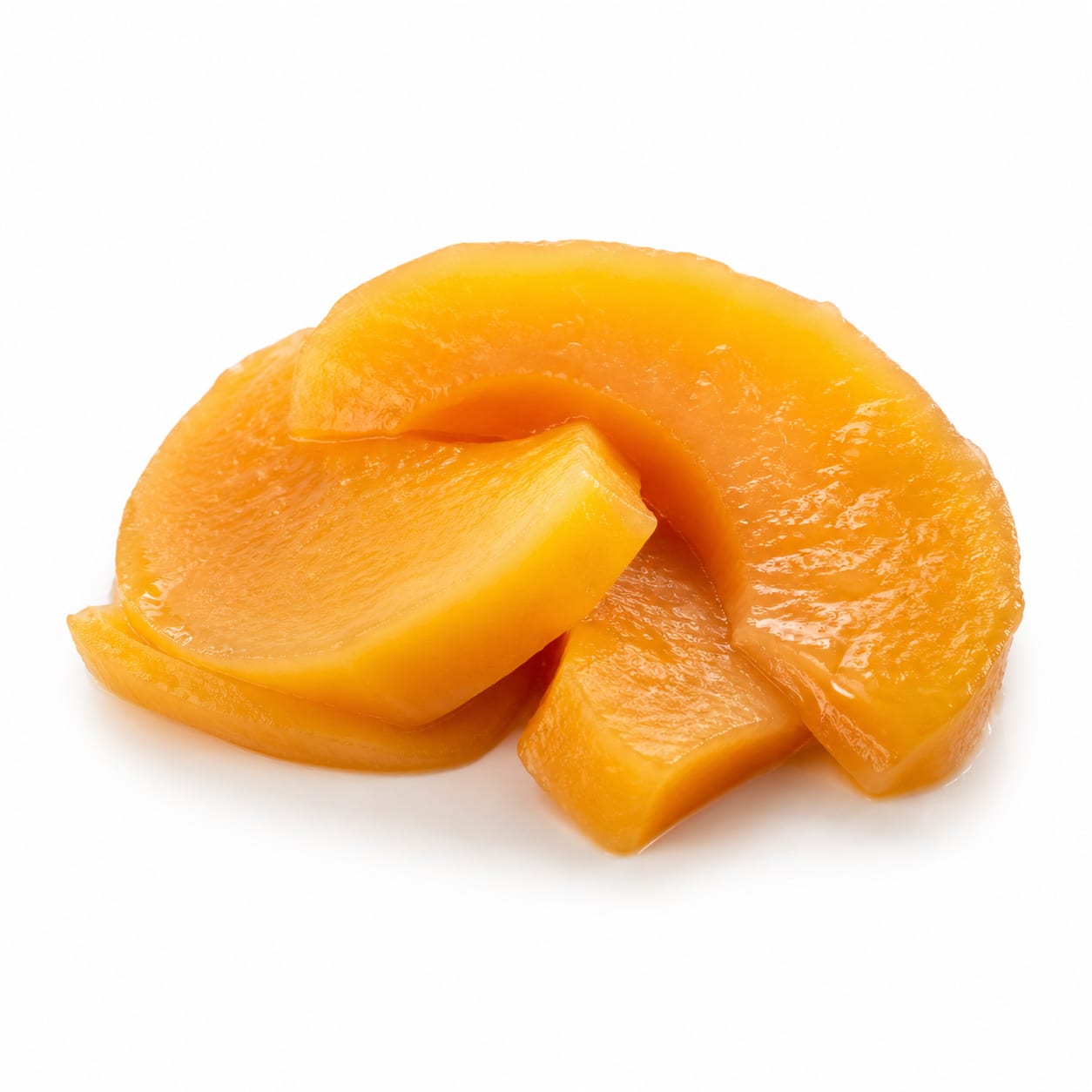
Quince
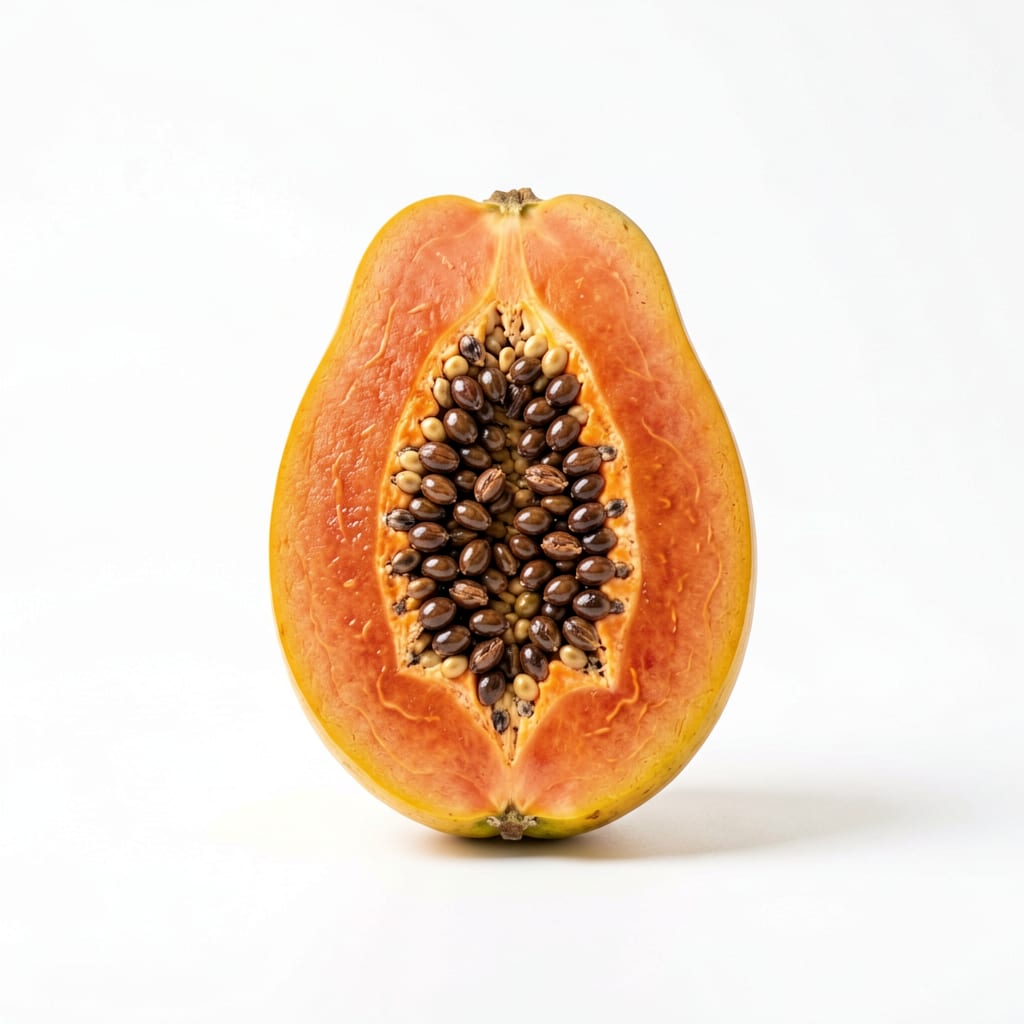
Papaya
Papaya is a convenient, digestion-friendly tropical fruit, while Quince is a fiber powerhouse that requires cooking but offers superior blood sugar stability.
Papaya scores higher for daily practicality and broad vitamin content, but Quince is a strong contender for metabolic health if you have the time to cook it.
Ready-to-eat softness and digestive enzymes versus high fiber and low sugar that demand cooking time.
At a glance
Executive summary
Overall
It depends
Healthier
Quince
More practical
Papaya
Daily use
Papaya
Key comparison lenses
Digestive tolerance and enzyme content
Papaya is famous for papain, a digestive enzyme, while Quince provides dense fiber for gut bulk.
Culinary preparation and convenience
Quince is hard and astringent raw, requiring cooking, whereas Papaya is soft and ready to eat.
Blood sugar impact and satiety
Quince offers high fiber with low sugar, while Papaya is sweeter and digests quickly.
Vitamin density and antioxidant profile
Papaya delivers heavy hits of Vitamin A and C, while Quince provides unique polyphenols.
Best choice for
Quince
- Blood sugar management
- High fiber diets
- Making preserves and jams
Papaya
- Quick snacks
- Digestive issues like bloating
- Vitamin A and C boost
Least suitable for
Quince
- Quick on-the-go snacking
- People who want raw fruit only
Papaya
- Strict low-sugar diets
- People with latex-fruit allergy
Deep comparison
Dimension by dimension
Each lens scores both foods and breaks down who each option suits.
- Dimension 1 · Priority 90Papaya
Digestive Health
Quince · 70Papaya · 90Papaya contains papain, an enzyme that breaks down protein and soothes digestion, whereas Quince provides insoluble fiber to add bulk but can be astringent raw.
Tradeoff
Enzymatic relief versus mechanical fiber bulk.
Why it matters
If you struggle with bloating or heavy meals, Papaya feels much lighter and more comforting.
Real-world impact
Eating Papaya after a heavy dinner can reduce that stuffed feeling, while Quince helps keep you regular over time.
Quince
- Chronic constipation
- Adding bulk to stool
Better for
- Acute stomach upset
- Raw snacking
Worse for
Papaya
- Post-meal bloating
- Protein digestion support
Better for
- Fructose malabsorption
Worse for
- Dimension 2 · Priority 80Quince
Blood Sugar & Satiety
Quince · 88Papaya · 65Quince is extremely high in fiber and low in sugar, providing steady energy without spikes. Papaya is sweeter and digests quickly.
Tradeoff
Sustained fullness versus quick, sweet satisfaction.
Why it matters
Managing blood sugar impacts your afternoon energy crash and cravings.
Real-world impact
Quince keeps you full for hours, while Papaya might leave you hungry again sooner.
Quince
- Diabetics
- Steady energy seekers
Better for
- Need for quick energy
Worse for
Papaya
- Pre-workout quick carbs
- People needing appetite stimulation
Better for
- Insulin resistance
- Sugar cravings
Worse for
- Dimension 3 · Priority 85Papaya
Convenience & Culinary Use
Quince · 30Papaya · 95Papaya is scoop-and-eat, perfect for busy mornings. Quince is rock-hard and astringent raw, requiring peeling and slow cooking.
Tradeoff
Instant gratification versus a slow-cooked, aromatic treat.
Why it matters
If a food is hard to prep, you are less likely to eat it regularly.
Real-world impact
You can throw Papaya in a smoothie in 30 seconds; Quince takes an hour to poach.
Quince
- Weekend cooking projects
- Making homemade jams
Better for
- Impatient eaters
- Time-pressed lifestyles
Worse for
Papaya
- Busy mornings
- Office snacks
- Quick desserts
Better for
- Culinary experimentation
- Long shelf-life preserves
Worse for
- Dimension 4 · Priority 75Papaya
Vitamin & Antioxidant Profile
Quince · 70Papaya · 85Papaya is loaded with Vitamin C, Vitamin A, and lycopene, supporting skin and immunity. Quince has good antioxidants but lacks the vitamin density of Papaya.
Tradeoff
Broad vitamin coverage versus specific polyphenols.
Why it matters
Daily fruit choices are a prime opportunity to hit vitamin targets effortlessly.
Real-world impact
A bowl of Papaya covers a huge chunk of your daily Vitamin C and A needs, while Quince offers more niche antioxidant support.
Quince
- Unique polyphenol intake
- Anti-inflammatory diets
Better for
- Vitamin A deficiency
Worse for
Papaya
- Immune support
- Skin health
- Eye health
Better for
- Desire for novel antioxidant compounds
Worse for
Timeline
Health impact over time
Short-term
Hours to days
Quince
- Promotes fullness due to high fiber
- Requires cooking to avoid mouth-puckering astringency
Papaya
- Quickly relieves bloating after meals
- Provides rapid but short-lasting energy
Long-term
Months to years
Quince
- Excellent for blood sugar regulation and cholesterol management
- Supports a healthy gut microbiome via prebiotic fiber
Papaya
- Supports vision and immune health via high Vitamin A and C
- Regular digestive enzyme intake may improve overall nutrient absorption
Risk profile
Safety & processing
Both are whole, raw fruits in their natural state, though Quince is almost always cooked before eating.
Quince
Amygdalin in seeds
lowQuince seeds contain trace amounts of amygdalin, which converts to cyanide if crushed and eaten in large quantities. Just avoid eating the core.
Papaya
Latex-fruit allergy
mediumPapaya contains chitinases that can trigger allergic reactions in people sensitive to latex.
GMO concerns
lowHawaiian Papaya is often genetically modified to resist ringspot virus. Choose organic or Caribbean varieties to avoid GMOs if preferred.
Who wins for whom
Audience fit
Same foods, different winners depending on your goal.
children
PapayaPapaya's soft, sweet texture is kid-friendly, whereas Quince is too hard and tart to eat raw.
daily consumption
PapayaPapaya requires zero prep and offers broad daily vitamins, making it an easy everyday habit.
diabetes
QuinceQuince's dense fiber slows sugar absorption dramatically, preventing glucose spikes.
elderly
PapayaPapaya is gentle on the stomach and easy to chew, making it ideal for aging digestive systems.
muscle gain
PapayaPapaya's quick-digesting carbs and papain enzyme support post-workout recovery and protein digestion.
weight loss
QuinceQuince's high fiber and low sugar make it far more filling per calorie, reducing overall snacking.
Your move
Decision guide
Choose Quince
- You want to manage blood sugar or lose weight
- You enjoy slow cooking and making jams or poached fruit
- You need a high-fiber, low-sugar addition to your diet
Choose Papaya
- You want a quick, ready-to-eat healthy snack
- You struggle with digestion or bloating after meals
- You need an easy Vitamin C and A boost
Either works if
- You want whole-food antioxidants
- You are looking for natural, unprocessed fruit options
Avoid both if
- You are on a strict very-low-carb or keto diet
- You have severe fructose intolerance
Final recommendation
Choose Papaya for everyday convenience, digestive comfort, and vitamin density. Opt for Quince when you have time to cook and want a fiber-rich, blood-sugar-friendly treat.
Practical
Consumer tips
- 1
Poach Quince with cinnamon and a touch of honey to transform its hard, tart flesh into a tender, fragrant dessert.
- 2
Papaya pairs perfectly with a squeeze of lime juice, which enhances its flavor and adds extra Vitamin C.
- 3
If avoiding GMOs, look for organic Papaya or varieties grown outside of Hawaii.
- 4
Never eat Quince seeds; they contain compounds that can release cyanide when crushed.