
Nutrition comparison
Quince vs Asian Pear: Nutrition, Fiber, and Convenience Compared
Quince delivers more fiber and antioxidants but requires cooking. Asian Pear offers grab-and-go hydration and daily practicality. Find out which fruit fits your lifestyle better.
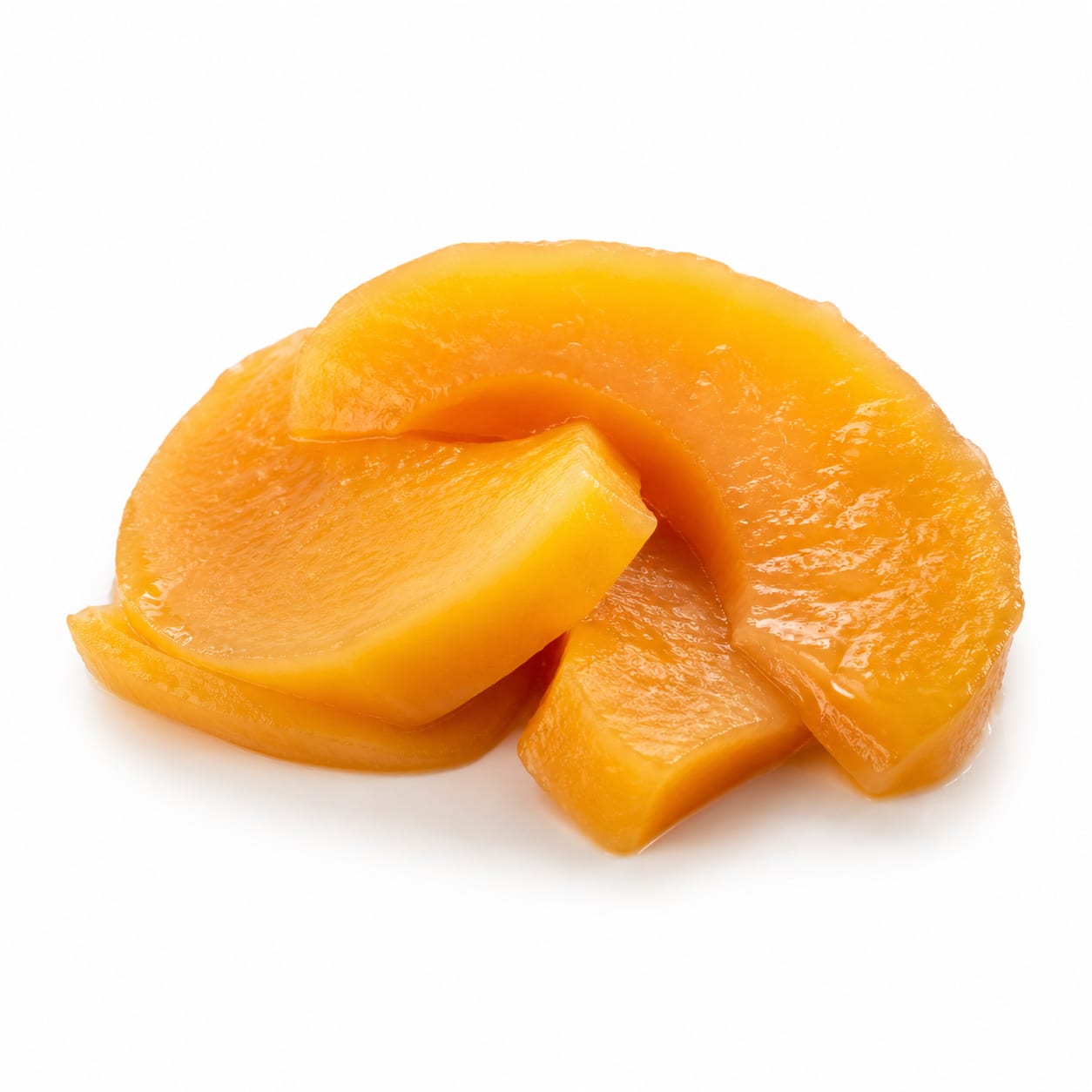
Quince
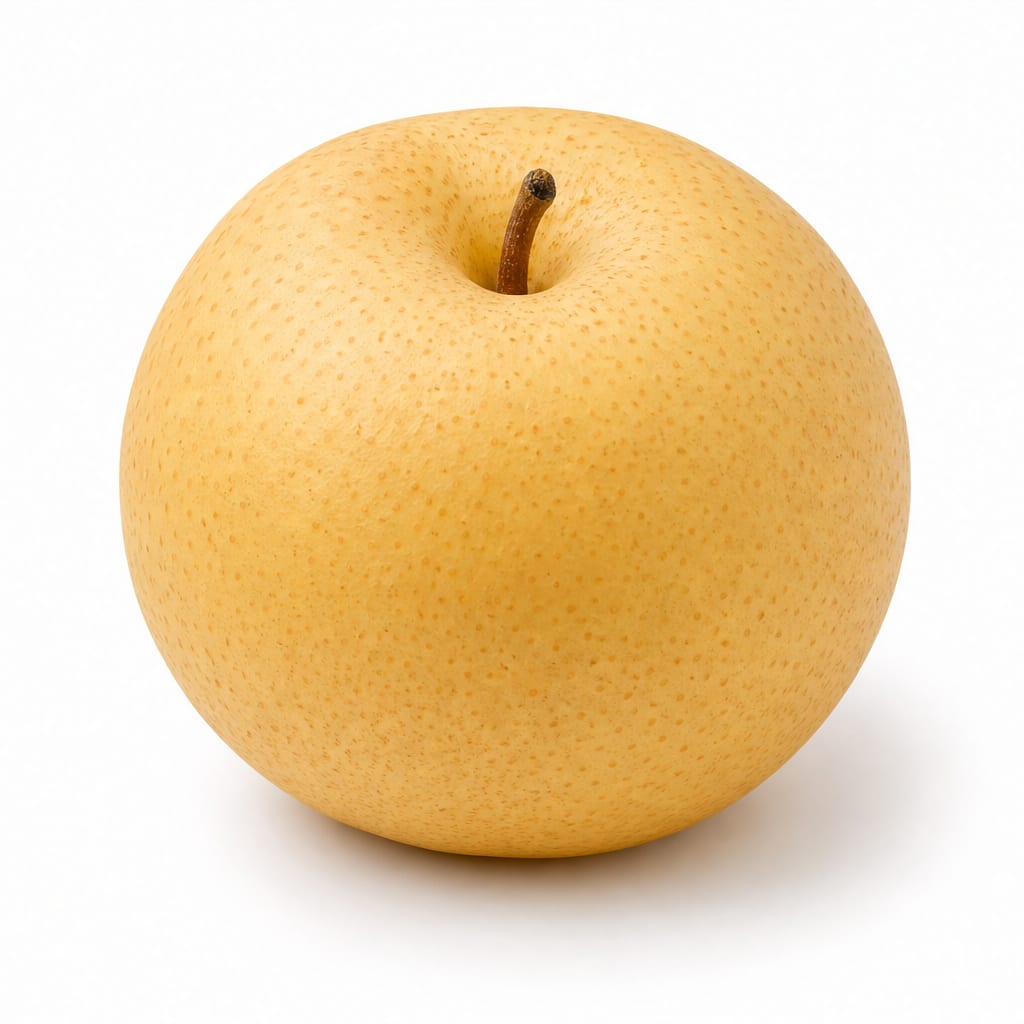
Asian Pear
Asian Pear wins on convenience and everyday eatability, but Quince delivers superior fiber and antioxidants if you're willing to cook it.
Asian Pear scores higher mainly due to raw edibility and daily practicality. Quince earns strong nutritional marks but loses ground on convenience, since most people will not regularly cook fruit from scratch.
Grab-and-go freshness versus nutrient density that requires preparation time.
At a glance
Executive summary
Overall
It depends
Healthier
Quince
More practical
Asian Pear
Daily use
Asian Pear
Key comparison lenses
raw edibility and convenience
Quince is nearly inedible raw due to extreme astringency, while Asian Pear is a crisp ready-to-eat fruit
fiber and digestive benefits
Both fruits are fiber-rich but quince offers significantly more pectin, which supports gut health and satiety
culinary versatility and preparation effort
Quince requires cooking to become palatable, adding time and effort that Asian Pear completely bypasses
antioxidant and anti-inflammatory potential
Quince contains concentrated phenolic compounds that intensify with cooking, while Asian Pear offers milder antioxidant benefits
hydration and refreshment value
Asian Pear is exceptionally juicy and hydrating, making it a natural choice for hot weather or post-exercise refreshment
Best choice for
Quince
- Gut health optimization through high pectin intake
- Antioxidant-focused dietary patterns
- Home cooks who enjoy slow food preparation
- Making preserves, jams, or compotes
- Soothing sore throats and digestive upset traditionally
Asian Pear
- Quick hydrating snacks on busy days
- Weight management through high water volume eating
- Raw food diet followers
- Children who need easy-to-eat fruit options
- Post-workout refreshment
Least suitable for
Quince
- Anyone needing instant grab-and-go fruit
- Raw food purists who avoid cooking
- People with very limited kitchen access
Asian Pear
- Those seeking maximum fiber per serving
- People wanting concentrated antioxidant intake
- Culinary uses requiring pectin thickening
Deep comparison
Dimension by dimension
Each lens scores both foods and breaks down who each option suits.
- Dimension 1 · Priority 92Asian Pear
Convenience and Raw Edibility
Quince · 15Asian Pear · 95Asian Pear is ready to eat immediately with a satisfying crunch. Quince is hard, astringent, and unpleasant raw — it must be cooked.
Tradeoff
You gain superior nutrition from Quince but sacrifice the ease of grabbing fruit on your way out the door.
Why it matters
Most people eat fruit for convenience. If preparation feels like a chore, Quince will sit unused in your kitchen.
Real-world impact
Asian Pear fits into a lunch bag or car cupholder. Quince requires peeling, coring, and slow poaching or baking before it becomes enjoyable.
Quince
- Cooking enthusiasts who enjoy kitchen projects
- Meal prep sessions where you batch-cook fruit
Better for
- Spontaneous snacking
- Travel or office fruit options
Worse for
Asian Pear
- Busy professionals needing instant snacks
- School lunches and on-the-go eating
- Anyone who wants fruit without planning ahead
Better for
- Situations where you want a warm, comforting fruit dish
Worse for
- Dimension 2 · Priority 85Quince
Fiber and Digestive Health
Quince · 88Asian Pear · 65Quince is remarkably high in pectin and soluble fiber, which feeds beneficial gut bacteria and promotes fullness. Asian Pear provides decent fiber but at a lower concentration.
Tradeoff
Quince delivers more gut-supporting fiber per bite, but you have to cook it first to access those benefits comfortably.
Why it matters
Soluble fiber from pectin helps regulate blood sugar, lowers cholesterol, and keeps you fuller for longer between meals.
Real-world impact
A serving of cooked Quince can keep you satisfied for hours. Asian Pear's fiber is helpful but its high water content means you may feel hungry sooner.
Quince
- Managing irritable bowel symptoms through soluble fiber
- Sustained satiety between meals
- Lowering cholesterol through dietary pectin
Better for
- Those sensitive to high fiber loads who need gradual introduction
Worse for
Asian Pear
- General regularity with a gentler fiber load
- Hydration alongside fiber intake
Better for
- Maximizing fiber intake without supplements
Worse for
- Dimension 3 · Priority 68Asian Pear
Hydration and Refreshment
Quince · 25Asian Pear · 90Asian Pear is one of the most hydrating fruits available, with water content above 85%. Quince is dense and dry by comparison, even after cooking.
Tradeoff
If refreshment and fluid intake matter to you, Asian Pear is clearly superior. Quince nourishes in a denser, more comforting way.
Why it matters
Many people underestimate food-based hydration, especially in hot climates or after exercise.
Real-world impact
Eating an Asian Pear on a summer afternoon feels like drinking flavored water with a crunch. Cooked Quince feels more like a warm dessert.
Quince
- Winter comfort food and warming dishes
Better for
- Refreshing snack needs
- Athletic recovery hydration
Worse for
Asian Pear
- Hot weather snacking
- Post-workout rehydration
- Replacing sugary drinks with whole fruit moisture
Better for
- Cozy, warming meal components
Worse for
- Dimension 4 · Priority 72Quince
Antioxidant and Anti-Inflammatory Potential
Quince · 82Asian Pear · 55Quince contains concentrated phenolic compounds, flavonoids, and vitamin C that become more bioavailable when cooked. Asian Pear offers antioxidants but at lower concentrations.
Tradeoff
Quince provides more antioxidant firepower, but the cooking requirement means you may consume it less frequently, reducing real-world antioxidant intake.
Why it matters
Consistent daily antioxidant intake from easy-to-eat fruit may outweigh higher concentrations from a fruit you rarely prepare.
Real-world impact
If you cook Quince weekly, you get strong antioxidant doses. If you eat Asian Pear daily, cumulative antioxidant intake may actually be higher.
Quince
- Targeted antioxidant support when you do prepare it
- Traditional remedy use for inflammation
Better for
- Inconsistent intake due to preparation barriers
Worse for
Asian Pear
- Consistent daily antioxidant intake through habit
- Easier to maintain long-term anti-inflammatory eating patterns
Better for
- Lower peak antioxidant concentration per serving
Worse for
- Dimension 5 · Priority 70Quince
Blood Sugar Stability
Quince · 78Asian Pear · 68Quince's high pectin content slows sugar absorption more effectively. Asian Pear has a moderate glycemic impact but its higher sugar content and lower fiber density mean a slightly faster blood sugar rise.
Tradeoff
Quince offers steadier blood sugar control but requires cooking. Asian Pear is gentler on blood sugar than many fruits but less protective than Quince.
Why it matters
Even small differences in glycemic response affect afternoon energy crashes and hunger patterns.
Real-world impact
After eating cooked Quince, you are less likely to experience a blood sugar dip. Asian Pear is still a solid choice but pair it with protein for best results.
Quince
- Prediabetes management
- Preventing afternoon energy crashes
Better for
- Immediate energy needs before activity
Worse for
Asian Pear
- Quick pre-exercise fuel when paired with a protein source
Better for
- Blood sugar sensitive individuals eating fruit alone
Worse for
- Dimension 6 · Priority 65It depends
Culinary Versatility
Quince · 70Asian Pear · 70Quince transforms beautifully into jams, pastes, poached desserts, and savory pairings. Asian Pear shines raw in salads, slaws, and cheese boards, and can also be cooked.
Tradeoff
Quince offers deeper, more complex flavor development through cooking. Asian Pear provides broader everyday utility across raw and cooked applications.
Why it matters
A fruit you actually enjoy preparing is a fruit you will actually eat regularly.
Real-world impact
Quince becomes a special-occasion ingredient you look forward to. Asian Pear becomes a daily staple you barely think about.
Quince
- Creating gourmet preserves and desserts
- Adding depth to savory meat dishes
- Impressing dinner guests with unique flavors
Better for
- Quick meal assembly
- Recipes requiring raw fruit texture
Worse for
Asian Pear
- Quick salads and fresh preparations
- Cheese board accompaniments
- Everyday cooking without extra effort
Better for
- Deep, complex flavor development in cooked dishes
Worse for
Timeline
Health impact over time
Short-term
Hours to days
Quince
- High pectin can cause bloating if you eat large quantities suddenly
- Slow cooking with added sugar may increase calorie intake compared to raw fruit
- Warm cooked Quince can feel soothing on a sore throat
Asian Pear
- Rapid hydration and refreshment within minutes of eating
- Very gentle on the stomach, rarely causing digestive discomfort
- Natural sugars provide a quick but moderate energy lift
Long-term
Months to years
Quince
- Consistent pectin intake supports lower cholesterol and improved gut microbiome diversity
- Regular consumption may reduce systemic inflammation markers
- Preparation effort may lead to infrequent actual consumption, reducing real-world benefits
Asian Pear
- Daily hydration from food sources supports kidney function and skin health
- Habitual consumption builds consistent fiber and antioxidant intake
- Easy eatability supports long-term fruit eating habits without willpower depletion
Risk profile
Safety & processing
Both Quince and Asian Pear are whole, unprocessed fruits. However, Quince is almost always consumed with added sweeteners during cooking, which introduces extra sugar that Asian Pear does not require.
Quince
Added sugar from cooking preparations
mediumQuince's tartness practically demands sweetening during cooking. Honey, sugar, or syrup additions can significantly increase calorie and sugar content.
Pesticide residue on conventionally grown fruit
lowQuince has a thick skin that protects the flesh, and it is not typically on high-pesticide produce lists.
Asian Pear
Pesticide residue on conventionally grown fruit
mediumPears frequently appear on the Environmental Working Group's Dirty Dozen list due to pesticide residues on conventionally grown varieties.
Choking hazard for young children
lowThe crisp, hard texture of Asian Pear can be difficult for toddlers to manage. Cut into small pieces for children under four.
Who wins for whom
Audience fit
Same foods, different winners depending on your goal.
children
Asian PearKids prefer sweet, juicy, crunchy fruit they can hold and eat immediately. Quince's tartness and cooking requirement make it a hard sell for most children.
daily consumption
Asian PearA fruit you can eat raw every day without preparation will always beat a more nutritious fruit that sits unused because cooking feels like too much effort.
diabetes
QuinceQuince's superior pectin content slows glucose absorption more effectively, though the sugar added during cooking must be carefully managed.
elderly
Asian PearAsian Pear's soft-crisp texture is easier to chew for aging teeth, and its high water content helps with common dehydration concerns in older adults.
muscle gain
It dependsNeither fruit is a meaningful protein source. Both can serve as carbohydrate fuel around workouts, but Asian Pear is more practical for pre-workout energy.
weight loss
Asian PearAsian Pear's high water content creates volume-based satiety with fewer calories per bite, and it requires no added sugar to enjoy.
Your move
Decision guide
Choose Quince
- You enjoy cooking and want a nutrient-dense fruit with exceptional fiber
- You are focused on gut health, cholesterol management, or blood sugar stability
- You want to make homemade preserves, jams, or elegant poached desserts
- You are looking for traditional remedies for digestive discomfort or sore throats
Choose Asian Pear
- You need convenient, ready-to-eat fruit for busy days
- Hydration and refreshment are your top priorities
- You want a daily fruit habit that requires zero effort to maintain
- You are managing calorie intake and prefer high-volume, low-calorie snacks
Either works if
- You simply want more whole fruit variety in your diet
- You are looking for alternatives to common apples and pears
- You want seasonal fruit that feels special and different
Avoid both if
- You have severe fructose intolerance or FODMAP sensitivity
- You need high-protein snacks and are relying too heavily on fruit for satiety
Final recommendation
Keep Asian Pear in your regular rotation for daily fruit intake — it is practical, hydrating, and easy to stick with long-term. Treat Quince as a nutritional powerhouse worth cooking occasionally, especially during colder months when warm, spiced fruit feels comforting and its preparation effort feels less burdensome.
Practical
Consumer tips
- 1
Choose organic Asian Pears when possible to reduce pesticide exposure, since pears rank high on residue lists
- 2
For Quince, try poaching with cinnamon, star anise, and a modest amount of honey instead of heavy sugar syrups
- 3
Store Quince at room temperature until fragrant, then refrigerate — its perfume will fill your kitchen beautifully
- 4
Asian Pears brown quickly once cut; toss slices in lemon water to preserve their bright color for lunch prep
- 5
Cooked Quince freezes well in portions, so make a large batch and thaw for quick access to its benefits
- 6
Pair Asian Pear with a handful of almonds or cheese to slow sugar absorption and extend satiety