
Nutrition comparison
Quince vs Apple: Nutrition, Taste, and Health Comparison
Quince vs Apple: Which is healthier? Compare fiber, sugar, antioxidants, and culinary uses to see which fruit fits your lifestyle best.
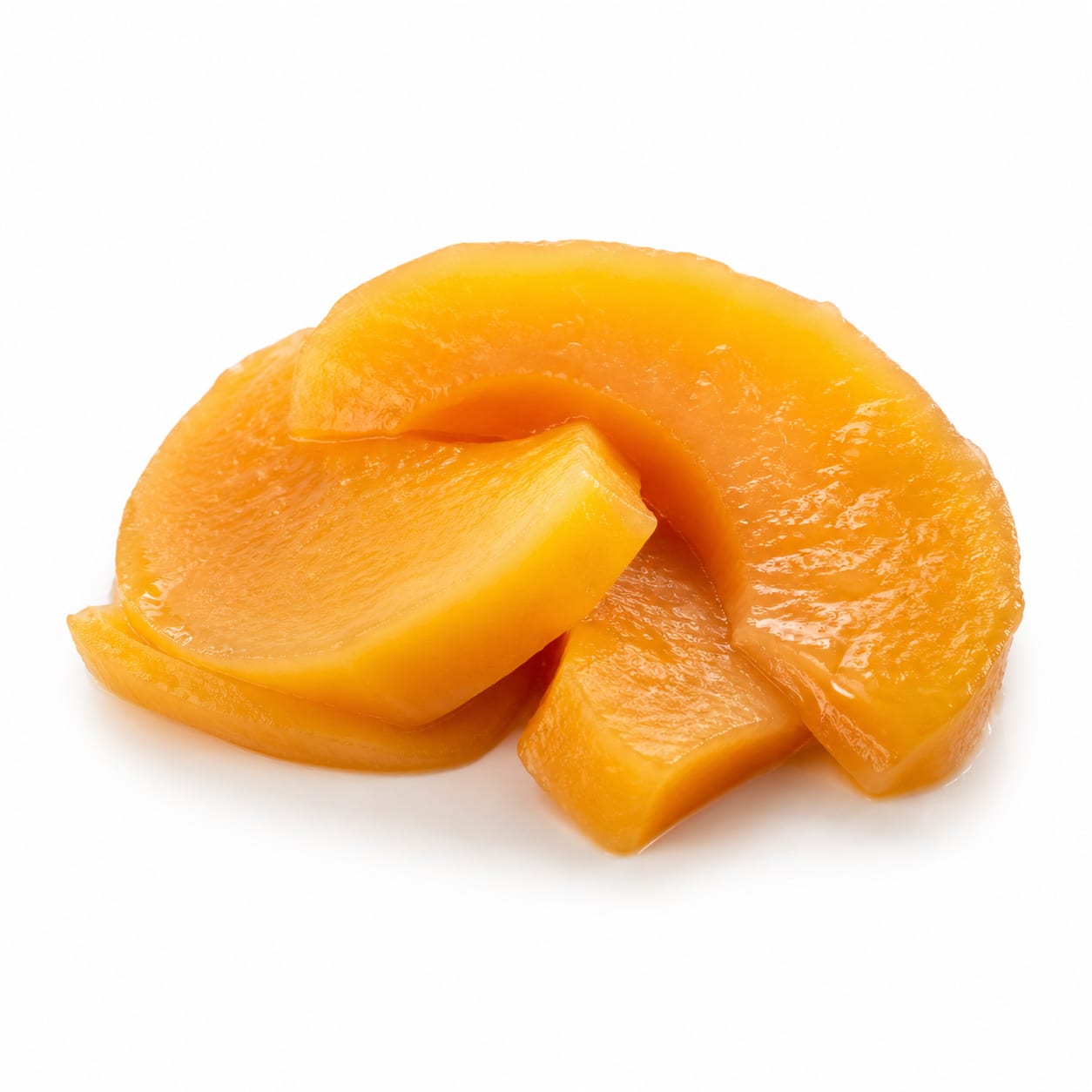
Quince
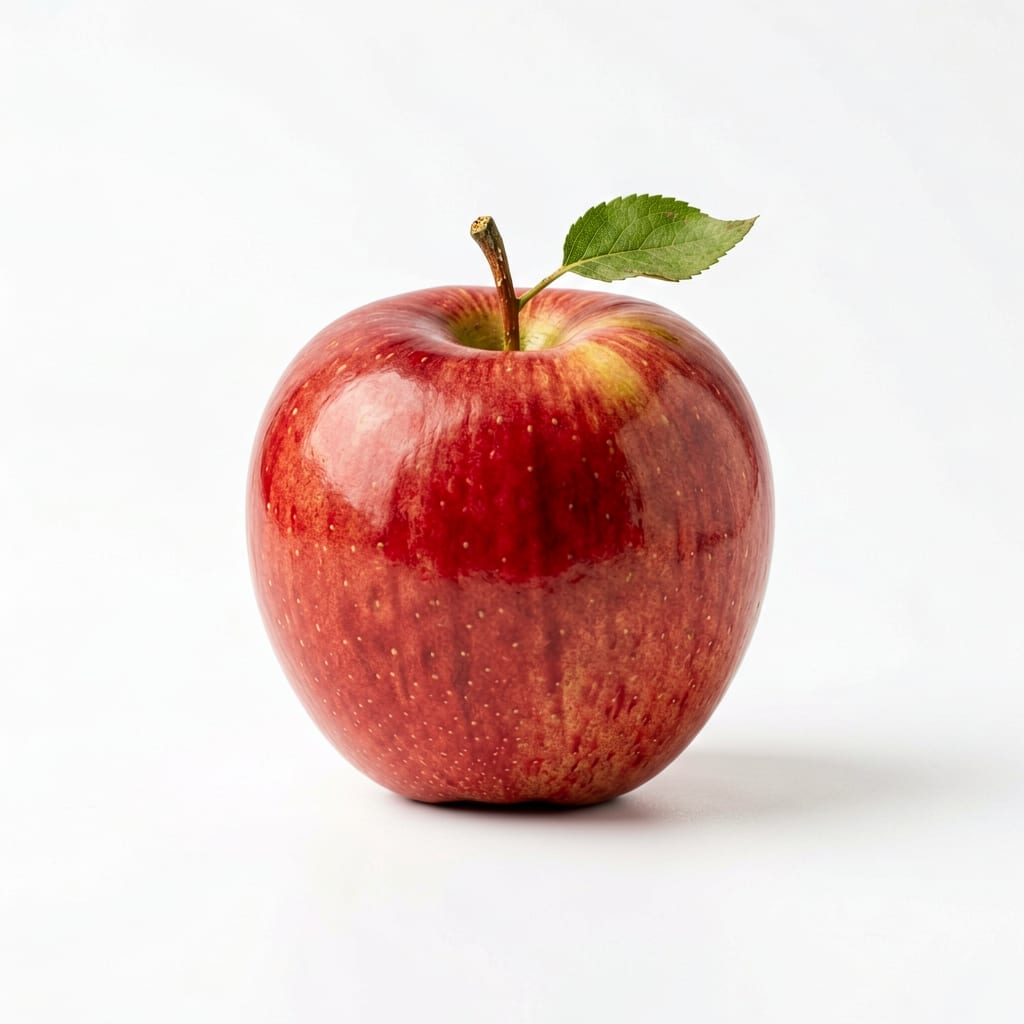
Apple
Apple is the everyday snack champion, but Quince offers superior fiber and antioxidants if you are willing to cook it.
Apple scores higher overall due to unmatched convenience and versatility, but Quince edges out nutritionally for those willing to cook.
Convenience and grab-and-go ease versus deeper nutritional benefits that require preparation time.
At a glance
Executive summary
Overall
It depends
Healthier
Quince
More practical
Apple
Daily use
Apple
Key comparison lenses
Raw snackability versus culinary preparation
Quince is inedible raw for most people due to astringency, while Apple is the quintessential grab-and-go fruit.
Blood sugar impact and fiber density
Quince offers significantly more fiber and less sugar, making it metabolically distinct from Apple.
Kitchen versatility and effort
Apple works effortlessly in both raw and cooked forms; Quince demands cooking but rewards with intense aroma and flavor.
Antioxidant and phytonutrient profile
Both provide unique polyphenols, but Quince has a denser concentration of specific therapeutic compounds.
Best choice for
Quince
- Making high-pectin jams and preserves
- Managing blood sugar with high fiber and low sugar
- Adding aromatic depth to savory stews and baked desserts
Apple
- Quick on-the-go snacking
- Packing in school lunches
- Getting a refreshing, hydrating raw fruit
Least suitable for
Quince
- Satisfying immediate hunger without prep
- People who dislike cooking or meal prep
- Low-effort breakfasts
Apple
- Those strictly limiting fruit sugar intake
- Making traditional high-pectin fruit preserves
Deep comparison
Dimension by dimension
Each lens scores both foods and breaks down who each option suits.
- Dimension 1 · Priority 95Apple
Snack Convenience & Practicality
Quince · 15Apple · 95Apple is ready to eat anywhere; Quince is rock-hard and highly astringent raw, requiring peeling and cooking.
Tradeoff
You sacrifice instant gratification with Quince, but gain a completely different flavor profile through cooking.
Why it matters
If a food is hard to eat, you simply will not reach for it when hungry, making Apple the realistic daily choice.
Real-world impact
Apple handles the 3 PM office slump effortlessly; Quince requires a Sunday afternoon simmer.
Quince
- Slow, intentional weekend cooking
- Creating concentrated flavor bases
Better for
- Spontaneous hunger cues
- Minimal kitchen access
Worse for
Apple
- Commuting and travel
- Quick energy before a workout
Better for
- Creating complex, aromatic dessert dishes
Worse for
- Dimension 2 · Priority 90Quince
Blood Sugar & Fiber Profile
Quince · 90Apple · 70Quince packs significantly more fiber and less sugar per serving, leading to steadier blood sugar.
Tradeoff
Quince offers metabolic steadiness but requires added sweeteners during cooking, which can negate its natural low-sugar advantage if you aren't careful.
Why it matters
Higher fiber slows sugar absorption, preventing the energy spikes and crashes that drive cravings.
Real-world impact
Eating Quince keeps you fuller for longer after a meal, whereas an Apple might leave you hunting for a snack an hour later.
Quince
- Managing insulin resistance
- Sustained energy without crashes
Better for
- Immediate energy recovery after intense exercise
Worse for
Apple
- Quick pre-workout fuel
- Mild, easily digestible fiber for sensitive stomachs
Better for
- Strict low-sugar dietary protocols
Worse for
- Dimension 3 · Priority 75Quince
Antioxidant & Phytonutrient Density
Quince · 85Apple · 72Quince is rich in unique phenolic compounds and vitamin C, especially when cooked with the skin.
Tradeoff
Quince provides potent antioxidants but loses some vitamin C during the necessary cooking process, while Apple retains more nutrients if eaten raw.
Why it matters
Polyphenols reduce inflammation and protect cells from daily wear and tear.
Real-world impact
Regularly eating cooked Quince can offer stronger anti-inflammatory benefits over time compared to an Apple.
Quince
- Reducing systemic inflammation
- Supporting immune function during illness
Better for
- Preserving heat-sensitive vitamins
Worse for
Apple
- Maximizing raw vitamin C intake
- Quick antioxidant boost on the go
Better for
- Delivering concentrated therapeutic doses of polyphenols
Worse for
- Dimension 4 · Priority 80Apple
Culinary Versatility
Quince · 55Apple · 90Apple works beautifully raw, baked, sautéed, or juiced; Quince shines specifically in cooked dishes, jams, and stews.
Tradeoff
Apple is a jack-of-all-trades; Quince is a master of one specific aromatic niche.
Why it matters
A versatile fruit is easier to incorporate into varied meals throughout the week.
Real-world impact
You can toss Apple into a salad, a lunchbox, or a pie; Quince requires dedicated recipe planning.
Quince
- Crafting traditional membrillo or fruit pastes
- Deepening the flavor of slow-cooked meats
Better for
- Raw applications
- Quick 10-minute side dishes
Worse for
Apple
- Refreshing raw salads
- Quick morning oatmeal toppings
Better for
- Delivering a unique floral, perfume-like aroma
Worse for
- Dimension 5 · Priority 80Quince
Satiety & Fullness
Quince · 85Apple · 72Quince's dense fiber matrix fills the stomach rapidly and slows digestion significantly more than Apple.
Tradeoff
Quince provides heavy, lasting fullness but feels dense and heavy, whereas Apple offers a lighter, more refreshing satiety.
Why it matters
Staying full longer helps naturally reduce overall calorie intake without feeling deprived.
Real-world impact
A serving of cooked Quince after dinner feels like a substantial dessert; an Apple feels like a light palate cleanser.
Quince
- Preventing late-night overeating
- Staying full between sparse meals
Better for
- Eating right before intense physical activity
Worse for
Apple
- Light post-workout refreshment
- Avoiding feeling overly stuffed
Better for
- Controlling intense hunger pangs
Worse for
Timeline
Health impact over time
Short-term
Hours to days
Quince
- Requires cooking time before it becomes palatable
- High pectin can aid digestion and firm up stools
Apple
- Provides instant hydration and quick energy
- Easily digested, making it a safe choice for upset stomachs
Long-term
Months to years
Quince
- Excellent for blood sugar management and metabolic health
- Strong anti-inflammatory benefits from concentrated phenolics
Apple
- Supports heart health and regularity with daily fiber
- Consistent hydration and mild antioxidant protection
Risk profile
Safety & processing
Both are whole, unprocessed fruits in their raw state. However, Quince inherently requires cooking, which often introduces added sugars or honey that Apple does not need.
Quince
Cyanogenic glycosides in seeds
mediumLike Apple seeds, Quince seeds contain amygdalin, which releases cyanide when crushed; always core and remove seeds before cooking.
Apple
Pesticide residue on skin
mediumApples consistently rank high on the Dirty Dozen list; washing thoroughly or choosing organic significantly reduces exposure.
Cyanogenic glycosides in seeds
lowApple seeds contain amygdalin, but accidental swallowing of a few seeds is harmless; avoid chewing large quantities.
Who wins for whom
Audience fit
Same foods, different winners depending on your goal.
children
AppleApple is sweet, crisp, and easy to bite raw, making it a kid-friendly staple; Quince is too hard and tart for children uncooked.
daily consumption
AppleApple requires zero prep, making it infinitely easier to eat consistently day after day.
diabetes
QuinceQuince has a lower glycemic load and higher fiber content, resulting in a much gentler blood sugar curve.
elderly
AppleApple can be eaten raw or baked soft easily, and requires less digestive effort than dense, fibrous Quince.
muscle gain
AppleApple offers quicker, easier carbohydrates that are more practical for pre or post-workout energy without feeling heavy.
weight loss
QuinceQuince provides more fiber and less sugar, keeping you fuller on fewer calories, provided you cook it without heavy sweeteners.
Your move
Decision guide
Choose Quince
- You enjoy slow cooking and making preserves or compotes
- You want maximum fiber and minimal sugar for metabolic health
- You are looking for unique, aromatic flavors to elevate desserts
Choose Apple
- You need convenient, grab-and-go snacks for busy days
- You want a refreshing, hydrating raw fruit
- You prefer sweet, crisp textures without turning on the stove
Either works if
- You want a whole-food fruit to satisfy a sweet craving
- You need natural pectin to support gut health
Avoid both if
- You are on a strict very-low-carb or keto diet
- You have severe fructose malabsorption
Final recommendation
Keep Apples on the counter for daily snacking and quick energy, but buy a few Quinces in the fall for weekend cooking. You get the best of both worlds: everyday practicality from Apple, and deep nutritional and culinary rewards from Quince.
Practical
Consumer tips
- 1
Always cook Quince before eating to unlock its natural sweetness and soften the flesh; roasting or poaching works best.
- 2
Remove seeds from both fruits before cooking or juicing to avoid ingesting amygdalin.
- 3
Choose organic Apples if you eat the skin, as conventional skins hold high pesticide residues.
- 4
Sweeten cooked Quince with cinnamon or vanilla instead of refined sugar to maintain its low-glycemic advantage.