
Leafy Green
Purslane
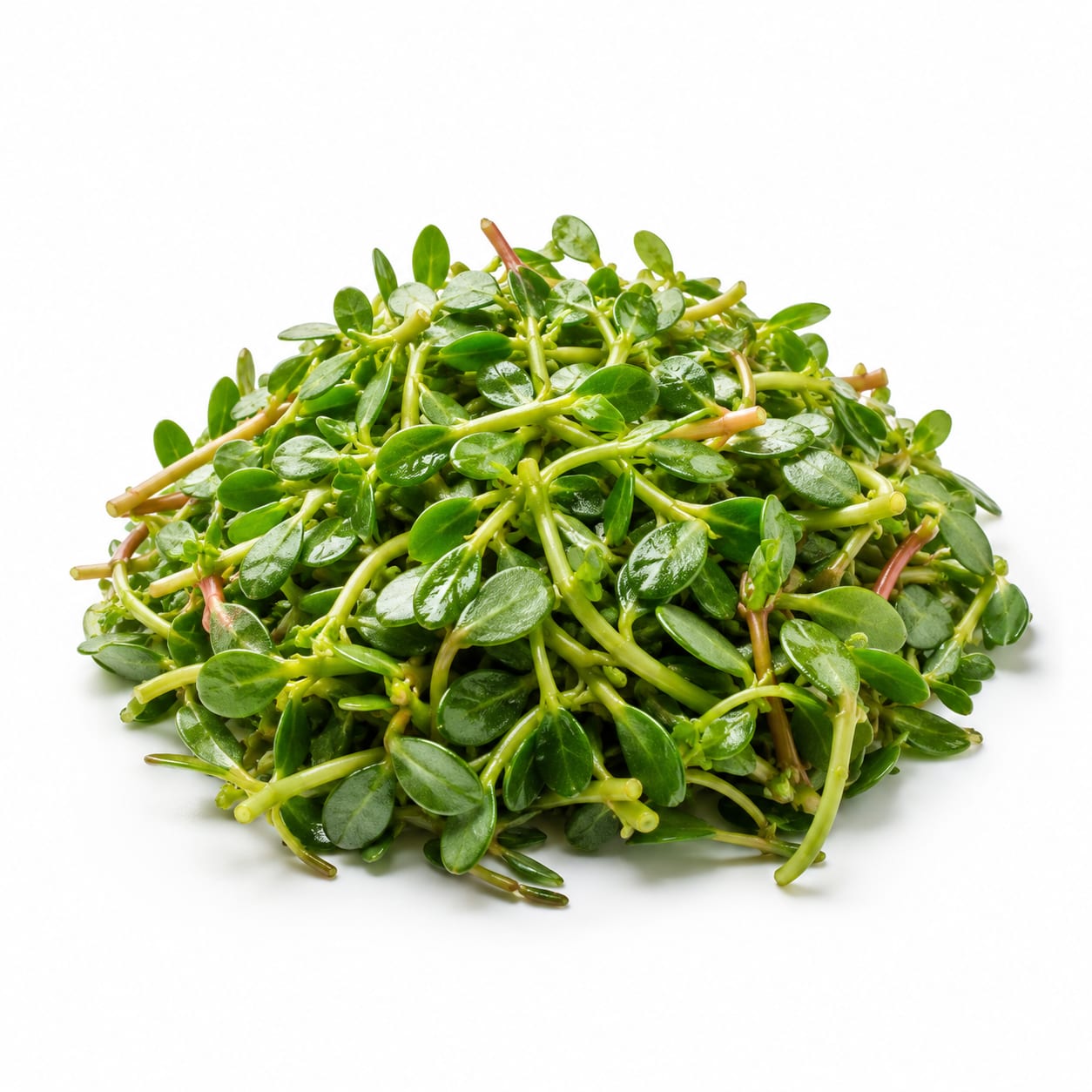
Purslane is a succulent, nutrient-dense leafy green renowned for having the highest omega-3 fatty acid content among leafy vegetables.
Purslane is a succulent, low-growing plant often considered a weed, but widely consumed as a nutrient-dense leafy green vegetable in many cultures. It has a slightly sour, salty taste and a crisp, juicy texture.
high-volume low-calorie omega-3 green
Typical serving · 85g
Common varieties · green purslane, golden purslane, large-leaved purslane, wild purslane
Overall context score across nutrition, safety, and diet fit
At a glance
Quick facts
Simple indicators based on nutrition, processing, and diet fit.
The story
What makes it unique
Purslane is a fast-digesting, high-volume leafy green with an exceptionally low energy density. Its macronutrient profile is negligible in calories and fat, though it is uniquely high in alpha-linolenic acid (ALA) omega-3 fatty acids for a land plant. The high water and mucilage content promotes rapid gastric emptying but contributes to short-term satiety through gastric distension. It is minimally processed in its raw form.
Varieties: green purslane · golden purslane · large-leaved purslane · wild purslane
Per 100g
Nutrition breakdown
Macro balance and key metrics at a glance.
Energy
Density 0.20 kcal/g
Protein
Carbs
Fat
Fiber
Sugar
0.5 g
Sodium
45 mg
Potassium
330 mg
Glycemic index
7
Glycemic load
0.2
Water content
92%
Standout compounds
Nutrient highlights
Omega-3 (ALA)
highSupports heart health and reduces inflammation
Vitamin A
highPromotes eye health and immune function
Potassium
moderateRegulates blood pressure and fluid balance
Vitamin C
moderateSupports collagen synthesis and antioxidant defense
Melatonin
moderateAntioxidant that helps regulate sleep cycles
Wellness map
Health scores & processing
NOVA processing scale
unprocessed · Whole food
Raw purslane is a whole, unprocessed plant food typically harvested and consumed in its natural state.
Diet compatibility
- Weight loss
- Muscle gain
- Diabetes
- Gut health
- Low carb
- High protein
- Heart health
Relative standing
Food rankings
Qualitative ranks compared to similar whole foods.
- Satietygood
- Blood sugarexcellent
- Nutrient densityexcellent
- Fitness fuelmoderate
- Processing qualityexcellent
Eat with confidence
Food safety profile
When foraged from unknown areas, purslane risks contamination from lawn chemicals, road runoff, or animal waste. It also contains oxalates and nitrates, which require caution for susceptible individuals. Store-bought purslane is generally safe.
Evidence confidence 85%
- Pesticidesmoderate
- Antibioticslow
- Heavy metalsmoderate
- Contaminationmoderate
Watch for
- oxalates
- nitrates
- herbicide residue
- parasites
Safer choices
Organic farm-sourced or farmers market purslane eliminates the risk of chemical contamination from foraging.
Prep tips
Wash thoroughly under running water to remove soil and potential parasites. Blanching can reduce oxalate and nitrate levels if concerned.
Often grows wild in agricultural or urban areas where herbicides or pesticides may be illegally or inadvertently applied.
Deep dive
Health analysis
How this food may fit different goals and preparation choices.
Weight loss
Extremely low energy density and high water content allow large portion sizes with minimal calories, promoting physical fullness.
Blood sugar
Virtually zero impact on blood sugar due to extremely low carbohydrate and sugar content, paired with a high fiber-to-carb ratio.
Fitness & energy
Provides excellent hydration and electrolytes (potassium) post-workout, but lacks the caloric density needed for serious fueling.
Gut health
Contains mucilage, a gel-forming soluble fiber that supports bowel regularity and feeds beneficial gut bacteria.
Processing quality
A whole, natural food with no additives, preservatives, or industrial processing when consumed fresh.
Food safety
Primary concerns stem from foraging in contaminated soils rather than the plant itself; oxalates may affect those prone to kidney stones.
Common mistakes
Overcooking purslane destroys its delicate omega-3 fatty acids and vitamin C content; it is best consumed raw or lightly wilted.
Best preparation
Fresh in salads, lightly sautéed at the end of cooking, or blended raw into green smoothies to preserve omega-3s.
Practical guide
Best use cases
When and how this food fits real eating patterns.
Low-calorie salad base
Mix with other greens to bulk up salads with minimal calories and a refreshing, lemony crunch.
Plant-based omega-3 boost
Add to smoothies or salads to increase ALA omega-3 intake without needing seeds or oils.
Post-workout hydration
Consume raw after exercise to benefit from its high water content and electrolyte-replenishing potassium.
Balance sheet
Pros & cons
Upsides
- Richest leafy green source of plant-based omega-3s (ALA)
- Extremely low calorie with high water content for volume eating
- High in potassium which helps regulate blood pressure
- Contains melatonin, a rare antioxidant in food
- Mucilage content soothes the digestive tract
- No preparation needed; can be eaten straight from the garden
Trade-offs
- High in oxalates, posing a risk for kidney stone formers
- Wild foraging carries contamination risks from lawn chemicals
- Highly perishable and wilts quickly after harvesting
- Not a significant source of protein or complex carbohydrates
- Can be difficult to find in standard grocery stores
Fit check
Who is it for?
Great match
- volume eaters seeking low-calorie greens
- plant-based diets needing omega-3 sources
- blood sugar management
- post-workout hydration and electrolytes
Consider alternatives
- strict low-oxalate diets
- those needing calorie-dense fuel
- people unsure about safe foraging locations
Side by side
How it compares
Open the full head-to-head analysis for nutrition, safety, and practical tradeoffs.
This food
Purslane
VS90% alike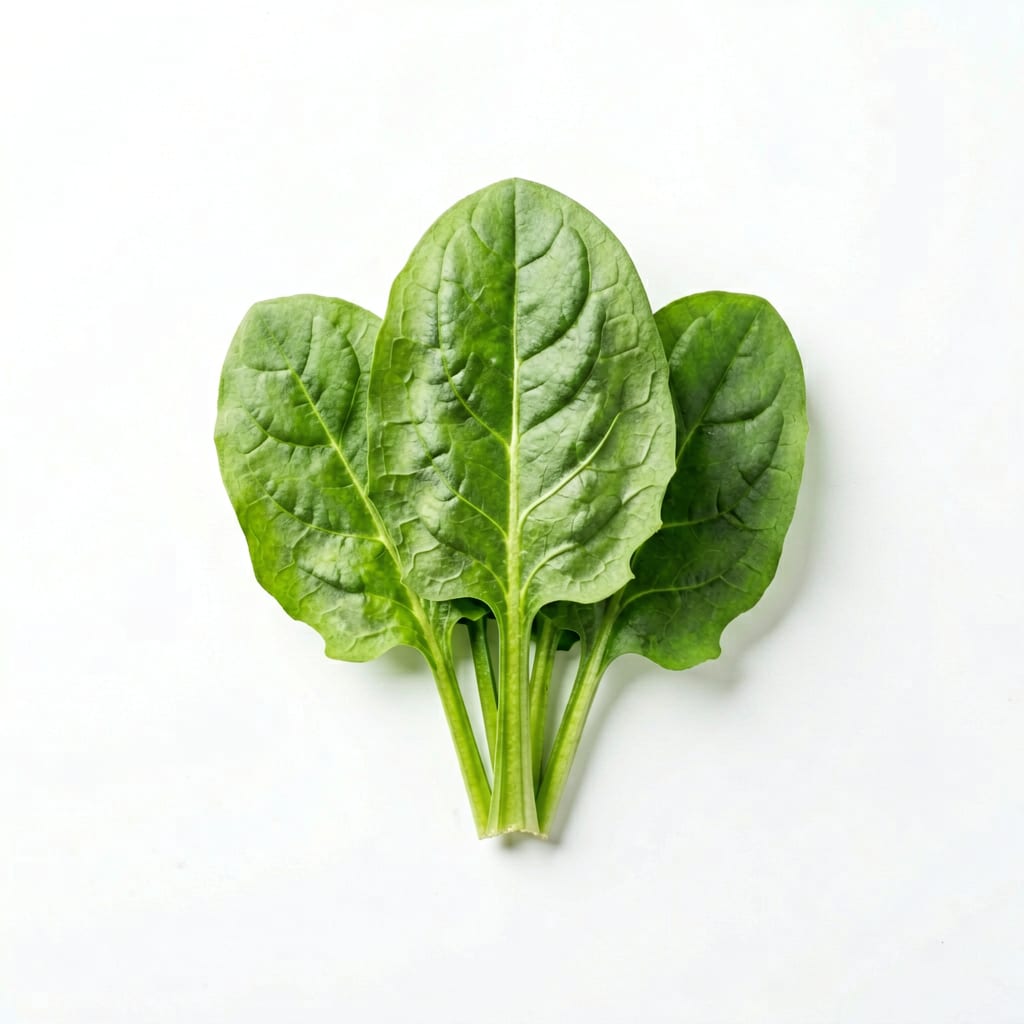
Compare with
Spinach
Spinach is more common and higher in iron, but purslane offers significantly more omega-3 fatty acids and a crispier, succulent texture.
Purslane provides more omega-3s and a crunchier texture, while spinach is easier to find and offers more iron for energy.
This food
Purslane
VS75% alike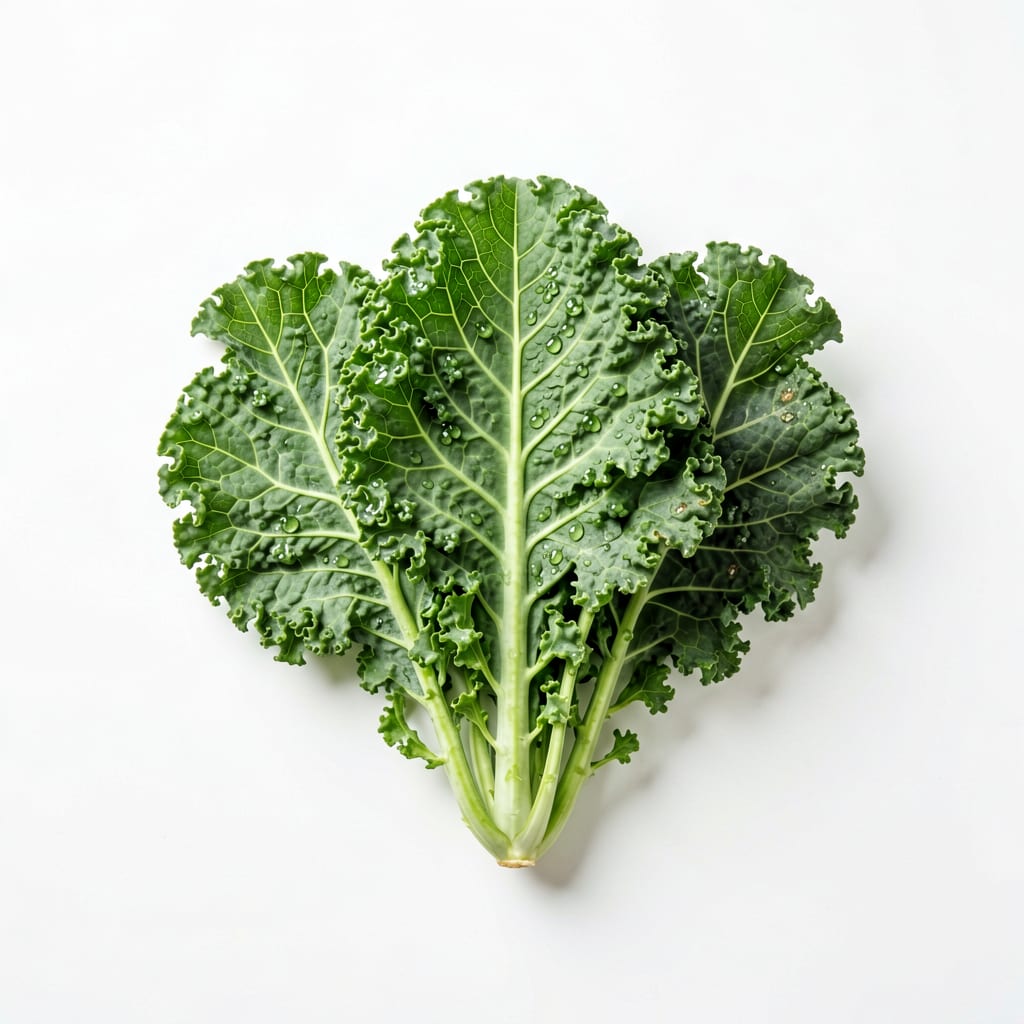
Compare with
Kale
Kale is denser in vitamins and protein, but purslane is far lower in calories and uniquely contains omega-3s.
Kale is better for muscle support and vitamins, while purslane is lighter in calories and provides rare plant-based omega-3s.
This food
Purslane
VS85% alike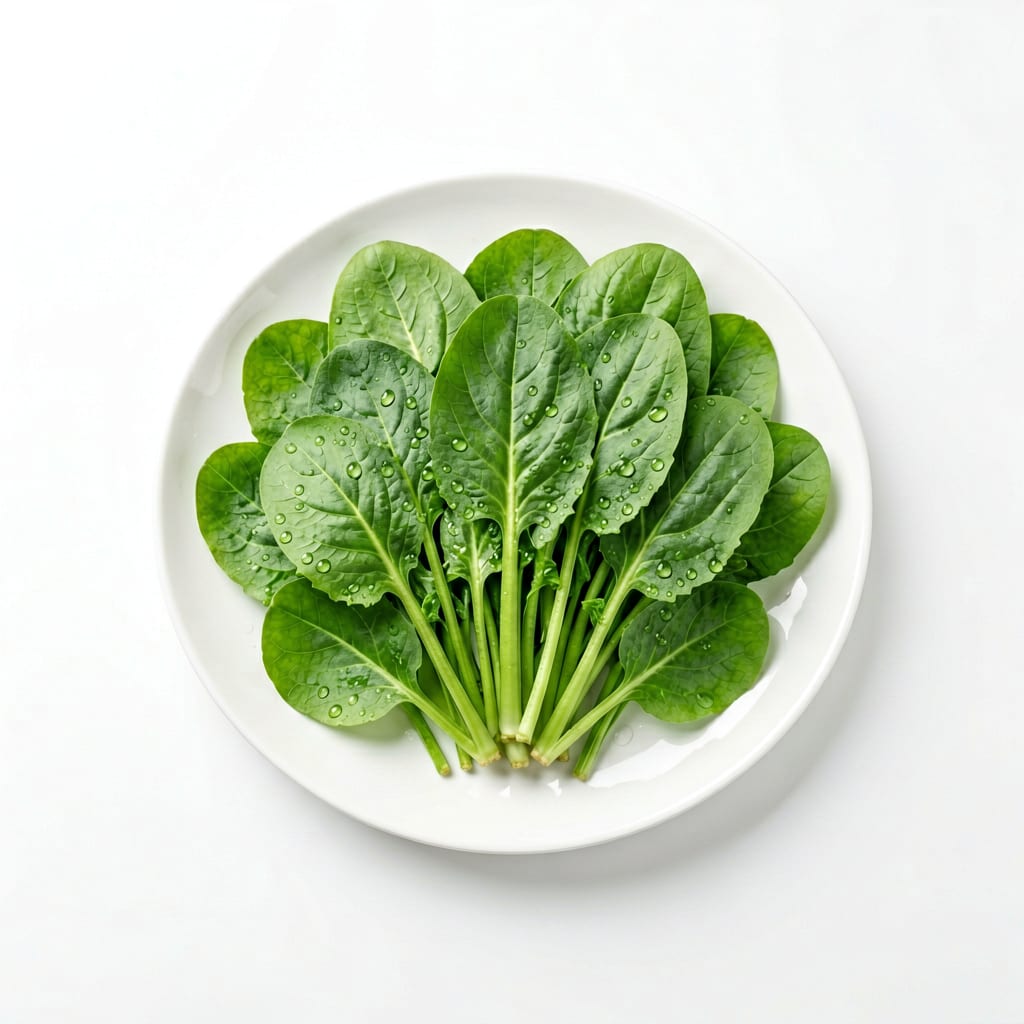
Compare with
Watercress
Watercress is slightly more nutrient-dense overall, but purslane offers a better omega-3 profile and a juicier texture.
Watercress edges out purslane in overall vitamin density, but purslane wins for omega-3 content and hydration.
This food
Purslane
VS80% alike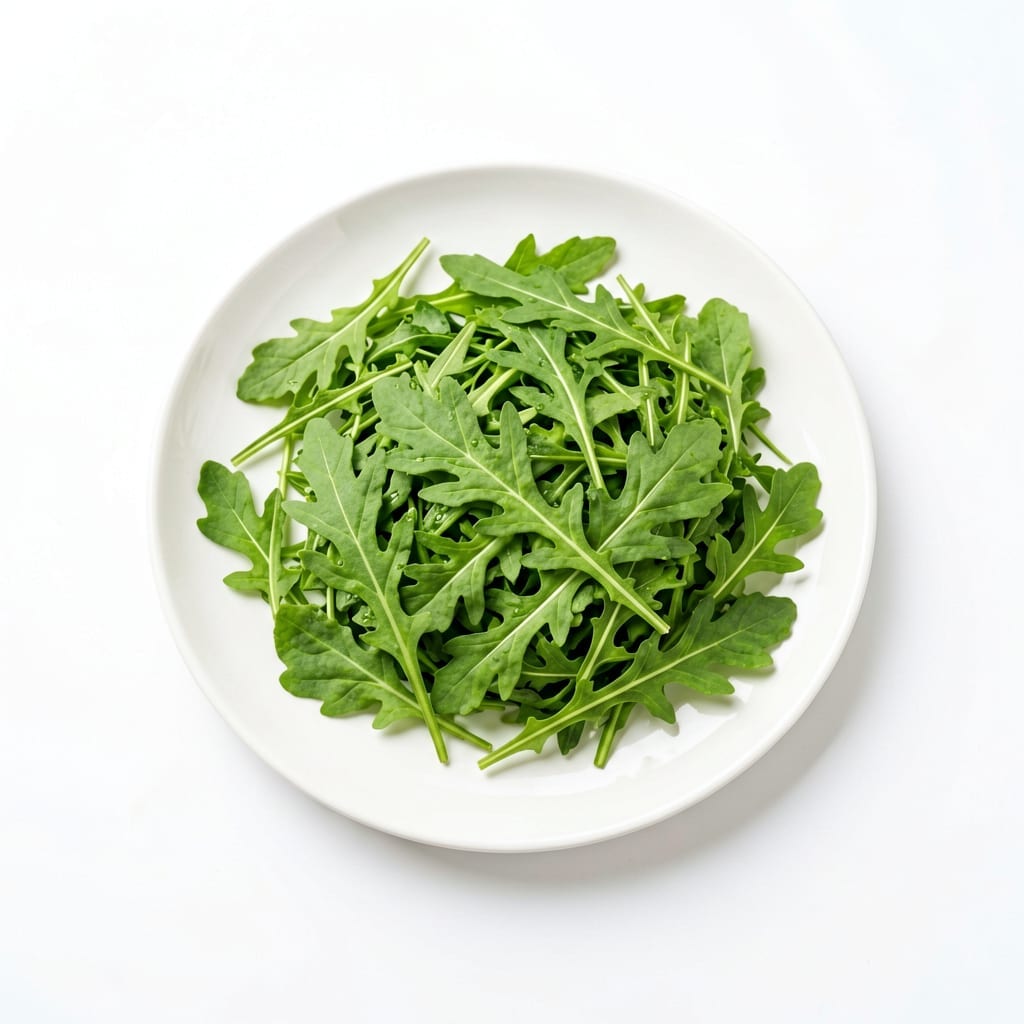
Compare with
Arugula
Arugula is more common and lower in oxalates, while purslane is much higher in omega-3s and has a succulent crunch.
Arugula offers a stronger peppery kick and lower oxalates, whereas purslane provides omega-3s and a juicy crunch.
This food
Purslane
VS70% alike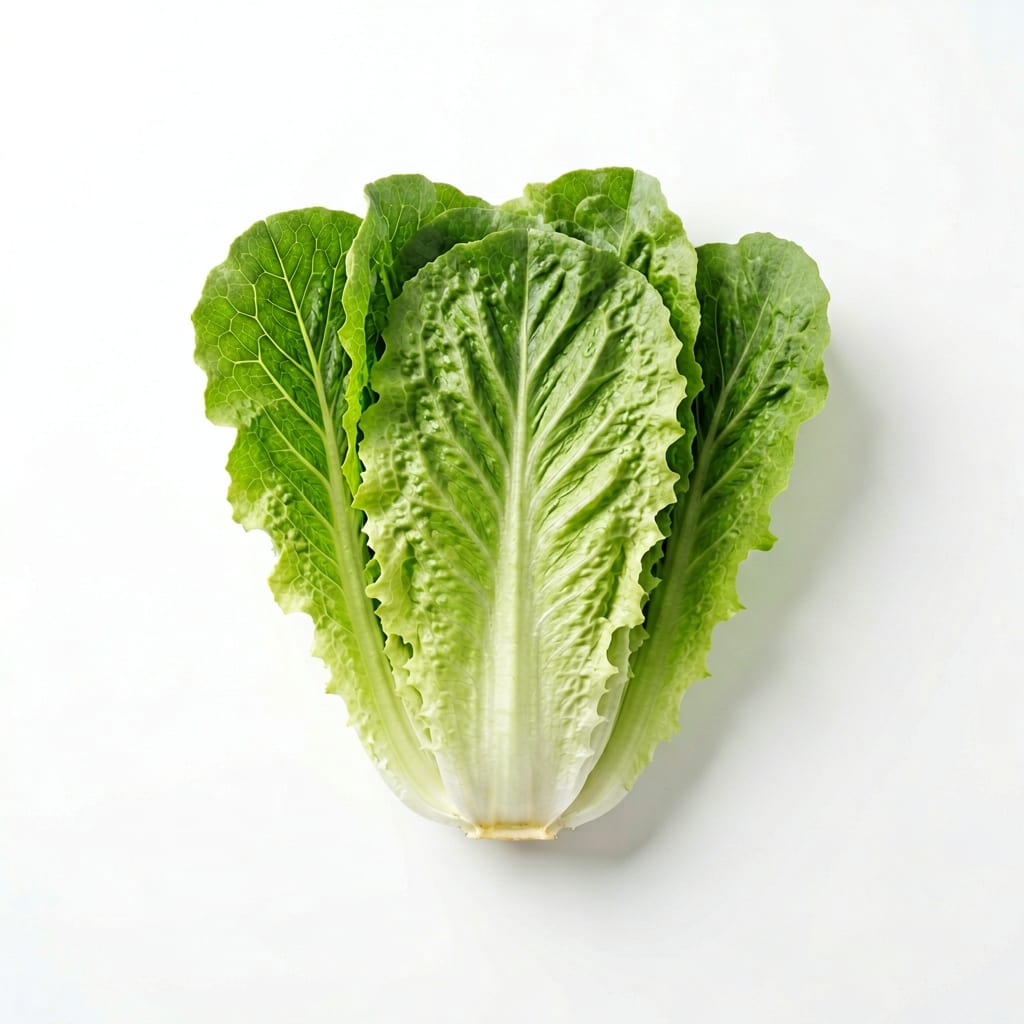
Compare with
Romaine Lettuce
Romaine is milder and crunchier, but purslane is vastly superior in omega-3s, potassium, and overall micronutrient density.
Romaine is a classic crunchy salad base, but purslane is far more nutritious, offering omega-3s and more potassium per calorie.
This food
Purslane
VS75% alike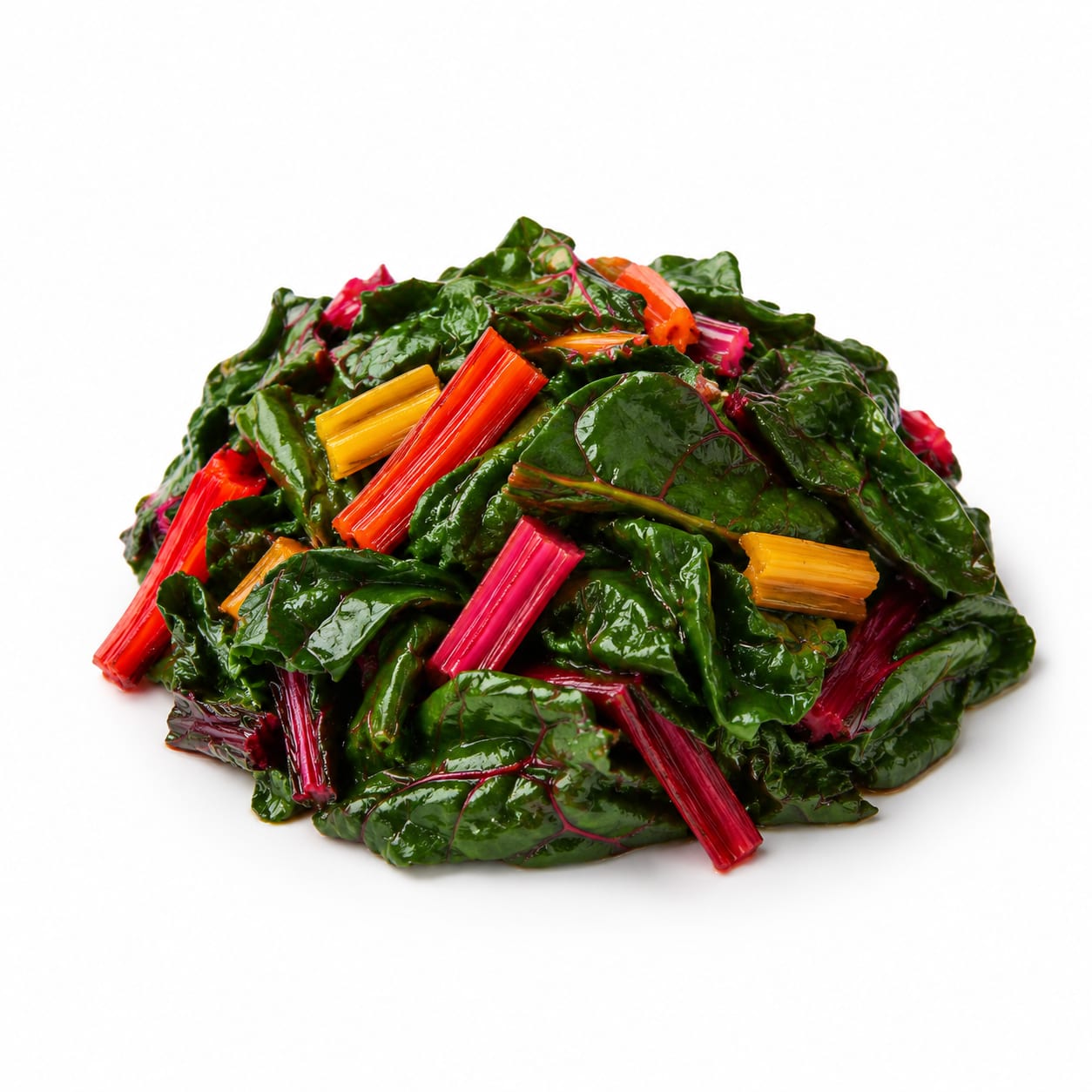
Compare with
Swiss Chard
Swiss chard is larger and better for cooked dishes, while purslane is superior raw and offers omega-3s that chard lacks.
Swiss chard is better for hearty cooked meals, while purslane is the better choice for raw omega-3 intake and low-calorie volume.
This food
Purslane
VS85% alike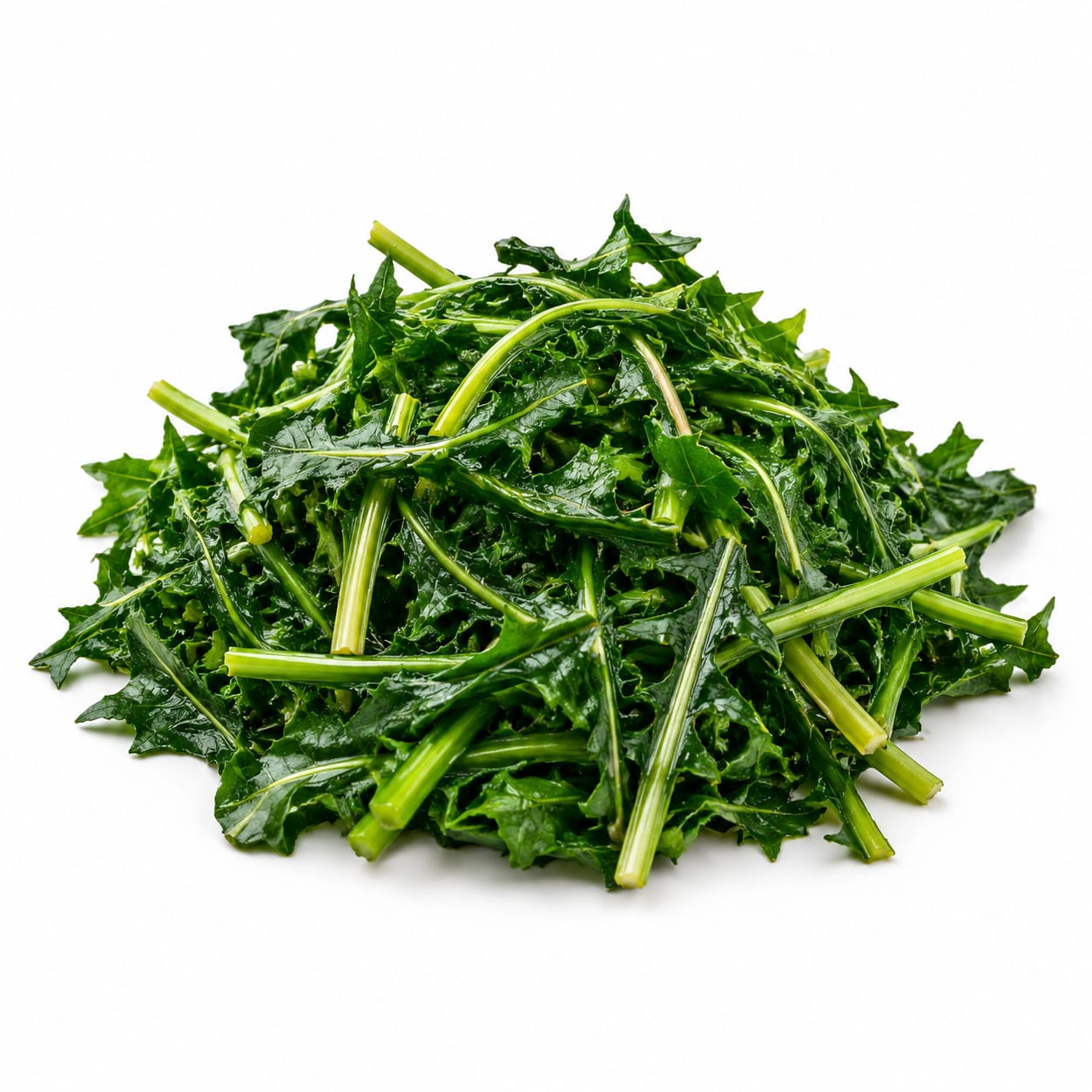
Compare with
Dandelion Greens
Dandelion is stronger in calcium and prebiotic fiber, while purslane is richer in omega-3s and has a more pleasant, juicy texture.
Dandelion greens offer more calcium and gut-friendly fiber, but purslane is juicier, lower in calories, and packed with omega-3s.
This food
Purslane
VS80% alike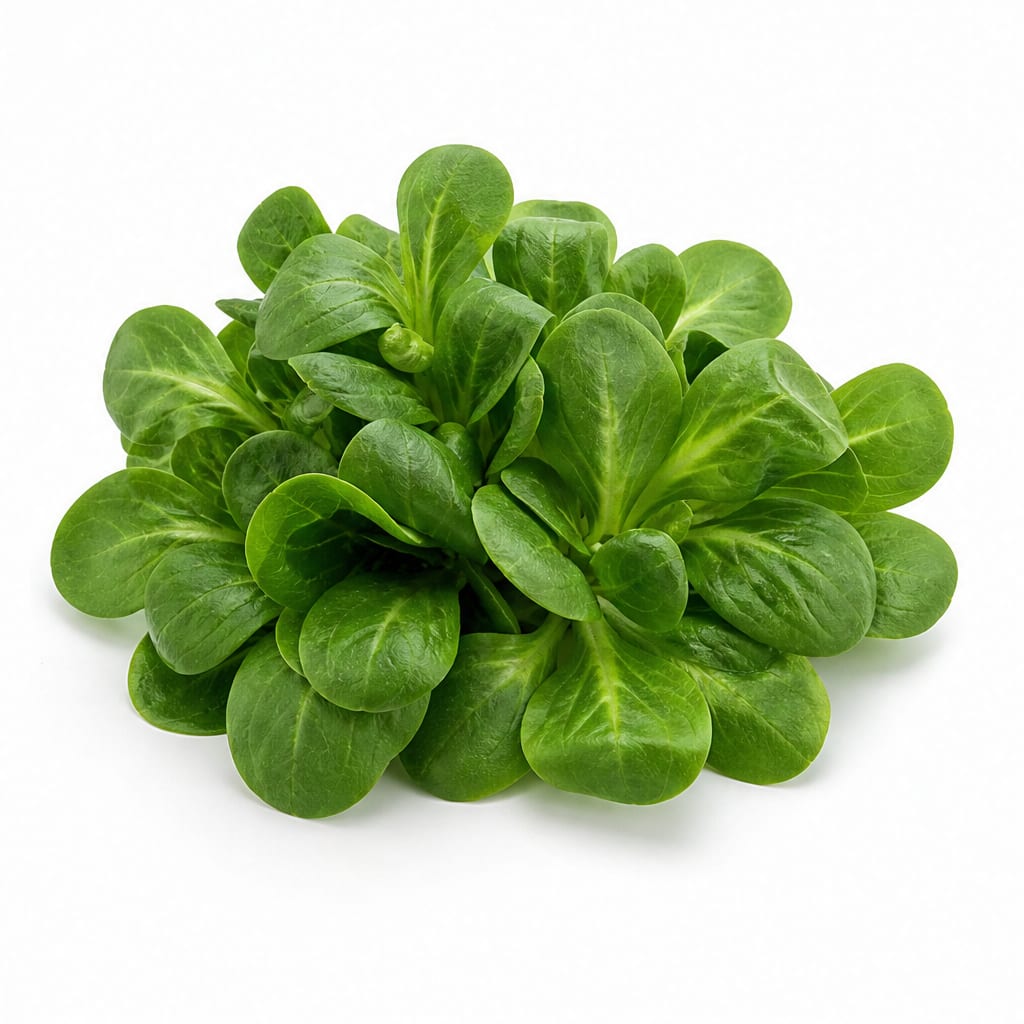
Compare with
Mache
Mache has a milder, nuttier flavor, while purslane is nutritionally superior with its omega-3 content and higher potassium.
Mache is milder and more tender for delicate salads, but purslane is far richer in omega-3s and electrolytes.
This food
Purslane
VS70% alike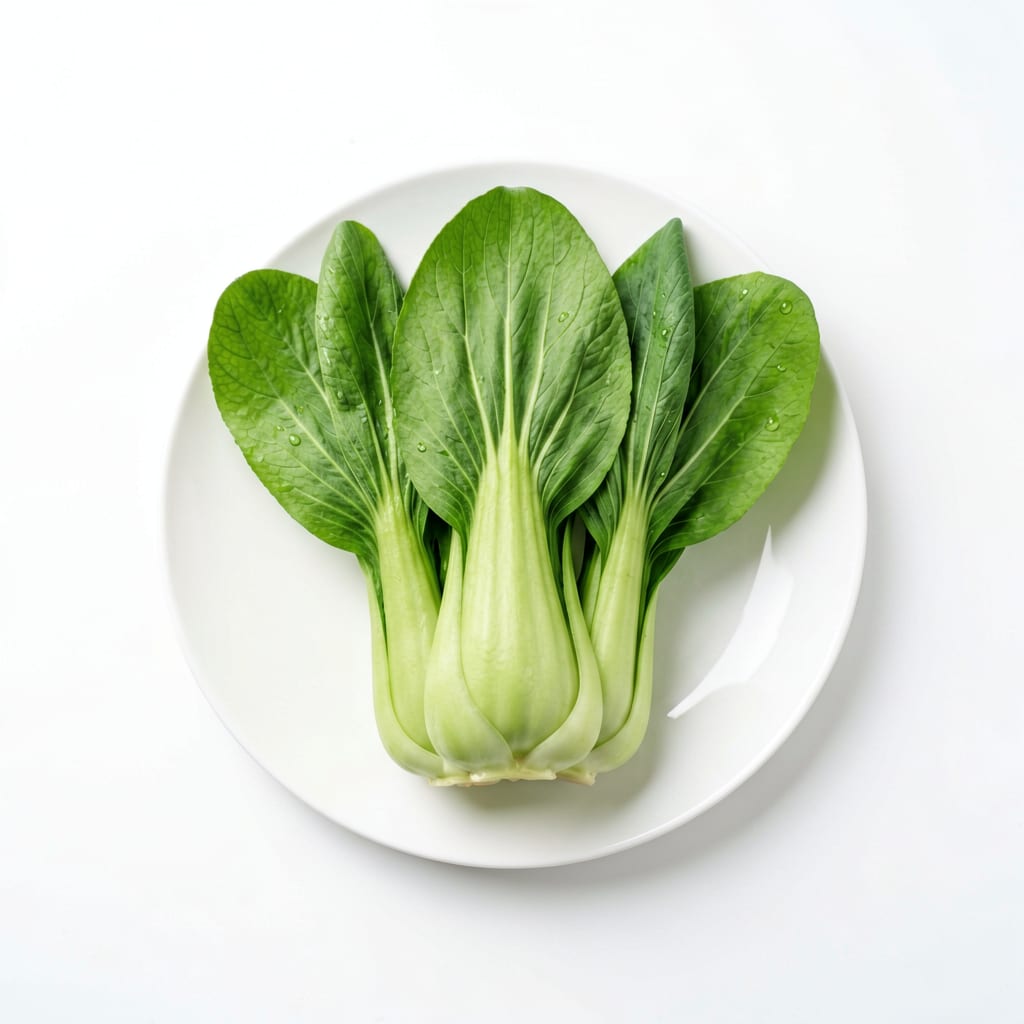
Compare with
Bok Choy
Bok choy is a cruciferous vegetable with more vitamin C and calcium, while purslane provides unique omega-3s and a lemony tang.
Bok choy provides more calcium and vitamin C for bone and immune health, while purslane stands out for its omega-3 content.
This food
Purslane
VS65% alike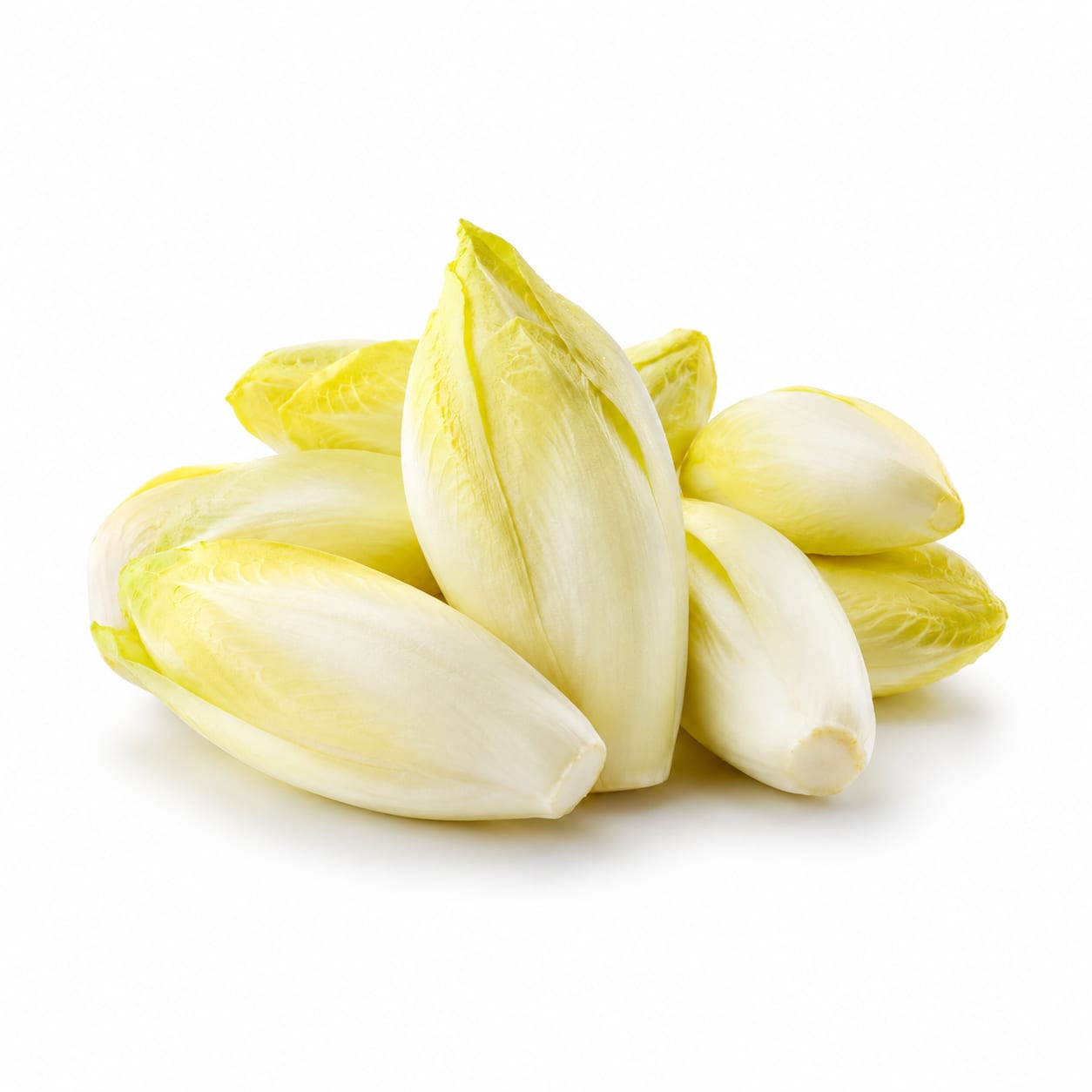
Compare with
Endive
Endive is structurally better for dips and boats, but purslane is much richer in omega-3s and potassium.
Endive is better for appetizer cups and has a pleasant crunch, but purslane is nutritionally superior with plant-based omega-3s.
Common questions
FAQ
Answers aligned with how people search for this food.
Is purslane good for weight loss?
Yes, purslane is excellent for weight loss. It is extremely low in calories and high in water and fiber, which helps you feel full without consuming excess energy.
Can you eat purslane raw?
Yes, purslane can be eaten raw. In fact, eating it raw preserves its heat-sensitive omega-3 fatty acids and vitamin C. It adds a crisp, slightly sour and salty flavor to salads.
Is purslane really high in omega-3?
Yes, purslane is one of the best plant sources of alpha-linolenic acid (ALA), an omega-3 fatty acid. It contains significantly more omega-3s than most other leafy green vegetables.
Can diabetics eat purslane?
Yes, purslane is highly suitable for diabetics. It has an extremely low glycemic index and load, meaning it will not spike blood sugar levels, while providing essential nutrients.
Is wild purslane safe to eat?
Wild purslane is safe to eat only if harvested from clean areas free of pesticides, herbicides, and animal waste. Avoid foraging near roadsides or chemically treated lawns.
What are the side effects of eating purslane?
Due to its oxalate content, eating large amounts of purslane may contribute to kidney stone formation in susceptible individuals. It also contains nitrates, which can be an issue if consumed in extreme excess.
How do you prepare and cook purslane?
Wash thoroughly to remove grit. You can eat the leaves and stems raw in salads, add them to sandwiches, or briefly sauté them at the very end of cooking to preserve their omega-3s.
What does purslane taste like?
Purslane has a crisp, succulent texture with a slightly sour, lemony, and salty flavor profile, making it a refreshing addition to fresh dishes.
Transparency
Data confidence
Estimated confidence for nutrition data, interpretation, safety notes, and comparisons.
Nutrition data
Health analysis
Food safety
Comparisons