
Nutrition comparison
Purslane vs Spinach: Which Leafy Green Is Actually Better for You?
Purslane beats Spinach on omega-3s and oxalates, but Spinach wins on convenience and vitamin K. Compare nutrition, kidney stone risk, and practicality to pick the right green for your diet.
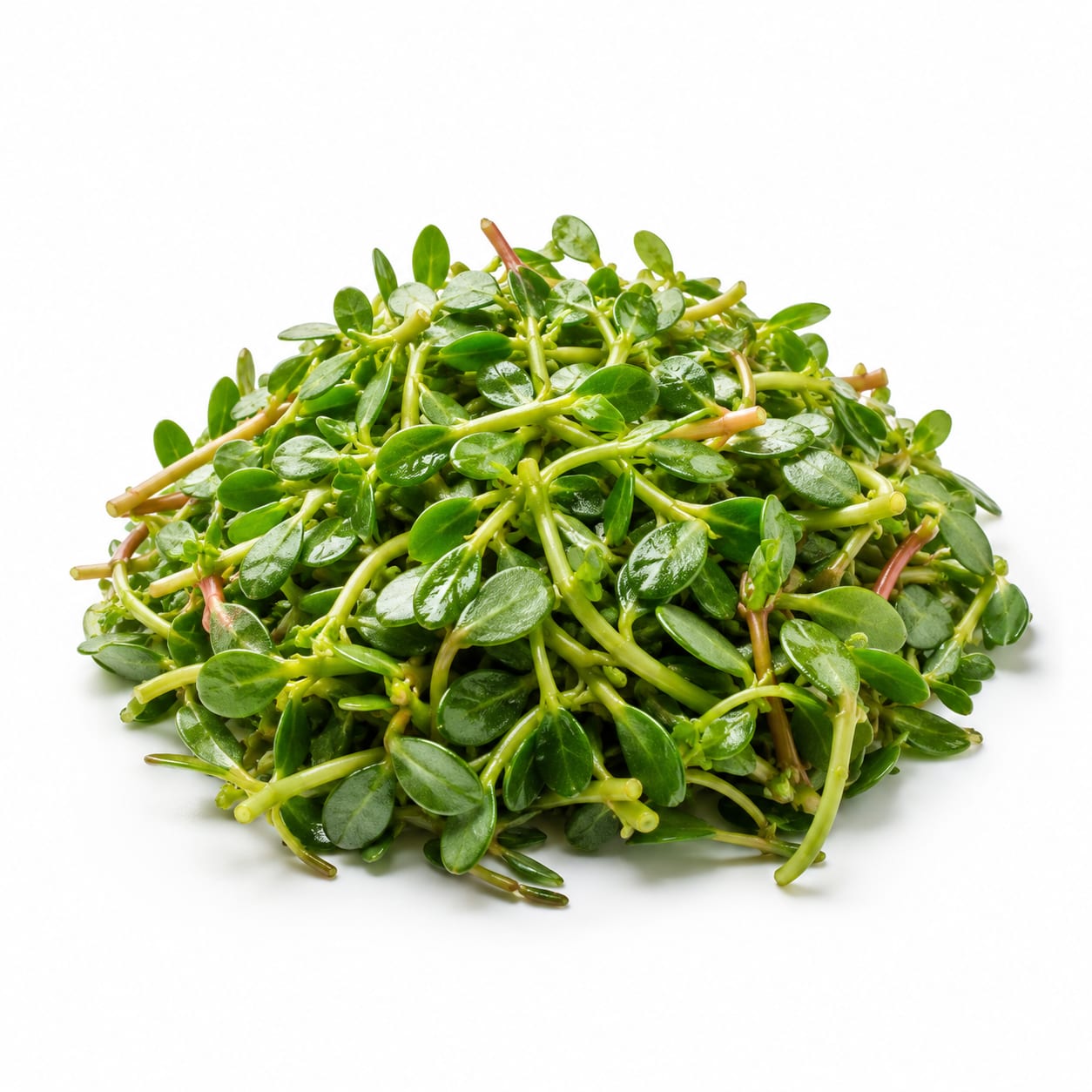
Purslane
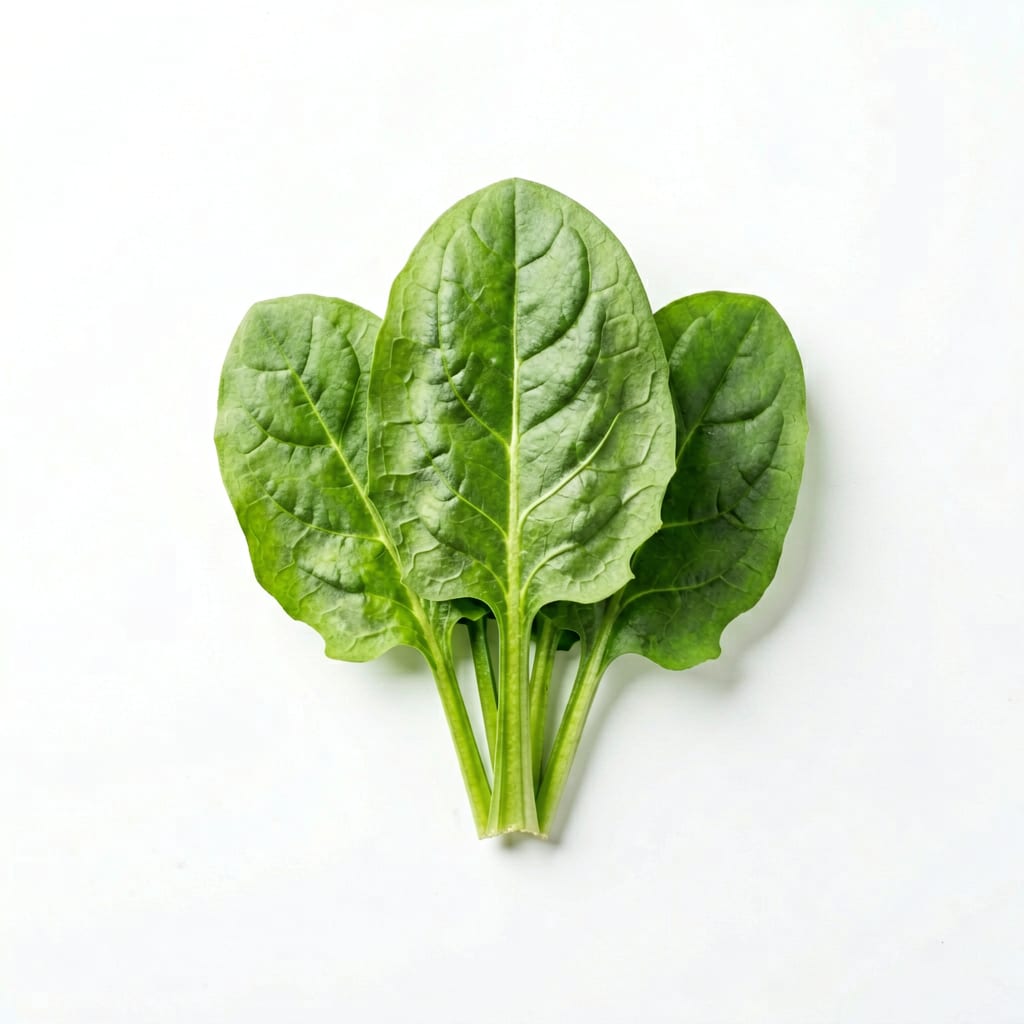
Spinach
Purslane is the nutritional dark horse with more omega-3s and fewer oxalates, but Spinach wins on convenience and vitamin K density.
Purslane edges ahead nutritionally due to its omega-3 content and lower oxalate levels, but Spinach's widespread availability and versatility narrow the gap significantly for everyday use.
Purslane delivers rare omega-3s and better mineral absorption, while Spinach offers unmatched availability and higher folate and vitamin K.
At a glance
Executive summary
Overall
It depends
Healthier
Purslane
More practical
Spinach
Daily use
Spinach
Key comparison lenses
omega-3 and anti-inflammatory comparison
Purslane is one of the richest plant sources of omega-3 ALA, which is rare for a leafy green and a major differentiator
oxalate and kidney stone risk
Spinach is notoriously high in oxalates while Purslane is significantly lower, making this a critical health tradeoff
mineral bioavailability
Lower oxalates in Purslane mean calcium and iron are more absorbable despite Spinach having higher total amounts
everyday availability and practicality
Spinach is available everywhere while Purslane is harder to find, affecting real-world decision-making
antioxidant diversity
Both offer unique antioxidant profiles but Purslane contains betalains and melatonin not found in Spinach
Best choice for
Purslane
- People prone to kidney stones who still want leafy greens
- Anyone seeking plant-based omega-3s without supplements
- Those with inflammatory conditions wanting diverse antioxidants
- Gardeners and foragers looking to maximize wild food nutrition
Spinach
- Busy households needing reliable weekly meal prep greens
- Anyone needing high vitamin K for bone health
- Pregnant women requiring extra folate
- People who want a versatile green for cooked and raw dishes
Least suitable for
Purslane
- People who need consistent grocery store availability
- Anyone unfamiliar with safe foraging practices if wild-harvesting
- Those who dislike slightly sour or mucilaginary textures
Spinach
- People with a history of calcium oxalate kidney stones
- Anyone needing to limit oxalate intake for gut health issues
- Those on blood thinners who must monitor vitamin K carefully
Deep comparison
Dimension by dimension
Each lens scores both foods and breaks down who each option suits.
- Dimension 1 · Priority 95Purslane
omega-3 fatty acid content
Purslane · 92Spinach · 18Purslane is one of the best plant sources of alpha-linolenic acid, delivering roughly 4mg of omega-3 per gram of fresh weight. Spinach contains only trace amounts.
Tradeoff
You would need to eat several cups of Spinach to match the omega-3s in a modest serving of Purslane, making Purslane far more efficient for plant-based omega-3 intake.
Why it matters
Omega-3s support heart health, brain function, and inflammation control. Most diets are deficient, and finding them in a leafy green is exceptionally rare.
Real-world impact
Adding Purslane to salads a few times a week can meaningfully boost your omega-3 intake without fish or supplements.
Purslane
- Vegans and vegetarians seeking omega-3s
- People with inflammatory conditions
- Anyone avoiding fish oil supplements
Better for
Spinach
- Relying on Spinach as a significant omega-3 source
Worse for
- Dimension 2 · Priority 90Purslane
oxalate load and kidney stone risk
Purslane · 82Spinach · 35Purslane contains moderate oxalates while Spinach is one of the highest-oxalate foods commonly eaten, with roughly 750mg per cup of raw leaves.
Tradeoff
Spinach packs more total minerals but its high oxalates bind to calcium and iron, reducing what your body actually absorbs. Purslane offers better net mineral uptake despite lower totals.
Why it matters
High oxalate intake increases kidney stone risk and reduces calcium and iron absorption. This is a hidden cost of Spinach that many people overlook.
Real-world impact
If you have ever had a kidney stone, Spinach is one of the first foods doctors recommend limiting. Purslane is a safer leafy green alternative.
Purslane
- People with kidney stone history
- Anyone concerned about calcium absorption
- Those with gut issues that worsen with oxalates
Better for
Spinach
- Anyone at risk for calcium oxalate stones
- People relying on Spinach for calcium who may not absorb it well
Worse for
- Dimension 3 · Priority 85Spinach
vitamin and mineral density
Purslane · 70Spinach · 88Spinach delivers significantly more vitamin K, folate, and iron per serving. Purslane offers more potassium and vitamin A but falls short on several key vitamins.
Tradeoff
Spinach has higher raw nutrient totals, but its oxalates reduce absorption of some minerals. Purslane has lower totals but better bioavailability for what it contains.
Why it matters
Vitamin K is essential for bone health and blood clotting, and folate is critical during pregnancy. Spinach is a top-tier source for both.
Real-world impact
A single cup of raw Spinach provides over 100% of daily vitamin K needs. Purslane cannot match this, making Spinach more efficient for certain nutrients.
Purslane
- Those who absorb minerals poorly and benefit from lower oxalate interference
Better for
- Those relying on a single green for broad vitamin coverage
Worse for
Spinach
- Pregnant women needing folate
- Anyone focused on bone health through vitamin K
- People wanting maximum nutrient density per calorie
Better for
- Dimension 4 · Priority 75Purslane
antioxidant diversity
Purslane · 84Spinach · 72Purslane contains betalain pigments and melatonin, both absent in Spinach. Spinach relies mainly on lutein, zeaxanthin, and flavonoids.
Tradeoff
Purslane offers a more unusual antioxidant profile that complements standard diets, while Spinach provides antioxidants that are especially well-studied for eye health.
Why it matters
Diverse antioxidant intake from different sources provides broader cellular protection than high amounts of a few types.
Real-world impact
Eating Purslane alongside other greens gives your body antioxidant types it likely never sees from typical grocery store produce.
Purslane
- Anyone eating a standard diet lacking in diverse antioxidants
- People interested in the anti-inflammatory potential of betalains
Better for
Spinach
- Those specifically targeting eye health with lutein and zeaxanthin
Better for
- Dimension 5 · Priority 80Spinach
availability and practicality
Purslane · 30Spinach · 95Spinach is available year-round in every grocery store. Purslane is rarely stocked and often requires foraging, specialty markets, or home growing.
Tradeoff
Purslane may be nutritionally superior in several ways, but you cannot benefit from it if you cannot find it. Spinach's convenience is a real practical advantage.
Why it matters
The healthiest food is the one you can actually eat consistently. Availability directly impacts long-term dietary habits.
Real-world impact
You can buy Spinach anywhere, any day. Purslane requires effort to source, which means most people will eat it far less often.
Purslane
- Home gardeners who can grow it easily
- Foragers in regions where it grows abundantly as a weed
Better for
- Anyone without foraging knowledge or garden space
- People who need consistent meal planning
Worse for
Spinach
- Busy families
- Anyone without access to specialty markets or gardens
- Meal preppers who need reliable weekly ingredients
Better for
- Dimension 6 · Priority 70Spinach
culinary versatility
Purslane · 55Spinach · 85Spinach works raw in salads, cooked in soups, blended in smoothies, and baked into dishes. Purslane is best fresh or lightly cooked and has a distinct sour, slightly slimy texture.
Tradeoff
Purslane's unique flavor can be a delight or a hurdle depending on preference. Spinach is a culinary chameleon that disappears into almost any dish.
Why it matters
If a food is hard to cook with, you will eat it less often. Versatility drives consistency.
Real-world impact
Spinach hides in smoothies, pasta, and eggs effortlessly. Purslane works best as a salad green or garnish and can become mushy when overcooked.
Purslane
- Adventurous eaters who enjoy tangy, succulent textures
- Anyone looking to add variety to salad rotations
Better for
- Those who dislike mucilaginous or sour textures
Worse for
Spinach
- Picky eaters who prefer neutral flavors
- Cooks who want a green that works in any recipe
Better for
Timeline
Health impact over time
Short-term
Hours to days
Purslane
- Provides a noticeable omega-3 boost within a single meal
- Lower oxalate load means less immediate mineral binding
- The sour flavor can stimulate digestion and appetite
Spinach
- High vitamin K can quickly support blood clotting function
- Oxalates may cause digestive discomfort in sensitive individuals
- Quickly boosts folate intake for energy support
Long-term
Months to years
Purslane
- Regular consumption supports anti-inflammatory omega-3 intake without supplements
- Lower oxalate intake reduces long-term kidney stone risk
- Unique antioxidants like melatonin may support better sleep and cellular repair over time
Spinach
- Consistent intake strongly supports bone density through high vitamin K
- Lutein and zeaxanthin accumulate in the retina, protecting long-term eye health
- Chronic high oxalate consumption may increase kidney stone risk in susceptible people
Risk profile
Safety & processing
Both Purslane and Spinach are whole, unprocessed leafy greens. Purslane is often harvested wild or homegrown, making it even closer to its natural state than commercially farmed Spinach.
Purslane
Foraging misidentification
highWild Purslane can be confused with spurge species which are toxic. Only forage if you are confident in identification or buy from reputable sources.
Environmental contamination when wild-harvested
mediumPurslane growing near roads or treated lawns may accumulate heavy metals or pesticides. Always harvest from clean, uncontaminated areas.
Oxalate content still present
lowPurslane has lower oxalates than Spinach but is not oxalate-free. Very sensitive individuals should still monitor intake.
Spinach
High oxalate load
highSpinach is one of the most oxalate-dense foods available. Regular large servings significantly increase kidney stone risk in prone individuals.
Pesticide residue
mediumConventional Spinach consistently appears on the EWG Dirty Dozen list due to pesticide residues. Washing helps but does not remove all residues.
Mineral malabsorption
mediumOxalates in Spinach bind to calcium and iron, meaning much of its mineral content passes through unabsorbed.
Who wins for whom
Audience fit
Same foods, different winners depending on your goal.
children
SpinachSpinach's mild flavor blends easily into kid-friendly foods like smoothies and pasta, while Purslane's sour taste and texture may be rejected.
daily consumption
SpinachSpinach's availability and versatility make it far more realistic to eat every day. Purslane is excellent but too impractical for most people as a daily staple.
diabetes
PurslanePurslane's omega-3 content and lower oxalate load provide better anti-inflammatory support, which is particularly relevant for insulin sensitivity.
elderly
It dependsSpinach supports bone density with vitamin K, but Purslane's lower oxalates and omega-3s benefit heart and joint health. Both have strong but different merits.
muscle gain
SpinachSpinach provides slightly more iron and is easier to incorporate into high-calorie meals and protein shakes.
weight loss
SpinachBoth are extremely low in calories, but Spinach is easier to eat in large volumes consistently, making it more practical for filling up without calories.
Your move
Decision guide
Choose Purslane
- You have access to fresh Purslane through a garden, farmers market, or foraging
- You are prone to kidney stones and want a safer leafy green
- You want to boost omega-3 intake from whole foods without supplements
- You enjoy tangy flavors and want to diversify your salad greens
Choose Spinach
- You need a reliable green available at any grocery store year-round
- You are pregnant or trying to conceive and need high folate
- You want maximum vitamin K for bone health
- You cook for a family and need a versatile green that works in everything
Either works if
- You simply want more leafy greens in your diet and can access both
- You are rotating greens to diversify your nutrient intake
- You have no specific kidney stone or oxalate concerns
Avoid both if
- You are on blood thinners and cannot handle vitamin K variability without medical guidance
- You have severe oral allergy syndrome triggered by raw greens
Final recommendation
Eat both when possible. Purslane is the nutritional standout with rare omega-3s and safer oxalate levels, but Spinach is the practical daily driver. If you can grow or source Purslane, treat it as a nutritional supplement in salad form. Keep Spinach as your everyday workhorse green. The ideal approach is rotating between multiple leafy greens rather than choosing just one.
Practical
Consumer tips
- 1
If foraging Purslane, always confirm identification with an expert. Spurge lookalikes are toxic.
- 2
Grow Purslane in containers at home. It thrives with minimal care and gives you a steady supply.
- 3
If you have kidney stone concerns, boil Spinach and discard the water to reduce oxalate content by up to 87%.
- 4
Pair Spinach with vitamin C rich foods like lemon juice to improve iron absorption despite oxalates.
- 5
Buy organic Spinach when possible. It consistently ranks high for pesticide residue on conventional farms.
- 6
Add Purslane to salads rather than cooking it. Its delicate omega-3s and antioxidants are best preserved raw.
- 7
If you cannot find fresh Purslane, some specialty seed companies sell seeds for home growing at low cost.