
Nutrition comparison
Purslane vs Endive: Omega-3, Oxalates, and Health Benefits Compared
Compare Purslane vs Endive to see which leafy green is better for you. Discover the omega-3 benefits of Purslane and the low-oxalate, bitter advantages of Endive.
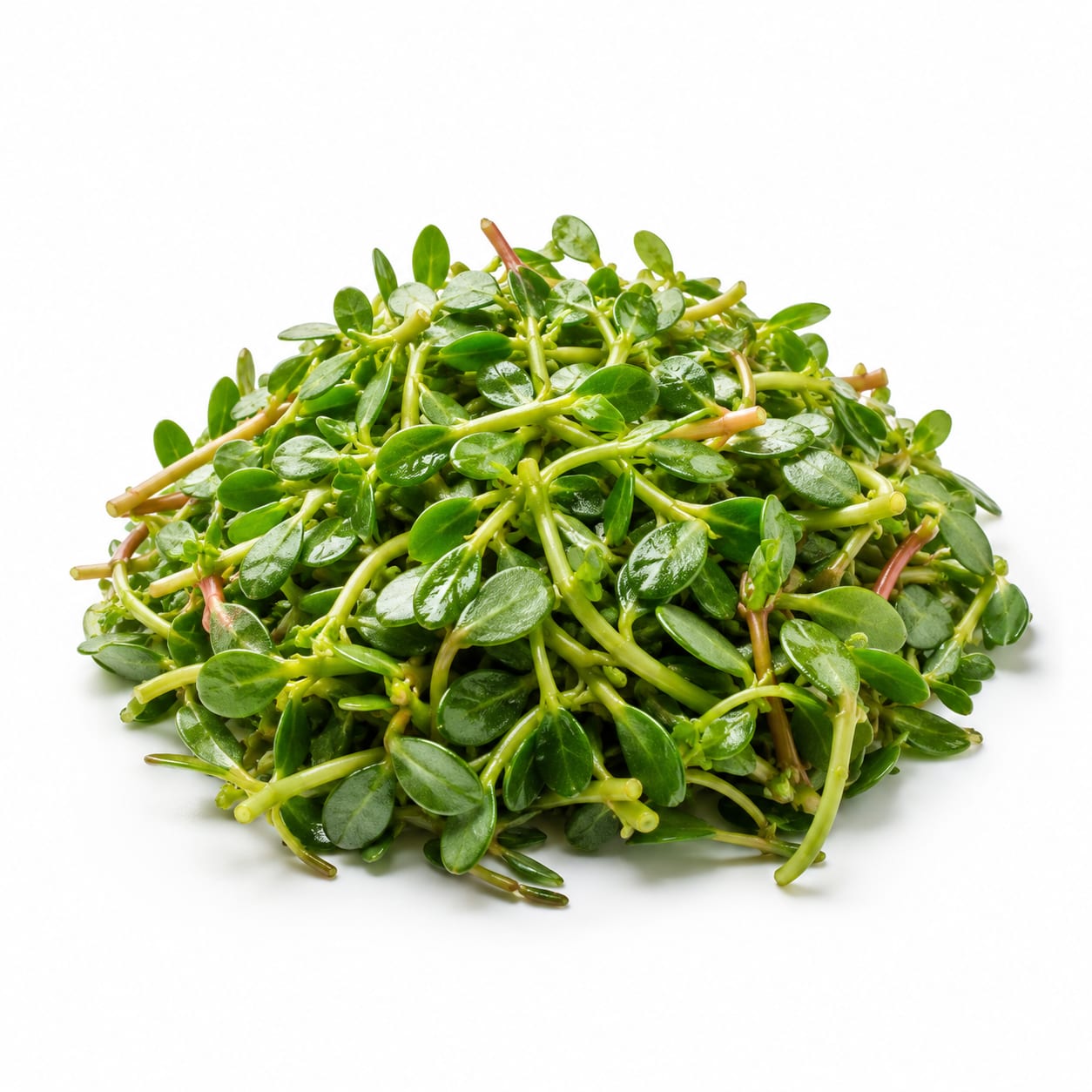
Purslane
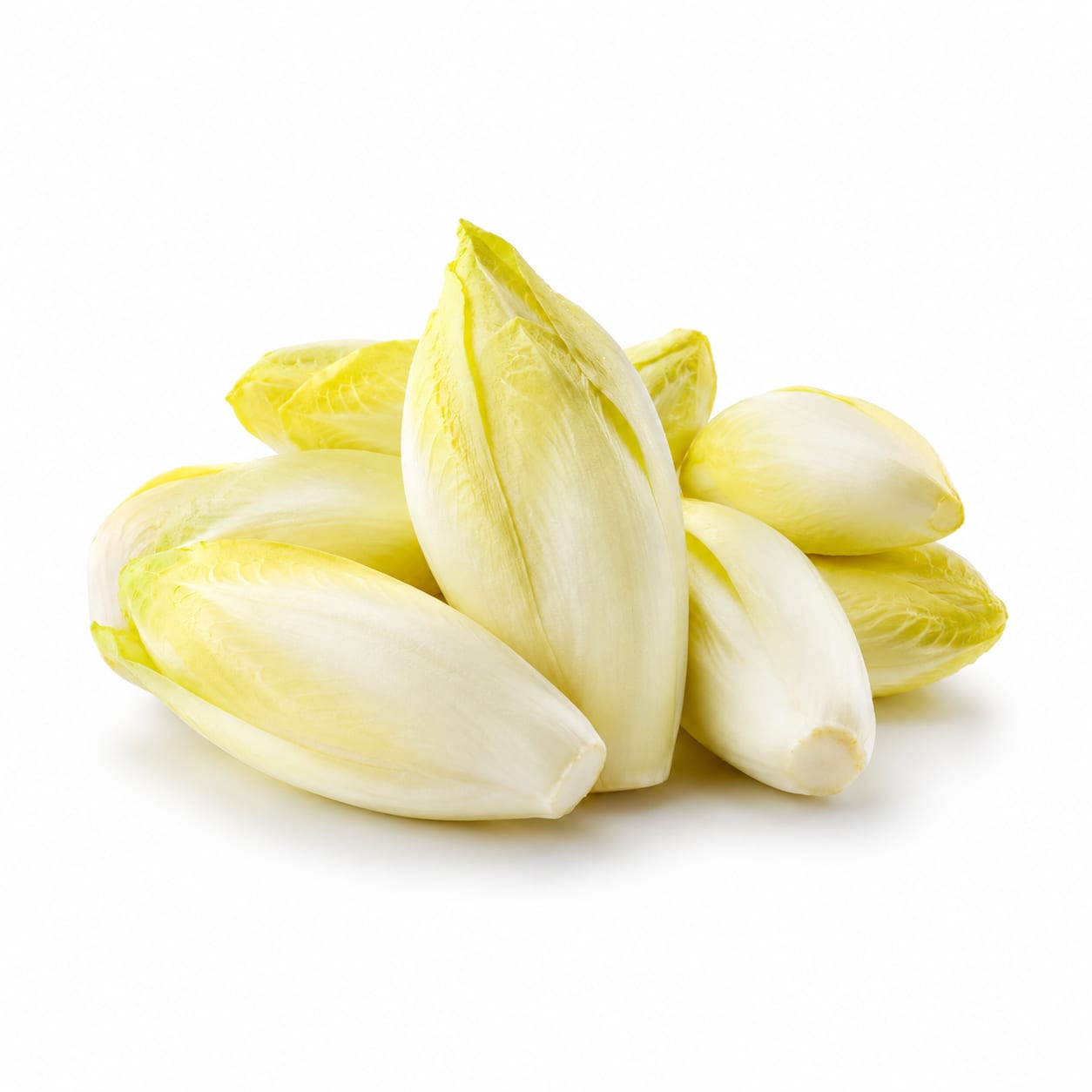
Endive
Purslane is an omega-3 powerhouse with a succulent bite, while Endive is a crisp, low-oxalate bitter green that is safer for daily crunching.
Purslane scores slightly higher for its rare omega-3 content and nutrient density, but its high oxalate level and less versatile texture keep it close to Endive, which is a safer and more practical daily green.
You trade Purslane's superior anti-inflammatory omega-3s for a higher oxalate load, whereas Endive offers kidney-friendly digestion support without the omega-3 boost.
At a glance
Executive summary
Overall
It depends
Healthier
Purslane
More practical
Endive
Daily use
Endive
Key comparison lenses
Omega-3 fatty acid intake from greens
Purslane is one of the only leafy greens packed with plant-based omega-3s, making it a unique anti-inflammatory choice compared to Endive.
Kidney stone risk and oxalate load
Purslane contains high levels of oxalates which can trigger kidney stones, whereas Endive is a low-oxalate alternative.
Digestive stimulation and gut health
Endive's bitterness stimulates bile and digestion, while Purslane's mucilaginous texture soothes the gut lining.
Culinary texture and salad construction
Endive provides a satisfying crunch and sturdy boat shape, contrasting with Purslane's succulent, slightly slippery texture.
Best choice for
Purslane
- Plant-based eaters needing omega-3s
- People fighting systemic inflammation
- Those wanting a soothing, hydrating green
Endive
- People prone to calcium oxalate kidney stones
- Those needing a low-calorie crunchy snack
- Anyone wanting to stimulate digestion before a heavy meal
Least suitable for
Purslane
- People with a history of kidney stones
- Those who dislike slippery or mucilaginous textures
- Anyone unsure about safe foraging practices
Endive
- Those who strongly dislike bitter flavors
- People looking for omega-3s in their greens
Deep comparison
Dimension by dimension
Each lens scores both foods and breaks down who each option suits.
- Dimension 1 · Priority 95Purslane
Omega-3 and Anti-Inflammatory Fats
Purslane · 95Endive · 20Purslane is uniquely loaded with alpha-linolenic acid (ALA), making it a top plant-based omega-3 source, while Endive offers almost none.
Tradeoff
You get a significant anti-inflammatory boost from Purslane that Endive simply cannot provide.
Why it matters
Omega-3s are crucial for heart and brain health, and getting them from greens is rare and highly beneficial.
Real-world impact
Eating Purslane regularly can help reduce joint stiffness and support cardiovascular health without needing fish oil.
Purslane
- Reducing systemic inflammation
- Boosting plant-based omega-3 intake
Better for
Endive
- Meeting daily omega-3 needs
Worse for
- Dimension 2 · Priority 90Endive
Oxalate Load and Kidney Safety
Purslane · 35Endive · 90Endive is a low-oxalate green, making it safe for kidney health, whereas Purslane is high in oxalates which can contribute to stone formation.
Tradeoff
Choosing Purslane means accepting a higher risk for kidney stones, especially if you are prone to them.
Why it matters
High oxalate foods can bind to calcium and form painful kidney stones in susceptible individuals.
Real-world impact
If you have a history of kidney stones, swapping Purslane for Endive is a smart, pain-preventing move.
Purslane
- Kidney stone formers
- Those needing low-oxalate diets
Worse for
Endive
- Preventing calcium oxalate kidney stones
- Maintaining a low-oxalate diet
Better for
- Dimension 3 · Priority 85It depends
Digestive Support
Purslane · 80Endive · 85Endive stimulates digestion through its bitter compounds, while Purslane soothes the gut with its mucilaginous texture.
Tradeoff
Endive is better before a heavy meal to get digestive juices flowing, while Purslane is better for calming an irritated gut.
Why it matters
Different gut issues require different approaches; stimulation versus soothing.
Real-world impact
Starting dinner with an Endive salad helps break down rich foods, while Purslane is comforting when your stomach feels raw.
Purslane
- Soothing an inflamed digestive tract
- Adding hydrating mucilage to the diet
Better for
- Stimulating sluggish digestion
Worse for
Endive
- Stimulating bile production
- Reducing bloating after heavy meals
Better for
- Soothing a raw, inflamed stomach
Worse for
- Dimension 4 · Priority 80Endive
Culinary Versatility and Texture
Purslane · 65Endive · 85Endive offers a crisp crunch and sturdy shape perfect for salads and dips, while Purslane is succulent and slightly slippery, limiting its uses.
Tradeoff
Endive is a more practical vehicle for other foods, while Purslane is usually a secondary texture addition.
Why it matters
Texture heavily dictates how much you enjoy eating a vegetable and how often you reach for it.
Real-world impact
Endive makes an effortless, hand-held appetizer boat, whereas Purslane is best mixed into salads or lightly sautéed.
Purslane
- Adding a lemony, succulent pop to dishes
Better for
- Holding heavy dips or fillings
Worse for
Endive
- Creating low-carb dip boats
- Adding refreshing crunch to salads
Better for
- Dimension 5 · Priority 75Purslane
Micronutrient Density
Purslane · 88Endive · 82Purslane provides a broader spectrum of nutrients like magnesium, potassium, and vitamin A, while Endive is heavily concentrated in vitamin K and folate.
Tradeoff
Purslane offers more electrolytes for hydration and muscle function, while Endive is superior for bone health and blood clotting.
Why it matters
Diverse micronutrients support different bodily functions, from nerve signaling to bone density.
Real-world impact
Purslane helps with post-workout recovery thanks to its magnesium and potassium, while Endive supports long-term bone strength.
Purslane
- Replenishing electrolytes
- Boosting vitamin A for vision and skin
Better for
Endive
- Supporting bone density with vitamin K
- Increasing folate for cellular repair
Better for
Timeline
Health impact over time
Short-term
Hours to days
Purslane
- Provides a hydrating, slightly mucilaginous bite that soothes the gut
- Delivers a quick hit of electrolytes like potassium
Endive
- Stimulates bile production to reduce bloating after rich meals
- Offers a satisfying crunch that helps curb appetite without heavy calories
Long-term
Months to years
Purslane
- Excellent for cardiovascular health and lowering inflammation due to omega-3s
- Risk of kidney stone accumulation if consumed excessively by susceptible individuals
Endive
- Supports bone density and blood clotting with extremely high vitamin K levels
- Gentle on the kidneys over the long term due to low oxalate content
Risk profile
Safety & processing
Both Purslane and Endive are whole, natural leafy greens typically consumed raw or lightly cooked, with no artificial additives.
Purslane
Oxalate accumulation
highPurslane is high in oxalates, which can bind to calcium and form kidney stones in prone individuals.
Foraging misidentification
mediumWild Purslane can be confused with spurge species, which are toxic. Sourcing from reliable vendors or knowing foraging safety is crucial.
Endive
Pesticide residue
lowAs a commercially farmed leafy green, conventional Endive may carry pesticide residue, though typically less than other crops.
Who wins for whom
Audience fit
Same foods, different winners depending on your goal.
children
EndiveEndive's low oxalate profile is safer for kids, and its fun boat shape makes it an easy vehicle for familiar dips.
daily consumption
EndiveEndive is safer to eat every day due to its low oxalate content, whereas daily Purslane could increase kidney stone risk for some.
diabetes
PurslanePurslane's omega-3s and mucilaginous fiber help steady blood sugar and improve insulin sensitivity more effectively than Endive.
elderly
EndiveEndive's high vitamin K supports aging bones without the kidney stone risk posed by Purslane's oxalates.
muscle gain
It dependsNeither green is a significant protein source, but Purslane offers slightly more magnesium and potassium for muscle recovery.
weight loss
EndiveEndive's crisp texture and sturdy leaves make it a highly satisfying, near-zero calorie vessel for healthy dips, making it easier to stick to a calorie deficit.
Your move
Decision guide
Choose Purslane
- You want a rare plant-based source of omega-3s to fight inflammation
- You are free from kidney stone concerns and want a nutrient-dense green
- You enjoy foraging or finding unique, lemony succulent textures at the farmers market
Choose Endive
- You want a crisp, refreshing salad base that holds up to heavy dressings
- You are prone to kidney stones and need a low-oxalate green
- You want a bitter green to stimulate digestion before a rich dinner
Either works if
- You just need a nutrient-dense leafy green to round out a meal
- You are looking for very low-calorie volume to fill your plate
Avoid both if
- You are looking for a significant protein source to build muscle
Final recommendation
Choose Purslane when your priority is fighting inflammation and boosting omega-3s, but rotate it with Endive to keep oxalate levels in check. Rely on Endive as your safe, crunchy daily staple that supports digestion and bone health without the kidney risks.
Practical
Consumer tips
- 1
Boil Purslane briefly and discard the water to significantly reduce its oxalate content before eating.
- 2
Use Endive leaves as sturdy, low-carb boats for healthy dips, hummus, or tuna salad.
- 3
If foraging Purslane, ensure you harvest from pesticide-free soil and correctly identify it, as it resembles some toxic spurge plants.
- 4
Pair Endive with a healthy fat like olive oil to maximize absorption of its fat-soluble vitamins A and K.