
Nutrition comparison
Purslane vs Kale: Which Superfood Is Better for You?
Discover the nutritional differences between Purslane and Kale. Compare Omega-3s, vitamins, oxalates, and practical uses to find out which leafy green wins for your health goals.
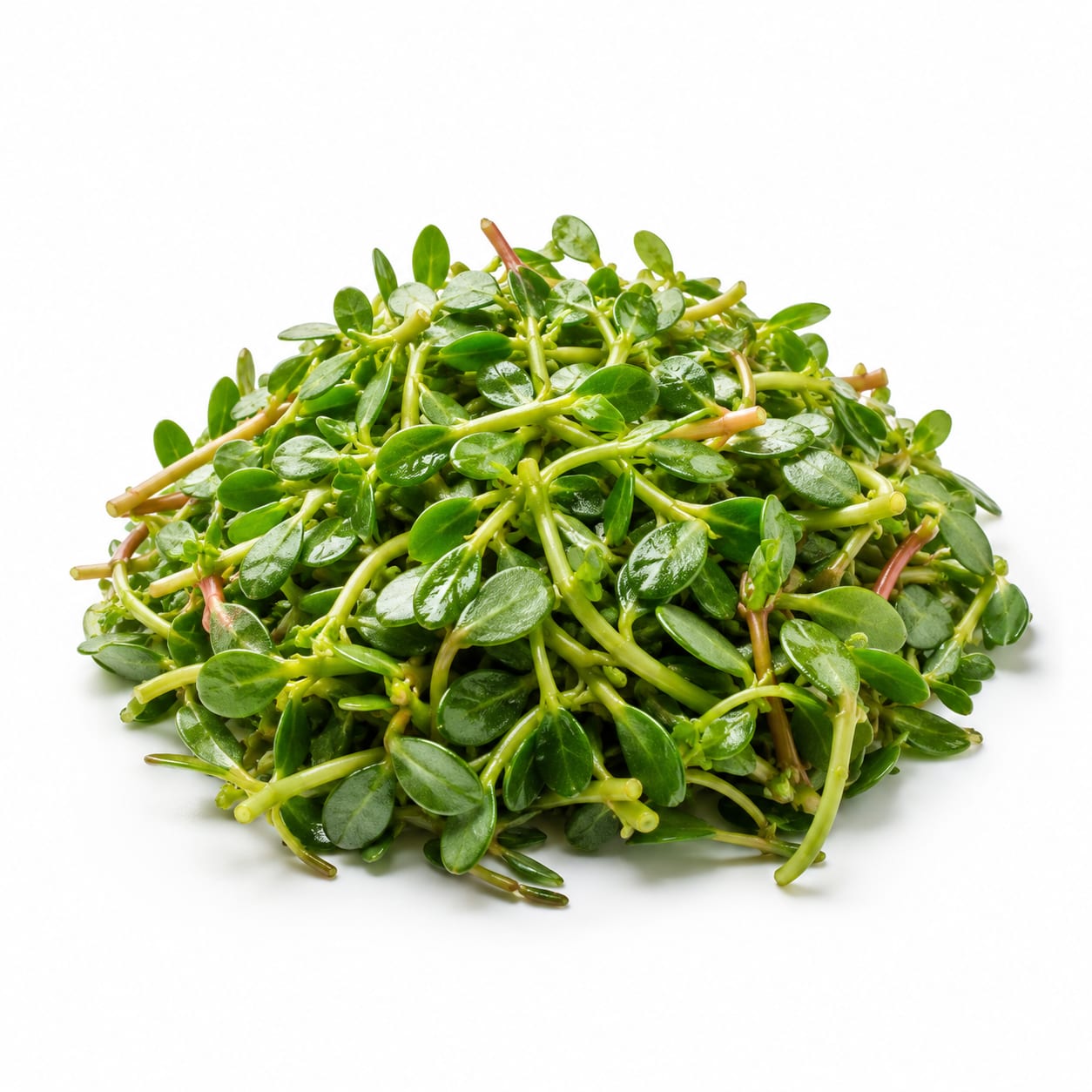
Purslane
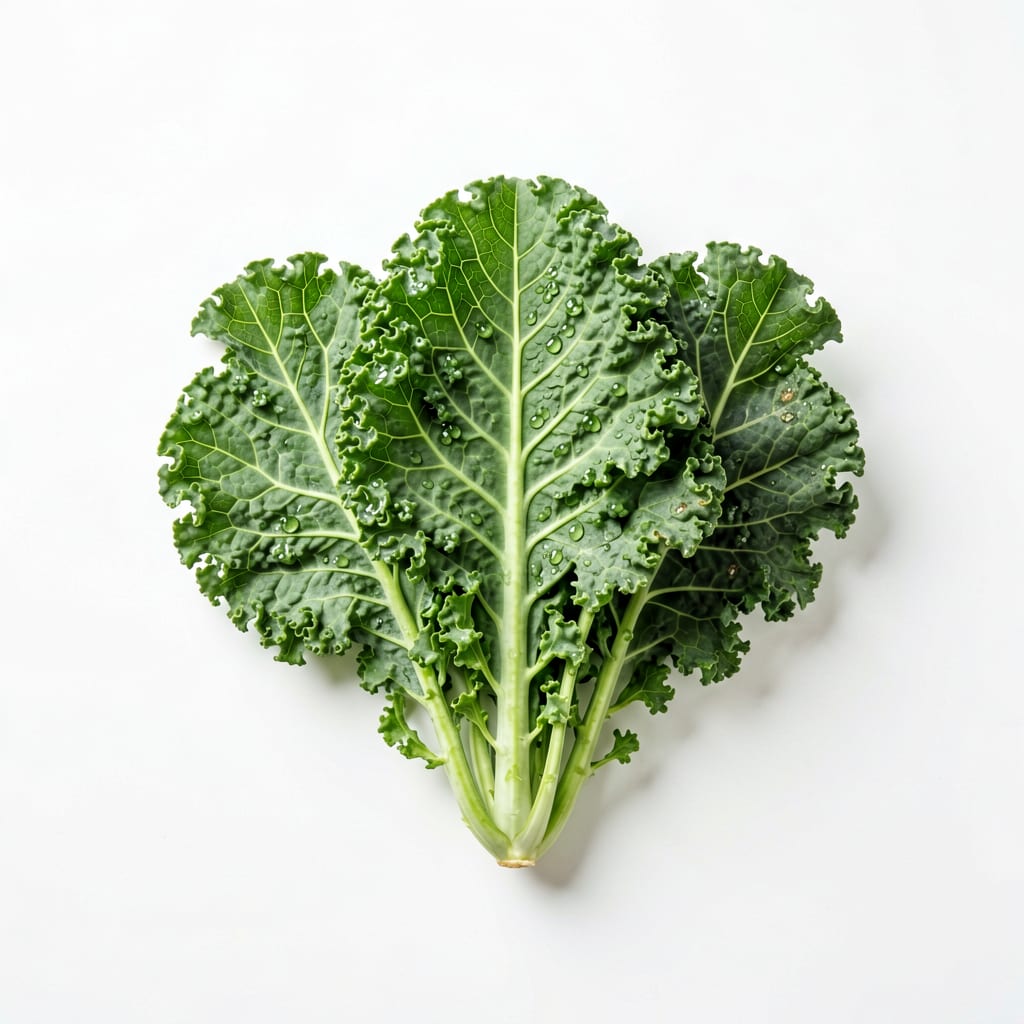
Kale
Kale is the more practical daily nutritional workhorse, but Purslane is an unmatched Omega-3 powerhouse for plant-based diets.
Kale takes the overall lead due to its exceptional vitamin density, culinary versatility, and widespread availability. Purslane is a nutritional dark horse with unmatched plant-based Omega-3s, but its high oxalate levels and limited accessibility make it harder to rely on as a daily staple.
You trade Kale's superior vitamin density and easy availability for Purslane's rare plant-based Omega-3s and hydrating crunch.
At a glance
Executive summary
Overall
It depends
Healthier
It depends
More practical
Kale
Daily use
Kale
Key comparison lenses
Omega-3 fatty acid comparison
Purslane is uniquely rich in plant-based Omega-3s, making this the most striking nutritional difference between the two greens.
Superfood vitamin density
Kale is famous for its extreme vitamin K and C content, which users often seek when choosing leafy greens.
Foraging vs Supermarket accessibility
Purslane is often foraged or bought at farmers markets, while Kale is a supermarket staple, heavily impacting practical daily use.
Oxalate vs Goitrogen concerns
Both greens carry specific compound risks—Purslane with oxalates, Kale with goitrogens—that matter for sensitive individuals.
Best choice for
Purslane
- Boosting Omega-3 intake on a plant-based diet
- Adding a refreshing, hydrating crunch to summer meals
- Natural melatonin support for better sleep
Kale
- Maximizing Vitamin K and Vitamin C intake
- Building filling, hearty salads and warm bowls
- A reliable, easy-to-find daily leafy green staple
Least suitable for
Purslane
- People prone to calcium oxalate kidney stones
- Those who want a bulky, filling green as a meal base
- Anyone relying solely on standard supermarket shopping
Kale
- People with hypothyroidism consuming it raw in large amounts
- Those on blood-thinning medications who must limit Vitamin K
- People who dislike tough, fibrous greens
Deep comparison
Dimension by dimension
Each lens scores both foods and breaks down who each option suits.
- Dimension 1 · Priority 95Purslane
Omega-3 & Anti-inflammatory Power
Purslane · 95Kale · 40Purslane is one of the richest plant sources of Alpha-linolenic acid (ALA), far surpassing Kale in Omega-3 content.
Tradeoff
You get a massive Omega-3 boost from Purslane, but you miss out on Kale's glucosinolates which also fight inflammation through different pathways.
Why it matters
Plant-based Omega-3s are rare; Purslane makes it surprisingly easy to get ALA without relying on seeds or oils.
Real-world impact
Eating Purslane regularly can help reduce systemic inflammation, potentially easing joint stiffness and supporting heart health without fish oil supplements.
Purslane
- Vegans needing more Omega-3s
- People avoiding nuts and seeds due to allergies
Better for
- People who already eat fatty fish regularly
Worse for
Kale
- Those needing broader antioxidant and detoxification support
Better for
- Those relying solely on greens for their Omega-3 intake
Worse for
- Dimension 2 · Priority 90Kale
Vitamin & Mineral Density
Purslane · 75Kale · 95Kale is a vitamin powerhouse, delivering massive amounts of Vitamin K, A, and C per serving compared to Purslane.
Tradeoff
Kale gives you more vitamins per bite, while Purslane offers more hydration and specific minerals like potassium and magnesium.
Why it matters
High vitamin density means you get more immune-supporting and bone-building nutrients from less food.
Real-world impact
A single serving of Kale covers your daily Vitamin K and most of your Vitamin C, keeping your immune system and bones strong without needing supplements.
Purslane
- Those needing extra hydration and electrolytes in hot weather
Better for
- Those looking to maximize vitamin intake per calorie
Worse for
Kale
- Bone health optimization
- Immune system support
Better for
- People on blood thinners who must strictly limit Vitamin K
Worse for
- Dimension 3 · Priority 85Kale
Culinary Versatility & Satiety
Purslane · 60Kale · 85Kale is bulky and filling, working well raw or cooked, while Purslane is delicate and best used as a garnish or light salad base.
Tradeoff
Purslane offers a refreshing crunch and slight lemony tang, but it won't fill you up like a hearty kale salad.
Why it matters
A green that keeps you full and adapts to different recipes is much easier to eat consistently.
Real-world impact
A kale salad can easily be a full meal; Purslane is more of a side dish or topping that adds flavor but won't stave off hunger on its own.
Purslane
- Light summer side dishes
- Garnishing tacos and soups
Better for
- People needing a filling, high-volume meal base
Worse for
Kale
- Main course salads
- Smoothies
- Warm grain bowls
Better for
- Quick, no-prep needed dishes (requires massaging or cooking)
Worse for
- Dimension 4 · Priority 80Kale
Availability & Practicality
Purslane · 40Kale · 95Kale is available year-round in any grocery store, while Purslane is often seasonal and requires foraging or specialty markets.
Tradeoff
Purslane is often free if foraged, but Kale is guaranteed to be on the shelf whenever you need it.
Why it matters
Consistency matters more than perfection; a green you can actually buy weekly beats a rare superfood.
Real-world impact
You can build a reliable meal prep routine around Kale, whereas Purslane is more of a fun, occasional find at the farmers market.
Purslane
- Adventurous foragers
- Home gardeners
- Farmers market regulars
Better for
- People without foraging access or specialty stores
Worse for
Kale
- Busy families
- Consistent meal preppers
- Standard supermarket shoppers
Better for
- Those looking to eat 100% local and foraged
Worse for
- Dimension 5 · Priority 75It depends
Digestive & Thyroid Considerations
Purslane · 70Kale · 70Purslane is high in oxalates, which can bother kidneys, while raw Kale contains goitrogens that can affect thyroid function.
Tradeoff
You trade kidney stone risk from Purslane for thyroid concerns from raw Kale.
Why it matters
Both greens have specific compounds that can become problematic if consumed in extreme amounts by susceptible individuals.
Real-world impact
If you have kidney stones, skip the Purslane; if you have thyroid issues, cook your Kale instead of eating it raw.
Purslane
- People with hypothyroidism (Purslane lacks goitrogens)
Better for
- People with a history of calcium oxalate kidney stones
Worse for
Kale
- People prone to kidney stones (Kale is lower in oxalates)
Better for
- People with untreated thyroid issues consuming it raw daily
Worse for
Timeline
Health impact over time
Short-term
Hours to days
Purslane
- Provides quick hydration due to its high water content
- Offers an immediate refreshing, sour crunch to meals
Kale
- Delivers a rapid dose of Vitamin C and K
- Can cause bloating if eaten raw in large quantities without massaging or cooking
Long-term
Months to years
Purslane
- Supports cardiovascular health via consistent Omega-3 intake
- May increase kidney stone risk if consumed excessively due to high oxalates
Kale
- Strongly supports bone density and immune function
- Cooked regularly, provides safe, consistent antioxidants without thyroid disruption
Risk profile
Safety & processing
Both Purslane and Kale are whole, natural foods typically eaten in their raw or lightly cooked state, completely free from artificial additives.
Purslane
Oxalate accumulation
mediumPurslane is high in oxalates, which can bind to calcium and contribute to kidney stone formation in susceptible individuals.
Foraging misidentification
highIf foraging wild Purslane, there is a real risk of confusing it with toxic look-alikes like spurge, which requires careful identification.
Kale
Goitrogenic compounds
lowRaw Kale contains goitrogens that can interfere with thyroid function, but cooking neutralizes most of this risk.
Pesticide residue
mediumKale frequently appears on the EWG's Dirty Dozen list due to pesticide residues; washing thoroughly or buying organic is strongly advised.
Who wins for whom
Audience fit
Same foods, different winners depending on your goal.
children
KaleKale can be easily hidden in smoothies or baked into crispy chips, whereas Purslane's slightly slimy texture and oxalate content make it less kid-friendly.
daily consumption
KaleKale's easy availability, culinary flexibility, and lower oxalate load make it a safer and more practical daily staple than Purslane.
diabetes
PurslanePurslane's unique combination of Omega-3s, fiber, and melatonin has been shown to help improve insulin sensitivity and lower blood sugar levels more effectively.
elderly
KaleKale's exceptional Vitamin K content is crucial for bone health and preventing fractures in older adults, provided they are not on blood thinners.
muscle gain
KaleKale provides more Vitamin C which aids in collagen synthesis for joint repair, and its bulk helps fill out high-calorie muscle-gain meals with vital nutrients.
weight loss
KaleKale is far more filling and lower in calories per volume, making it easier to create large, satisfying meals that keep you full longer.
Your move
Decision guide
Choose Purslane
- You want to boost your plant-based Omega-3 intake without supplements
- You have access to a reliable farmers market or your own garden
- You want a cooling, hydrating green for summer meals
- You have hypothyroidism and need to avoid goitrogens found in raw cruciferous veggies
Choose Kale
- You want a filling, bulky green for meal prep
- You need to maximize Vitamin K and Vitamin C easily
- You are prone to kidney stones and must avoid high-oxalate foods
- You want a green that is easy to find year-round in any grocery store
Either works if
- You want to diversify your leafy green intake for broader antioxidant coverage
- You are looking for natural ways to lower inflammation through diet
Avoid both if
- You are on blood-thinning medications like Warfarin (both are very high in Vitamin K, though Kale is much higher)
Final recommendation
Make Kale your daily driver for its reliability, satiety, and vitamin density, but treat Purslane as a powerful summer supplement—add it to your salads when you find it for an Omega-3 and melatonin boost.
Practical
Consumer tips
- 1
If you forage Purslane, always confirm identification with an expert to avoid toxic look-alikes like spurge.
- 2
Massage raw Kale with olive oil and salt to break down the tough fibers and make it much easier to digest.
- 3
Boiling Purslane for a few minutes and discarding the water can significantly reduce its oxalate content if you are concerned about kidney stones.
- 4
Add Purslane at the very end of cooking to preserve its delicate texture and beneficial Omega-3 fatty acids.
- 5
Buy organic Kale when possible, as conventionally grown Kale is frequently heavily sprayed with pesticides.