
Nutrition comparison
Purslane vs Mache: Which Salad Green Is Actually Better for You?
Purslane delivers rare plant omega-3s and powerful antioxidants. Mache offers mild flavor and safer oxalate levels. Compare nutrition, taste, and best uses for each green.
Overall winner · Purslane
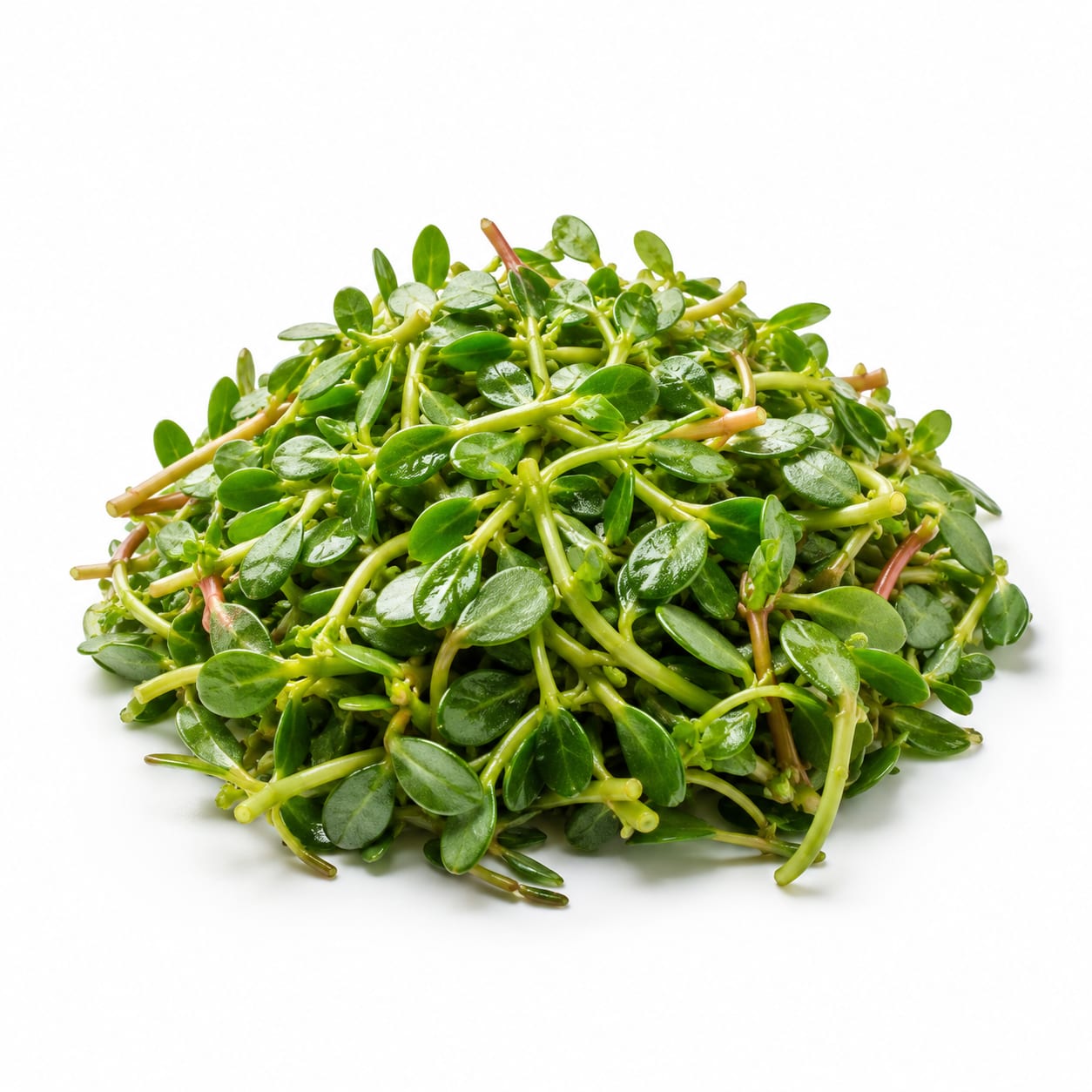
Purslane
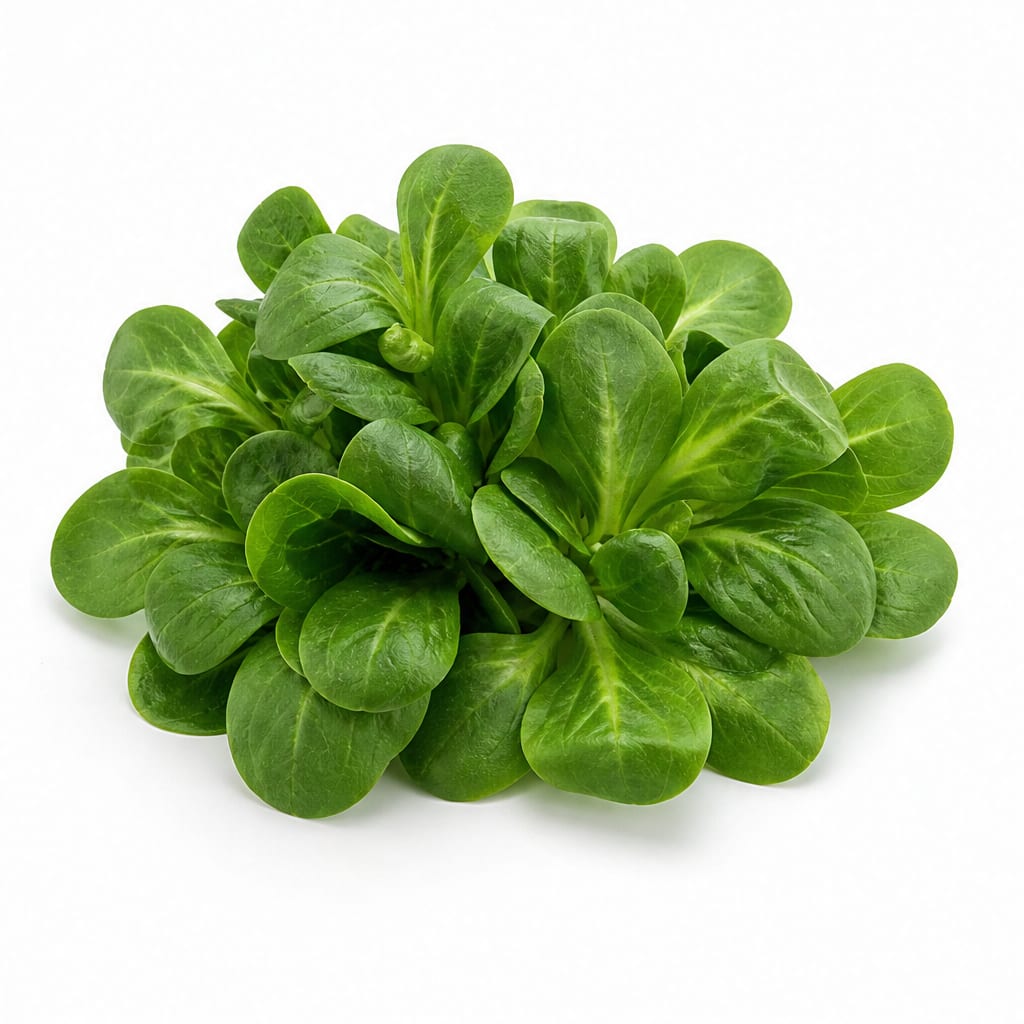
Mache
Purslane delivers dramatically more omega-3s and antioxidants, making it the nutritional powerhouse. Mache wins on mild flavor, lower oxalates, and easier availability.
Purslane scores notably higher due to its exceptional omega-3 content and antioxidant richness. Mache is a solid, pleasant green but does not offer the same standout nutritional advantages. The gap narrows if you factor in availability and oxalate safety.
Purslane gives you rare plant-based omega-3s and a tangy crunch but carries oxalate concerns and is harder to find. Mache is gentler, more accessible, and safer for kidney-sensitive people but nutritionally more ordinary.
At a glance
Executive summary
Overall
Purslane
Healthier
Purslane
More practical
Mache
Daily use
It depends
Key comparison lenses
omega-3 and anti-inflammatory comparison
Purslane is one of the richest plant sources of omega-3 fatty acids, making this the standout nutritional differentiator
foraged vs cultivated green safety and accessibility
Purslane is often wild-foraged while Mache is typically farm-cultivated, affecting contamination risk and availability
salad green nutrient density for daily use
Both are delicate greens used similarly in salads, so users want to know which delivers more per bite
oxalate and kidney stone risk
Purslane contains notable oxalates, a concern for susceptible individuals that Mache poses less risk for
culinary versatility and flavor preference
Purslane has a tangy, slightly sour crunch while Mache offers a mild nutty softness, fitting different dishes
Best choice for
Purslane
- People seeking plant-based omega-3 intake
- Those wanting maximum antioxidant density per calorie
- Anti-inflammatory diet followers
- Adventurous eaters who enjoy tangy, lemony flavors
Mache
- People prone to kidney stones who must limit oxalates
- Those wanting a mild, kid-friendly salad green
- Shoppers who need reliable grocery store availability
- Anyone seeking a delicate texture for elegant plating
Least suitable for
Purslane
- People with a history of calcium oxalate kidney stones
- Those who need consistent grocery store access
- Anyone on blood thinners who must monitor vitamin K intake carefully
Mache
- People specifically seeking omega-3 boost from greens
- Those wanting bold, distinctive flavor in their salads
- Anyone looking for the highest possible nutrient density per serving
Deep comparison
Dimension by dimension
Each lens scores both foods and breaks down who each option suits.
- Dimension 1 · Priority 95Purslane
omega-3 fatty acid content
Purslane · 94Mache · 25Purslane is one of the best plant sources of alpha-linolenic acid available. Mache contains only trace amounts.
Tradeoff
You would need to eat several servings of Mache to match the omega-3s in a single serving of Purslane, which is impractical.
Why it matters
Plant-based omega-3s support heart health, brain function, and inflammation control. Most diets are deficient.
Real-world impact
Adding Purslane to your salads a few times a week can meaningfully move the needle on your omega-3 intake. Mache cannot do this.
Purslane
- Heart health support
- Anti-inflammatory diets
- Vegans and vegetarians needing omega-3s
Better for
Mache
- Omega-3 deficiency risk if relied on as your primary green
Worse for
- Dimension 2 · Priority 85Purslane
antioxidant density
Purslane · 88Mache · 55Purslane contains betalain pigments and high levels of vitamins A and C. Mache offers moderate antioxidants but nothing remarkable.
Tradeoff
Purslane's slightly sour taste comes from its antioxidant-rich compounds. Mache's mildness means fewer protective phytochemicals.
Why it matters
Antioxidants from whole foods reduce oxidative stress and support long-term disease prevention better than supplements.
Real-world impact
A Purslane salad actively fights cellular wear and tear. A Mache salad is pleasant but nutritionally closer to generic lettuce.
Purslane
- Long-term cellular protection
- Skin health from vitamin A
- Immune support from vitamin C
Better for
Mache
- Less protection against oxidative stress compared to darker or pigmented greens
Worse for
- Dimension 3 · Priority 80Mache
oxalate and kidney safety
Purslane · 40Mache · 78Purslane contains significant oxalates that can contribute to kidney stones in susceptible people. Mache has considerably less.
Tradeoff
Purslane's nutritional richness comes with an oxalate load that rules it out for some people entirely.
Why it matters
For the roughly 10% of people who form kidney stones, high-oxalate foods are a real medical concern, not a theoretical one.
Real-world impact
If you have ever passed a kidney stone, Purslane is not worth the risk. Mache lets you enjoy a tender green without worry.
Purslane
- Kidney stone recurrence risk
- May interfere with mineral absorption in vulnerable people
Worse for
Mache
- Kidney stone prevention
- Safer for calcium-sensitive individuals
- Better for long-term daily use without oxalate accumulation
Better for
- Dimension 4 · Priority 75Mache
availability and practicality
Purslane · 35Mache · 72Mache is sold in most upscale grocery stores and farmers markets. Purslane is rarely stocked and often requires foraging or specialty sourcing.
Tradeoff
The more nutritious green is harder to get. The milder green shows up reliably in stores.
Why it matters
The healthiest food only helps if you can actually buy and eat it regularly.
Real-world impact
You can build Mache into your weekly shopping routine. Purslane requires effort, luck, or a garden.
Purslane
- Unreliable supply chain
- Requires foraging knowledge if not store-bought
- Seasonal limitations
Worse for
Mache
- Consistent meal planning
- Urban shoppers without foraging access
- People who want salad greens on demand
Better for
- Dimension 5 · Priority 70It depends
flavor and culinary versatility
Purslane · 72Mache · 72Purslane brings a lemony tang and satisfying crunch. Mache offers a gentle nutty sweetness and silky texture. They serve completely different culinary roles.
Tradeoff
Purslane excels in bold, acidic dishes. Mache shines where subtlety and tenderness matter. Neither replaces the other well.
Why it matters
Eating greens only works long-term if you enjoy them. Flavor match to your cooking style matters more than nutrition alone.
Real-world impact
Use Purslane where you want a zesty pop, like in tabbouleh or alongside grilled fish. Use Mache for delicate salads that let dressings shine.
Purslane
- Middle Eastern and Mediterranean recipes
- Dishes benefitting from natural acidity
- Textural contrast in salads
Better for
- Delicate flavor pairings where tang overwhelms
Worse for
Mache
- French-style salads
- Light starter courses
- Pairing with subtle vinaigrettes
Better for
- Dishes that need a flavor punch from the greens themselves
Worse for
- Dimension 6 · Priority 65Purslane
mineral content
Purslane · 80Mache · 60Purslane delivers more potassium, magnesium, and iron per serving. Mache provides decent minerals but at lower concentrations.
Tradeoff
Purslane's mineral edge is real but partially offset by oxalates reducing absorption of calcium and iron.
Why it matters
Potassium and magnesium are commonly under-consumed minerals that support blood pressure, muscle function, and sleep.
Real-world impact
Purslane helps close common mineral gaps. Just know that not all of its iron and calcium will be fully absorbed due to oxalate binding.
Purslane
- Potassium intake for blood pressure
- Magnesium for sleep and muscle recovery
- Iron contribution for plant-based diets
Better for
- Oxalate-bound minerals have lower bioavailability
Worse for
Mache
- Lower total mineral contribution per serving
Worse for
Timeline
Health impact over time
Short-term
Hours to days
Purslane
- Noticeable tangy freshness that enlivens salads and meals
- Mucilaginous texture may feel unusual if you are not accustomed to it
- Can contribute to hydration due to high water content
Mache
- Light, easy-to-eat quality that works well as a starter or side
- Very gentle on digestion with no strong flavor surprises
- Satisfying tender mouthfeel without any sliminess
Long-term
Months to years
Purslane
- Meaningful omega-3 intake supporting cardiovascular and cognitive health over time
- Antioxidant compounds may reduce chronic inflammation markers
- Oxalate accumulation could increase kidney stone risk in susceptible individuals with frequent consumption
Mache
- Consistent folate intake supports cellular repair and is especially valuable during pregnancy
- Low oxalate profile makes it safe for long-term daily use without kidney concerns
- Moderate nutrient contribution without standout protective effects
Risk profile
Safety & processing
Both greens are typically sold fresh and unprocessed. Purslane is often harvested wild, which is as natural as it gets but carries foraging risks. Mache is usually farm-cultivated with standard agricultural practices. Neither raises processing concerns.
Purslane
Wild foraging misidentification
mediumPurslane has lookalikes like spurge that are toxic. If foraging, you must be confident in identification. Store-bought Purslane eliminates this risk.
Oxalate-related kidney stones
mediumContains notable oxalates. People with a history of calcium oxalate stones should limit or avoid Purslane.
Environmental contamination in wild harvests
lowWild Purslane growing near roads or contaminated soil may absorb heavy metals or pesticides. Source matters.
Mache
Pesticide residue on conventional crops
lowMache is typically cultivated, so standard pesticide concerns apply. Washing thoroughly or choosing organic mitigates this.
Soil-borne contamination
lowLike all leafy greens grown close to soil, Mache can carry soil bacteria. Proper washing is sufficient for most people.
Who wins for whom
Audience fit
Same foods, different winners depending on your goal.
children
MacheMache's mild, nutty flavor and soft texture are far more kid-friendly than Purslane's tangy, slightly slimy crunch.
daily consumption
MacheMache's lower oxalate load, reliable availability, and gentle digestion make it more sustainable for everyday use. Purslane is better as a strategic addition a few times per week.
diabetes
PurslanePurslane's omega-3s, fiber, and antioxidants offer better blood sugar support and anti-inflammatory benefits relevant to diabetes management.
elderly
MacheMache's tenderness is easier to chew and digest, and its low oxalate content is safer for older adults more prone to kidney issues.
muscle gain
It dependsNeither green is a meaningful protein source. Both serve as nutrient-dense sides to protein-rich meals. Choose based on flavor preference.
weight loss
PurslaneBoth are extremely low calorie, but Purslane's higher fiber and omega-3 content provide more satiety and metabolic support per serving.
Your move
Decision guide
Choose Purslane
- You want to boost omega-3 intake from a plant source
- You enjoy tangy, lemony flavors in your salads
- You have access to fresh Purslane through farmers markets or your own garden
- You do not have kidney stone concerns
Choose Mache
- You have a history of kidney stones or need a low-oxalate diet
- You want a mild, universally appealing salad green
- You need something you can find at the grocery store reliably
- You are cooking for kids or picky eaters
Either works if
- You simply want more leafy greens in your diet and both are available
- You are rotating greens for dietary diversity, which is ideal anyway
Avoid both if
- You are on a strict vitamin K restriction due to blood thinners like warfarin, as both contain significant vitamin K
Final recommendation
Eat Purslane when you can find it for its unmatched omega-3 and antioxidant benefits, but do not force it into your routine if access is difficult or oxalates are a concern. Keep Mache as your reliable daily green and treat Purslane as a nutritional upgrade you add when available. Rotating both gives you the best of both worlds without overdoing oxalates.
Practical
Consumer tips
- 1
If foraging Purslane, always confirm identification with an experienced forager. Spurge lookalikes are toxic.
- 2
Blanching Purslane briefly can reduce oxalate content by 30-50% if kidney stone risk is a moderate concern.
- 3
Mache wilts quickly. Use it within two days of purchase and store it unwashed in a damp paper towel inside a bag.
- 4
Pair Purslane with olive oil in salads. Fat enhances absorption of its fat-soluble vitamins and omega-3s.
- 5
If you cannot find fresh Purslane, some Asian and Middle Eastern markets carry it more reliably than standard grocery stores.
- 6
Growing Purslane in containers at home is easy and gives you a steady supply without foraging risks.