
Nutrition comparison
Purslane vs Bok Choy: Which Leafy Green Is Healthier?
Compare Purslane and Bok Choy to see which green wins for omega-3s, cooking versatility, and daily nutrition. Learn the tradeoffs and safety risks.
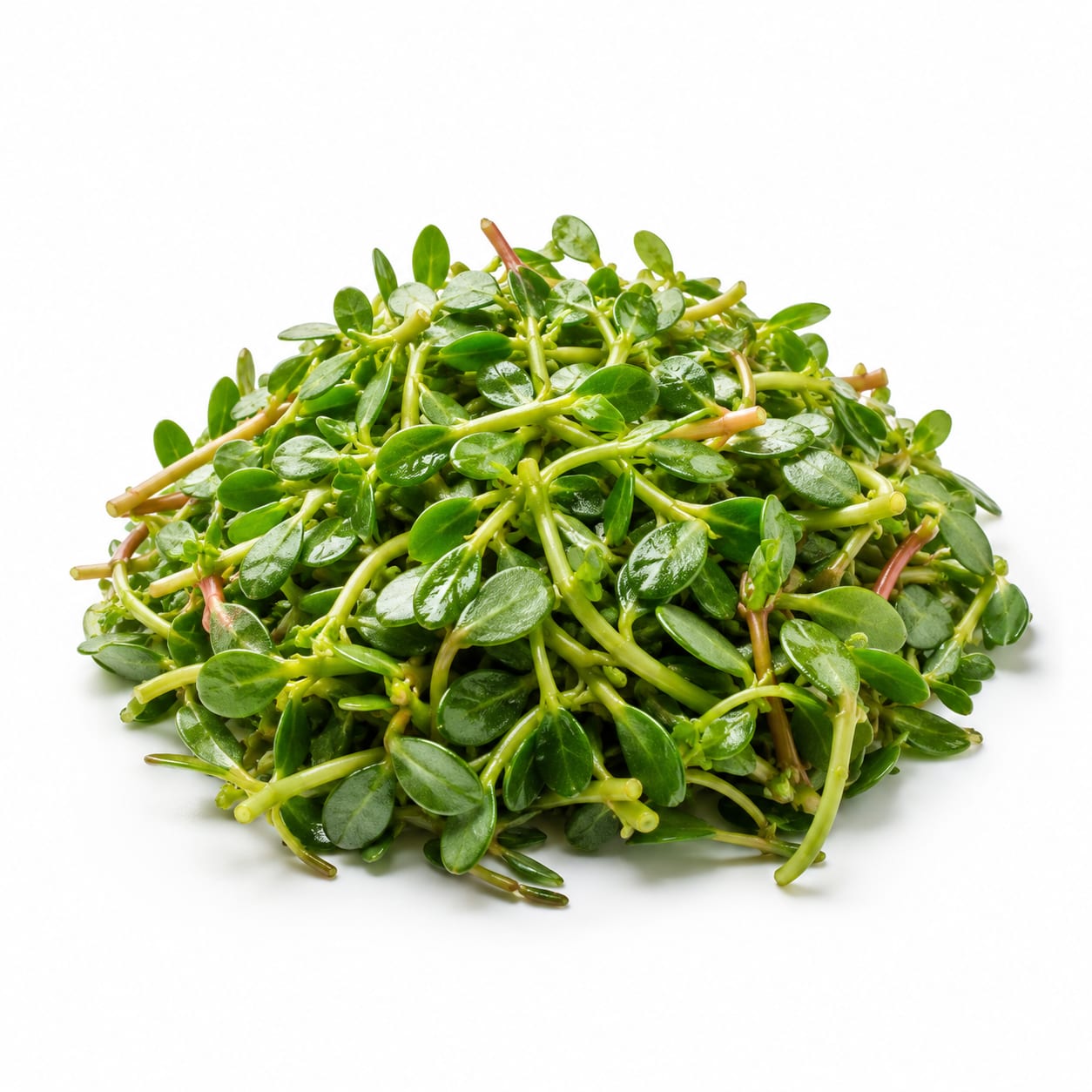
Purslane
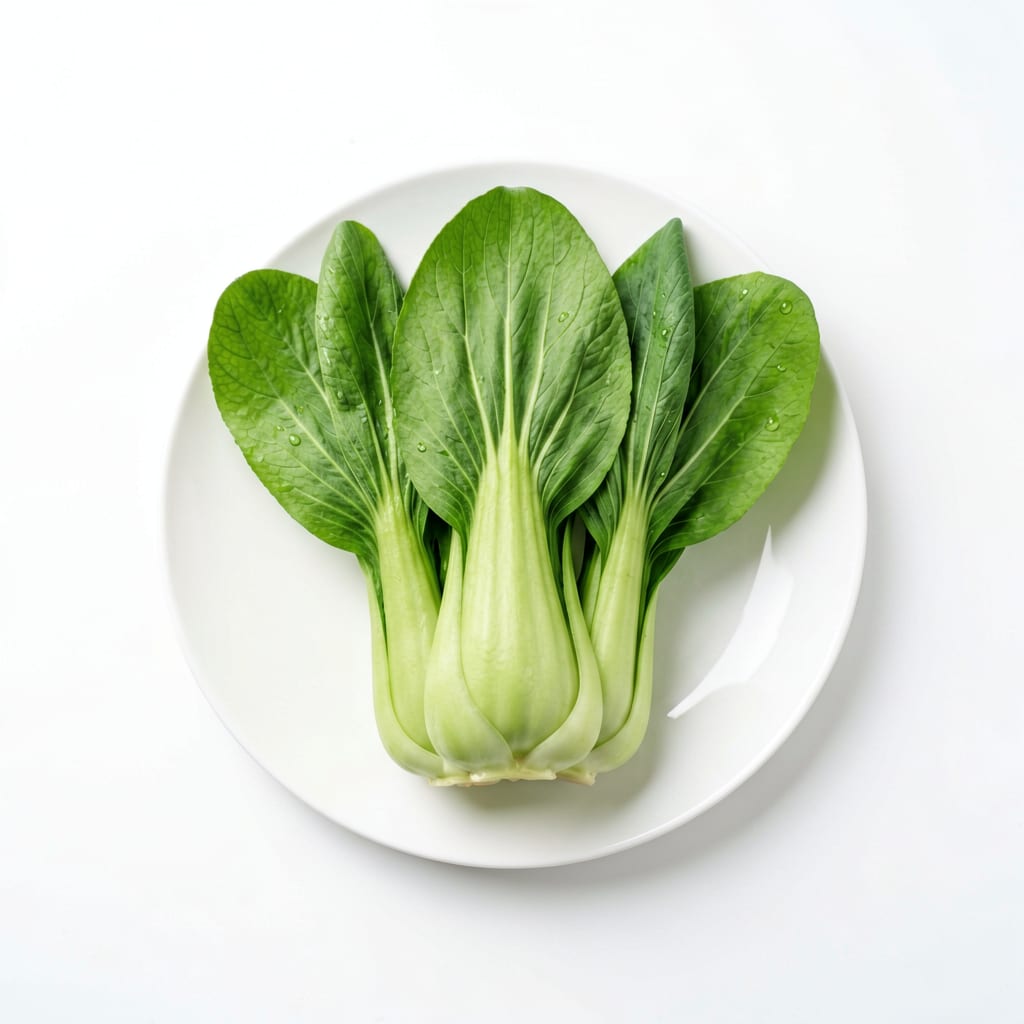
Bok Choy
Purslane is an omega-3 superstar, but Bok Choy is the more practical, safer, and versatile daily green.
Bok Choy scores higher due to its everyday practicality, culinary versatility, and safety profile. Purslane is nutritionally elite for a specific reason (omega-3s) but loses points on availability and cooking limitations.
You trade the rare plant-based omega-3s of Purslane for the reliable availability, crunch, and cancer-fighting compounds of Bok Choy.
At a glance
Executive summary
Overall
It depends
Healthier
It depends
More practical
Bok Choy
Daily use
Bok Choy
Key comparison lenses
Omega-3 vs Cruciferous Benefits
Purslane is uniquely rich in plant-based omega-3s, while Bok Choy offers signature cruciferous cancer-fighting compounds.
Foraging Safety vs Grocery Reliability
Purslane is often foraged or bought at farmers markets, carrying misidentification and soil contamination risks, unlike widely cultivated Bok Choy.
Culinary Versatility
Bok Choy is a cooking staple that holds its texture, whereas Purslane gets slimy when cooked and is mostly a raw salad accent.
Best choice for
Purslane
- Boosting plant-based omega-3 intake
- Adding a lemony crunch to fresh salads
- Following an anti-inflammatory diet
Bok Choy
- Easy weeknight stir-fries and soups
- Reliable daily vegetable intake
- Maximizing cruciferous cancer-fighting benefits
Least suitable for
Purslane
- People who forage without expert plant knowledge
- Those needing a quick, widely available grocery store pick-up
- Recipes requiring long simmering times
Bok Choy
- Those looking specifically for omega-3 fats from greens
- People with severe cruciferous vegetable sensitivities
Deep comparison
Dimension by dimension
Each lens scores both foods and breaks down who each option suits.
- Dimension 1 · Priority 95Purslane
Omega-3 and Anti-Inflammatory Fats
Purslane · 95Bok Choy · 20Purslane is one of the richest leafy green sources of alpha-linolenic acid (ALA), a plant-based omega-3. Bok Choy has negligible omega-3 content.
Tradeoff
You get a significant omega-3 boost from Purslane, which Bok Choy simply cannot provide.
Why it matters
Plant-based omega-3s help lower inflammation and support heart health, which is rare in leafy greens.
Real-world impact
Eating Purslane regularly can help vegetarians and vegans close the gap on healthy fat intake without supplements.
Purslane
- Vegans needing omega-3s
- Anti-inflammatory diets
- Heart-healthy meal plans
Better for
Bok Choy
- Getting adequate ALA omega-3s from greens
Worse for
- Dimension 2 · Priority 90Bok Choy
Vitamins and Cancer-Fighting Compounds
Purslane · 75Bok Choy · 92Bok Choy is a cruciferous powerhouse loaded with glucosinolates and massive amounts of Vitamins A, C, and K. Purslane has good nutrients but lacks the specific detoxifying compounds of cruciferous veggies.
Tradeoff
Bok Choy provides stronger cellular defense and immune support, while Purslane offers more moderate general nutrition.
Why it matters
Glucosinolates break down into compounds that help protect against certain cancers, a benefit unique to cruciferous vegetables.
Real-world impact
Eating Bok Choy a few times a week gives your body a robust toolkit for daily cellular repair and immune defense.
Purslane
- Targeted cancer-fighting nutrition
Worse for
Bok Choy
- Immune support
- Cellular detoxification
- Bone health via Vitamin K
Better for
- Dimension 3 · Priority 85Bok Choy
Availability and Everyday Practicality
Purslane · 40Bok Choy · 95Bok Choy is a supermarket staple available year-round. Purslane is often a seasonal farmers market find or requires foraging.
Tradeoff
You can easily build a consistent habit around Bok Choy, whereas Purslane is usually a sporadic addition.
Why it matters
Consistency is the most important factor in healthy eating. A food you can always buy is easier to rely on.
Real-world impact
You can grab Bok Choy on any Tuesday grocery run, but finding Purslane might require a special trip or foraging walk.
Purslane
- Reliable meal planning
- Convenient access
Worse for
Bok Choy
- Consistent weekly meal prep
- One-stop grocery shopping
- Year-round availability
Better for
- Dimension 4 · Priority 80Bok Choy
Culinary Versatility
Purslane · 50Bok Choy · 90Bok Choy holds a satisfying crunch in stir-fries, soups, and roasting. Purslane gets slimy when cooked and is best used raw as a garnish or salad base.
Tradeoff
Bok Choy is a cooking workhorse, while Purslane is mostly a raw accent ingredient.
Why it matters
How you cook food determines how often you actually eat it. A versatile green gets used more.
Real-world impact
Bok Choy can be the main event in a noodle bowl, while Purslane is better as a tangy side salad addition.
Purslane
- Raw food diets
- No-cook summer meals
Better for
- Hot cooked dishes
- Meal versatility
Worse for
Bok Choy
- Stir-fries
- Hearty soups
- Grilled vegetable sides
Better for
- Dimension 5 · Priority 75Bok Choy
Safety and Contamination Risks
Purslane · 55Bok Choy · 85Purslane is often foraged, carrying risks of misidentification and urban soil contamination. Bok Choy is reliably cultivated and regulated.
Tradeoff
Foraging Purslane offers free nutrition but demands expert knowledge to avoid toxic look-alikes and polluted soil.
Why it matters
Eating a toxic look-alike like spurge, or heavy metals from urban soil, can land you in the hospital.
Real-world impact
Unless you buy cultivated Purslane, you take on personal liability for identifying the plant and assessing the soil quality.
Purslane
- Foraging safety
- Urban foraging risks
Worse for
Bok Choy
- Worry-free consumption
- Regulated food safety standards
Better for
Timeline
Health impact over time
Short-term
Hours to days
Purslane
- Provides quick hydration due to high water content
- Offers a refreshing, tangy flavor that stimulates the palate
Bok Choy
- Delivers a satisfying crunch that makes meals more filling
- Gentle on the stomach when cooked, ideal for light dinners
Long-term
Months to years
Purslane
- Lower systemic inflammation from consistent omega-3 intake
- Improved heart health markers for plant-based eaters
Bok Choy
- Reduced risk of certain cancers due to glucosinolate intake
- Stronger bones and better blood clotting from high Vitamin K
Risk profile
Safety & processing
Both Purslane and Bok Choy are whole, natural vegetables typically sold fresh without any additives or processing.
Purslane
Foraging Misidentification
highPurslane has toxic look-alikes like spurge, which can cause severe illness if eaten by an inexperienced forager.
Soil Contamination
mediumAs a common weed, wild Purslane often grows in urban cracks or roadsides where soil may contain heavy metals or pesticides.
Oxalates
lowPurslane contains oxalates, which can be an issue for people prone to kidney stones if consumed in massive amounts.
Bok Choy
Pesticide Residue
mediumConventional Bok Choy can carry pesticide residue; washing thoroughly or buying organic is recommended.
Goitrogens
lowRaw Bok Choy contains goitrogens that can interfere with thyroid function, but cooking neutralizes this risk completely.
Who wins for whom
Audience fit
Same foods, different winners depending on your goal.
children
Bok ChoyBok Choy is milder, safer, and easier to find, making it a more reliable way to get greens into kids.
daily consumption
Bok ChoyBok Choy is easy to buy, easy to cook, and safe to eat daily without the foraging risks or availability issues of Purslane.
diabetes
It dependsBoth are extremely low in carbohydrates and will not spike blood sugar, making them equally safe choices.
elderly
Bok ChoyBok Choy becomes very soft when cooked, is gentle on digestion, and provides high Vitamin K for bone health.
muscle gain
It dependsNeither is a significant protein source, but both offer essential micronutrients that support an active lifestyle.
weight loss
Bok ChoyBok Choy provides more volume and a satisfying crunch, making it easier to fill up on fewer calories during meals.
Your move
Decision guide
Choose Purslane
- You want to boost your plant-based omega-3 intake naturally
- You buy cultivated Purslane from a trusted farmers market vendor
- You love a slightly sour, lemony crunch in your fresh salads
Choose Bok Choy
- You need a reliable weeknight side dish that cooks in minutes
- You want the proven cancer-fighting benefits of cruciferous veggies
- You prefer a mild, versatile green for soups and stir-fries
Either works if
- You just need a low-calorie, nutrient-dense green to round out a meal
- You are looking to increase your daily vegetable variety
Avoid both if
- You are on a strict low-oxalate diet for kidney stone prevention
Final recommendation
Keep Bok Choy as your reliable daily workhorse for cooked meals and cellular health, but grab Purslane when you find it cultivated locally to give your salads a rare omega-3 boost.
Practical
Consumer tips
- 1
If foraging Purslane, be 100% certain of identification; toxic spurge grows in similar environments and looks deceptively similar.
- 2
Buy organic Bok Choy when possible, as leafy greens are often heavily sprayed with pesticides.
- 3
Add Purslane raw to dishes at the very last minute; heat destroys some of its delicate omega-3s and turns its texture slimy.
- 4
Bok Choy cooks incredibly fast—just 2-3 minutes in a hot pan keeps the stems crisp and the leaves tender.