
Nutrition comparison
Purslane vs Romaine Lettuce: Which Green is Healthier?
Discover the nutritional differences between Purslane and Romaine Lettuce. Learn which leafy green offers more omega-3s, better texture, and easier daily use.
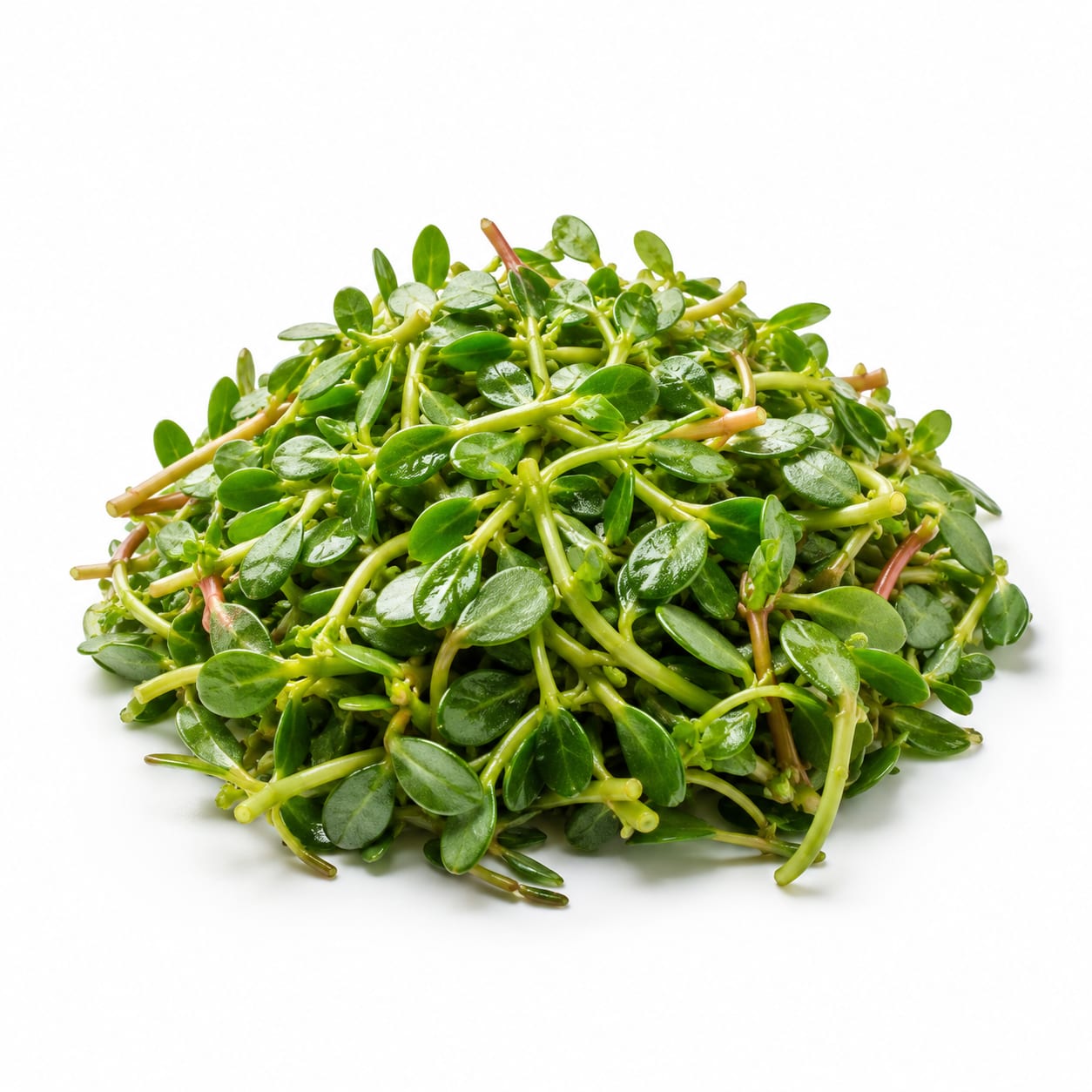
Purslane
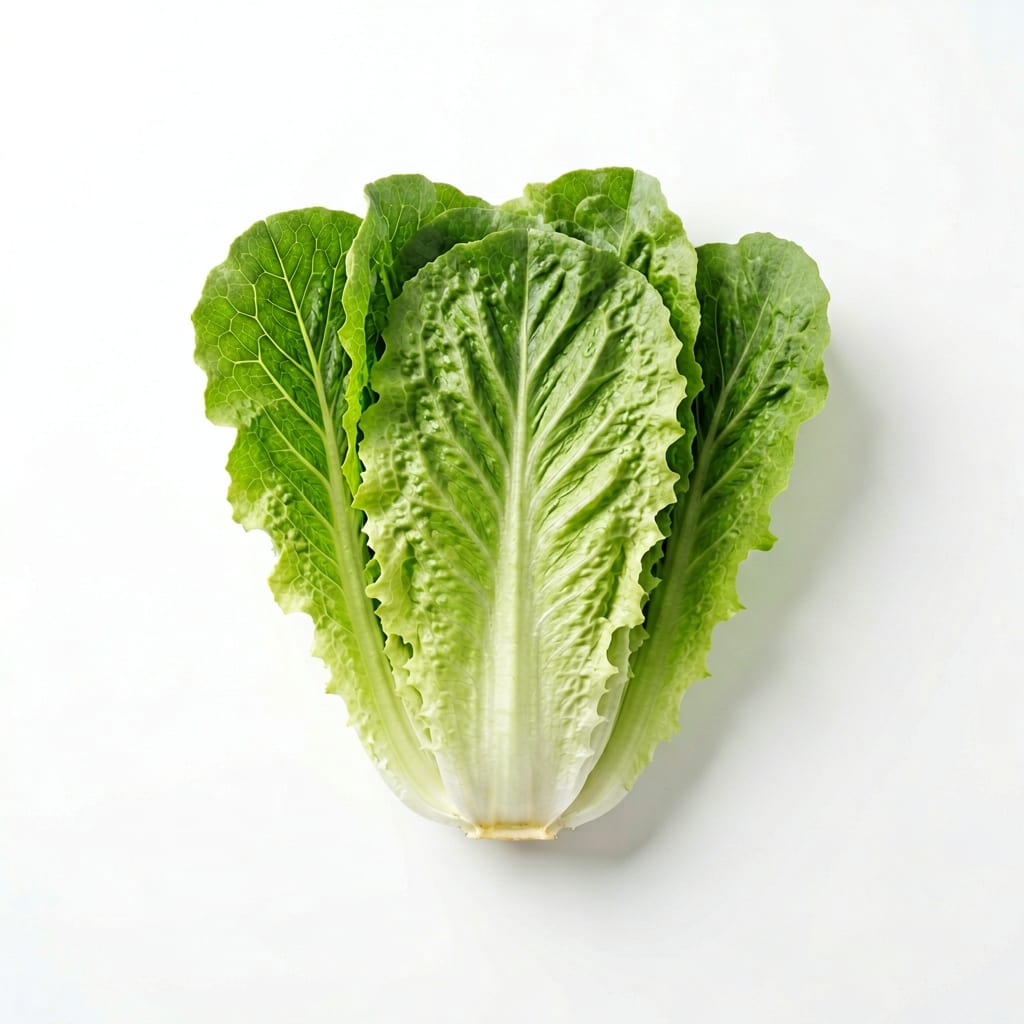
Romaine Lettuce
Purslane crushes Romaine in nutrients like omega-3s and magnesium, but Romaine wins on crunch, availability, and everyday convenience.
Purslane scores higher for its exceptional omega-3 and antioxidant content, but Romaine stays competitive due to its unmatched convenience and everyday usability.
Maximum nutrition and omega-3s versus easy access and familiar salad texture.
At a glance
Executive summary
Overall
It depends
Healthier
Purslane
More practical
Romaine Lettuce
Daily use
Romaine Lettuce
Key comparison lenses
Nutrient density and superfood status
Purslane is famously nutrient-dense, offering far more micronutrients and omega-3s per calorie than standard lettuce.
Omega-3 fatty acid intake
Purslane is one of the rare leafy greens providing substantial plant-based omega-3s, a category where Romaine falls flat.
Everyday practicality and accessibility
Romaine is a grocery store staple available year-round, while Purslane is often seasonal, foraged, or sold at specialty markets.
Taste and texture versatility
Romaine provides a universally loved crunch, whereas Purslane has a unique slightly sour and mucilaginous texture that doesn't fit every dish.
Best choice for
Purslane
- Boosting omega-3 intake naturally
- Maximizing nutrient density per calorie
- Adding a unique sour-salty flavor to dishes
Romaine Lettuce
- Classic crunchy salads
- Easy meal prep and wide availability
- Mild flavor that pairs with anything
Least suitable for
Purslane
- People who want a crunchy, mild salad base
- Those without access to farmers markets or foraging spots
Romaine Lettuce
- Anyone specifically seeking plant-based omega-3s from greens
- Maximizing micronutrient variety
Deep comparison
Dimension by dimension
Each lens scores both foods and breaks down who each option suits.
- Dimension 1 · Priority 95Purslane
Nutrient Density & Micronutrients
Purslane · 95Romaine Lettuce · 70Purslane offers significantly more magnesium, potassium, vitamin E, and omega-3s than Romaine.
Tradeoff
You get a nutritional powerhouse in Purslane, but it lacks the satisfying crunch of Romaine.
Why it matters
Higher nutrient density means you get more health benefits per bite without eating more.
Real-world impact
Eating Purslane regularly can help cover gaps in magnesium and plant-based omega-3s that most diets lack.
Purslane
- Filling nutritional gaps naturally
- Anti-aging and cellular health
Better for
- Those who dislike non-traditional textures
Worse for
Romaine Lettuce
- Basic vitamin K and hydration needs
Better for
- Correcting mineral deficiencies
Worse for
- Dimension 2 · Priority 90Purslane
Omega-3 Fatty Acids
Purslane · 98Romaine Lettuce · 20Purslane is one of the best leafy green sources of alpha-linolenic acid (ALA), while Romaine has almost none.
Tradeoff
Purslane delivers a rare plant-based omega-3 boost, whereas Romaine offers almost no fat at all.
Why it matters
Omega-3s support heart and brain health, and getting them from greens is rare.
Real-world impact
Adding Purslane to your diet is an easy way to sneak in more anti-inflammatory fats without supplements.
Purslane
- Supporting heart health
- Reducing inflammation naturally
Better for
- Those on blood thinners who must monitor vitamin K and fat intake closely
Worse for
Romaine Lettuce
- Keeping meals extremely low in calories
Better for
- Anyone needing to boost essential fat intake
Worse for
- Dimension 3 · Priority 85Romaine Lettuce
Practicality & Accessibility
Purslane · 40Romaine Lettuce · 95Romaine is available in every grocery store year-round, while Purslane is often seasonal or requires foraging.
Tradeoff
Romaine is always an easy grab, but Purslane takes effort to find or grow.
Why it matters
Consistency in diet relies on foods you can actually buy when you need them.
Real-world impact
You can meal-prep Romaine any day of the week, but Purslane might be a special farmers market find.
Purslane
- Home gardeners looking for low-maintenance superfoods
Better for
- Last-minute recipe needs
- People living in food deserts
Worse for
Romaine Lettuce
- Busy weeknight dinners
- Reliable weekly meal prep
Better for
- Culinary adventurers seeking new flavors
Worse for
- Dimension 4 · Priority 75Romaine Lettuce
Taste & Texture Versatility
Purslane · 60Romaine Lettuce · 85Romaine delivers a crisp, neutral crunch perfect for salads, while Purslane is slightly mucilaginous and sour.
Tradeoff
Romaine fits seamlessly into any salad, whereas Purslane's unique texture works better as a garnish or in specific dishes.
Why it matters
Enjoyment and texture drive whether you actually keep eating a healthy food.
Real-world impact
Romaine makes a satisfying salad base; Purslane is better mixed in for a flavor pop rather than eaten alone.
Purslane
- Adding a lemony peppery kick to dishes
- Thickening stews or soups naturally
Better for
- Traditional Caesar salads
- People sensitive to slimy textures
Worse for
Romaine Lettuce
- Sturdy dips and wraps
- Classic refreshing salads
Better for
- Providing bold or complex flavors
Worse for
Timeline
Health impact over time
Short-term
Hours to days
Purslane
- Provides a quick boost of hydration and electrolytes like potassium
- Offers a unique sour flavor that can stimulate appetite
Romaine Lettuce
- Delivers satisfying crunch that promotes slower eating
- High water content aids quick hydration
Long-term
Months to years
Purslane
- Regular omega-3 intake supports heart and brain health
- High antioxidant load helps combat cellular aging
Romaine Lettuce
- Consistent fiber intake promotes healthy digestion
- High Vitamin K supports long-term bone density
Risk profile
Safety & processing
Both Purslane and Romaine Lettuce are whole, raw greens with virtually no processing or additives.
Purslane
Oxalate content
mediumPurslane contains oxalates, which can be an issue for people prone to kidney stones if eaten in large amounts.
Foraging contamination
mediumWild-harvested Purslane may be exposed to pesticides, herbicides, or polluted soil if not sourced carefully.
Romaine Lettuce
E. coli outbreaks
mediumRomaine has been subject to frequent recalls due to E. coli contamination, requiring careful washing and sourcing.
Pesticide residues
mediumConventionally grown Romaine often carries pesticide residue; choosing organic mitigates this.
Who wins for whom
Audience fit
Same foods, different winners depending on your goal.
children
Romaine LettuceRomaine's mild flavor and crunchy texture are far more kid-friendly than Purslane's sour, slightly slimy texture.
daily consumption
Romaine LettuceRomaine's easy availability and neutral taste make it a more realistic daily staple.
diabetes
PurslanePurslane's omega-3s and slightly higher fiber content offer better blood sugar stabilization and anti-inflammatory benefits.
elderly
PurslanePurslane's superior magnesium and omega-3 content supports heart, joint, and brain health in aging populations.
muscle gain
Romaine LettuceNeither is a protein source, but Romaine is easier to eat in large volumes alongside protein-rich meals.
weight loss
It dependsBoth are extremely low in calories. Purslane offers more nutrients per calorie, but Romaine's crunch makes it a more satisfying bulk option for big salads.
Your move
Decision guide
Choose Purslane
- You want to maximize your plant-based omega-3 intake
- You have access to fresh Purslane at farmers markets or in your garden
- You enjoy slightly sour, peppery flavors in your dishes
Choose Romaine Lettuce
- You need a reliable, crunchy salad base available year-round
- You are meal-prepping for the week and need sturdy greens
- You prefer mild flavors that don't compete with dressings
Either works if
- You just need a low-calorie, hydrating green to round out a meal
- You want to boost your daily vegetable intake without adding fat
Avoid both if
- You need a protein-dense or calorie-dense food to satisfy hunger
Final recommendation
Use Romaine Lettuce as your everyday salad workhorse, but swap in Purslane whenever you can find it to give your body a rare omega-3 and antioxidant upgrade.
Practical
Consumer tips
- 1
If foraging Purslane, only pick from areas you know are free of pesticides and car exhaust.
- 2
Mix chopped Purslane into your Romaine salads to get the best of both worlds: crunch and superfood nutrition.
- 3
Don't overcook Purslane; it gets slimy. It's best enjoyed raw or lightly wilted.
- 4
Always wash Romaine thoroughly, even pre-washed bags, due to historical E. coli risks.